


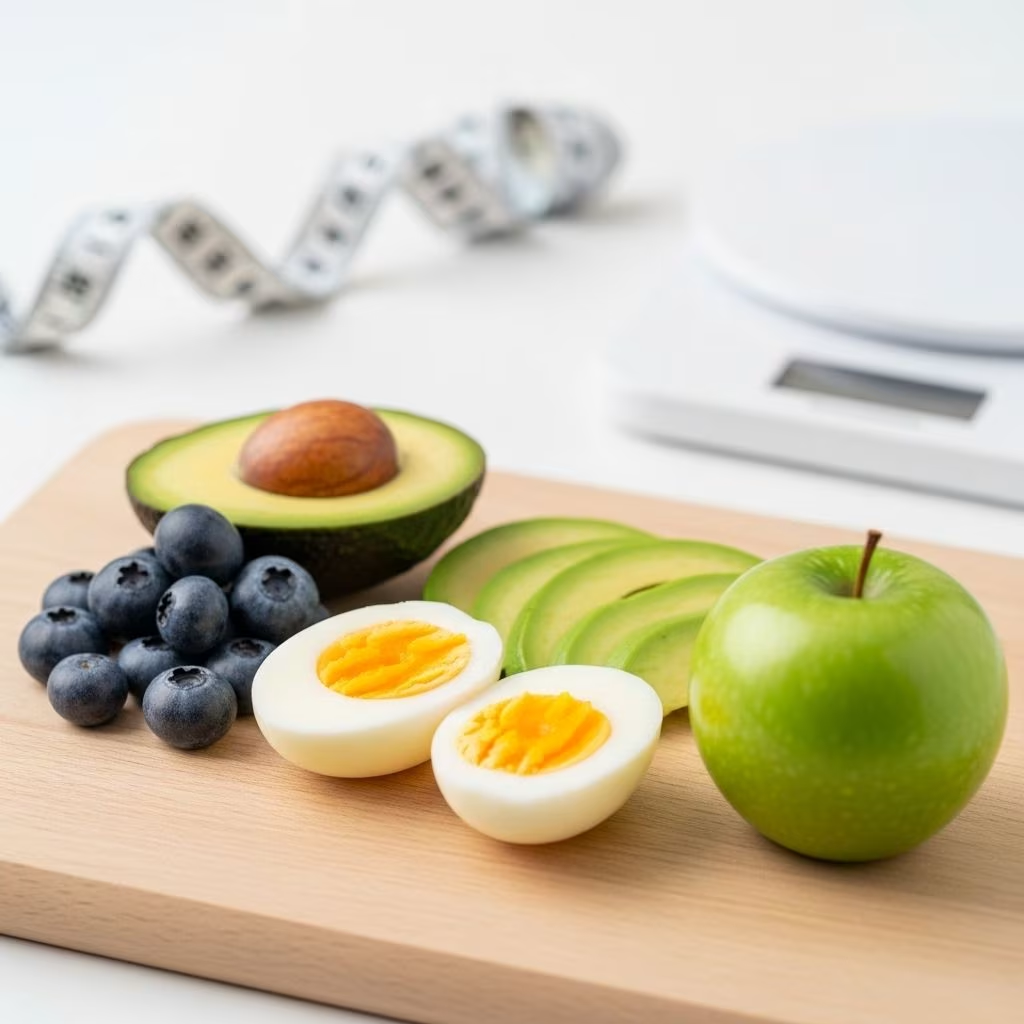
Losing weight—and keeping it off—doesn’t have to mean drastic, unsustainable diets or endless hours of deprivation. Effective weight loss is about making small, manageable changes and building habits you can stick to for the long haul. Below, you’ll find 50 simple, actionable diet tips that are grounded in nutritional science and real-world experience. From portion control and smart swaps to eating out tactics and expert strategies, these suggestions will help you create a healthier, happier you—one step at a time.
1. Never Skip Breakfast
Enjoy breakfast every day to jump-start your metabolism and curb unhealthy mid-morning snacking. A protein-rich meal in the morning keeps you satisfied and helps set a positive tone for the rest of your meals.
2. Plan Meals Ahead
Meal planning eliminates last-minute unhealthy choices and overeating. Set aside time weekly to prep nourishing options you enjoy—this way, you’re less likely to grab processed or fast foods.
3. Eat More Slowly and Mindfully
- Take smaller bites, chew thoroughly, and savor each mouthful.
- Eating slowly gives your brain time to register fullness, helping you avoid overeating.
4. Keep a Food Journal
Logging what you eat—even occasionally—can double weight loss compared to dieting alone. Food journals help increase awareness of your eating patterns and highlight areas for improvement.
5. Don’t Supersize Portions
- Choose regular or even children’s meal portions when eating out.
- Restaurant servings are often double (or triple) standard portions—eat half and bring the rest home.
6. Fill Half Your Plate with Veggies
Vegetables are fiber-rich, low in calories, and help you feel full. Prioritize non-starchy veggies at every meal and make them the star of your dish.
7. Embrace Smaller Plates
- Use salad plates instead of dinner plates to trick your brain into feeling satisfied with less.
- Visually smaller portions look bigger on a smaller plate, reducing the urge to overeat.
8. See What You Eat
Always plate your food rather than eating straight from bags, jars, or containers. This creates greater awareness of how much you’re consuming and helps control portions.
9. Start Meals with Soup or Salad
- Begin lunch or dinner with a broth-based soup or vegetable salad.
- This fills you up so you end up eating smaller portions of calorie-dense foods that follow.
10. Substitute Whole Fat with Reduced Fat Dairy
Switching from whole milk to 1% milk can translate to meaningful calorie savings and weight loss over the course of a year.
11. Choose Foods to Chew, Not Sip
- Chewing your calories is more satisfying than drinking them.
- Opt for whole fruit instead of fruit juice, and avoid soda and sweetened drinks wherever possible.
12. Limit Juice and Sugary Beverages
- Restrict fruit juice to one small (8-ounce) glass per day or less.
- Replace sweet drinks with sparkling water, unsweetened tea, or just water.
13. Use Mustard, Not Mayo
Mustard is a low-calorie, flavorful alternative to mayonnaise on sandwiches or burgers, saving you calories and reducing added fats.
14. Eat More Non-Creamy Soups
Soups—especially broth-based or vegetable-rich varieties—are filling, nutritious, and generally low in calories.
15. Take Lunch to Work
Packing your own lunch helps you better control ingredients and portion sizes while reducing temptation to order high-calorie takeout or café fare.
16. Sit Down to Eat
Avoid eating on the go or standing up, which often leads to mindless snacking and consuming more than intended. Sitting encourages slower, more mindful eating.
17. Dilute Juice or Sweet Drinks
- If you have juice or sweet beverages, dilute them with water to reduce calorie content.
- Over time, train your tastebuds to prefer less-sweet drinks.
18. Prioritize Veggies at Lunch
Design lunch to be mostly vegetables with lean proteins or whole grains as side components for maximum energy and satiety.
19. Prepare More Meals at Home
Cooking at home allows you to control ingredients, reduce calories, and experiment with healthier recipes and flavors. Aim to eat out less and home-cook more of your meals.
20. Save Alcohol for Weekends
Alcohol is calorie-dense and often coupled with increased snacking. Reserving alcoholic drinks for special occasions or weekends helps reduce overall calorie intake.
21. Follow the “Eighty Percent Full” Rule
Adopt the classic Eastern principle: eat until you are 80% full. This helps prevent overeating while fostering awareness of hunger and satiety cues.
22. Choose Healthy “Upgrades”
- Swap white bread with whole grain, fries with baked or roasted veggies, and sugary cereals with whole oats or Greek yogurt.
- Small upgrades can substantially improve the quality of your diet over time.
23. Don’t Skimp on Sleep
Insufficient sleep disrupts hormones that control hunger and appetite. Prioritize 7-8 hours of rest per night to support your weight loss efforts and overall wellness.
24. Watch Out for Liquid Calories
Calories from sodas, sugary teas, coffee shop beverages, and alcohol add up quickly, often without promoting fullness. Stick to water, herbal tea, or black coffee as main drinks.
25. Minimize Processed Foods
- Choose foods with minimal ingredients you can recognize.
- Focus on produce, whole grains, lean meats or plant proteins, and healthy fats like nuts and avocados.
26. Share Restaurant Desserts
Restaurant portions for desserts are enormous. To enjoy special treats without sabotaging your goals, share with friends or family instead of ordering your own.
27. Mind Your Calorie Budget
Work out how many calories you need each day for your age, activity level, and gender. Even just having a rough idea keeps you on track and helps prevent mindless excess.
28. Prioritize Protein at Every Meal
- Protein increases satiation and helps preserve muscle while losing fat.
- Incorporate eggs, Greek yogurt, beans, lean meats, tofu, or fish in each meal for best results.
29. Don’t Fear Healthy Fats
Nuts, olive oil, avocado, and fatty fish contain healthy fats that support satiety and a healthy metabolism. Just be mindful of portions, since fats are calorie-dense.
30. Listen to Your Body’s Hunger
Eat when you’re physically hungry, not out of boredom, stress, or habit. Learning to tune in to genuine hunger cues is a powerful skill for long-term success.
31. Eat Balanced Snacks
- Smart snacks combine protein with fiber or healthy fats, such as apple slices with almond butter, Greek yogurt with berries, or roasted chickpeas.
- Avoid snacks high in simple sugars or refined grains, which can spike and crash blood sugar.
32. Allow for Occasional Indulgences
Denying yourself favorite foods increases cravings. Instead, enjoy treats in moderation and without guilt; balance them with healthier choices in your next meals.
33. Practice the “Three-Bite” Rule for Sweets
- If you’re craving dessert, have three slow, mindful bites and savor the flavor.
- Often, that’s enough to satisfy you without overdoing calories.
34. Hydrate Before Meals
Drinking a glass of water 30 minutes before a meal helps curb excess hunger and ensures you’re not confusing thirst for hunger.
35. Track Your Progress
Monitor your weight, measurements, or how your clothes fit as you journey forward. Small changes can be motivating checkpoints on your journey.
36. Make Vegetables the Main Component of Dishes
Build meals around vegetables rather than using them as an afterthought. Shift your plate so animal proteins are smaller, and produce shines.
37. Avoid Eating Out of Boredom
If you feel like snacking, ask yourself if you’re truly hungry or just bored, stressed, or tired. Find alternative activities, like a quick walk, a phone call, or reading a book.
38. Plan for Challenges
Anticipate situations that test your resolve—dinners out, family events, holidays. Set guidelines in advance to help you navigate temptations and stay on course.
39. Use Spices and Herbs
- Flavor your food with spices, herbs, citrus, and vinegar instead of excess sugar, butter, or creamy sauces.
- This adds excitement and satisfaction without extra calories.
40. Batch Cook for the Week
Cooking larger quantities of healthy grains, lean proteins, and roasted vegetables makes it easier to assemble nutritious meals, especially on busy days.
41. Eat Most Meals at the Table
Avoid eating in front of screens or while distracted. Sit down and focus on your food to promote fullness, digestion, and better choices.
42. Reframe “Dieting” as a Lifestyle
- Look at changes as a healthy way of living, not a temporary fix.
- This mental shift makes healthy habits easier to sustain long-term.
43. Allow Flexibility
No one eats perfectly all the time. Accept occasional off-plan meals and redirect your focus to making the next choice a healthy one.
44. Keep Healthy Foods Visible
- Store cut veggies, fruit, and nuts at eye level in your fridge or pantry.
- Keep tempting, processed snacks out of sight or out of reach.
45. Focus on Food Quality, Not Just Calories
Choose nutrient-dense foods—fruits, veggies, lean proteins, whole grains—over foods that are calorie-rich but low in nutrients.
46. Stay Consistent—Don’t Chase Fads
Science consistently shows that sustainable, moderate changes win over time, while restrictive or extreme diets backfire.
47. Learn to Say No Politely
Practice ways to gracefully decline extra servings, desserts, or peer pressure at social gatherings. Have simple responses ready such as “Thank you, but I’m full.”
48. Map out Your Health and Wellness Path
- Think beyond food: consider movement, sleep, stress, social and medical factors.
- Set non-scale goals such as more energy, better mood, or improved sleep.
49. Celebrate Non-Scale Victories
Focus recognition on tracking NSVs like improved energy, better sleep, healthier habits, or achieving a fitness milestone—not just a number on the scale.
50. Rely on Science—Not Gimmicks or Supplements
- Your body does its own detoxifying. Steer clear of “detox” programs or magic-pill solutions; the best results come from consistent, healthy habits.
- Vitamins and minerals work best from food, not supplements. With few exceptions, real food always beats pills.
Frequently Asked Questions (FAQs)
Q: What’s the most important thing for sustainable weight loss?
A: The cornerstone for lasting weight loss is building healthy, consistent habits you can stick to indefinitely—like portion control, mindful eating, regular meals, and smart food swaps.
Q: Do I need to cut out all carbs or fats to lose weight?
A: No. Both carbohydrates and fats have a place in a healthy diet. Focus on whole grains and plant-based fats, and enjoy them in moderation to maintain energy and satisfaction.
Q: How do I manage eating out at restaurants?
A: Choose grilled, baked, or steamed dishes; request dressings and sauces on the side; start with soup or salad; and don’t hesitate to box half your meal to-go as soon as it arrives.
Q: Does skipping meals help speed weight loss?
A: Skipping meals often backfires, leading to overeating later in the day. Balanced, regular meals support energy, mood, and healthy weight management.
Q: Are detoxes, cleanses, or diet teas necessary for weight loss?
A: No. There’s no scientific evidence supporting the need for detoxes or cleanses. Your body is naturally efficient at detoxifying itself with a balanced diet, plenty of fluids, and regular movement.
Table: Healthy Food Swaps
| Instead of | Try This | Benefit |
|---|---|---|
| White bread | Whole grain bread | More fiber and nutrients |
| Soda | Sparkling water | Reduced sugar and calories |
| Mayo | Mustard or avocado | Fewer calories, heart-healthy fats |
| Cream-based soups | Broth-based vegetable soups | Lower in calories, higher in fiber |
| Fried chips | Air-popped popcorn or baked chips | Less fat, more whole grains |
Making small, strategic swaps and building positive habits can make a big difference in achieving and maintaining your healthy weight. Use these 50 tips as a toolbox—choose a few to start, and keep adding as you progress on your wellness journey.
References
- https://www.prevention.com/weight-loss/a20456466/diet-and-healthy-weight-loss-advice/
- https://www.prevention.com/weight-loss/diets/a60578947/how-to-lose-weight-fast-safely/
- https://www.prevention.com/weight-loss/g20494587/25-worst-diet-tips-ever/
- https://www.prevention.com/weight-loss/diets/g20440614/25-best-weight-loss-tips-ever/
- https://www.prevention.com/food-nutrition/healthy-eating/a63423411/foods-you-should-not-eat/
- https://www.prevention.com
- https://www.prevention.com/weight-loss/diets/
- https://www.prevention.com/food-nutrition/healthy-eating/a64297964/healthy-aging-diet-study/
- https://www.prevention.com/food-nutrition/a63749873/guide-to-eating-protein/
- https://www.prevention.com/health/a60486206/heal-your-body-with-food/


