


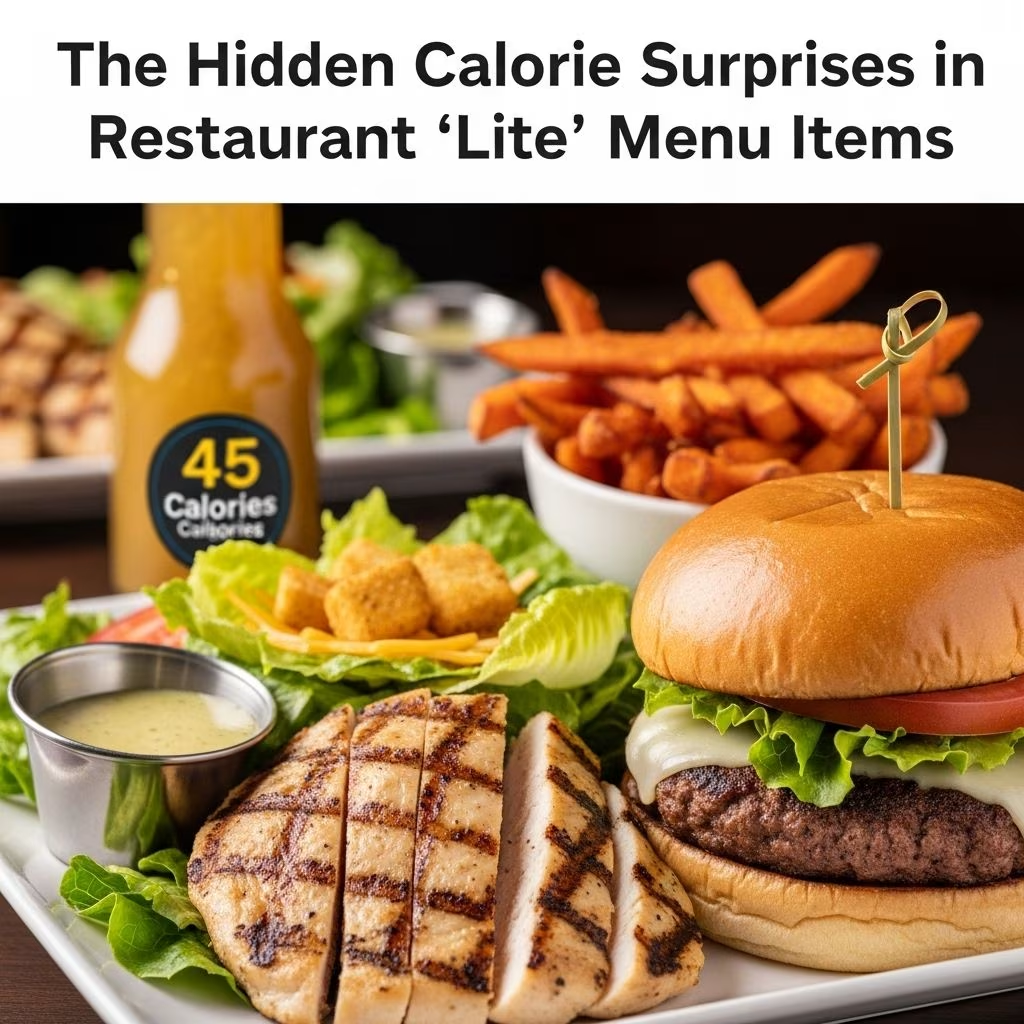
The Hidden Calorie Surprises in Restaurant ‘Lite’ Menu Items
Dining out can be one of life’s great pleasures, especially with the ever-growing availability of ‘lite’ or so-called healthy options on restaurant menus. Many people assume that by making these “healthier” choices, they’re staying on track with their weight loss or maintenance goals. However, beneath those reassuring menu labels, a wealth of hidden calories may be lurking—sometimes enough to negate your best intentions.
Recent research reveals a concerning truth: even meals promoted as under 500 calories might pack significantly more energy than promised. In some cases, the actual calorie content can be up to twice as much as what’s claimed on menus. As a result, well-meaning diners may unwittingly consume hundreds of extra calories in a single meal, sabotaging their health objectives.
This comprehensive guide explores why calorie counts are often misleading, which pitfalls to look out for, and how you can enjoy eating out without sabotaging your progress.
Why ‘Lite’ Restaurant Meals Can Still Cause Weight Gain
Research conducted by Tufts University found that so-called ‘healthy’ restaurant meals contained, on average, 18% more calories than what was listed on their menus. Some meals contained double the declared calorie amount.2 Over time, these discrepancies could add up to several pounds gained each year for those diligently trying to control their weight by trusting published calorie information.
Dr. Susan Roberts, professor at the Friedman School of Nutrition Science and Policy, notes that even small increases in daily calorie intake—particularly when unaccounted for—can quietly defeat weight loss efforts. This is especially problematic when relying on restaurants’ calorie counts to make healthy choices.
Surveys and analyses of menu items from major chains reinforce these findings, showing that the calorie content of supposedly ‘lite’ dishes frequently exceeds expectations.
Top Reasons for Hidden Calories in ‘Lite’ Menu Options
- Oversized Portions: Restaurant servings are typically much larger than what most people need. Proteins such as meat, chicken, or fish should generally be about the size of your palm, but are often two to three times larger on your plate.2
- Sneaky Sauces and Dressings: Even grilled vegetables or proteins can be slathered in high-calorie sauces or dressings. Creamy, buttery, or sugar-laden sauces can double the calorie count of an otherwise healthy dish.4
- Extra Ingredients: Additions like cheese, nuts, seeds, dried fruit, or croutons may sound nutritious but can quickly lift a meal’s calorie load.
- Cooking Methods: “Grilled” or “baked” items may still be brushed or basted with oil and butter during cooking.
- Carb Additions: Bread baskets, tortillas, or rice sides are often included by default unless specifically requested otherwise.
Common ‘Lite’ Restaurant Traps and How to Outsmart Them
1. Oversized Portions
Even on ‘diet’ menus, portions of lean meats or vegetables can be much larger than you’d serve at home. Given that portion size in restaurants is frequently double—or even triple—the appropriate serving, this can quietly add hundreds of extra calories.
Tip: Assume restaurant portions are at least double what you need. Immediately divide your meal and set half aside to take home or share. Better yet, ask your server to box up half before the meal even arrives.2
2. Sauces, Dressings, and Added Fats
Many “healthy” items get their flavor from high-calorie sauces. For example, a piece of grilled chicken can become a calorie bomb when topped with hollandaise, Alfredo, or a sweet Asian glaze.4 Even light vinaigrettes can add more calories than you expect, especially when served liberally.
Tip: Always ask for sauces and dressings on the side, and use them sparingly. Choose grilled items, and avoid anything listed as “creamy”, “crispy”, or “smothered”.
3. Bread, Rice, and Other Carb Traps
Restaurant entrees commonly arrive accompanied by bread, tortillas, rice, or pasta—even on “lite” menus. These sides can easily add 200-400 hidden calories.
Tip: Politely decline the breadbasket, or ask for double veggies instead of starchy sides when ordering lighter entrees.
4. Hidden Added Sugars
Sauces in Asian cuisine, barbecue items, or even so-called vinaigrette dressings often contain unexpected sugar, transforming a “savory” plate into a stealthy dessert.
Tip: Request information about how dishes are made, or stick to simpler preparations. Opt for steamed, roasted, or grilled items and avoid “glazed”, “honey”, or “sweet and sour” options.
5. ‘Healthy’ Add-ons: Nuts, Seeds, and Cheese
Salads often seem like a safe bet, yet added cheese, candied nuts, fried onions, or dried fruit can more than double a salad’s calorie count. Even seemingly healthy grain or seed toppings can escalate calories quickly.
Tip: Choose salads with mostly fresh vegetables and lean protein, requesting high-calorie add-ons or dressing be served on the side, or omitted altogether.
Tips to Outsmart Hidden Restaurant Calories
- Check Nutrition Online: Look up nutrition facts on the restaurant’s website before visiting, as menu claims can be unreliable.
- Avoid “Value” Sizes: Upsizing sides or drinks may only cost a little extra money but greatly increases your calorie total.
- Customize Your Order: Request meals with no added butter or oil, double the vegetables instead of a starch, and minimal sauces.
- Eat Mindfully: Eat slowly and be conscious of fullness cues. Restaurant settings often encourage overeating.
Real-Life Examples of Hidden Calories in Popular ‘Lite’ Restaurant Meals
| Restaurant Meal | Menu Claimed Calories | Actual Calories (as tested) |
|---|---|---|
| Grilled Chicken, Steamed Veggies | 470 | 500–650+ |
| Asian Stir-Fry (no rice) | 420 | 480–700+ |
| Bowl with Chicken & Vegetables | 300 | 350–500+ |
| Deli Turkey Salad (with cheese, croutons) | 350 | 500–650+ |
| Tex-Mex Grilled Fish Tacos | 420 | 600–800+ |
Note: Values are representative and based on external laboratory testing and available consumer reports.
How Menu Calorie Gaps Affect Weight Loss
Small daily excesses add up over time. For instance, if you consume an extra 100 calories per day due to misleading menu info, this could amount to a gain of 10 pounds in a year—even while believing you’re making healthy choices. If you regularly eat out and underestimate every meal, the impact can be much greater.
According to experts, these cumulative miscalculations can “result in weight gain of many pounds a year”.2
What Restaurants Get Wrong: Where the Calorie Count Hides
- Human Error: Employees may add more oil, sauce, or toppings than recipe guidelines specify.
- Ingredient Substitutions: Swapping in a fattier cut or larger portion can add calories unexpectedly.
- Preparation Methods: Cooking at high heat or covering pans with butter or oil can multiply calories, even for dishes labeled “grilled”.
Questions to Ask and Requests to Make When Ordering
- “Can this be prepared without extra butter or oil?”
- “Could I have the sauce, gravy, or dressing on the side?”
- “Is it possible to replace rice/pasta with extra vegetables?”
- “What is the actual portion size of the protein?”
- “Can you serve half my meal in a to-go container?”
Summary Table: Hidden Calorie Traps and Smart Strategies
| Trap | Hidden Source | Best Strategy |
|---|---|---|
| Oversized portions | Double/triple protein or starch | Share dish, box half before eating |
| Sauces/gravies | Butter, cream, sugar | Ask for on the side, use sparingly |
| Breads & carb sides | Default bread, rice, pasta | Swap for more veggies or salad |
| ‘Healthy’ toppings | Cheese, nuts, fried items | Omit or limit, customize salad |
Frequently Asked Questions (FAQs)
Q: Are ‘lite’ restaurant meals actually good for weight loss?
A: Not always. While intended to be lower in calories, they often contain unlisted additions like sauces, oil, or large portions that raise calorie content above what is stated. Always double-check nutrition facts and make custom requests whenever possible.
Q: How much more can ‘lite’ meals exceed the stated calorie count?
A: Studies have shown an average of 18% more calories than listed, and some meals can have nearly twice the posted calorie content.2
Q: What do I do if there are no calorie labels on the menu?
A: Use your best judgment, stick to simply prepared dishes, avoid sauces, and manage your portions. Do online research about typical calorie counts for similar dishes before you visit or shortly after ordering.
Q: Are there safe menu picks at chain restaurants?
A: Many chains now offer “fit” or “lighter” options, but you should still be cautious. Choices like a bowl with grilled protein and double veggies (skipping extras) are usually safest, but always verify or customize to avoid calorie traps.
Key Takeaways for Smart Dining Out
- Never assume ‘lite’ means low in calories. Always verify and control extras.
- Manage portions by sharing or taking half your meal to go.
- Avoid inevitable calorie boosts from sauces, cheese, fried add-ons, and carb-heavy sides.
- Request nutritional information or look it up before you order, where possible.
- When in doubt, keep your order simple, and stick to grilled lean protein with extra vegetables, plain.
The reality is that eating out, even when you think you’re being careful, can set back your weight management efforts due to hidden restaurant calories. By arming yourself with knowledge and using some creative ordering strategies, you can enjoy your favorite restaurants without derailing your goals.
References
- https://rezyle.com/low-calorie-restaurant-meals
- https://www.prevention.com/weight-loss/a20479914/hidden-calories-in-lite-restaurant-menu-items/
- https://www.georgeinstitute.org/news-and-media/news/almost-a-days-worth-of-calories-hidden-in-fast-food-meal-combos-study-shows
- https://cathe.com/5-calorie-traps-to-avoid-when-eating-out/
- https://smpersonaltraining.com/blog/5-restaurant-traps
- https://plexuspt.com.au/blog/nutrition/foods-with-hidden-calories/
- https://activated.health/unmasking-hidden-calories/


