


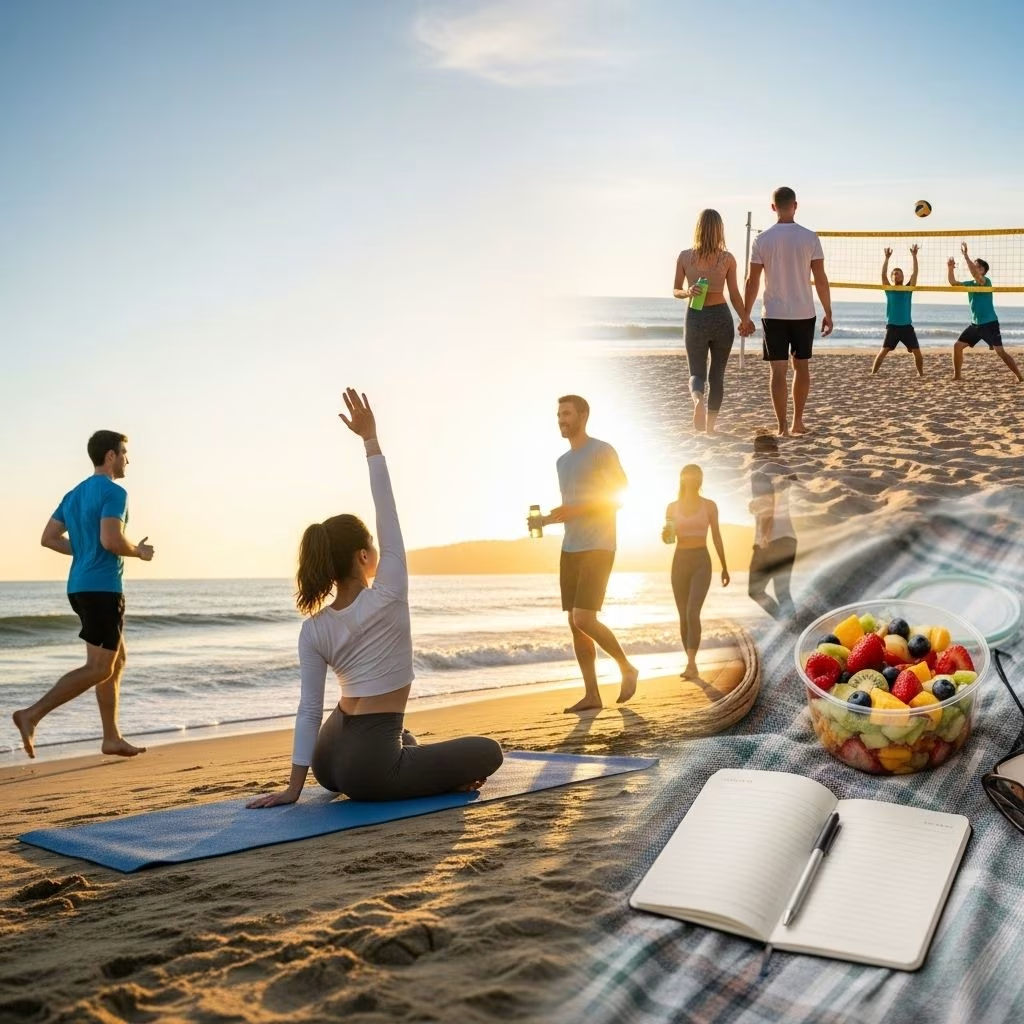
How to Avoid Vacation Weight Gain: Science-Backed Strategies for Staying on Track
Vacations are meant for relaxation, exploration, and indulging in new experiences. But for many, returning home to find a few unexpected pounds on the scale can take the shine off a wonderful trip. Research consistently shows that weight gained during vacations or holiday seasons is often not lost quickly, and it can accumulate over time, potentially impacting long-term health. If you want to enjoy your travels without sabotaging your progress—or starting a frustrating cycle—these evidence-based tips, practical planning advice, and expert insights will have you covered.
Why Vacation Weight Gain Happens
Several unique factors converge when you’re away from home that can make healthy eating and regular movement more challenging:
- Dining out frequently: Restaurant meals are typically higher in calories, fat, salt, and added sugars than homemade food.
- Irregular routines: Changes to sleep, meal timing, and exercise routines can all disrupt metabolic and appetite cues.
- Social and emotional influences: Celebrating with friends and family often involves food-centric activities and may trigger ‘treat yourself’ mentalities.
- Exposure to new, tempting foods: Travel is a time for culinary adventure, making overindulgence easy.
How Much Weight Do People Typically Gain on Vacation?
Studies suggest that the average person gains between 0.5 to 2 pounds during major vacations or holiday periods. Although this may not sound like much, the real problem is that these small increases frequently become permanent, adding up over years. Most people do not lose this weight afterward, highlighting the importance of mindful strategies before and during your travels.
Expert-Recommended Strategies to Prevent Vacation Weight Gain
These practical tips can help you avoid unnecessary pounds without making your vacation feel restrictive:
1. Plan Ahead to Prioritize Wellness
- Book accommodations with a gym or pool or bring fitness gear for hotel-room workouts (resistance bands, yoga mat).
- Pack healthy snacks (nuts, protein bars, fresh fruit) for long flights, road trips, or hotel stays.
- Look up menus for restaurants you’ll likely visit; decide ahead on nutritious choices so you’re less likely to impulsively order heavy meals.
- Schedule movement into your itinerary: Consider walking tours, bike rentals, or hiking excursions as part of your travel adventure.
2. Be Savvy When Eating Out
- Ask questions: Don’t hesitate to inquire about preparation methods or request modifications—grilled instead of fried, sauce on the side, extra veggies.
- Choose simply prepared dishes: Items labeled as baked, roasted, broiled, or steamed are typically lower in calories and fat.
- Watch for hidden calorie traps: Skip heavy add-ons like creamy sauces, cheese, or mayo unless it’s a special highlight of the local cuisine you truly want to sample.
- Mind your beverages: Opt for water or unsweetened beverages instead of sugary sodas or sweet cocktails; limit alcoholic drinks, which add up quickly.
3. Control Portions Without Sacrificing Enjoyment
- Share entrees or desserts to try local specialties without overeating.
- Order appetizers as main courses when portions seem especially large.
- Eat slowly: Savor every bite; this helps with satisfaction and makes it easier to notice when you’re full.
- Remove food from the table when finished to avoid unconscious snacking as you linger in conversation.
4. Don’t Skip Meals to ‘Save Up’ Calories
Skipping meals to indulge at a special dinner or big event can backfire, leaving you ravenous and prone to overeating. Instead, aim for balanced, lighter meals throughout the day, incorporating:
- Lean proteins (eggs, Greek yogurt, grilled chicken or fish)
- High-fiber veggies (salads, steamed greens, raw carrots or cucumbers)
- Whole grains in modest amounts
5. Build Your Plate Strategically
- Start with a generous serving of vegetables or salad.
- Include a modest amount of lean protein.
- Add a small portion of starch or grains, if desired.
- Leave space for a few bites of local treats or dessert—mindful indulgence is key.
6. Maintain an Active Lifestyle (Even If It’s Unstructured)
- Walk as much as possible: Sightseeing can rack up tens of thousands of steps. Choose walking over taxis when safe and convenient.
- Build activity into your day: Swim, paddleboard, hike, dance, join group exercise classes, or even try hotel-room HIIT routines.
- Exercise early: Get movement in early so it doesn’t get sidelined by an unexpectedly busy day.
7. Get Enough Sleep
Changes in time zones, late nights, and disrupted sleep routines can trigger hormonal shifts that increase hunger and appetite. Strive for at least seven hours of quality sleep each night—bring an eye mask and earplugs if you’re worried about noisy hotels.
8. Set Realistic Expectations and Goals
- Focus on weight maintenance, not strict loss. Keeping your weight stable is a realistic, healthy goal when your routine, food, and activity levels are in flux.
- Forgive minor slip-ups: Occasional indulgences are normal and often integral to the travel experience. Reset with your next meal or activity rather than spiraling into guilt—and more overeating.
Psychological Strategies for Mindful Eating on Vacation
Food is part of travel’s adventure, and denying this can feel like missing out. Instead, try these mindful approaches:
- Pause before eating: Rate your hunger on a scale of 1-10 before meals; this helps you avoid eating out of habit, stress, or simply because food is available.
- Eat without distractions: Step away from phone screens and focus fully on the tastes, aromas, and textures of your meal.
- Listen to fullness cues: Learn to recognize when you’ve had enough, and stop eating—even if there’s food left on your plate or the group is still snacking.
- Cultivate gratitude: Express thanks for each meal and experience, which can help increase satisfaction even with smaller portions.
Common Pitfalls and How to Handle Them
- The ‘All or Nothing’ Trap: A single splurge does not ruin your health. Avoid the mindset that one big meal or treat means surrendering healthy habits for the rest of the trip.
- Peer Pressure: Practice polite ways to decline extra servings or desserts. “Thank you, but I’m full—this was delicious!” can be powerful.
- Alcohol Overload: Alcohol adds empty calories and often lowers dietary inhibition. Alternate alcoholic drinks with water, and aim for moderation.
- Buffet Overwhelm: Survey all options first, then select small amounts of your favorites; skip what doesn’t truly appeal.
Sample Strategies for Common Vacation Scenarios
| Scenario | Potential Challenge | Solution |
|---|---|---|
| All-Inclusive Resort | Unlimited buffets, constant snacking | Scope options first, serve yourself veggies and protein before choosing small portions of treats |
| Cruise Ship | Multiple daily meals, desserts, drinks | Commit to walking the ship’s deck, take the stairs, and plan for one indulgence per day |
| Road Trip | Convenience foods, sedentary hours driving | Pack healthy snacks, schedule rest stops for brisk walks or stretching |
| Visiting Family | Home-cooked feasts, emotional eating | Serve yourself modest portions, focus on conversation, and offer to lead after-meal walks |
| International Travel | Unfamiliar dishes, ‘once in a lifetime’ mentality | Prioritize trying unique items mindfully, skip what doesn’t excite, balance rich meals with lighter ones |
Frequently Asked Questions (FAQ)
How quickly do people typically gain weight on vacation?
Most studies show that weight gain during vacations or holidays averages from half a pound to two pounds within one to two weeks, depending on dietary indulgence, physical activity, and individual metabolism.
Is it possible to lose vacation weight quickly upon returning home?
While some water weight may drop rapidly when you resume regular habits, actual fat loss usually takes longer; the key is to resume your healthy routine as soon as possible, focusing on consistency instead of crash dieting.
Should I avoid my favorite foods altogether?
No—restriction increases cravings and the likelihood of overindulging later. Mindful, small-portion sampling of favorite or local treats can support both your psychological satisfaction and physical goals.
How can I avoid feeling deprived?
Balance is essential: Strategically include special foods in small amounts, focus on the non-food pleasures of vacation (activities, scenery, social connection), and savor every bite of chosen indulgences.
How can I keep moving if my travel companions are not active?
Suggest group walks after meals, sneak in morning yoga or short interval workouts, or explore new destinations on foot or by bike. Even brief bursts of activity add up over the day.
Top Tips: Quick Reference
- Plan ahead for movement and healthy snacks.
- Be selective with indulgences—choose what matters most.
- Control portions and eat mindfully.
- Move as much as possible—seek out active adventures.
- Prioritize sleep and self-care.
- Don’t stress about perfection—aim for consistency, not flawless execution.
By weaving these habits into your vacation, you can return home refreshed, recharged, and healthy—ready to take on whatever’s next.
References
- https://www.webmd.com/diet/features/avoid-vacation-weight-gain-5-simple-rules
- https://www.sutterhealth.org/health/tips-to-avoid-holiday-weight-gain
- https://www.cuimc.columbia.edu/news/8-tips-avoid-holiday-weight-gain
- https://www.hss.edu/health-library/move-better/holiday-weight-gain
- https://health.ucdavis.edu/blog/cultivating-health/10-tips-for-a-healthy-holiday-season-and-ideas-to-limit-weight-gain/2022/12
- https://www.scripps.org/news_items/7698-4-ways-to-prevent-holiday-weight-gain
- https://www.youtube.com/watch?v=VuC3c0VDMWs
- https://newsnetwork.mayoclinic.org/discussion/mayo-clinic-minute-avoid-weight-gain-on-vacation/


