


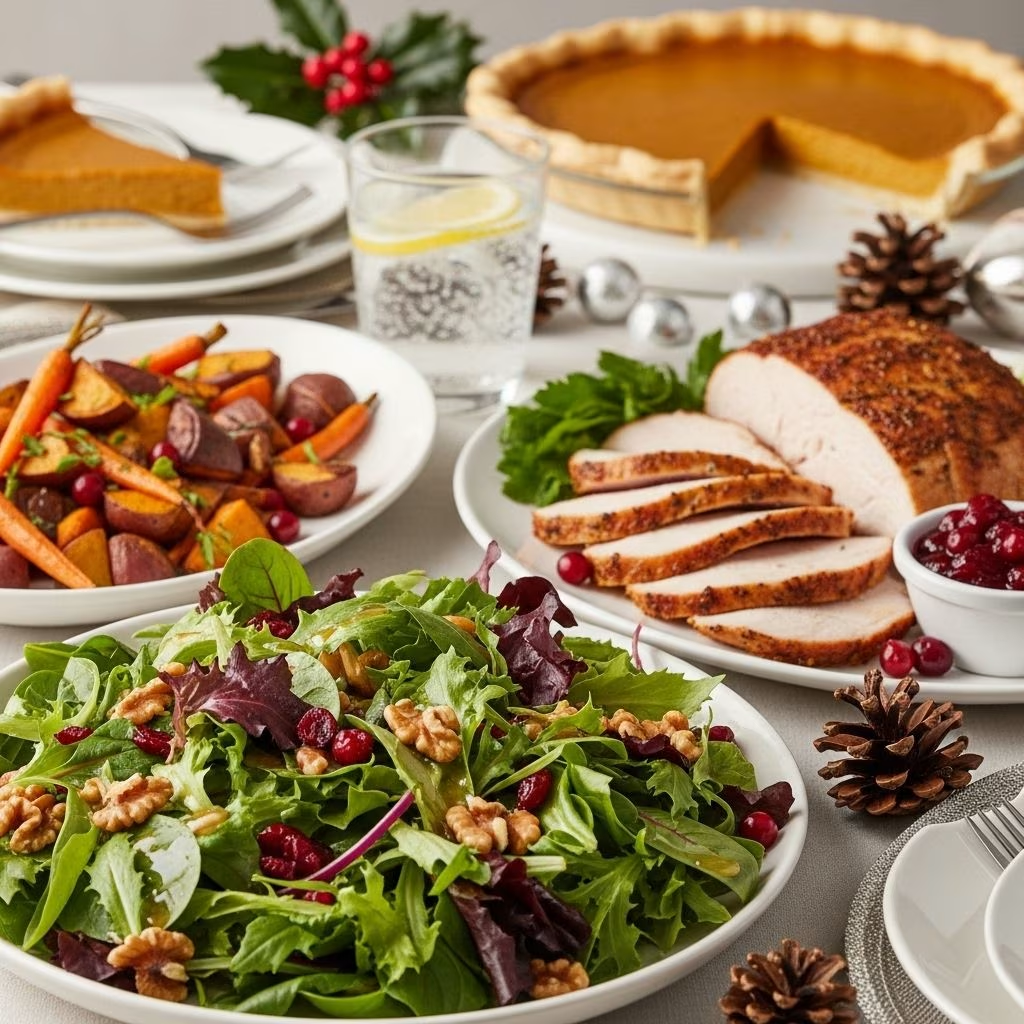
Holiday Eating Tips: Stay Slim and Enjoy Seasonal Feasts
The holiday season is filled with joy—and often, a bounty of tempting foods. With celebrations, festive treats, and rich meals at every turn, maintaining your health and weight goals can become a significant challenge. However, with smart strategies rooted in current research, you can have your holiday cake (and enjoy it, too) without guilt or extra pounds. This comprehensive guide covers actionable tips to help you stay on track and relish the most wonderful time of the year.
Pace Yourself: Mindful Eating for Satisfaction
Slowing down when you eat can have a profound effect on your intake and satisfaction. Research in the Journal of the American Dietetic Association shows that healthy women who ate more slowly, taking about 21 minutes longer per meal, consumed fewer calories and reported greater satisfaction compared to those who ate quickly.
- Chew thoroughly and savor each bite to appreciate the flavors and textures.
- Put your fork down between bites to naturally extend your meal time.
- Aim for at least 20 minutes for each meal—it takes that long for fullness signals to reach your brain.
Consciously eating at a slower pace helps your body recognize satiety, preventing overeating and bloating.
Beware of Oversized Beverages
Alcoholic drinks can be a hidden source of excessive calories, particularly during the holidays. Studies have found that holiday drinks served in restaurants and bars often exceed standard servings by as much as 43%. This means you may be drinking much more than you realize, both in alcohol and calories.
Standard drink sizes:
- 12 oz of beer (about one can or bottle)
- 5 oz of wine (a little less than half a typical soda can)
- 1.5 oz of spirits or liquor (a single shot, straight or mixed)
Oversized servings not only amplify calorie counts but may also lower your inhibitions, leading to mindless snacking or extra helpings. If you choose to drink:
- Opt for water or seltzer between alcohol servings to stay hydrated.
- Be mindful of how much is poured, especially at parties.
- Limit creamy, sugary holiday drinks such as eggnog—which can pack 200+ calories per glass.
Write It Down: The Power of Food Journaling
Documenting what you eat—even just jotting it on your phone or a sticky note—can significantly increase awareness and encourage healthier choices. A study published in the American Journal of Preventive Medicine followed over 1,600 adults and found that those who kept food diaries lost double the weight compared to those who did not.
- Record everything, including nibbles and beverages.
- Use your notes to adjust portions or food types at your next meal.
- Reflect briefly on your emotions as you eat to connect mood and appetite.
This simple act builds habits of mindfulness, accountability, and informed decision-making.
Mastering Portion Control
The abundance of holiday options makes it easy to overfill plates. However, enjoying indulgent foods does not require massive portions. Effective portion control allows you to sample your favorites without exceeding your calorie needs.
- Use smaller plates to visually enhance meal size while serving less food.
- Fill half your plate with vegetables and salads before adding richer items.
- Be selective—choose a few favorite treats and forgo items you do not truly love.
- Avoid going back for seconds until you’ve had at least 10 minutes to assess if you’re actually hungry.
Sample Portion Sizes for Common Holiday Dishes
| Food | Portion | Calories (Approx.) |
|---|---|---|
| Roast turkey (skinless) | 3 oz (deck of cards) | 135 |
| Mashed potatoes | 1/2 cup (tennis ball) | 110 |
| Stuffing | 1/2 cup | 175 |
| Pumpkin pie | 1/8 of a 9″ pie | 320 |
| Eggnog (store-bought) | 1/2 cup | 200 |
Healthy Holiday Recipe Swaps
Simple substitutions can dramatically boost the nutritional quality of your holiday favorites while preserving their flavor and festivity:
- Use applesauce or pureed fruit instead of butter or oil in baked goods for fewer calories and more fiber.
- Try low-fat yogurt in place of sour cream in dips and dressings.
- Swap whole grains (like brown rice or quinoa) for white rice or bread-based stuffing.
- Make mashed cauliflower instead of only potatoes for a lighter side.
- Roast or steam vegetables with herbs instead of heavy cheese or cream sauces.
- Use evaporated skim milk instead of heavy cream in casseroles and soups.
- Limit sugar by reducing recipes by up to a third, or use fruit purée for natural sweetness.
Even a few of these small swaps can help you cut calories and unhealthy fats, supporting your wellness without sacrificing taste or tradition.
Enjoy Favorites Without Guilt
The holidays are meant to be enjoyed. Complete deprivation can backfire, setting the stage for bingeing or negative feelings. Instead, allow yourself to indulge in small portions of beloved holiday treats. Choose the ones you look forward to all year, and savor them mindfully.
- If you desire a dessert, have a half-portion or split with a friend.
- Skip items you’re indifferent to and make room for your true favorites.
- Reframe indulgence as a balanced part of your eating pattern, not a failure.
Remember, a single meal or treat will not undo your progress—consistency over time matters most.
Blasting Beverage Overload
Festive drinks often add surprising amounts of sugar and calories to your daily tally—think holiday punches, spirits, and creamy cocktails. To keep liquid calories in check:
- Alternate alcoholic beverages with water, club soda, or unsweetened sparkling water. Add a splash of cranberry juice or a citrus wedge for flavor.
- Limit eggnog, punch, and sweet cocktails—calorie counts may rival or exceed dessert.
- Make your own festive drinks with unsweetened teas, fruit-infused water, or mocktails from seltzer, muddled fruit, and lime.
Real-Life Strategies for Social Gatherings
- Don’t skip regular meals to “save up” calories for a feast. This usually leads to overeating. Instead, eat healthy snacks (like raw vegetables or fruit) before parties to curb appetite and make mindful choices.
- Bring your own nutritious dish to gatherings so you always have a healthy option available.
- Be mindful of buffet traps: Survey all options first, decide which indulgences really excite you, and skip or minimize the rest.
- Engage away from food: Socialize in conversation or participate in holiday activities that don’t center on eating.
- Don’t beat yourself up if you overindulge. Resume your routine at the next opportunity rather than engaging in a cycle of guilt or restriction.
Stay Active & Practice Self-Compassion
Physical activity is crucial for both mental and physical health during the busy holiday season. Exercise helps limit weight gain, reduces stress, and promotes well-being.
- Schedule walks after meals, alone or with loved ones.
- Turn celebrations into active gatherings—organize a family football game, take a stroll to see holiday lights, or dance to festive music.
- Involve kids and family in movement, modeling lifelong healthy habits.
- Aim for at least 30 minutes of moderate activity daily, split up if needed.
Above all: The holidays are about connection and joy. Allow yourself to enjoy without perfectionism. If you have a less-than-ideal eating day, respond with kindness and get back on track the next day.
Frequently Asked Questions (FAQs)
Q: Will one big holiday meal ruin my weight loss progress?
A: No. Your body weight responds to overall patterns, not a single meal. Consistency with activity and healthy eating over days and weeks is more impactful than what you do at a single party or dinner.
Q: Is it okay to have dessert every day during the holidays?
A: Occasional small desserts can fit into a healthy diet if balanced with nutritious foods and mindful portions. The key is to savor treats and not let them replace healthier choices.
Q: What’s the best way to avoid overeating at parties?
A: Eat a light, healthy meal beforehand, survey food options before starting, and focus on the foods you truly enjoy. Take breaks from eating to socialize and stay hydrated with water between appetizers and drinks.
Q: How can I bounce back if I overeat?
A: Avoid restrictive “compensation” tactics. Resume your regular balanced meals, hydrate, and get some physical activity to support your body’s natural rhythms. Self-compassion helps prevent unhealthy cycles of deprivation and overeating.
Q: How do I balance holiday treats with family traditions?
A: Embrace traditions, but seek balance—include lighter dishes, smaller portions, and non-food-based activities so that celebration is about connection as much as food.
Final Thoughts
Healthy holiday eating does not mean deprivation. With a mindful approach to meals, beverages, and self-care, you can savor every celebration while keeping your energy and well-being intact. Remember: small, consistent strategies yield big benefits—helping you enter the new year feeling satisfied, refreshed, and empowered.
References
- https://health.ucdavis.edu/blog/good-food/8-easy-tips-for-healthy-holiday-eating/2019/11
- https://www.prevention.com/health/a20489471/9-ways-to-keep-healthy-eating-on-track-this-holiday-season/
- https://www.tuftsmedicine.org/about-us/news/eight-tips-healthy-holiday-eating
- https://www.prevention.com/weight-loss/a20451774/holiday-eating-tips/
- https://www.prevention.com/weight-loss/a20489358/prevent-holiday-weight-gain/
- https://www.prevention.com/health/g20454717/24-tips-for-stressless-holiday-planning/
- https://www.prevention.com/life/g45330994/stay-healthy-when-traveling-holidays/
- https://www.nutrition.gov/healthy-holidays
- https://www.prevention.com/weight-loss/a20440030/how-to-avoid-overeating-during-the-holidays/
- https://www.prevention.com/life/a20461707/healthy-holiday-eating-and-exercise-tips-from-the-doctors/


