


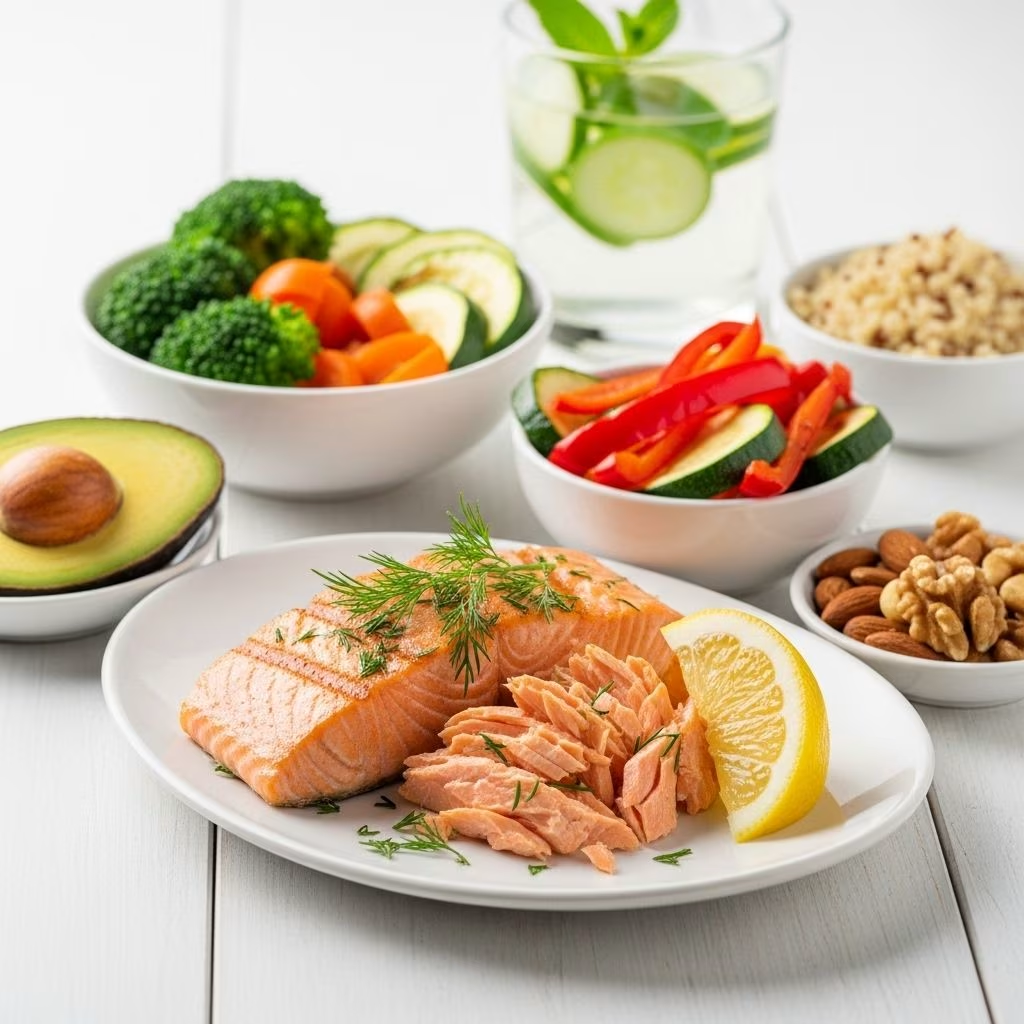
The South Beach Diet: A Comprehensive Guide
The South Beach Diet is a popular eating plan that aims to promote sustainable weight loss, improve heart health, and foster a balanced relationship with food. Developed by cardiologist Dr. Arthur Agatston in the 1990s, this diet stands out due to its phased approach, nutritional flexibility, and emphasis on the quality—not just quantity—of carbohydrates and fats. Over the years, its practical strategies, motivating results, and adaptability have helped millions lose weight, reduce risk factors for chronic disease, and improve their overall well-being.
What Is the South Beach Diet?
The South Beach Diet is a nutrient-dense, lower-carb diet dividing its approach into three distinct phases. Unlike traditional low-fat or fad diets, its key focus is on healthy fats, lean protein, and good carbohydrates with a low glycemic index, thereby enhancing fullness and metabolic health. Initially created to help cardiac patients, it soon gained traction as an effective strategy for weight management and general health.
Main Principles of the South Beach Diet
- Emphasizes lean proteins (e.g., fish, poultry, tofu)
- Encourages healthy fats (olive oil, avocados, nuts, fatty fish)
- Limits simple sugars and highly processed grains
- Promotes fiber-rich carbohydrates (vegetables, legumes, whole grains)
- Adopts a three-phase system for greater long-term success
The Three Phases of the South Beach Diet
The South Beach Diet’s structure is key to its success, with each phase designed to transition the dieter toward sustainable eating habits.
Phase 1: Jumpstart (First 14 Days)
- Duration: 2 weeks
- Goal: Rapidly reduce cravings and kickstart weight loss by stabilizing blood sugar and insulin
- How it Works: Strictly limits fruits, grains, and starchy vegetables. Focuses on lean protein, non-starchy vegetables, and small servings of healthy fats.
- Typical weight loss: 8–13 pounds (3.5–6 kg) may be lost during this phase
- Meal frequency: Three meals plus two snacks daily, with snacks featuring protein and vegetables
Sample Foods Allowed in Phase 1:
- Fish, shellfish, skinless poultry, lean cuts of beef or pork, tofu, seitan
- Leafy greens, cruciferous vegetables, tomatoes, cucumbers, peppers
- Nuts, seeds (in moderation)
- Olive oil, avocado oil, canola oil (used sparingly)
- Eggs, low-fat dairy products (yogurt, cheese)
What to Avoid in Phase 1:
- Bread, rice, pasta, potatoes, baked goods
- Fruit and fruit juices
- Alcohol
- Sugar-sweetened drinks or desserts
Phase 2: Steady Weight Loss
- Duration: After day 14, continues until personal weight goal is met
- Goal: Gradual, consistent weight loss by reintroducing “good carbs”
- How it Works: Adds controlled portions of fruit, whole grains, starchy vegetables, and certain alcoholic drinks. Weight loss slows to about 1–2 pounds (0.5–1 kg) per week.
- Dieters can enjoy greater food variety, which helps to prevent boredom and encourages adherence.
Sample Additions in Phase 2:
- Berries, apples, peaches, plums
- Whole-grain bread, brown rice, quinoa, barley, oats
- Sweet potatoes, butternut squash
- Dry wine and light beer (in moderation)
Phase 3: Maintenance
- Duration: Indefinite—this phase is a lifestyle
- Goal: Maintain desired weight through flexible, balanced eating habits
- How it Works: All foods can be included in moderation. If weight is regained, brief returns to earlier phases are encouraged for recalibration.
- The focus remains on the core principles: lean protein, healthy fats, vegetables, whole grains.
What Foods Can You Eat and What Should Be Avoided?
Understanding which foods are encouraged versus restricted at various phases of the South Beach Diet can help optimize results and satisfaction.
| Food Group | Recommended | Minimize/Avoid |
|---|---|---|
| Proteins | Lean chicken, turkey, fish, tofu, eggs, low-fat dairy | Fatty cuts of red meat, processed meats with added sugar |
| Fats | Olive oil, avocado, nuts, seeds, fatty fish | Butter, trans fats, hydrogenated oils, fried foods |
| Carbohydrates | Vegetables (all phases), fruits and whole grains (phases 2+) | White bread, white rice, pastries, sugary cereals |
| Snacks | Vegetable sticks, cheese, plain yogurt, nuts | Candy, chips, sweetened granola bars |
The Science Behind the South Beach Diet
Unlike many trendy diets, the South Beach Diet incorporates principles grounded in nutrition science, particularly focusing on macronutrient balance and glycemic load.
- Protein-rich diets promote satiety by increasing the production of hormones responsible for fullness and reducing hunger hormones. This often leads to a natural reduction in calorie intake.
- Low-glycemic carbs help prevent dramatic spikes and dips in blood sugar, which can curb cravings and reduce fat storage.
- Healthy fats from sources like olive oil, avocados, and fatty fish have anti-inflammatory properties and support cardiovascular health.
- An increased focus on fiber supports digestive health and further stabilizes blood sugar.
Health Benefits of the South Beach Diet
Adopting the South Beach Diet often brings a host of health advantages, both short-term and long-term.
- Weight loss: High-protein, moderate-carb structure promotes quick initial results and sustainable progress, especially in phases 1 and 2
- Improved heart health: Diet reduces consumption of saturated fat and simple sugars, increases intake of healthy fats, and encourages fiber-rich foods
- Reduced inflammation risk: Regular consumption of leafy greens, cruciferous vegetables, omega-3-rich fish, and healthy oils helps lower systemic inflammation
- Better blood sugar and insulin levels: Low-glycemic carb intake stabilizes blood sugar, making this diet appealing for those at risk of type 2 diabetes or metabolic syndrome
- Potential decrease in chronic disease risk: Adherence can curb the likelihood of developing chronic conditions such as hypertension and type 2 diabetes
- Menu flexibility and accessibility: Offers a wide array of meals, snacks, and online recipes, making meal planning easier
Potential Risks and Drawbacks
While the South Beach Diet offers numerous benefits, certain drawbacks and precautions should be considered:
- Risk of ketosis: During Phase 1, carbohydrate intake is low enough that some people may enter mild ketosis, which can cause headaches, fatigue, or dizziness in sensitive individuals
- Limited initial food choices: The strictness of Phase 1 can be challenging to maintain, leading to potential feelings of deprivation
- Unclear scientific backing for all claims: Not every aspect or claim made in South Beach Diet books has robust peer-reviewed evidence
- Potential for micronutrient deficiencies: Strict avoidance of fruits and grains early on may temporarily reduce intake of certain vitamins, minerals, and phytonutrients
Is the South Beach Diet Sustainable?
Sustainability is a hallmark of the South Beach Diet, especially given the flexibility and food variety allowed in later phases. The plan encourages mindful eating, practical meal preparation, and moderate indulgence, making it feasible as a lifelong approach rather than a short-term fix. Commitment to the diet’s core principles and the gradual shift toward Phase 3 habits are key to its long-term success.
Sample Day on the South Beach Diet (Phases 1 and 2)
Sample Day: Phase 1
- Breakfast: Vegetable omelet with spinach and mushrooms, side of turkey bacon
- Snack: Low-fat string cheese and cucumber slices
- Lunch: Grilled chicken salad with mixed greens, cherry tomatoes, and olive oil vinaigrette
- Snack: Handful of almonds
- Dinner: Broiled salmon, sautéed broccoli, and roasted eggplant
Sample Day: Phase 2
- Breakfast: Oatmeal with blueberries and chia seeds
- Snack: Greek yogurt with sliced almonds
- Lunch: Quinoa bowl with roasted vegetables, grilled tofu, and tahini dressing
- Snack: An apple and two walnuts
- Dinner: Turkey meatballs over whole-wheat pasta and steamed green beans
Tips for Success on the South Beach Diet
- Meal prep in advance to avoid reaching for off-plan options
- Utilize the extensive library of South Beach Diet-friendly recipes for variety and enjoyment
- Monitor your progress, celebrate milestones, but stay realistic about plateaus
- Incorporate regular exercise throughout all phases for enhanced weight loss and heart benefits
- Drink plenty of water and manage stress, both of which support metabolic health
How Does It Compare to Other Diets?
The South Beach Diet is often compared to other popular eating regimens. Key differences and similarities include:
| Diet | Main Focus | Carbohydrate Approach | Fat Approach | Protein Approach |
|---|---|---|---|---|
| South Beach | Heart health, sustainable weight loss | Moderate, low-glycemic carbs, phased in gradually | Healthy fats prioritized | Lean proteins emphasized |
| Atkins | Quick weight loss | Very low-carb, slowly increased | All fats allowed | No restrictions on protein |
| Mediterranean | Heart disease prevention, longevity | Whole food carbs emphasized, no restriction | Healthy fats, moderate intake | Moderate intake, often from fish |
| Keto | Fat loss, metabolism shift | Very low-carb (<50g> | High fat encouraged | Moderate protein |
Frequently Asked Questions (FAQs)
Q: Who should consider the South Beach Diet?
A: Individuals seeking sustainable weight loss, improved heart health, or better blood sugar control often benefit. As always, those with existing health conditions should consult a healthcare provider before starting any new eating plan.
Q: Is exercise required on the South Beach Diet?
A: While not mandatory, regular exercise is strongly recommended alongside the diet for optimal weight loss, metabolism support, and cardiovascular benefits.
Q: Can vegetarians or vegans follow the South Beach Diet?
A: Yes. Plant-based eaters modify the diet by replacing animal proteins with tofu, tempeh, legumes, and other high-protein vegetarian sources. Nuts, seeds, and plant oils supply healthy fats.
Q: Is it safe for people with diabetes?
A: The South Beach Diet’s focus on low-glycemic carbohydrates and healthy fats may help stabilize blood sugar. However, people with diabetes should tailor the approach with professional guidance.
Q: How long should I stay in each phase?
A: Stay in Phase 1 for two weeks, then remain in Phase 2 until you reach your desired weight. Phase 3 is lifelong for maintenance, with a return to Phases 1 or 2 as needed.
Q: What if I regain weight?
A: Briefly return to Phase 1 for one to two weeks, then progress again to Phase 2 and Phase 3 when your weight rebalance is achieved.
South Beach Diet: Final Thoughts
The South Beach Diet offers a practical, sustainable, and scientifically allied approach to healthier eating and weight loss. By focusing on lean proteins, healthy fats, and mindful integration of good carbohydrates, it empowers individuals to make better food choices while minimizing deprivation and maximizing long-term success. Whether you’re looking to manage your weight, control blood sugar, or promote heart health, the phased structure and flexible guidelines of the South Beach Diet may provide an accessible and enduring path to wellness.
References
- https://www.healthline.com/nutrition/south-beach-diet
- https://resources.healthgrades.com/right-care/food-nutrition-and-diet/south-beach-diet
- https://www.bostonspecialists.org/south-beach-diet
- https://www.medicalnewstoday.com/articles/7501
- https://www.mayoclinic.org/healthy-lifestyle/weight-loss/in-depth/south-beach-diet/art-20048491
- https://www.webmd.com/diet/south-beach-diet-what-it-is
- https://www.mymlc.com/health-information/articles/s/south-beach-diet/?section=Diet+details


