


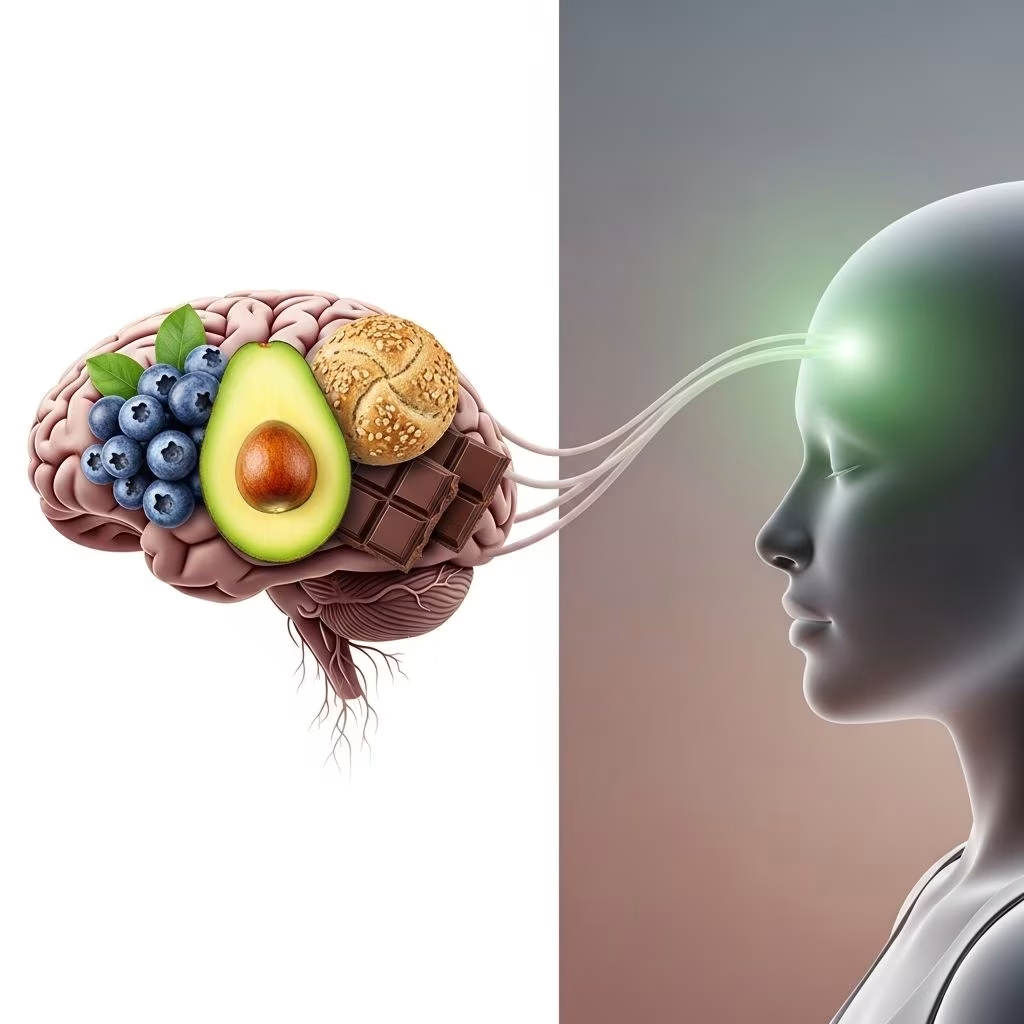
How Diets Influence Stress: Understanding the Connection Between Food and Mood
Category: Health & Wellness
Introduction: Why Diet and Stress Are So Closely Linked
The relationship between diet and stress goes far beyond simple comfort eating. The foods you choose can affect your brain chemistry, hormone levels, and gut health—all of which influence how you perceive and manage stress. Today, emerging research highlights how specific diets, gut bacteria, and even your meal timing can either heighten or help relieve daily anxiety and emotional tension.
Understanding the Gut-Brain Connection
There’s a growing scientific consensus that what you eat has a major impact on your mental and emotional health. This is largely due to the gut-brain connection, a bidirectional communication pathway between your digestive system and your brain.
- The gut produces key neurotransmitters, including serotonin, which helps regulate mood and anxiety levels.
- Certain dietary patterns directly influence the composition of the gut microbiome—the trillions of bacteria living in your intestines—which in turn affects brain chemistry and stress responses.
A diet rich in fiber, plant-based foods, and healthy fats tends to promote a diverse gut microbiome, which can help stabilize mood and reduce perceived stress. Conversely, diets heavy in processed foods, sugar, and unhealthy fats can disrupt gut health and exacerbate anxiety or mood disorders.
How a Mediterranean Diet May Lower Stress Levels
Recent studies have highlighted the Mediterranean diet as a potentially powerful way to reduce stress and improve overall mood. This diet focuses on plant-based foods such as fruits, vegetables, whole grains, legumes, nuts, seeds, and olive oil, while allowing moderate fish and dairy, and limited red meat.
- Consuming Mediterranean foods was associated with lower levels of perceived stress when compared to typical Western diets rich in processed foods and red meat.
- Key nutrients—like flavonoids and polyphenols found in plant foods—may help limit the production of cortisol, the body’s primary stress hormone, diminishing its negative effects.
- Participants who followed the Mediterranean diet reported improved mental resilience, a clearer mood, and decreased feelings of distress compared to people consuming more Western dietary patterns.
Nutrition experts suggest this improvement may be driven by the anti-inflammatory and antioxidant properties of the diet, coupled with its beneficial effects on the gut microbiome and hormone regulation.
Western Diets and Stress: The Vicious Cycle
The standard Western diet, which is high in saturated fats, refined carbohydrates, sugar, and processed foods, has been tied to worsened stress and anxiety. This dietary pattern can trigger inflammation, disrupt normal hormone production, and diminish gut bacterial diversity. Research reveals:
- A diet high in processed foods has been connected to increased perceived stress and mental distress.
- High-fat diets may even alter the expression of genes involved in serotonin production inside the brain stem, increasing risk for anxiety-like responses and mood disorders.
- Over time, consistently unhealthy eating perpetuates physical changes in both the gut and the brain, deepening the body’s susceptibility to chronic stress.
The Western dietary pattern sets up a vicious cycle: stress increases cravings for comfort foods, which are typically unhealthy, and these dietary choices then lead to physiological changes that worsen anxiety and emotional tension.
Why Stress Makes You Crave Sugar, Salt, and Fat
When you’re stressed, your body enters a heightened state of alert, fueled by the release of adrenaline and cortisol. For many, this also triggers cravings for calorie-dense, palatable “comfort foods” high in sugar, salt, and fat. The reasons are both biological and psychological:
- High-calorie foods may temporarily trigger the brain’s reward system, providing short-lived feelings of comfort or pleasure.
- Stress hormones increase appetite—especially for carbohydrates and fatty foods—which in turn raise blood sugar and promote relaxation, albeit only briefly.
- After the immediate pleasure of indulging, these foods can lead to “crashes” in mood and energy, reinforcing a cycle of negative feelings and additional cravings.
Over time, repeated cycles of stress eating can elevate your risk for obesity, diabetes, cardiovascular disease, and mood disorders.
How Stress Disrupts Healthy Eating Habits
Not only does stress push you toward unhealthy foods, but it also disrupts your ability to maintain healthy dietary behaviors. Common patterns include:
- Skipping meals, especially due to lack of appetite or time pressure, which can cause blood sugar swings and subsequent overeating.
- Mindless eating in front of screens, making it easy to lose track of portions and cues of fullness.
- Erratic meal timing, with late-night snacking or chaotic schedules leading to poor nutrition choices and digestion issues.
These patterns can become entrenched, particularly during periods of chronic stress, creating a self-reinforcing cycle of unhealthy eating and increased stress.
The Science: Key Players in Diet-Stress Interaction
| Nutrient or Factor | Role in Stress Response | Dietary Source |
|---|---|---|
| Flavonoids / Polyphenols | Reduce inflammation and cortisol, promote brain health | Fruits, vegetables, teas, olive oil, dark chocolate |
| Healthy Fats (Omega-3s) | Stabilize mood, reduce inflammation | Fatty fish, walnuts, flaxseed, chia seeds |
| Fiber | Supports gut health, positively affects gut-brain axis | Whole grains, legumes, fruits, vegetables |
| High Glycemic Foods / Refined Sugar | Cause blood sugar spikes and crashes, worsen mood swings | Soda, candy, pastries, white bread |
| Saturated Fats | Increase inflammation, disrupt brain-gut axis | Fried foods, processed meats, fast food |
Breaking the Cycle: Practical Strategies for Reducing Stress Through Diet
If stress has you stuck in a rut of unhealthy eating, you can take decisive steps to reverse the cycle and reclaim your wellbeing. Here are evidence-based strategies:
- Don’t skip meals: Regular mealtimes help stabilize your blood sugar and reduce the risk of “hanger”-induced overeating.
- Stock up on healthy, ready-to-eat options: Pre-portion snacks like nuts, cheese, yogurt, and fruits, so they’re as easy to grab as processed snacks.
- Focus on fiber and protein: These nutrients keep you full longer, stabilizing mood and preventing energy dips.
- Hydrate: Drink water throughout the day; dehydration can worsen feelings of anxiety or fatigue.
- Watch your caffeine and alcohol intake: Both can disrupt your stress response and intensify anxiety if consumed in excess.
- Practice mindful eating: Eat away from screens, and savor your food’s flavors and textures. Mindfulness can reduce emotional eating and improve satiety recognition.
- Meal plan simple, balanced meals: Even a few staple dishes (like salads, whole grain bowls, or soups) can make healthy eating less stressful.
- Prioritize sleep: Sleep loss increases stress hormones and makes it harder to resist cravings.
How to Stop Stress Eating: Expert Tips
Many people use food as a coping mechanism. While occasional comfort eating is normal, habitual stress eating can negatively impact health. Experts recommend:
- Recognize your stress-eating triggers (time of day, emotions, situations).
- Keep a food and mood journal for at least a week.
- Practice alternate coping skills: walks, deep breathing, listening to music, or calling a friend.
- Allow yourself an occasional treat, but do so with intention, not as a mindless reaction to stress.
- Seek support from a nutritionist or therapist if stress eating feels compulsive or out of control.
The Takeaway: Food Choices Can Help or Hinder Emotional Well-being
The foods you eat each day can significantly impact your stress resilience—or perpetuate the cycle of anxiety and unhealthy choices. Building meals around whole, minimally processed ingredients, and being mindful of both what and how you eat, empowers you to manage stress more effectively. While no single diet can eliminate stress, foundational choices like the Mediterranean diet are closely tied to improved mood, stronger gut health, and lasting well-being.
Frequently Asked Questions (FAQ) on Diets and Stress
Q: Which types of foods should I avoid during periods of stress?
A: Limit highly processed foods, sugary snacks and drinks, fried foods, and foods high in saturated or trans fats. These can worsen mood swings and disrupt gut health.
Q: What is the best type of diet for stress management?
A: Diets rich in vegetables, fruits, whole grains, nuts, and healthy fats—such as the Mediterranean diet—are consistently linked with lower perceived stress and more stable mood.
Q: Are there supplements that help with stress?
A: Some people benefit from supplemental magnesium, omega-3 fatty acids, or probiotics, but it’s best to consult a healthcare provider before starting supplements.
Q: How can I stop emotional or stress-induced eating?
A: Identify triggers, replace comfort-eating with healthier coping skills, don’t skip meals, and keep easy, healthy snacks on hand. Mindful eating techniques and support from nutrition or mental health professionals can also help.
Q: Does gut health really affect mood?
A: Yes. A balanced gut microbiome is essential for emotional regulation due to the gut-brain connection and gut-produced neurotransmitters such as serotonin.
References
- https://www.prevention.com/health/mental-health/a61928322/mediterranean-diet-lowers-stress-levels-study/
- https://www.prevention.com/health/a61547770/high-fat-diet-makes-stress-anxiety-worse-study/
- https://www.prevention.com/food-nutrition/g20487704/how-to-stop-stress-eating/
- https://www.prevention.com/health/mental-health/g23627062/stress-effects-on-the-body/
- https://www.prevention.com/food-nutrition/a64945067/walking-to-stop-stress-eating/
- https://www.prevention.com/weight-loss/a20469824/ways-to-stop-stress-eating/
- https://www.prevention.com
- https://pmc.ncbi.nlm.nih.gov/articles/PMC7468813/
- https://www.mdanderson.org/cancerwise/8-foods-that-impact-stress.h00-159459267.html
- https://www.prevention.com/food-nutrition/healthy-eating/a64297964/healthy-aging-diet-study/


