


\n\n
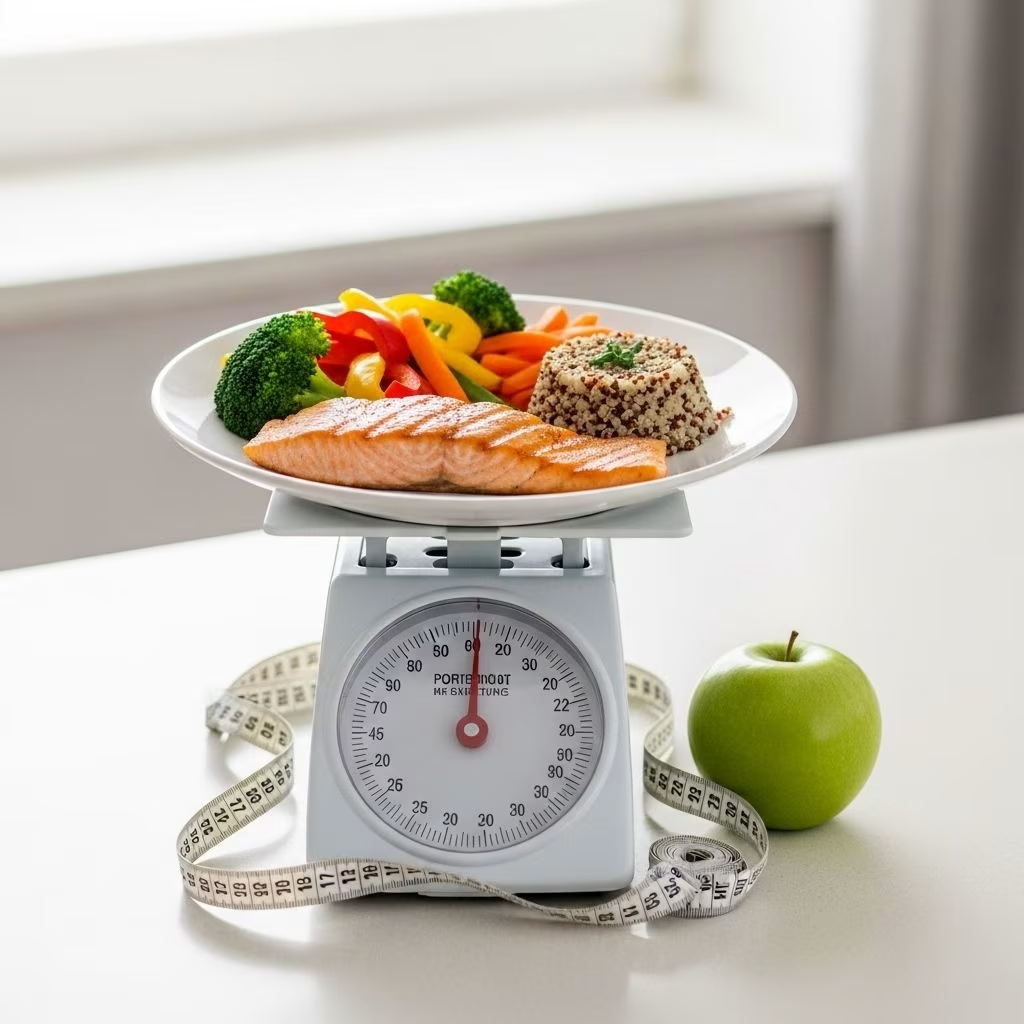
\nPortion control is a crucial—yet often overlooked—factor in successful weight management. In a world where restaurant servings and packaged snacks continue to grow larger, it’s easy to lose track of what a healthy portion really looks like. By learning to recognize appropriate serving sizes and practicing mindful eating habits, you can slim down your servings, enjoy your favorite foods, and promote long-term wellness.\n
\n\n
Why Portion Control Matters in Weight Management
\n
\nConsuming the right portion sizes helps prevent overeating, enables better calorie control, and supports sustainable weight loss. Research consistently shows that people tend to eat more when presented with larger portions, regardless of hunger or taste. Learning to accurately gauge your portions can help you eat just enough to satisfy hunger without excess, leading to healthier habits and weight maintenance over time.
\n
\n\n
- \n
- Portion control prevents mindless overeating in response to oversized plates and packages.
- It allows you to enjoy your favorite foods in moderation, avoiding deprivation.
- Consistently controlling portions helps balance calorie intake and supports weight loss goals.
\n
\n
\n
\n\n
12 Science-Backed Portion Control Tips
\n\n
1. Use Your Plate—and the Right Plate
\n
\nThe size and color of your dishware can dramatically affect how much you serve yourself. Large plates make portions look smaller, encouraging you to dish up—and eat—more. Switching to a smaller plate can help you naturally limit your servings without feeling deprived.\n
\n
- \n
- Downsize your plate: Use 9-inch salad plates for main courses instead of large dinner plates.
- Choose contrasting colors: Plates that contrast with your food color make portions more visible and encourage tuning in to fullness cues.
\n
\n
\n\n
2. Harness Visual Portion Cues
\n
\nVisualizing common objects makes it easier to estimate appropriate serving sizes, especially when kitchen scales and measuring cups aren’t handy. Use the following household objects as cues for typical servings:\n
\n
| Food | Portion Size | Visual Cue |
|---|---|---|
| Protein (meat, chicken, fish) | 3–4 oz | Deck of cards/Palm of your hand |
| Cooked rice or pasta | 1/2 cup | Hockey puck |
| Vegetables | 1 cup/raw; 1/2 cup/cooked | Baseball |
| Fruit | 1 small piece | Tennis ball |
| Cheese | 1 oz | Pair of dice |
| Butter or oil | 1 tsp | Tip of your thumb (from knuckle up) |
\n
\nPracticing with these cues can retrain your eye—and appetite—to serve truly satisfying but controlled portions.\n
\n\n
3. Measure When Possible
\n
\nFor foods you eat regularly, take the time to measure out the recommended serving a few times using measuring cups or a kitchen scale. This helps reinforce what a standard portion looks like so you can eyeball it with greater accuracy later on.\n
\n
- \n
- Read nutrition labels for serving size guidance.
- Consider portioning out bulk items into individual servings right after purchase.
\n
\n
\n\n
4. Pre-Portion Indulgent Foods
\n
\nSnacking straight from a large bag, carton, or container makes it all too easy to eat more than intended—especially with high-calorie, processed foods. Take a moment to portion snacks like chips, nuts, or trail mix into snack-size containers or zip-top bags.\n
\n
- \n
- Keep single-serving snacks visible and accessible for convenience.
- Avoid “family-size” portions unless sharing with a group.
\n
\n
\n\n
5. Plate Produce First
\n
\nLoading half your plate with vegetables and some fruit leaves less room for calorie-dense foods. Produce is high in fiber and water, helping you feel full on fewer calories.\n
\n
- \n
- Start each meal by filling half your plate with colorful vegetables or a salad.
- Eat vegetables before moving to other dishes, especially if you tend to finish every bite on your plate.
\n
\n
\n\n
6. Slow Down and Savor
\n
\nIt takes about 20 minutes for your stomach to signal fullness to your brain. Eating slowly, chewing thoroughly, and putting your fork down between bites can prevent overeating and help you appreciate your food.\n
\n
- \n
- Set a timer or use an app to encourage longer, more mindful meals.
- Engage your senses by noting the flavors, aromas, and textures of your food.
\n
\n
\n\n
7. Avoid Eating Directly from Packages
\n
\nWhether it’s ice cream, crackers, or cereal, eating directly from the package increases the risk of portion creep. Always serve food onto a plate or bowl—even snacks and treats.\n
\n
- \n
- Pre-portion before sitting down—never eat straight out of the box or bag.
- Return large containers to the pantry or fridge before you start eating.
\n
\n
\n\n
8. Stay Hydrated and Recognize Hunger
\n
\nThirst is often mistaken for hunger, leading to extra eating when your body really needs water. Drinking a glass of water before meals can reduce appetite and help define true hunger.\n
\n
- \n
- Keep a water bottle nearby and sip throughout the day.
- At mealtimes, drink a glass of water before reaching for seconds.
\n
\n
\n\n
9. Practice the 20-Minute Rule for Seconds
\n
\nAfter finishing your initial serving, wait at least 20 minutes before going back for seconds. This gives your body time to register satisfaction and may curb the urge to overeat.\n
\n
- \n
- If you’re still hungry, opt for more non-starchy vegetables or fruit.
- Use this waiting period to check in with yourself: Are you physically hungry or eating out of habit?
\n
\n
\n\n
10. Be Mindful of Restaurant Portions
\n
\nRestaurant meals—especially in the U.S.—regularly serve two or more times the recommended portion. Make a conscious plan for eating out to stay in control of your portions.\n
\n
- \n
- Share entrees or immediately pack up half for leftovers before you dig in.
- Request dressings, sauces, and toppings on the side to control how much you use.
- Order appetizer portions or combine several sides for a more balanced, appropriately sized meal.
\n
\n
\n
\n\n
11. Minimize Distractions While Eating
\n
\nMultitasking—such as eating while watching TV, working, or driving—increases the likelihood of overeating. Being present and engaged with your meal supports satisfaction and regulation.\n
\n
- \n
- Designate a spot for meals and snacks; avoid eating in bedrooms or at your desk.
- Put down your phone and turn off screens to enhance mindfulness and enjoyment.
\n
\n
\n\n
12. Defend Against “Super-Sizing” Trends
\n
\nModern food marketing has normalized ever-larger portions, from “supersized” fast-food meals to 20-ounce sodas and bulk-packaged snacks. Resisting portion distortion requires strategies and awareness.\n
\n
- \n
- Read labels carefully: Check serving sizes per package, and don’t assume larger means better.
- When dining out or buying prepackaged foods, train yourself to recognize what constitutes a true serving.
\n
\n
\n\n
Visual Guide: Portion Sizes at a Glance
\n
| Food / Group | Visual Equivalent | Notes |
|---|---|---|
| Meat, poultry, fish | Deck of cards/palm | 3–4 ounces per serving |
| Fruit | Tennis ball | One small piece or 1/2 cup sliced |
| Vegetables | Baseball | 1 cup raw or 1/2 cup cooked |
| Grains (rice, pasta) | Hockey puck | 1/2 cup cooked |
| Cheese | Pair of dice | 1 ounce per serving |
| Butter or spreads | Tip of the thumb | 1 teaspoon per serving |
\n\n
Frequently Asked Questions (FAQs)
\n\n
Q: Will portion control make me feel hungry?
\n
\nA: Not if you choose high-fiber, high-water foods like vegetables, fruits, and whole grains as a base for your meals. These foods help fill you up with fewer calories. Eating slowly and savoring your meals can also increase satisfaction.\n
\n\n
Q: How do I deal with temptation at parties or buffets?
\n
\nA: Survey the options before you start, select the foods you enjoy in smaller portions, and fill your plate mostly with fruits and vegetables if available. Avoid stacking your plate and space out your trips to the buffet to check in with fullness cues.\n
\n\n
Q: Do I need to count calories to control my portions?
\n
\nA: Not necessarily. Consistently applying visual portion cues, using smaller dishes, and practicing mindful eating are effective strategies—often without the need for strict calorie counting. However, understanding typical portion sizes can inform better choices.\n
\n\n
Q: Is it better to eat several small meals or three larger meals?
\n
\nA: The optimal meal frequency depends on your lifestyle and preferences. Some people succeed with three balanced meals, while others prefer four to six smaller meals. Regardless of your pattern, paying attention to portion sizes and hunger cues is key.\n
\n\n
Q: How can I encourage my family to practice portion control?
\n
\nA: Get everyone involved in meal planning and prep, use visual aids for servings, and model healthy behaviors yourself. Encourage eating together at the table and teach kids to listen to their bodies—not just clean their plates.\n
\n\n
Takeaway: Make Portion Control a Lifelong Habit
\n
Successful portion control is about consistency, not perfection. If you overeat occasionally, do not get discouraged. The more you practice these strategies, the more natural they become—empowering you to enjoy all foods while supporting your health and weight goals for the long term.
References
- https://beltlinehealth.com/blog/portion-control-for-weight-loss-simple-tips-for-success/
- https://www.mayoclinic.org/healthy-lifestyle/weight-loss/in-depth/portion-control/art-20546800
- https://www.niddk.nih.gov/health-information/weight-management/just-enough-food-portions
- https://www.cancer.org/cancer/risk-prevention/diet-physical-activity/eat-healthy/controlling-portion-sizes.html
- https://www.bhf.org.uk/informationsupport/heart-matters-magazine/nutrition/weight/perfect-portions/top-tips-for-portion-control
- https://www.uchealth.org/today/downsizing-your-portions/
- https://pmc.ncbi.nlm.nih.gov/articles/PMC6088523/
- https://www.youtube.com/watch?v=OkNbacmwNp4


