


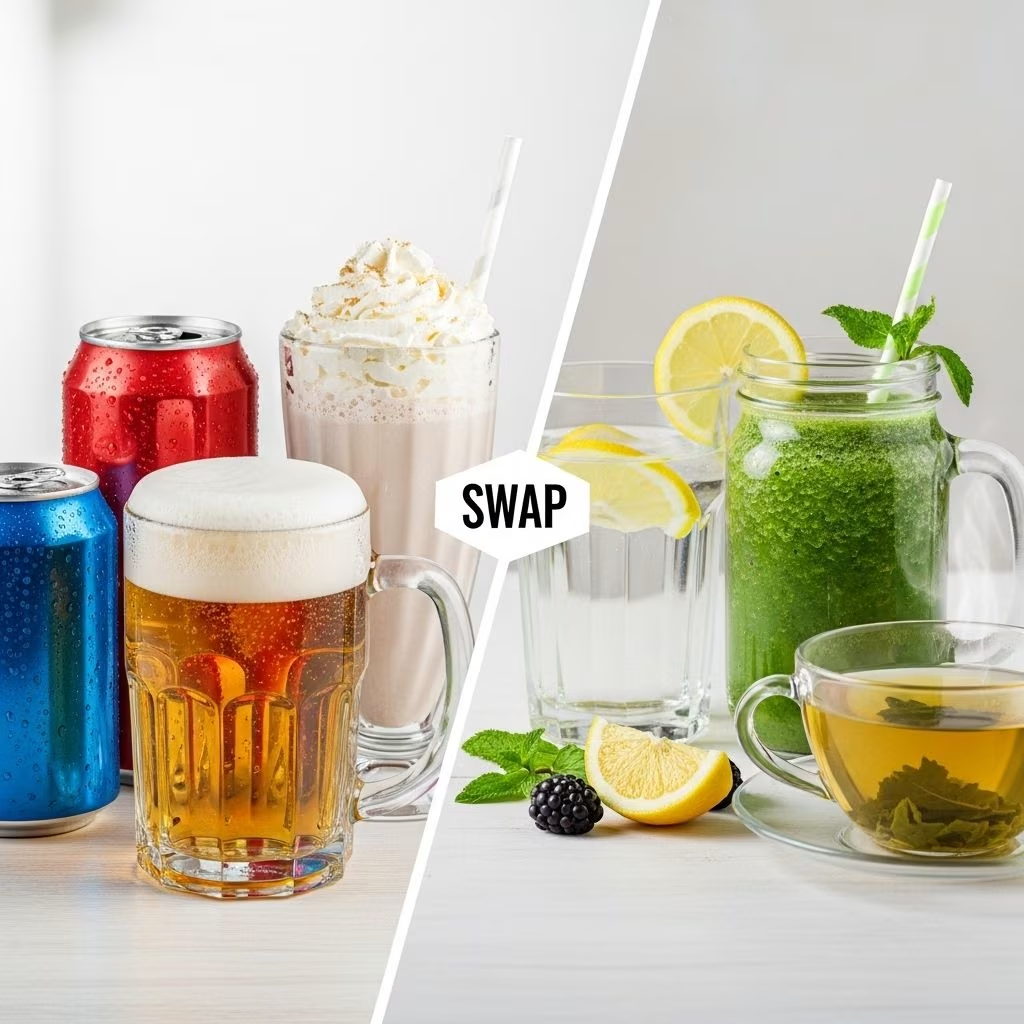
Week 6: Drink to Your Health
Cutting high-calorie drinks is one of the easiest and most effective steps you can take for instant weight loss improvement. Many nutritionists report seeing clients shed up to 20 pounds simply by changing what they drink. The reason is simple: liquid calories—especially those from sweetened drinks—add significant calories to your diet but seldom make you feel full. By shifting away from sodas and artificially flavored juices, which offer little nutritional value, you can immediately reduce excessive sugar and carbohydrate intake, supporting your overall weight loss program.
Why Liquid Calories Sabotage Your Progress
According to recent studies, as much as 20% of daily calories in an average American diet come from “added sugars” found in sweet beverages and treats. Soft drinks are the largest single source. The USDA dietary guidelines recommend reducing added sugars—making sweet drinks the first place to look when overhauling your diet.
- Liquid calories don’t trigger fullness as solid food does; you’ll likely consume extra calories without realizing it.
- Excess sugar from drinks rapidly adds up and can stall weight loss efforts.
- Habitual sweet drink consumption may result in deficiencies in essential nutrients like calcium and folate because sugary beverages frequently replace nutrient-rich foods.
How Much Are Your Drinks Affecting Your Diet?
Shockingly, 10 to 20% of daily calories can come from beverages alone. Common high-calorie drinks include lattes, fruit smoothies, sodas, and energy drinks. Just one coffeehouse latte, a soda at lunch, and a fruit smoothie snack can add up to over 500 calories per day — nearly a quarter of most people’s daily calorie goal!
| Drink | Calories (12oz) | Teaspoons of Sugar |
|---|---|---|
| Plain Water | 0 | 0 |
| Unsweetened Tea | 0 | 0 |
| Lemonade (powder, prepared) | 55 | 3 |
| Sports Drink | 97 | 5 |
| Brewed Sweet Tea | 115 | 7 |
| Energy Drink | 162 | 9 |
| Regular Soda | 155 | 10 |
| Fruit Juice Drink | 186 | 10 |
| Regular Orange Soda | 186 | 13 |
Source: CDC and USDA dietary data
Why Do Sweetened Drinks Hurt Weight Loss?
- Sodas and fruit drinks deliver hundreds of empty calories and excessive sugar with little or no satiety.
- These calories don’t register with your body’s hunger signals, meaning you don’t compensate by eating less.
- Frequent soft drink use is linked with missed intake of crucial vitamins and minerals, including calcium and folate.
- Drinking sugary beverages regularly increases the risk of obesity, type 2 diabetes, heart disease, cavities, and even gout.
How to Break the Habit: Weaning Off High-Calorie Drinks
If you’re ready to cut back, start by identifying which drinks in your daily routine deliver the most calories:
- Soft drinks (regular soda, sweetened carbonated beverages)
- Fruit juices (especially those labeled “fruit drink” or with added sweeteners)
- Flavored coffee beverages (coffee-shop lattes and mochas with syrups)
- Energy and sports drinks
- Alcoholic beverages, including sweet cocktails and beer
Tip: Don’t try to cut everything at once. Pick one or two drinks to swap out each week and replace them with healthier choices.
Step 1: Awareness
- Track everything you drink for a few days. Note calories and sugar content using packaging and nutrition labels.
- For restaurant and coffee shop drinks, look up calories online or ask for ingredient info.
Step 2: Make Smart Swaps
- Choose water as your main beverage. It’s calorie-free and helps with fullness.
- Unsweetened tea and black coffee are zero-calorie options with added antioxidants.
- If you miss flavor, add a splash of lemon, lime, fresh herbs (mint, basil), or even a few crushed berries.
- Try making your own “spa water” with sliced cucumber, citrus, or ginger.
- If you drink milk, opt for low-fat dairy or fortified soy milk to get calcium and protein without excessive sugar or fat.
What to Drink Instead: Healthier Choices for Weight Loss
Not all drinks work against your weight loss goals. Some can actually support you:
- Water: The ultimate thirst-quencher, calorie-free, and can help you feel fuller when consumed before meals.
- Unsweetened tea: Provides antioxidants, supports metabolism, zero calories if unflavored.
- Black coffee: Minimal calories, may offer a slight metabolism boost. Avoid excessive sugar or syrups.
- Low-fat milk or soy milk: Good source of calcium and protein; steer clear of sweetened versions.
- Vegetable juices: Tomato, orange, or Concord grape juices (100% juice, no sugar added) deliver antioxidants and nutrients. Limit quantities due to natural sugars.
Expert tip: Cutting 200 liquid calories per day could result in up to 20 lbs. weight loss per year—without you feeling hungry or deprived.
Common Pitfalls to Avoid
- Specialty diet drinks: Shakes or beverages claiming rapid weight-loss often contain poorly regulated ingredients and added sugar. Focus on whole foods and transparent nutrition labels.
- Alcohol: Even moderate drinking adds empty calories and may stimulate increased appetite.
- “Light” drinks: Some low-calorie beverages still pack artificial sweeteners and chemicals; review the ingredient list carefully.
- Fruit juices: Even natural juice concentrates are loaded with sugars. Favor whole fruit over juice when possible for fiber and fullness.
Immediate Benefits of Drinking Better
- Calories from drinks drop quickly, reducing total daily intake.
- Within days, you may feel less bloated and more energetic.
- Consuming less sugar can stabilize blood sugar and reduce cravings.
The Long-Term Impact
- Yearly weight loss: Cutting just one regular soda daily can result in an estimated 12-15 lbs lost over 12 months.
- Better nutrition: Swapping sweet drinks for nutrient-rich fluids—like milk or tomato juice—provides essential vitamins and minerals.
- Reduced risk: Lower rates of obesity, diabetes, and heart disease among people who avoid sugar-sweetened drinks.
Frequently Asked Questions (FAQs)
Q: Are “diet” sodas a safe alternative to regular soda?
A: Diet sodas contain few to zero calories, but their artificial sweeteners may affect appetite and cravings, sometimes leading to higher overall calorie intake. They are better than sugared soda, but experts often recommend water, unsweetened tea, or black coffee as the best alternatives.
Q: How fast will I see results after cutting sweet drinks?
A: Many people notice reduced bloating and gradual weight loss within the first weeks. Sustained swaps can bring dramatic health and weight changes over a year.
Q: Can milk, juice, or smoothies be included in a healthy weight loss program?
A: Yes, but choose low-fat, unsweetened varieties and monitor portion sizes. Prioritize whole fruits over juice, and opt for smoothies with healthy ingredients—like leafy greens, berries, and unsweetened milk alternatives.
Q: What about energy and sports drinks?
A: These can be high in sugar and calories; they are generally unnecessary unless you’re performing prolonged, strenuous exercise. Hydrate instead with water or unsweetened tea.
Q: What should I drink if water feels boring?
- Add slices of lemon, lime, cucumber, or fresh berries to boost flavor.
- Try herbal teas—hot or iced—for variety without added calories.
- Infuse water with fresh herbs like mint, basil, or rosemary.
Expert Strategies for Success
- Pre-portion drinks so you’re not surprised by extra calories.
- Enjoy sparkling water with a splash of juice for taste with half the sugar.
- Keep a refillable water bottle handy to stay on track throughout the day.
- Pin your week’s beverage goals on your fridge to revisit them and motivate yourself daily.
Pin This Plan on Your Fridge: Your Weekly Beverage Swap Guide
- Monday: Track all beverages, noting calories and sugar. Identify your highest-calorie offender.
- Tuesday: Replace one sweet drink with water or unsweetened tea.
- Wednesday: Add lemon or lime to water for flavor. Sip black coffee instead of creamy lattes.
- Thursday: Experiment with spa water (fruit/herb infusions).
- Friday: Enjoy a homemade smoothie with leafy greens and unsweetened milk or yogurt.
- Saturday: Try vegetable juice or low-fat milk; limit portion to 8oz.
- Sunday: Review your progress, reward yourself with a non-food treat, and set new beverage goals for next week.
Resources and Reminders
- Read nutrition labels on all drinks; watch for added sugars.
- Consult your healthcare provider if you have underlying health conditions or are considering supplement-based drinks.
- Join a healthy eating program or support group for accountability.
Remember: Small, sustainable changes in your drinking habits can have a powerful effect on your long-term weight loss and overall health.
References
- https://www.prevention.com/weight-loss/a20452814/weight-loss-program-drinks-calories/
- https://www.prevention.com/weight-loss/a20451522/weight-loss-drinks-and-calories/
- https://www.prevention.com/weight-loss/g30519562/weight-loss-drinks/
- https://www.cdc.gov/healthy-weight-growth/rethink-your-drink/
- https://www.prevention.com/weight-loss/g20515243/drinking-water-helps-weight-loss/
- https://www.prevention.com/weight-loss/a20465664/calories-food-and-drinks/
- https://www.prevention.com/weight-loss/a20427993/drinks/
- https://www.prevention.com/weight-loss/
- https://www.prevention.com/weight-loss/a30188568/lose-weight-without-exercise-0/
- https://www.prevention.com/weight-loss/diets/a60578947/how-to-lose-weight-fast-safely/


