


Low-Fat vs. Low-Carb Diets: Which Works Best for Weight Loss?
When it comes to shedding pounds and improving health, the debate between low-fat and low-carb diets remains at the forefront of nutritional science and public interest. Both approaches claim unique benefits, but which truly supports healthier, lasting weight loss? This article examines the structure, effectiveness, and health outcomes of each diet based on the latest clinical research, with practical advice for making informed dietary choices.
Understanding Low-Fat and Low-Carb Diets
Before choosing a diet, it’s important to understand what each strategy entails—and how they differ in food restrictions, nutrient composition, and metabolic effects.
Low-Carb Diet: Basics and Structure
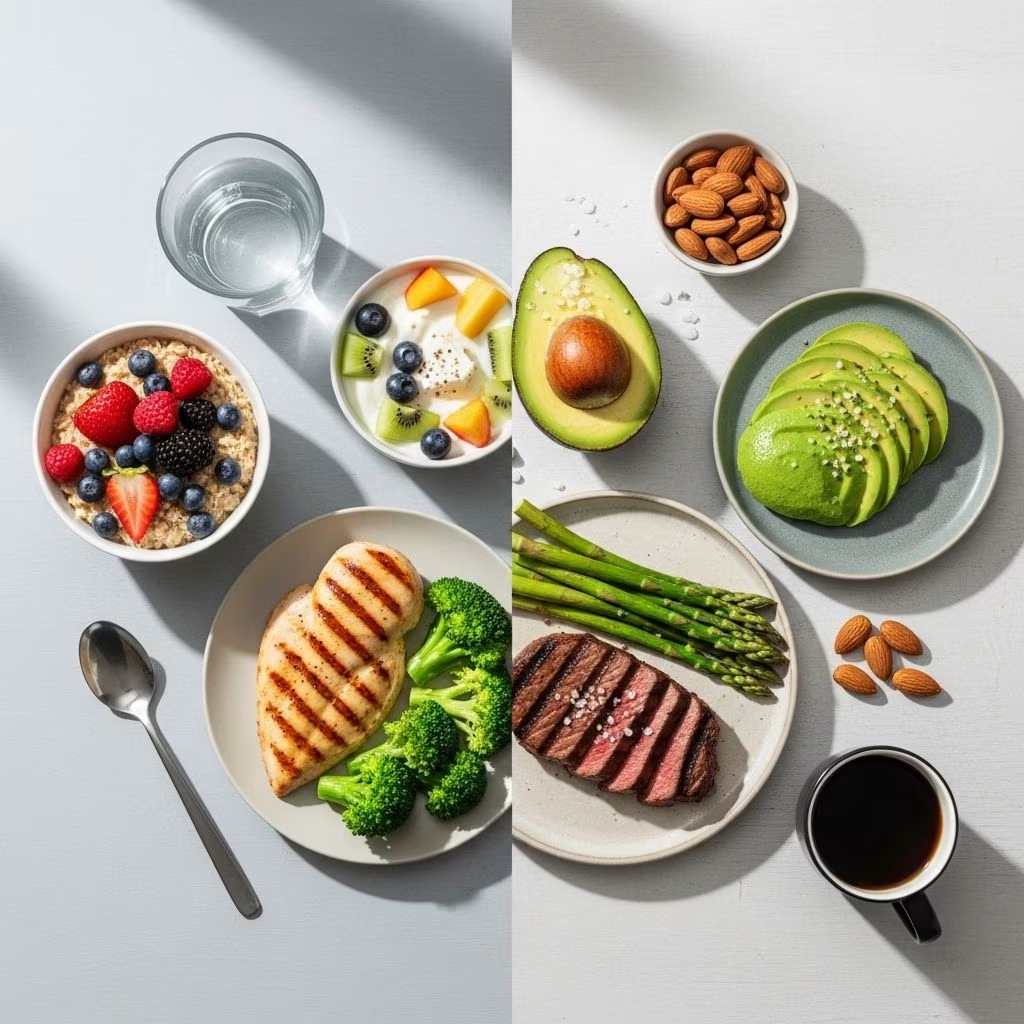
- Carbohydrate Restrictions: Carbs are limited to varying degrees. • Very low carb: Less than 10% of calories (~20–50g per day on a 2,000-calorie diet). • Low carb: Less than 26% of calories (<130g). • Moderate carb: 26–44% of calories.
- Often Ketogenic: Very low carb diets may induce ketosis, prompting the body to use fat for energy.
- Foods Restricted: Sugar-sweetened beverages, sweets, baked goods, grains, starchy vegetables, high-sugar fruits, pasta, and legumes.
- Foods Encouraged: Protein and fat from sources like meat, fish, eggs, nuts, dairy, oils, and non-starchy vegetables.
Low-Fat Diet: Basics and Structure
- Fat Restrictions: Fat intake is limited to under 30% of daily calories.
- Foods Limited/Banned: Cooking oils, butter, nuts, seeds, full-fat dairy, avocados.
- Foods Encouraged: Fruits, vegetables, whole grains, egg whites, legumes, skinless poultry; low-fat dairy, lean meats.
- Watch Out: Some low-fat products (e.g., yogurts) may contain added sugars or artificial sweeteners.
| Aspect | Low-Carb Diet | Low-Fat Diet |
|---|---|---|
| Macronutrient Limit | < 130 g/day carbs | < 30% calories from fat |
| Typical Foods Avoided | Bread, pasta, potatoes, grains | Oils, butter, full-fat dairy, nuts |
| Promoted Foods | Meat, eggs, fish, non-starchy vegetables | Whole grains, fruits, vegetables, lean protein |
Which Diet Is Better for Health?
Comparing the health outcomes of low-fat and low-carb diets requires examining clinical trials and real-world results.
Weight Loss Outcomes
- Short-Term Differences: Multiple studies indicate a low-carb diet is commonly more effective than a low-fat diet for short-term weight loss.
• Example: In a 6-month study of obese individuals, the low-carb group lost over three times as much weight as the low-fat group. - Adolescent Study: Teens lost an average of 21.8 lbs (9.9 kg) on a low-carb diet, compared to 9 lbs (4.1 kg) on low-fat over 12 weeks.
- Meta-Analyses: Reviews of up to 48 studies have found that both approaches result in significant weight loss; however, differences between diets may narrow over time, and adherence may play the key role.
- Long-Term Perspective: After one year or more, research suggests both diets can yield similar weight loss outcomes if caloric intake is controlled and adherence remains high.
Body Composition, Fat Loss, and Muscle Preservation
- Low-Carb Diets: May lead to greater reductions in fat mass and increases in lean mass versus low-fat diets, as indicated in 12-month randomized trials.
- Waist Circumference: Reductions tend to be greater in low-carb diets, indicating loss of visceral fat, which is associated with lower cardiovascular risk.
Cardiometabolic Risk Factors
- Blood Sugar & Insulin: The low-fat diet has been shown to result in higher blood glucose and insulin levels compared to the low-carb diet, which may present a concern for those at risk of type 2 diabetes or metabolic syndrome.
- Cardiovascular Health: Low-carb diets (even high in saturated fat) have shown improved markers in some clinical trials, though longer-term safety remains under investigation.
What Do Real-World Diet Trials Tell Us?
In tightly controlled settings—where all meals are provided, calories are matched, and adherence is tracked—direct comparisons offer valuable insights.
- Meal-Provided Trials: In studies where meals were carefully prepared and tailored to individual caloric needs, low-carb diets not only reduced weight more effectively but also showed better outcomes for cardio-metabolic risk, regardless of higher saturated fat content.
- Appetite & Satiety: In NIH-funded research, participants ate 550-700 fewer calories per day on a low-fat, plant-based diet (without feeling hungrier), but only the low-fat diet led to significant body fat loss over short periods.
Diet Adherence: The Critical Factor for Success
Meta-analyses reveal that the most important predictor of diet-induced weight loss is adherence—the ability to sustain the prescribed eating pattern over time, regardless of macronutrient composition.
- Sustainability: People tend to see greater weight loss when they stick to their chosen diet, whether low-fat or low-carb.
- Flexibility: Long-term success is closely linked to how well a diet fits into an individual’s tastes, lifestyle, and social environment.
- Food Preferences: Consider personal likes/dislikes and food access when choosing the most sustainable plan.
Choosing the Right Diet for You: Factors to Consider
While both approaches can be effective, individual needs and medical circumstances should guide the choice.
- Medical Conditions: Consult your healthcare provider, especially if you have diabetes, kidney disease, or history of cardiovascular concerns.
- Dietary Preferences: Select a diet you enjoy; restrictive plans lower long-term adherence.
- Nutrient Balance: Prioritize whole, nutrient-rich foods regardless of macronutrient restrictions.
- Social & Environmental Factors: Account for food cost, availability, and meal prep time.
Practical Tips for Success on Any Diet
- Plan Meals Ahead: Reduces temptation and improves adherence.
- Read Labels: Hidden sugars and fats in processed foods can undermine progress.
- Focus on Quality: Emphasize unprocessed, whole foods.
- Monitor Progress: Track weight, measurements, and how you feel.
- Be Patient: Significant, healthy weight loss takes time.
Frequently Asked Questions (FAQs)
Q: Is one diet better than the other for rapid weight loss?
A: Clinical trials suggest low-carb diets often produce faster initial weight loss, but differences may even out over the long term if calories are matched and both diets are adhered to.
Q: Are there risks to long-term low-carb or low-fat dieting?
A: Very low carb diets may increase saturated fat intake, affecting cholesterol profiles; low-fat diets sometimes raise blood sugar. Individual risk depends on health status and how the diet is implemented.
Q: Can both diets help with diabetes management?
A: Low-carb diets often lead to lower and more stable blood sugar levels, while low-fat diets may increase glucose, particularly if high-carb foods are used. Always consult a physician for diabetes management.
Q: How do I know if I’m getting enough nutrients?
A: Focus on variety: include vegetables, lean proteins, healthy fats, and whole grains, and avoid highly processed foods regardless of diet.
Q: What’s more important—macronutrients or calorie control?
A: While macronutrient ratios influence metabolism and satiety, total calorie intake is the critical factor for weight management. Both diets can work if calories are monitored and adherence is high.
Key Takeaways: Low-Fat vs. Low-Carb at a Glance
- Both diets can produce weight loss; the key is consistency and adherence.
- Low-carb diets: Faster initial fat loss and potential benefits for glucose control.
- Low-fat diets: May curb appetite and result in significant body fat loss in short-term, controlled studies.
- Individual biology, preferences, and context matter more than diet type for long-term success.
Tips for Choosing the Best Diet for You
- Assess your lifestyle—travel, work, family, and social commitments—when choosing a diet.
- Don’t neglect micronutrient intake; focus on quality produce, lean proteins, and healthy fats, not just macronutrient limits.
- If possible, work with a registered dietitian or nutritionist to tailor a plan to your health status and goals.
References
- Clinical trial results from Healthline, NIH, and peer-reviewed journals.
References
- https://www.healthline.com/nutrition/low-carb-low-fat-diet
- https://answers.childrenshospital.org/low-carb-diet/
- https://www.nih.gov/news-events/nih-research-matters/low-fat-diet-compared-low-carb-diet
- https://pmc.ncbi.nlm.nih.gov/articles/PMC4428290/
- https://www.health.harvard.edu/staying-healthy/low-fat-low-carb-or-mediterranean-which-diet-is-right-for-you
- https://www.frontiersin.org/journals/nutrition/articles/10.3389/fnut.2022.935234/full
- https://med.stanford.edu/news/all-news/2018/02/low-fat-or-low-carb-its-a-draw-study-finds.html
- https://jamanetwork.com/journals/jama/fullarticle/2673150


