


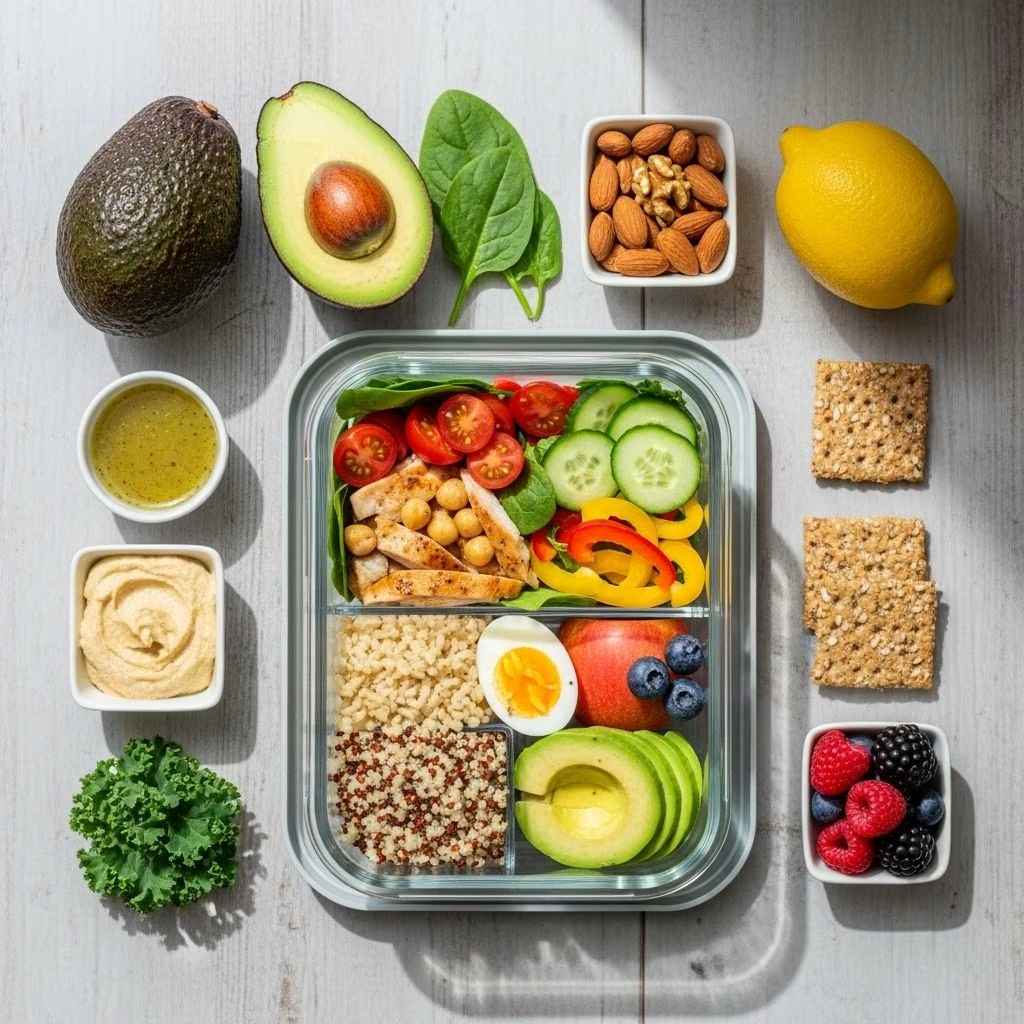
In the busy world of meetings, deadlines, and endless to-do lists, eating a healthy lunch often feels like a luxury—one that inevitably drops to the bottom of our priorities. However, establishing the habit of preparing nutritious, filling lunches is a critical step not only for supporting weight loss, but also for maintaining steady energy, mood, and focus throughout the day. This comprehensive guide will explore why lunch matters, expert strategies for meal planning, how to build a balanced midday plate, practical tips for making it work even on your busiest days, and a host of simple and delicious lunch ideas you can start using immediately.
Why Lunch Matters in Weight Loss
Lunch isn’t just another meal—it’s a crucial opportunity to nourish your body, fuel your afternoon, and set the tone for your eating habits later in the day. Skipping lunch or defaulting to calorie-dense but nutrient-poor takeout fare can lead to low energy, reduced productivity, and the tendency to overeat at dinner or snack excessively in the afternoon. As nutritionist Cynthia Sass, RD, MPH, explains: “A lot of people tend to overeat at dinner because they do not eat enough during the day. Getting in the habit of eating an adequate lunch can help you control your calorie intake.”
- Skipping lunch: often leads to a drop in energy and increased hunger later, raising the likelihood of poor food choices in the afternoon or evening.
- Buying last-minute lunches: from vending machines, delis, or fast food joints typically means added calories, sodium, and less fiber or quality nutrition.
- Packing your own lunch: puts you in control, helping you navigate away from empty calories and focus on foods that will actually help you lose weight and feel good.
The Building Blocks of a Healthy Lunch
Designing a healthy lunch requires more than just calorie-counting. The goal is to create a balanced meal that tastes good, keeps you satisfied, and provides a stable release of energy. According to registered dietitians and experts, these are the essential nutrients and food groups to include:
- Vegetables and Fruits: Aim for at least half your plate to be produce. These foods are high in fiber and water, which keep you feeling full with fewer calories.
- Lean Protein: This can be found in poultry, fish, eggs, tofu, beans, lentils, and low-fat dairy. Protein reduces hunger hormones and supports muscle mass.
- Healthy Fats: Heart-healthy fats like those in avocado, nuts, seeds, and olive oil improve satisfaction and help you absorb vitamins.
- Whole Grains or Starchy Vegetables: Brown rice, quinoa, whole wheat bread, or sweet potatoes provide complex carbs and steady energy. Beans can count as both a protein and a starch.
| Food Group | Examples | Benefits |
|---|---|---|
| Vegetables & Fruits | Salad greens, tomatoes, peppers, berries | Fiber-rich, low in calories, boost fullness |
| Lean Protein | Chicken, tofu, lentils, tuna, eggs | Builds muscle, curbs hunger |
| Healthy Fats | Avocado, nuts, seeds, olive oil | Improves satisfaction, heart health |
| Whole Grains / Starch | Quinoa, brown rice, whole wheat wraps | Complex carbs for lasting energy |
Strategies for Building a Weight Loss Lunch
Contrary to what fad diets suggest, an effective lunch for weight loss doesn’t have to be boring, tiny, or depriving. Registered Dietitian Andrea Mathis, author of The Complete Book of Smoothies, recommends focusing on meals that are nutrient-dense and satisfying, making it easy to enjoy eating well.
- Include foods you enjoy: If you don’t look forward to your lunch, you’re less likely to stick with healthy habits and more likely to snack later.
- Prioritize preparation: Reserve time during the week to meal-prep lunches, or prepare your lunch the night before.
- Habit stacking: Try prepping lunch right after dinner, or another activity you already do daily, so it becomes part of your routine.
- Set realistic goals: Keep methods and meal ideas simple and achievable to avoid getting discouraged.
Lunch Plate Rule of Thumb
According to Prevention’s expert guidelines, use an 8-inch luncheon plate and visualize the following portions:
- ½ of the plate: Vegetables and/or fruits
- ¼ of the plate: Lean protein source
- ¼ of the plate: Whole grains or starchy vegetables
Sample Healthy and Satisfying Lunch Combinations
Here are practical lunch ideas that follow expert-backed guidelines for fullness, flavor, and nutrition:
- Lean sandwich with greens: Two to three slices of lean turkey or chicken, veggies, and whole-grain bread, plus a salad or fruit.
- Veggie-rich soup and a side: Black bean, lentil, or veggie soup with a salad or fruit cup.
- Baked potato bowl: Top with steamed broccoli and reduced-fat cheese, and add a side salad or fruit.
- Big salad with protein: Salad greens, colorful veggies, grilled chicken or beans, and a slice of whole-grain bread.
- Bean-and-chicken burrito: Fill a whole wheat tortilla with beans, grilled chicken, and lots of veggies; serve with a fruit salad.
Easy Mix-and-Match Lunch Formula
Try combining one element from each of the categories below for endless healthy lunch possibilities:
- Protein: Chicken, tuna, turkey, beans, eggs, tofu
- Veggies: Spinach, kale, tomatoes, cucumbers, carrots, peppers
- Healthy Fats: Avocado, nuts, seeds, olive oil dressing
- Whole Grain/Starch: Brown rice, quinoa, whole wheat bread, sweet potato
- Fruit: Apple, orange, berries
Meal Prep and Planning Tips for Success
Meal prepping nutritious lunches is one of the most effective ways to stay on track with your weight loss goals. Here are some tips from experts and real-world success stories:
- Set aside specific prep time: Choose one or two days a week to batch-cook proteins, grains, and veggies for grab-and-go lunches.
- Use convenient containers: Invest in quality containers that make it easy to store and transport pre-portioned meals.
- Keep a running grocery list: Make sure you always have key ingredients so you can assemble lunches quickly.
- Double up on dinner: Cook extra portions at dinner to use as tomorrow’s lunch.
- Embrace no-cook options: Salads, wraps, and grain bowls don’t require reheating; perfect for busy days.
Quick and Nutritious Lunch Recipes to Try
Using the principles above, here are some tasty meal inspirations:
- Herbed Shrimp and Cabbage Roll-Ups: High in lean protein and fiber, fill steamed cabbage leaves with shrimp, herbs, and a bit of quinoa.
- Chipotle Chicken Fajitas: Sauté chicken with peppers, onions, and spices for a flavorful wrap.
- Fiery Black Bean Soup: Packed with fiber and plant-based protein, serve with avocado on top.
- Thai Turkey Lettuce Wraps: Use lean ground turkey with ginger, garlic, and plenty of vegetables inside crisp lettuce leaves.
- Mixed Salad with Grilled Salmon and Quinoa: Add cherry tomatoes, cucumbers, and a lemon-vinaigrette.
How to Stick With Healthy Lunch Habits
Even with the best intentions, mid-day routines can be derailed. Here’s how to remain consistent with your healthy lunch plan:
- Know your triggers: Do you grab unhealthy options when rushed or stressed? Anticipate those moments and prep a back-up meal.
- Celebrate small wins: Did you bring lunch to work three days this week? That’s progress; keep building on it.
- Vary your menu: Rotate proteins, grains, veggies, and seasonings to avoid getting bored.
- Enlist support: If possible, involve friends, colleagues, or family members in lunch prep or share your goals.
Frequently Asked Questions (FAQs)
Q: Is it better to skip lunch if I’m not hungry during weight loss?
A: Experts discourage skipping lunch. Even if your hunger is low, a modest balanced meal can prevent evening overeating and help regulate energy throughout your day.
Q: What’s the best way to portion a healthy lunch?
A: Fill half your plate with vegetables or fruit, a quarter with lean protein, and a quarter with whole grains or starches. Adjust based on your activity and hunger levels.
Q: Can lunches for weight loss still be satisfying?
A: Yes. Include fiber-rich veggies, protein, and healthy fats for fullness and satisfaction—sacrificing taste isn’t necessary for weight loss success.
Q: How can I make meal prepping easier?
A: Use batch-cooking, keep healthy staples at hand, embrace leftovers, and prep multiple portions at a time to save both effort and time later.
Q: What are quick substitutions for a healthy lunch on extra busy days?
A: Keep ready-to-eat staples such as pre-cooked chicken, hard-boiled eggs, canned beans, salad greens, hummus, fruit, and whole grain wraps for super-fast assembly.
Final Thoughts: The Power of a Purposeful Lunch
Building a habit of eating a nutritious, filling lunch is an investment in your health, productivity, and long-term weight management. By planning ahead and following the expert strategies offered here, you’ll create a foundation for steady progress—without sacrificing flavor or convenience. Whether you’re at home, at the office, or on the move, you can take charge of your midday meal and keep your weight loss goals well within reach.
References
- https://www.prevention.com/food-nutrition/g42100898/lunch-ideas-for-weight-loss/
- https://www.prevention.com/weight-loss/a20427952/diets-and-weight-loss/
- https://www.prevention.com/weight-loss/a20452797/weight-loss-program-healthy-lunch/
- https://www.prevention.com/weight-loss/diets/a20461673/weight-loss-diet-plan-0/
- https://www.prevention.com/weight-loss/a20498403/5-lunch-hacks-for-weight-loss/
- https://www.prevention.com/weight-loss/
- https://www.prevention.com/weight-loss/a20430746/weight-loss-success-stories/
- https://www.prevention.com/weight-loss/g20458643/the-perfect-day-of-eating/
- https://www.prevention.com/weight-loss/diets/a60578947/how-to-lose-weight-fast-safely/
- https://www.prevention.com/weight-loss/g20494462/eating-habits-for-weight-loss/


