


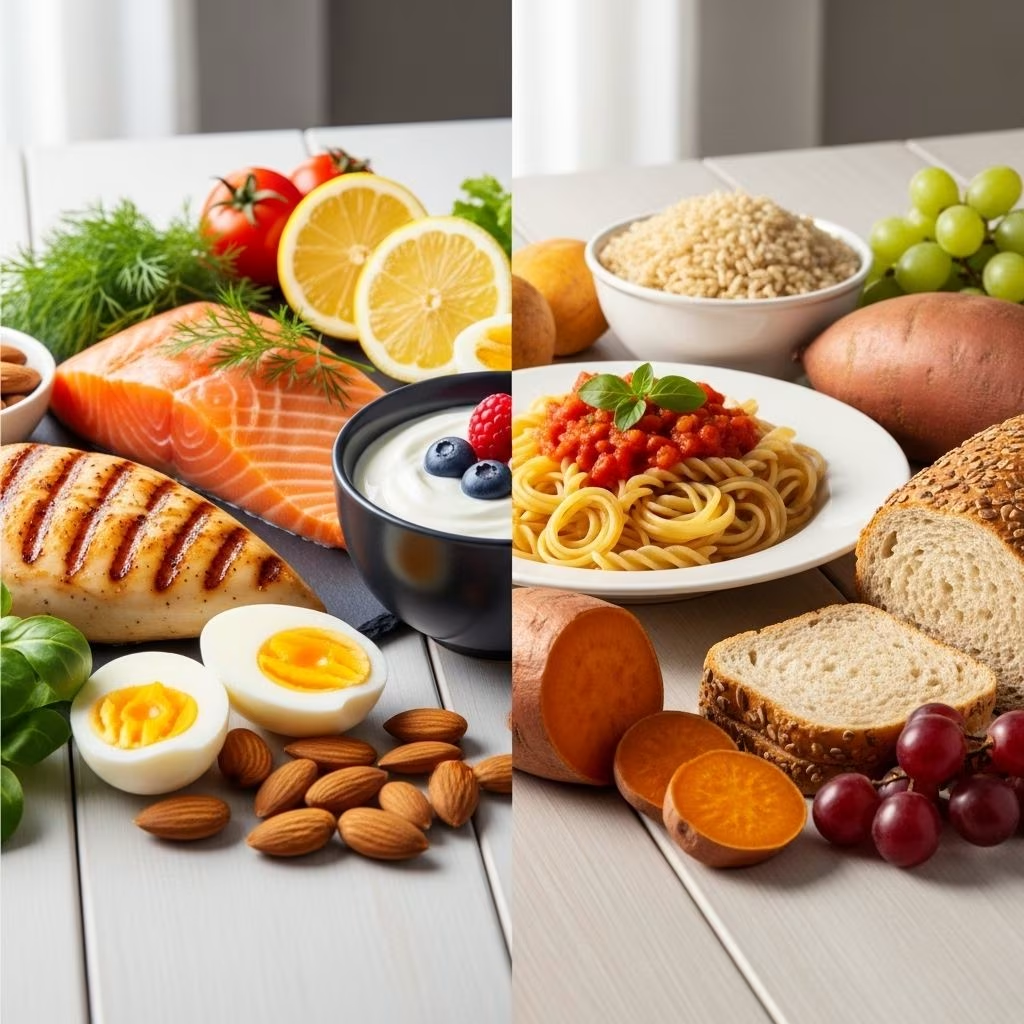
When it comes to losing weight, few debates are as passionate as the one between high-protein and high-carbohydrate (carb) diets. Both approaches attract fierce advocates and a steady stream of scientific research, but is one approach truly superior for weight loss and long-term health? This in-depth guide explores the science, the practical benefits and risks, and how to choose the right strategy for you.
Understanding High-Protein and High-Carb Diets
Before diving into the benefits and drawbacks of each, it’s important to understand what sets high-protein and high-carb diets apart.
What Is a High-Protein Diet?
A high-protein diet typically involves consuming a higher percentage of calories from protein than standard recommendations. While the recommended daily allowance (RDA) for protein is about 46 grams for adult women and 56 grams for men, high-protein diets often provide 30% or more of total daily calories from protein, exceeding 1.2 grams per kilogram of body weight or more. This means someone weighing 68 kg (about 150 lbs) might aim for over 80 grams of protein a day.
- Common protein sources: lean meats, poultry, fish, eggs, dairy, legumes, nuts, and seeds.
- Popular diets: Atkins, Paleo, and certain low-carb/high-protein hybrids.
What Is a High-Carb Diet?
A high-carb diet places a greater emphasis on carbohydrates, typically providing 45–65% of daily calories from carbs (the range recommended by the Dietary Guidelines for Americans). Carbohydrates are the body’s primary energy source.
- Common carb sources: grains (rice, wheat, oats), fruits, vegetables, beans, legumes, starchy foods (potatoes, corn), milk, and yogurt.
- Popular diets: plant-based, traditional Mediterranean, or certain sports nutrition plans.
How Each Diet Influences Weight Loss
Weight loss fundamentally requires a calorie deficit, but the macronutrient composition (protein vs. carbs) can shape metabolism, satiety, muscle mass, and more.
High-Protein Diets and Weight Loss
- Appetite Suppression: Protein helps to increase feelings of fullness, lowers hunger hormones (ghrelin), and boosts appetite-reducing hormones, which can make it easier to eat less.
- Muscle Preservation: Higher protein intake helps preserve lean muscle mass during calorie restriction and may increase muscle mass when combined with resistance training.
- Increased Thermic Effect: The body burns more calories digesting and metabolizing protein than it does carbs or fat.
- Initial Rapid Weight Loss: Low-carb, high-protein diets can cause an initial drop in weight due to water loss when glycogen stores are depleted.
High-Carb Diets and Weight Loss
- Energy for Activity: Carbs are the body’s preferred fuel, especially for moderate and high-intensity exercise, supporting active lifestyles and recovery.
- Nutrient Density: Many high-carb foods are also high in fiber, vitamins, minerals, and antioxidants (fruits, vegetables, whole grains).
- Satiety with Volume: High-fiber carbs can provide fullness with fewer calories, particularly when focusing on whole versus refined carbs.
Comparing the Benefits: High-Protein vs. High-Carb
| Feature | High-Protein Diet | High-Carb Diet |
|---|---|---|
| Satiety | Boosts fullness, reduces appetite | Can provide fullness if fiber-rich |
| Muscle Mass | Helps preserve/build muscle | Risk of muscle loss if protein is too low |
| Weight Loss | Reduces cravings, may increase calorie burn | Effective if calorie deficit is present, supports active populations |
| Blood Sugar Control | Improves glycemic control for some | Healthy if based on unrefined carbs; can spike if refined |
| Nutrient Intake | May risk missing nutrients if carbs are severely limited | High in vitamins, minerals, fiber |
| Sustainability | Challenging for some over long-term | Highly sustainable if balanced |
What Does the Science Say?
Research Findings on High-Protein Diets
Studies indicate that high-protein diets can lead to comparable or slightly greater weight loss over periods of 6 to 12 months versus high-carb diets, especially in overweight and obese adults. Key findings include:
- Body Composition: High-protein intake preserves lean muscle mass, which is linked to higher metabolic rate.
- Blood Sugar & Insulin: High-protein, low-carb diets can improve blood glucose control, especially in individuals with insulin resistance or prediabetes.
- Lipid Profile: There’s mixed evidence; some see improvements in HDL (“good”) cholesterol and triglycerides, while some experience increased LDL (“bad”) cholesterol depending on fat/protein sources.
Research Findings on High-Carb Diets
- Long-Term Outcomes: Diets high in whole, unprocessed carbs (think whole grains, fruits, and vegetables) are associated with weight maintenance, heart health, and reduced risk of chronic disease.
- Physical Performance: Endurance athletes and those with highly active lifestyles often benefit from higher carb intake for performance and recovery.
- Gut Health: Fiber-rich carb sources support gut microbiota, digestion, and regularity.
Potential Risks and Drawbacks
Risks of High-Protein Diets
- Kidney Stress: Those with pre-existing kidney conditions should avoid high-protein diets as they can increase kidney workload.
- Heart Health: Diets high in red and processed meats may raise cholesterol and heart disease risk; opt for lean or plant-based proteins.
- Calcium Loss: Some studies suggest higher calcium loss through urine, raising the risk for osteoporosis and kidney stones in susceptible individuals.
- Nutrient Deficiencies: Severely restricting carbs can mean missing out on important micronutrients present in whole grains, fruits, and vegetables.
Risks of High-Carb Diets
- Weight Gain: Diets high in refined carbs and sugars can lead to blood sugar spikes, increased hunger, fat gain, and increased risk of Type 2 diabetes.
- Nutrient Imbalance: Relying on high-glycemic (rapidly absorbed) carbs may crowd out protein and healthy fats, impacting satiety and muscle health.
Real-World Considerations
Is One Diet Clearly Better?
The answer remains: It depends on the individual. Both diet types can produce weight loss if calorie deficit is maintained. However, the best diet is the one you can sustain, meets your energy and nutritional needs, and supports your health goals.
- People with kidney conditions should avoid very high protein intake.
- Highly physically active individuals may prefer higher carbs for optimal performance.
- Those seeking to reduce appetite and preserve muscle mass during weight loss may opt for more protein.
- Balanced diets, including lean proteins, fiber-rich carbs, and healthy fats, are associated with the best overall health outcomes.
What About Low-Carb, High-Protein Diets?
Diets that combine low carbs and high protein, like the Atkins and some ketogenic diets, can offer rapid weight loss but carry higher risk of nutrient deficiencies and may be hard to maintain. They can be effective for short periods under professional guidance, especially for those with metabolic issues, but should prioritize lean protein and non-starchy vegetables to minimize risk.
What Should You Eat?
Regardless of which diet you lean toward, food quality matters. Emphasize whole, minimally-processed foods and avoid extremes.
High-Protein Foods
- Lean meats: chicken breast, turkey, lean beef
- Fish and seafood
- Eggs
- Low-fat dairy: Greek yogurt, cottage cheese
- Legumes: lentils, chickpeas, beans
- Tofu, tempeh, and plant-based protein
Healthy Carbohydrate Sources
- Fruits: berries, apples, pears, bananas
- Vegetables: leafy greens, broccoli, carrots
- Whole grains: oats, quinoa, brown rice
- Beans and lentils
- Starchy roots: sweet potato, squash, beets
Sample Meal Plans
Sample High-Protein, Moderate-Carb Day
- Breakfast: Greek yogurt with almonds and berries
- Lunch: Grilled chicken salad with greens, cherry tomatoes, and vinaigrette
- Snack: Low-fat cottage cheese
- Dinner: Salmon fillet with roasted broccoli and quinoa
Sample High-Carb, Moderate-Protein Day
- Breakfast: Oatmeal topped with banana and walnuts
- Lunch: Lentil soup with whole-wheat roll
- Snack: Apple slices with peanut butter
- Dinner: Brown rice and vegetable stir-fry with tofu
Expert Advice: How to Decide?
- Consult a Professional: A registered dietitian or nutritionist can help tailor a plan that considers your health status, activity level, and preferences.
- Trial and Adjust: Monitor your energy, mood, performance, and weight. Adjust based on satiety signals and results.
- Don’t Fear Carbs or Protein: Most experts agree that balance, variety, and food quality are more important than strict macronutrient ratios.
Frequently Asked Questions (FAQs)
Q: Does eating more protein help you lose weight faster?
A: Increased protein intake can help suppress appetite, making calorie restriction easier. It also helps preserve muscle mass during weight loss, which can elevate metabolism.
Q: Can a high-carb diet be healthy?
A: Yes, if the carbohydrates come primarily from whole grains, fruits, vegetables, and legumes. Highly processed and sugary carbs can have the opposite effect.
Q: Are high-protein diets safe for everyone?
A: People with existing kidney disease should avoid high-protein diets. Most healthy adults can safely consume a higher protein diet, but it’s wise to consult a healthcare provider, especially for long-term adherence.
Q: What is the main drawback of cutting out carbs?
A: Severely limiting carbs can cause fatigue, dizziness, constipation, and nutrient deficiencies—especially in fiber, vitamins, and minerals commonly found in carb-rich foods.
Q: What is more important—macronutrient ratio or total calories?
A: Total calorie intake drives weight loss, but macronutrient ratios can influence how full you feel, your energy, body composition, and sustainability of the diet.
References
ClassPass Blog: “Is a Low Carb Diet or a High Protein Diet Better for You?”
WebMD: “Low-Carb, High-Protein Diets: Risks (Ketosis) and Benefits”
Healthline: “High Protein, Low Carb Diet: A Complete Guide”
References
- https://classpass.com/blog/which-wins-wednesday-low-carb-vs-high-protein-diet/
- https://www.webmd.com/diet/high-protein-low-carbohydrate-diets
- https://www.healthline.com/nutrition/high-protein-low-carb-diet
- https://pmc.ncbi.nlm.nih.gov/articles/PMC3687312/
- https://pmc.ncbi.nlm.nih.gov/articles/PMC2763382/
- https://www.nature.com/articles/nutd201211
- https://www.mayoclinic.org/healthy-lifestyle/nutrition-and-healthy-eating/expert-answers/high-protein-diets/faq-20058207


