


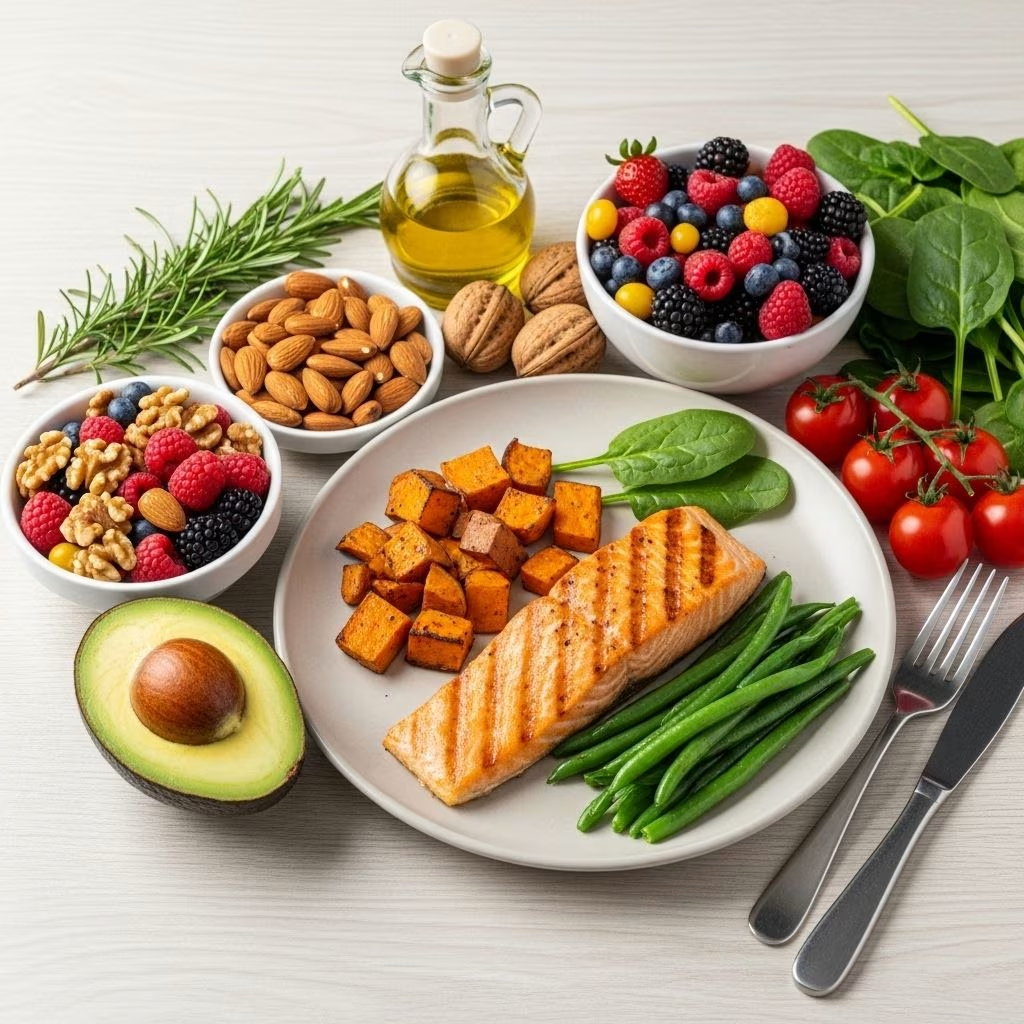
Curious about the Whole30 diet and wondering how to get started? The Whole30 program is a 30-day elimination diet that aims to reset your body and your relationship with food by removing potential problem foods. Whether your motivation is weight loss, uncovering food sensitivities, or simply a nutritional reboot, this comprehensive guide will walk you through everything you need to know for a successful Whole30 journey—from the rules and allowed foods to a full meal plan and practical tips.
What Is the Whole30 Diet?
The Whole30 diet is a strict, 30-day elimination program created in 2009 by two sports nutritionists. Its core goal is to help participants reset their metabolism, identify potential food sensitivities, and create a healthier relationship with food.
For a month, you abstain from foods that may cause inflammation, digestive issues, or hormonal imbalance, including added sugars, grains, legumes, dairy, and alcohol. After 30 days, you slowly reintroduce these foods to observe their effects.
- No calorie counting: Eat unrestricted portions of approved foods.
- No weighing in: Outside of days 1 and 30, avoid the scale to focus on non-scale victories.
- Strict adherence: Slips require starting over for a true elimination effect.
Original Whole30 Program Rules
To gain the full benefits of the Whole30, you must follow a set of clearly defined rules for 30 consecutive days without exception. Here’s what you absolutely must avoid and what you’re perfect free to eat:
Foods to Eliminate Completely
- Added sugar of any kind (white sugar, honey, maple syrup, coconut sugar, agave, date syrup, etc.)
- Alcohol (including for cooking; all forms strictly forbidden)
- Grains (wheat, rice, oats, corn, quinoa, millet, bulgur, amaranth, buckwheat, etc.)
- Legumes (beans, peanuts, peas, lentils, soy foods, and all forms—even peanut butter and soy sauce)
- Dairy (all cow, goat, and sheep milk products except clarified butter or ghee)
- Baked goods, junk food, or treats (including “Paleo-ized” versions made with compliant ingredients; no pancakes, muffins, or cookies even if technically Whole30 approved)
Avoid these foods for the entire 30 days to promote true elimination and accurate reintroduction.
Allowed Foods on the Whole30 Diet
- Meat, poultry, and seafood (unprocessed, no added sugar or non-compliant preservatives)
- Eggs
- Vegetables (potatoes are allowed)
- Fruit (enjoy, but don’t use as a replacement for dessert)
- Nuts and seeds (except peanuts, which are a legume; watch for added sugars or oils)
- Natural fats (olive oil, coconut oil, avocado oil, ghee, clarified butter)
- Herbs, spices, and seasonings (check labels for hidden off-plan ingredients)
The emphasis is on real, whole foods. The fewer ingredients, the better.
How Does the Whole30 Work?
The program is divided into two main phases:
- Elimination Phase (Days 1–30): Strictly avoid all restricted foods. Track your experiences; pay attention to energy, mood, digestion, cravings, and other well-being markers.
- Reintroduction Phase (Days 31+): Systematically bring back one food group at a time to observe how your body reacts. This helps you identify specific triggers or sensitivities.
Success requires strict compliance. Any slip during the elimination phase restarts the 30-day clock, so be prepared and committed.
Whole30: Foods List Table
| Allowed Foods | Foods to Avoid |
|---|---|
| Meat, poultry, seafood, eggs | All grains: wheat, oats, rice, corn |
| Fresh and cooked vegetables (including potatoes) | Legumes: beans, lentils, chickpeas, peanuts |
| Fruits (whole and fresh) | Dairy: milk, cheese, yogurt, cream |
| Natural fats and oils: olive, coconut, avocado, ghee | Added sugar in any form |
| Nuts and seeds, except peanuts | Processed foods, additives, carrageenan, MSG, sulfites |
| Fresh herbs, spices, seasonings | Alcohol (all types, even for cooking) |
| Water, black coffee, tea | Baked goods and desserts (even healthy versions) |
Benefits and Claims of the Whole30 Diet
- Potential weight loss by removing calorie-dense, processed foods.
- Identification of food intolerances or sensitivities.
- Possible improvements in energy, digestion, mood, and sleep.
- Encourages a healthier relationship with food by breaking unhealthy eating habits, like emotional or stress eating.
- For some, may help reduce inflammation and symptoms of certain autoimmune or digestive issues.
Note: While thousands of anecdotal success stories exist, thorough scientific research on the claims is still evolving. Consult a healthcare professional before starting any restrictive diet.
7-Day Whole30 Meal Plan Sample
To help you acclimate to the Whole30 routine, use this sample meal plan. It meets program guidelines and showcases the variety you can enjoy. Adjust protein and veggie sources as preferred.
Day 1
- Breakfast: Three eggs over medium, avocado slices, sautéed spinach.
- Lunch: Roasted turkey slices with red peppers and onions, banana.
- Dinner: Slow-roasted salmon, asparagus.
Day 2
- Breakfast: Strawberry-banana smoothie with chia seeds and almond milk.
- Lunch: Cobb salad with eggs, avocado, and roast beef.
- Dinner: Roasted cauliflower and grilled steak.
Day 3
- Breakfast: Make-ahead egg muffins with veggies.
- Lunch: Spring salad with chicken, almonds, strawberries, and vinaigrette.
- Dinner: Chicken breast braised in tomato sauce with roasted squash.
Day 4
- Breakfast: Fried eggs with roasted red peppers and onions; lime and hot sauce for garnish.
- Lunch: Guacamole with carrot and celery sticks; sautéed turkey slices.
- Dinner: Grilled pork chops with jalapeño poppers (Whole30 compliant).
Day 5
- Breakfast: Fresh berries and half an avocado.
- Lunch: Salmon patties with sautéed spinach.
- Dinner: Chicken curry with cauliflower rice.
Day 6
- Breakfast: Baked avocado halves with eggs, paprika, and chili powder.
- Lunch: Burrito bowl with lettuce, seasoned ground beef, salsa, avocado.
- Dinner: Shrimp cooked in coconut oil with steamed broccoli and carrots.
Day 7
- Breakfast: Scrambled eggs with potato-onion hash.
- Lunch: Sautéed zucchini, spinach, shredded chicken.
- Dinner: Instant pot cashew chicken over sautéed greens.
Feel free to swap ingredients as long as they’re Whole30 compliant. Adjust portions to your hunger, not calorie requirements.
Tips for Whole30 Success
- Read labels carefully: Many foods have hidden sugars, soy, or additives. Verify all packaged food ingredients.
- Meal prep in advance: Batch-cook proteins and veggies to streamline meals.
- Plan for cravings: Stock your kitchen with compliant snacks like hard-boiled eggs, sliced veggies, or fruit for emergencies.
- Stay hydrated: Drink plenty of water to help your body adjust and support digestion.
- Seek support: Consider joining Whole30 communities online or recruiting a friend to do the challenge with you.
- Be patient: The first week may bring withdrawal symptoms or cravings. Energy and mood often improve in weeks two to four.
- Emphasize variety: Rotate proteins, vegetables, and healthy fats to keep meals interesting and nutritionally robust.
Challenges and Drawbacks
- Restrictive nature: Social situations, travel, or dining out can be challenging.
- Potential nutrient gaps: Removing food groups like grains and legumes may reduce certain nutrient intakes; plan for variety.
- Not a long-term diet: Whole30 is designed as a short-term reset, not a lifelong regimen.
- No flexibility: Mistakes require starting over, which can be demotivating.
Always consult your doctor or a registered dietitian before starting, especially if you have underlying health conditions or special dietary needs.
Getting Back on Track If You Slip Up
If you accidentally eat a non-compliant ingredient, ideally you should restart the 30-day cycle. This strictness is necessary for an accurate elimination and proper reintroduction.
Reintroducing Foods After Whole30
Day 31 onward, systematically re-add food groups (one at a time), monitoring for symptoms like digestive upset, mood changes, energy shifts, or skin reactions.
- Add one group (like dairy) in small portions throughout a single day.
- Return to Whole30 for two days before introducing the next food group.
- Track your reactions to learn which foods to limit or avoid in the future.
Frequently Asked Questions (FAQ)
Q: Can I eat out while on Whole30?
A: Yes, but you must be vigilant. Ask about ingredients or request plain grilled proteins and double vegetables. Avoid sauces, dressings, and breadings unless you can confirm they are compliant.
Q: Are potatoes allowed on Whole30?
A: Yes, both white and sweet potatoes are now permitted. Avoid fries or chips made with non-compliant oils.
Q: Is coffee okay on Whole30?
A: Yes, coffee is permitted but must be taken black or with compliant nut milk—no sugar, cream, or non-approved additives.
Q: What if I mess up and eat something off-plan?
A: Strict Whole30 rules require starting over, to ensure a true elimination and accurate results on reintroduction.
Q: Will I lose weight on Whole30?
A: Many people report weight loss, but the primary goal is improved health habits, not just the number on the scale. Weight may fluctuate based on many factors.
Q: Is Whole30 safe long-term?
A: The program is designed for 30 days. It’s not intended as a permanent lifestyle, due to its restrictive nature and exclusion of certain nutritious food groups.
Key Takeaways
- The Whole30 is a strict, yet structured, 30-day elimination diet eliminating sugar, grains, legumes, dairy, alcohol, and processed foods.
- It can help identify sensitivities, break unhealthy habits, and encourage whole-food eating.
- Careful meal planning and commitment are essential for success.
- Always consult a health professional before beginning any restrictive diet.
Ready to try Whole30? Plan, prep, and commit. Use this guide to set yourself up for 30 days of change—and discovery!
References
- https://chomps.com/blogs/nutrition-sustainability-news/whole30-meal-plan-and-menu
- https://www.healthline.com/nutrition/whole-30
- https://carolinechambers.com/uncategorized/2021-3-5-complete-7-day-whole30-meal-plan
- https://whole30.com/original-program-rules/
- https://whole30.com/meals/
- https://blog.nasm.org/whole-30-diet
- https://www.nordictrack.com/learn/whole30-diet-beginners-guide/
- https://whole30.com


