


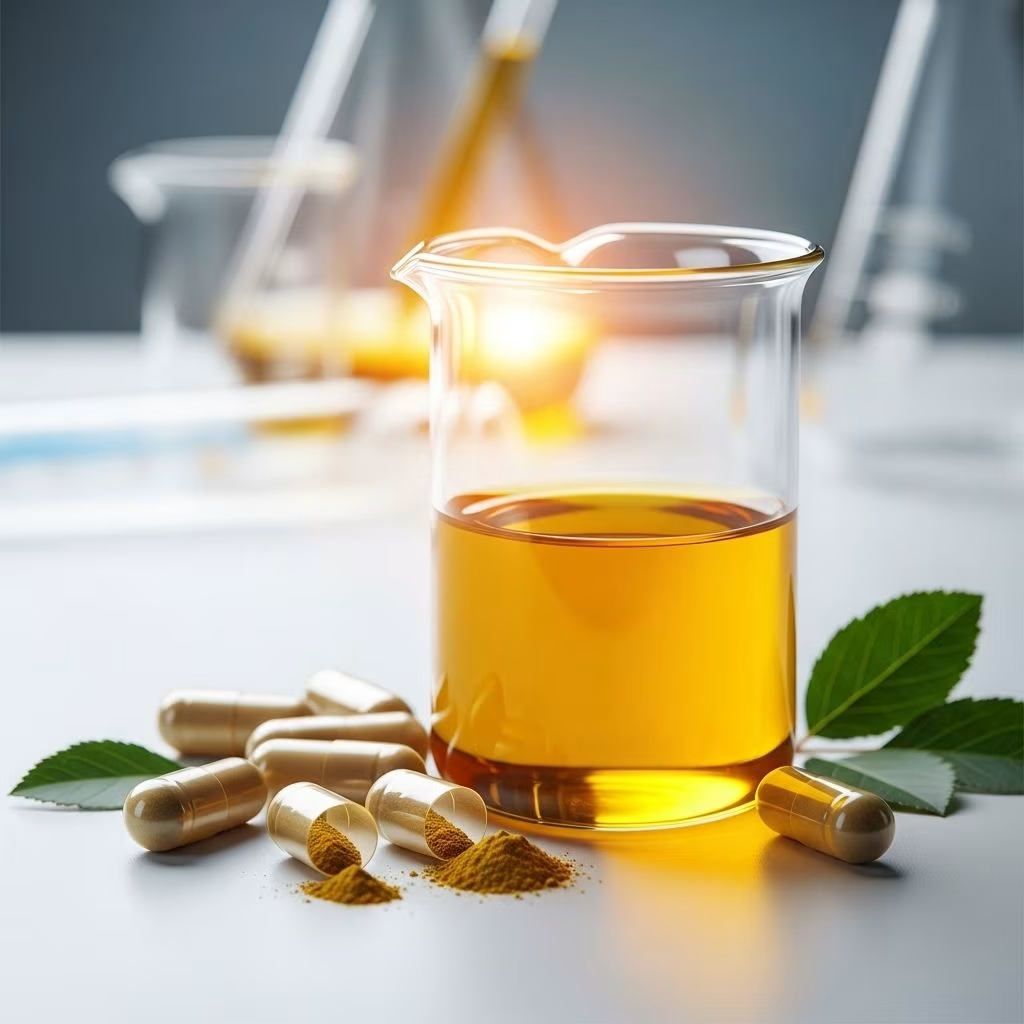
Berberine, an ancient herb used for centuries in traditional medicine, has surged in popularity across social media after being hailed on TikTok as ‘nature’s Ozempic.’ As influencers share dramatic weight loss stories and retailers witness a spike in consumer demand, curious consumers are left asking: Is berberine truly a safe and effective alternative to prescription weight loss medications like Ozempic? Here, we explore the origins of this supplement, scrutinize the science behind its claims, and get expert insight into whether the hype is warranted.
What Is Berberine?
Berberine is a naturally occurring, bright yellow plant compound found in a variety of herbs, notably Oregon grape, barberry, and goldenseal. Traditionally used in both Chinese and Ayurvedic medicine, berberine has been employed to address ailments from infections to digestive disorders. Today, it is commonly available as an over-the-counter dietary supplement, typically sold in capsule form to support metabolic and cardiovascular health.
- Available forms: pill, capsule, powder
- Primary sources: Oregon grape, barberry, goldenseal, and other herbs
- Traditional uses: digestive issues, infections, inflammation
Why Is Berberine Trending as ‘Nature’s Ozempic’?
The phrase ‘nature’s Ozempic’ took off on social media, especially TikTok, with users touting berberine as a natural alternative to revolutionary weight loss drugs like semaglutide (Ozempic). In these viral posts, people claim significant weight loss using berberine, sparking widespread interest and a rush to purchase the supplement. However, this nickname is a misnomer, and understanding the distinction between berberine and Ozempic is crucial.
Social Media Influence
- Influencers documenting rapid weight loss drew massive attention
- Retailers reported increased sales of berberine supplements
- Public interest fueled in part by high-profile shortages and costs associated with prescription drugs like Ozempic
How Does Berberine Work in the Body?
Unlike Ozempic and other GLP-1 agonists, berberine acts through a different biochemical pathway. Its main mechanism is believed to involve the activation of AMP-activated protein kinase (AMPK)—a key enzyme that influences metabolism and energy balance.
- AMPK activation: Increases the body’s fat-burning capacity and influences how cells utilize glucose
- Insulin sensitivity: Berberine may improve how they respond to insulin, aiding glucose control
- Cholesterol and inflammation: Some studies suggest it can reduce cholesterol and markers of inflammation
Berberine and Blood Sugar
Early research and tradition point to berberine’s ability to help lower blood sugar, especially in people with insulin resistance or type 2 diabetes. Its blood sugar-modulating properties have earned it comparisons to pharmaceutical drugs such as metformin, though such comparisons may be premature given the current state of evidence.
Berberine vs. Ozempic and Metformin: How Do They Compare?
Despite widespread references to berberine as ‘nature’s Ozempic,’ the supplements and prescription drugs operate differently, have different efficacy, and are subject to distinct regulatory standards.
| Product | Mechanism of Action | Approved Uses | Evidence for Weight Loss |
|---|---|---|---|
| Berberine | Activates AMPK, improves insulin sensitivity, metabolic regulation | Supplement (not FDA-approved for any medical use) | Modest, preliminary evidence; not as strong as for Rx drugs |
| Ozempic (Semaglutide) | GLP-1 agonist, mimics hormone that suppresses appetite and regulates blood sugar | FDA-approved for type 2 diabetes and chronic weight management | Substantial evidence from large, high-quality clinical trials |
| Metformin | Reduces hepatic glucose production, improves insulin sensitivity | FDA-approved for type 2 diabetes | Robust evidence for blood sugar; mild weight effect |
Key Takeaway: Berberine and Ozempic are not equivalent—Ozempic and similar drugs have undergone rigorous clinical testing and regulatory approval, while berberine’s effects, though potentially beneficial, are far less established.
Does Berberine Help With Weight Loss?
The hype around berberine’s weight loss effects is based on a handful of small-scale studies and years of traditional use, not on the robust, large-scale trials that back up prescription medications.
- A 12-week study found that berberine supplementation led to an average weight loss of about 5 pounds, with a 3.6% reduction in body fat among participants.
- A review of 12 studies found reductions in body weight, body mass index (BMI), belly fat, and C-reactive protein (a marker for inflammation) for those taking berberine.
- Other evidence shows modest effects and points to a need for more robust research.
- Most studies to date have been small and have methodological limitations.
How Effective Is It for Weight Loss?
Most experts agree: Berberine may provide modest weight loss support when combined with healthy lifestyle practices (diet, exercise), but it is not a magic bullet. It tends to support weight loss by:
- Enhancing fat metabolism
- Improving insulin sensitivity
- Possibly reducing fat storage
Other Potential Health Benefits of Berberine
Beyond weight management, berberine is being researched for a variety of potential health effects:
- Lowering blood sugar in pre-diabetic and diabetic individuals
- Reducing cholesterol and triglyceride levels (total cholesterol, LDL, non-HDL)
- Anti-inflammatory effects
- Potential protection against heart disease
While studies suggest promise across these areas, there is no strong consensus, and more research is needed to substantiate clinical benefits.
Is Berberine Safe? Potential Risks and Side Effects
Like all supplements, berberine’s safety profile is an important consideration. While it has a history of traditional use and appears reasonably safe for short-term use in most adults, side effects can occur, especially with higher doses.
- Most common side effects: stomach upset, nausea, diarrhea, constipation
- Can interact with other medications, especially those for blood sugar control or blood pressure
- Not recommended for pregnant or breastfeeding women—the compound may cross the placenta or reach infants through breast milk
- Potential to affect how the liver metabolizes other drugs
As with any supplement, consult with a healthcare provider before starting berberine, especially if you take medication or have a chronic medical condition.
Debunking ‘Nature’s Ozempic’: What Experts Really Say
Many doctors caution against viewing berberine as a direct replacement for Ozempic or any other prescription medication. Although early research is promising, clinical trials have not established berberine as equally effective for weight loss or glucose management as GLP-1 agonists or metformin. The supplement industry is also less tightly regulated than pharmaceuticals, raising issues of product consistency and quality.
- Ozempic and GLP-1 drugs mimic hormones to suppress appetite and stabilize blood sugar
- Berberine acts via metabolic enzyme activation, not appetite suppression
- Berberine is not FDA-approved for any disease treatment or prevention
What to Look For When Choosing a Berberine Supplement
- Pick reputable brands with third-party testing
- Check for purity, potency, and absence of contaminants
- Verify appropriate dosing recommendations (commonly 500mg 2-3 times daily, though this is not universally settled)
- Consult with your doctor first
Safe Use Tips for Berberine
- Start with a low dose to see how you tolerate it
- Monitor for any digestive side effects
- Avoid combining with other blood sugar-lowering medications unless supervised
- Do not use as a substitute for prescribed treatment for obesity, diabetes, or heart disease
Who Should Not Take Berberine?
Berberine may not be suitable for everyone. Avoid if:
- You are pregnant or breastfeeding
- You have low blood pressure or low blood sugar
- You are taking medications with potential interactions (consult your provider)
Expert Opinions: Is the Hype Justified?
- Medical experts generally agree that the ‘Ozempic’ comparison is overstated
- Berberine may be useful as a supplement in some cases, especially for people with insulin resistance, but efficacy is moderate
- No supplement should take the place of lifestyle changes or prescription therapy when needed
- Long-term safety and effectiveness are unclear
What’s Next for Berberine Research?
Researchers are actively studying berberine’s mechanisms and long-term effects. Well-designed, large-scale human trials are needed to confirm any claims about weight loss or chronic disease risk reduction. Until then, caution and skepticism are warranted despite anecdotal hype.
Frequently Asked Questions (FAQs)
Q: Is berberine really like Ozempic?
A: No. Berberine and Ozempic are fundamentally different. Ozempic is a prescription GLP-1 agonist with robust clinical trial support for weight loss and diabetes management. Berberine is a supplement with some evidence for mild benefits but lacks the rigorous data supporting Ozempic.
Q: Can berberine help with weight loss?
A: Some studies suggest berberine may support modest weight loss by enhancing metabolism and improving insulin function. However, the effects are generally mild and best supported alongside diet and exercise.
Q: Is berberine safe for everyone?
A: Berberine has a relatively good safety record when taken short-term by healthy adults but can cause digestive side effects and interact with certain medications. It is not recommended for pregnant or breastfeeding individuals.
Q: Should I switch to berberine instead of my prescribed diabetes or weight loss medication?
A: No. Never replace prescription medications with berberine without consulting a healthcare professional. Its effects are not equivalent, and the regulatory oversight for supplements is less stringent.
Q: What’s the ideal dosage of berberine?
A: Studies commonly use 500mg taken 2-3 times daily, but optimal dosage varies and should be tailored to individual needs and under medical supervision.
Takeaway: Should You Try Berberine?
Berberine can be a complementary tool for some individuals, especially those with metabolic risk factors, but the science does not support its use as a standalone remedy for major weight loss or chronic disease prevention. Before starting any supplement regimen, discuss with a healthcare provider to ensure it fits safely within your overall health strategy. Remember: evidence-based medicine remains the gold standard over viral trends.
References
- https://www.healthline.com/nutrition/berberine-powerful-supplement
- https://www.bswhealth.com/blog/berberine-for-weight-loss-benefits-side-effects-and-what-you-need-to-know
- https://www.webmd.com/obesity/berberine-health-benefits
- https://health.clevelandclinic.org/berberine-for-insulin-resistance-weight-loss
- https://www.nccih.nih.gov/health/berberine-and-weight-loss-what-you-need-to-know
- https://www.health.harvard.edu/staying-healthy/can-berberine-help-me-lose-weight
- https://culinahealth.com/berberine-for-weight-loss/
- https://store.mayoclinic.com/education/what-is-berberine/


