


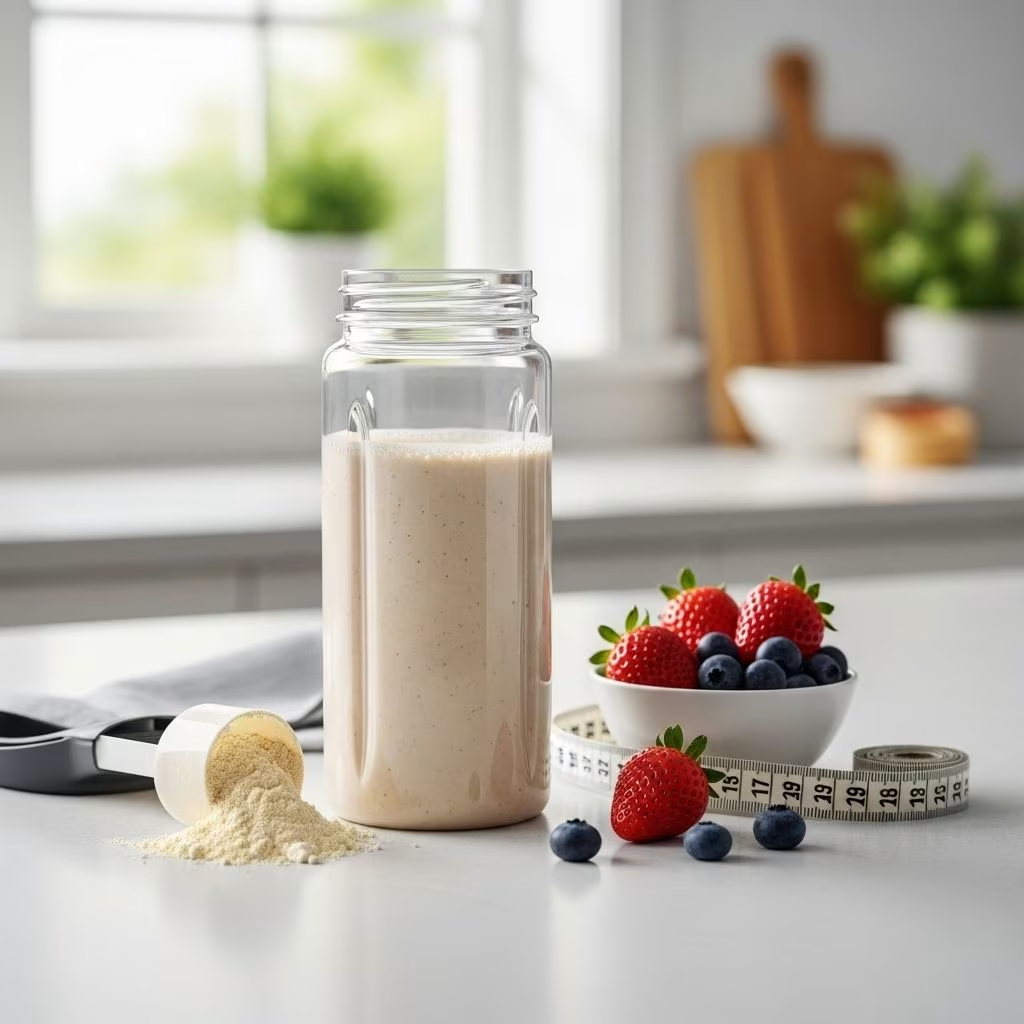
Protein Shakes for Weight Loss: Benefits, Tips, and Expert Guidance
Protein shakes are increasingly popular among those aiming to lose weight, maintain muscle mass, or improve nutrition. Backed by decades of scientific research and used by fitness enthusiasts and dieters alike, protein shakes promise a convenient way to boost protein intake while helping achieve weight loss goals. This article explores the proven benefits, types, timing strategies, and practical considerations for using protein shakes in a healthy, sustainable weight loss plan.
What Are Protein Shakes?
Protein shakes are beverages typically made by blending protein powder with milk, water, plant-based beverages, or other nutritious ingredients. They are designed to supplement dietary protein intake and can be tailored to fit different nutritional needs and goals. Common sources of protein powders include:
- Whey (from dairy; quickly absorbed, high in essential amino acids)
- Casein (from dairy; slower digestion, supports overnight muscle repair)
- Collagen (animal-derived; supports joint and skin health)
- Plant-Based (such as soy, pea, hemp; suitable for vegetarian and vegan diets)
How Protein Shakes Support Weight Loss
Protein shakes can play a valuable role in weight loss for several evidence-based reasons:
- Promoting Satiety: Protein shakes help you feel full longer by stimulating fullness hormones (GLP-1, PYY) and reducing levels of hunger hormones like ghrelin. This minimizes cravings and late-night snacking.
- Supporting Muscle Retention: High-protein diets, especially when paired with resistance training, help preserve lean muscle mass during weight loss. Lean muscle promotes a healthy metabolism and energy production.
- Boosting Metabolism: Protein requires more energy to digest compared to fats or carbohydrates, resulting in a higher thermic effect of food (TEF). This means your body burns more calories processing protein, helping with fat loss.
- Convenience and Portion Control: Protein shakes offer a quick, easily measured option that can replace higher-calorie snacks or meals, aiding calorie management.
| Benefit | Supporting Evidence | Impact on Weight Loss |
|---|---|---|
| Reduced Hunger | Stimulates satiety hormones | Decreases total daily calorie intake |
| Muscle Preservation | Supports protein synthesis during calorie deficit | Boosts metabolism, favorable body composition |
| Convenience | Easy, fast meal or snack replacement | Improves adherence to nutrition plans |
| Higher Metabolic Rate | Thermic effect of protein digestion | Burns more calories at rest and post-meal |
When to Drink Protein Shakes for Weight Loss
The best timing for protein shakes depends on individual routines, exercise habits, and goals. Evidence suggests several effective windows:
- After Cardio or Aerobic Exercise: Post-workout shakes replenish nutrients and aid muscle recovery, particularly for endurance activities.
- Before Resistance Training: Pre-workout protein shakes support muscle gains and strength by fueling workouts and enhancing muscle protein synthesis.
- Before Bed: A protein shake before sleep, especially casein, may enhance overnight muscle repair and promote morning satiety.
- As Meal Replacements or Snacks: Protein shakes can be used between meals to curb appetite, reduce caloric intake, or conveniently replace higher-calorie meals.
Timing Table: Maximizing Benefits
| Timing | Best For | Expected Benefit |
|---|---|---|
| Pre-Workout | Resistance Training (weights, Pilates, yoga) | Muscle growth, strength |
| Post-Workout | Cardio, aerobic exercise | Muscle recovery, satiety |
| Between Meals | Diet adherence, appetite management | Fewer cravings, reduced snacking |
| Evening/Pre-Bed | Muscle maintenance, overnight repair | Morning fullness, muscle support |
Types of Protein Powders: Choosing the Right One
Choosing a protein powder depends on dietary preferences, food allergies, and health goals. Here are the main types used in weight loss:
- Animal-Based:
- Whey: Popular for muscle building and weight loss; rapid absorption.
- Casein: Slower digestion; ideal for sustained satiety and nighttime use.
- Collagen: Supplement for joint and skin health; generally less complete as a muscle-builder.
- Plant-Based:
- Soy: Complete protein; supports muscle growth and satiety.
- Pea: Hypoallergenic, good amino acid profile.
- Hemp: Contains healthy fats and fiber; less protein per serving than whey.
- Rice, Pumpkin Seed: Used in blends for improved amino acid balance.
How Much Protein Do You Need for Weight Loss?
Recommended daily intake varies based on age, gender, activity, and overall health. Generally, most adults benefit from:
- 0.8 – 1.2 grams of protein per kilogram of body weight per day for general health.
- 1.2 – 2.0 grams per kilogram for active individuals, dieters, or those doing strength training.
Excess protein is generally excreted in healthy adults, but extremely high intakes may strain the kidneys in those with preexisting kidney conditions. Consult a physician or registered dietitian for personalized recommendations before making major dietary changes.
Potential Downsides and Considerations
While protein shakes offer notable benefits, there are important considerations:
- Quality and Additives: Not all protein powders are created equal. Some contain added sugars, artificial sweeteners, excessive sodium, or other ingredients that may hinder weight loss or health goals.
- Digestive Issues: Some people experience bloating, gas, or digestive discomfort with some protein powders, particularly lactose-based whey.
- Overuse: Relying excessively on shakes can lead to nutritional imbalances if they replace whole, nutrient-dense foods.
- Cost: High-quality protein powders and ready-to-drink shakes can be expensive.
Expert Tips for Using Protein Shakes in a Weight Loss Plan
- Choose shakes with minimal additives and less than 5 grams of sugar per serving.
- Prioritize whole foods—lean meats, eggs, dairy, legumes, nuts, seeds—and use shakes for convenience when necessary.
- Use shakes strategically around workouts, during busy periods, or as healthy snacks.
- Include fruits, vegetables, or seeds such as chia and flax for extra fiber, vitamins, and minerals.
- Stay hydrated and balance shakes with adequate intake of healthy fats and complex carbohydrates.
Common Myths and Frequently Asked Questions (FAQs)
Q: Can protein shakes cause weight gain?
A: Protein shakes alone do not cause weight gain unless consumed in excess calories. Used sensibly, they support weight loss and muscle retention.
Q: Is it safe to use protein shakes every day?
A: Yes, for most healthy adults. However, shakes should complement whole foods and not replace a balanced diet. Individual needs vary; consult your healthcare provider if unsure.
Q: Which is better for weight loss: plant-based or animal-based protein?
A: Animal-based proteins like whey are more readily absorbed and effective for muscle building and fat loss, but plant-based varieties are suitable for those with dietary restrictions. Both can contribute to weight loss.
Q: When should I drink a protein shake to maximize weight loss?
A: Timing depends on your exercise and schedule. Most benefit is seen when shakes are consumed post-workout (for cardio) or pre-workout (for resistance training), or as healthy snacks to curb hunger.
Q: Can protein shakes replace meals?
A: Occasional meal replacement is convenient, but shakes should not consistently substitute for the variety and nutrients found in balanced meals composed of whole foods.
Q: How can I tell if a protein shake is high quality?
A: Look for products with short ingredient lists, low sugar content, and minimal artificial additives. Third-party testing for purity and safety adds trust.
How to Make Your Own Protein Shake
Homemade shakes let you control quality and customize flavors. A basic recipe includes:
- 1 scoop protein powder
- 1 cup unsweetened almond, oat, or dairy milk
- A handful of berries or half a banana
- 1 tablespoon nut butter or seeds (chia, flax)
- A dash of cinnamon or vanilla extract (optional)
Blend all ingredients until smooth. Adjust liquid for desired texture. For extra nutritional value, add leafy greens or Greek yogurt.
Summary Table: Protein Shake Benefits for Weight Loss
| Goal | How Protein Shakes Help | Recommended Approach |
|---|---|---|
| Fat Loss | Increase satiety, reduce calorie intake | Consume shakes after workouts or as snacks |
| Muscle Maintenance | Provide essential amino acids for muscle repair | Pair shakes with strength training |
| Diet Adherence | Offer convenient and consistent nutrition | Use shakes to support meal structure |
| Metabolic Health | Elevate calorie burning via thermic effect | Choose protein sources with high bioavailability |
Conclusion: Making Protein Shakes Work for You
Protein shakes are a practical, science-backed tool for weight loss and fat reduction. Used wisely, they curb appetite, support muscle, and fit conveniently into a busy lifestyle. For best results, prioritize whole, nutrient-dense meals, use shakes to fill protein gaps, and focus on sustainable habits over quick fixes. Consult with registered dietitians or nutritionists for individualized guidance as you tailor your approach to long-term health and weight management.
References
- https://www.myjuniper.com/blog/when-to-drink-protein-shakes-for-weight-loss-female
- https://sites.northwestern.edu/updates/7-reasons-protein-shakes-are-good-for-weight-loss-backed-by-science/
- https://www.healthline.com/nutrition/protein-shakes-weight-loss
- https://macarthurmc.com/should-i-drink-protein-shakes-while-trying-to-lose-weight/
- https://www.prevention.com/weight-loss/a44942486/protein-shakes-weight-loss/
- https://pmc.ncbi.nlm.nih.gov/articles/PMC2289832/
- https://www.health.harvard.edu/staying-healthy/the-hidden-dangers-of-protein-powders
- https://www.webmd.com/diet/protein-shakes


