


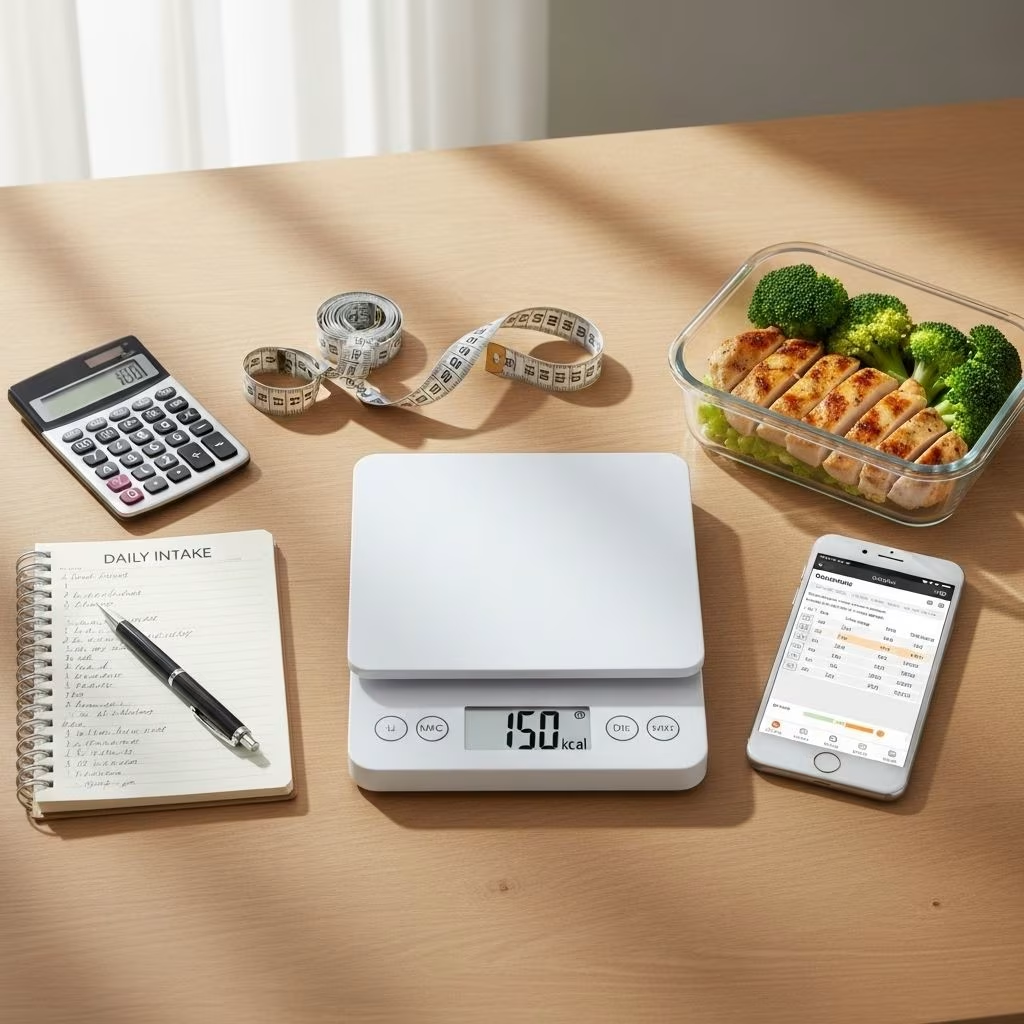
Why Calorie Counting Remains the Gold Standard for Effective Weight Loss
In the landscape of weight loss advice, popular diets come and go, but one principle has consistently proven its effectiveness: calorie counting. While trendy eating plans may promise rapid results, expert consensus and decades of research reinforce that weight loss ultimately hinges on consuming fewer calories than you burn. This article explores the fundamentals of calorie tracking, why it works so reliably, common challenges, and how you can adopt this trusted strategy for sustainable success.
Understanding the Science Behind Calorie Counting
The foundation of effective weight loss lies in the concept of a calorie deficit. Quite simply, to lose weight, you must consistently burn more calories than you consume. When your body faces a caloric shortfall, it compensates by breaking down stored fat for energy. This basic biological principle underpins most weight management advice and is strongly supported by medical experts and organizations worldwide.
As nutritionist Dana Hunnes, Ph.D., R.D., explains, “When we take in fewer calories than we burn, our body must source energy from elsewhere, primarily our fat reserves, resulting in weight loss.” This process occurs regardless of the specific foods eaten, as long as total caloric intake remains below expenditure .
Why Consistency Matters More Than Diet Type
Whether your preferred approach is balanced meals, intermittent fasting, low-carb, or a plant-based regimen, every diet that creates a calorie deficit triggers weight loss. The method of achieving that deficit—through food choices, timing, or meal frequency—matters less than the consistency and sustainability of your habits. This is why calorie counting continues to be regarded as the gold standard: it provides a flexible, customizable, and data-driven framework adaptable to every lifestyle .
The Core Benefits of Calorie Counting
- Clarity and Awareness: By recording your food intake, you develop a clearer picture of your daily energy consumption, often uncovering hidden sources of excess calories.
- Flexible Eating: Unlike restrictive diets, calorie counting allows you to incorporate all types of foods, including occasional treats, as long as you maintain a caloric deficit.
- Accountability: Tracking keeps you honest and grounded in reality, helping prevent “portion creep” and mindless eating.
- Empowerment Through Data: The quantifiable nature of calorie counting enables you to identify patterns, set achievable goals, and objectively monitor progress over time.
How Calorie Counting Works: A Step-by-Step Guide
Jumping into calorie tracking is simpler than ever, thanks to modern technology and widespread nutritional databases. Here are the key steps to begin:
- Calculate Your Calorie Needs
First, estimate the number of calories your body requires to maintain its current weight (known as your Total Daily Energy Expenditure or TDEE). Several factors influence this value, including age, gender, activity level, height, weight, and body composition. Online calculators and apps can provide a quick estimate, but registered dietitians can offer precise guidance. - Set a Reasonable Calorie Deficit
To lose roughly one pound per week, aim for a daily deficit of about 500 calories. While this is a general guideline, smaller or more gradual deficits can also lead to healthy, sustainable weight loss, especially if you already follow a nutritious eating plan . - Track Everything You Eat and Drink
Record each meal, snack, beverage, and added ingredient. This can be done via pen and paper or with dedicated calorie-tracking apps such as MyFitnessPal, Control My Weight, or FatSecret . - Monitor Progress and Adjust
Weigh yourself periodically and assess how your body responds. Adjust calorie targets as necessary to continue losing weight at a steady, healthy pace.
How Many Calories Should You Eat?
There is no universal answer to the question, “How many calories should I eat to lose weight?” Individual requirements vary dramatically based on age, sex, body size, physical activity, and underlying health conditions. Still, common guidelines from the Dietary Guidelines for Americans recommend:
| Women (per day) | Men (per day) | |
|---|---|---|
| Sedentary | 1,600–2,000 | 2,000–2,400 |
| Moderately Active | 1,800–2,200 | 2,200–2,800 |
| Active | 2,000–2,400 | 2,400–3,000+ |
To create a safe calorie deficit, subtract no more than 500–750 calories from your maintenance intake. Never drop below the recommended minimum (about 1,200 calories for women or 1,500 for men) without medical supervision, as excessively restrictive eating can harm metabolism, mood, hormonal balance, and overall health .
What Can You Eat While Calorie Counting?
One of the greatest strengths of calorie counting is its flexibility: no food group is off-limits. The focus is on how much you eat rather than on absolute “good” or “bad” foods. However, the most effective calorie counters eventually gravitate toward more nutrient-dense foods, because these choices provide greater satiety and essential vitamins/minerals without excessive caloric load.
- Fruits and Vegetables: High in fiber and water, low in calories, and packed with antioxidants.
- Lean Proteins: Such as chicken, fish, beans, tofu, and Greek yogurt, which preserve muscle while keeping hunger in check.
- Whole Grains: Like oats, brown rice, or quinoa for sustained energy and fiber.
- Healthy Fats: From avocado, nuts, seeds, and olive oil for flavor and fullness.
- Occasional Treats: Fit your favorite dessert or snack into your day by adjusting portions elsewhere.
The beauty is in having the flexibility to build meals you truly enjoy while still reaching your goals.
Common Pitfalls and How to Overcome Them
While calorie counting is highly effective, it is not without challenges. Here are problems many encounter—and evidence-based ways to overcome them:
- Underestimating Intake: People commonly misreport portion sizes or forget to log small items (like condiments, drinks, or cooking oils). Solution: Weigh and measure foods when possible, and be consistent in charting every bite.
- All-or-Nothing Thinking: Missing a target or indulging can lead to feelings of failure and abandonment. Solution: View each day as an opportunity; even imperfect days count toward progress.
- Restriction Fatigue: Severely cutting calories can cause fatigue, cravings, and frustration. Solution: Choose a modest deficit, prioritize nutrient-dense foods for fullness, and allow occasional indulgences .
- Boredom and Lack of Variety: Eating the same meals repeatedly may dim enthusiasm. Solution: Experiment with new recipes, cuisines, and produce. Enjoy the creative process of meal planning.
Expert Tips for Calorie Counting Success
- Plan Meals in Advance: Prepping meals and snacks for the week prevents “decision fatigue” and supports better control over calories and nutrients.
- Emphasize Volume Eating: Fill your plate with low-calorie, high-volume foods (such as leafy greens and nonstarchy vegetables) to stay full on fewer calories.
- Log Intake as You Go: Don’t wait until the end of the day to record meals; log immediately to maximize accuracy.
- Use Technology: Modern calorie-counting apps simplify tracking, provide instant database access for millions of foods, and can generate reports to visualize your progress .
- Stay Consistent: Apply the “90 percent rule”—if you stick to your calorie goals 90% of the time, you’ll stay on track even if your efforts aren’t always perfect .
Why Calorie Counting Trumps Fad Diets and Food Rules
Popular eating plans often rely on eliminating food groups (like carbs or fats), introducing strict rules, or tethering eating to the clock. While these strategies may lead to quick weight loss for some, they often prove unsustainable. In contrast, calorie counting doesn’t demonize any one food and can accommodate everything from busy schedules to special occasions and diverse preferences. This inclusivity is a key reason why so many experts return to it as the gold standard .
Recent research also suggests that calorie counting provides a clarity of choice that helps people stay honest and mindful about what they consume, softening the “good” versus “bad” food mentality. Rather than fixating on dietary perfection, calorie tracking fosters moderation, self-reflection, and skill-building for long-term health maintenance.
Is Calorie Counting Right for Everyone?
Like any weight-management tool, calorie tracking suits some personalities better than others. Individuals with a history of eating disorders, a tendency to obsess over numbers, or who find detailed food logging stressful may benefit from alternative approaches centered on intuitive eating or professional guidance. The best plan is one that fits your lifestyle, preferences, and emotional well-being.
Frequently Asked Questions (FAQs)
Q: Can you lose weight without counting calories?
A: Yes, but only if you create a calorie deficit through portion control, intuitive eating, or meal planning. Tracking calories provides extra clarity and accountability, which many people find beneficial.
Q: Do calories from different foods affect weight loss differently?
A: A calorie is a unit of energy, so from a weight loss perspective, all calories “count” equally. However, foods high in protein or fiber tend to increase fullness and preserve muscle, making them particularly advantageous when reducing calories.
Q: Are calorie-counting apps accurate?
A: Most popular apps use reputable databases, but some variance exists due to differing input methods and food labeling. For best results, double-check with multiple sources and update entries for home-cooked recipes.
Q: What are signs my calorie deficit is too extreme?
A: Red flags include excessive fatigue, headaches, dizziness, rapid weight loss (more than two pounds per week), hair loss, or persistent hunger. If any of these occur, increase calorie intake and consult a professional .
Q: How do I make calorie counting easier?
A: Plan meals ahead, use a kitchen scale, rely on tracking technology, prep ingredients in batches, and forgive minor lapses. Remember, consistency over time is more important than perfection.
Key Takeaways: Calorie Counting for Sustainable Weight Loss
- Calorie counting remains the most evidence-based, flexible, and accessible method for losing weight and maintaining results over time.
- The key to success is creating a moderate calorie deficit, emphasizing whole foods, maintaining consistency, and allowing flexibility.
- Tracking builds self-awareness, breaks through weight loss plateaus, and helps build lifelong healthy habits.
- If calorie counting becomes overwhelming or emotionally stressful, seek professional support or explore other mindful eating approaches.
Resources for Getting Started
- Online calorie calculators such as the NIH Body Weight Planner and Mayo Clinic Calorie Calculator
- Popular tracking apps: MyFitnessPal, FatSecret, Control My Weight, Calorie King
- Registered dietitians or certified nutritionists for personalized plans
Calorie counting isn’t a trend—it’s a proven strategy rooted in sound science and adaptable to every lifestyle. When approached with balance and patience, it offers a reliable path toward genuine, lasting weight loss.
References
- https://www.prevention.com/weight-loss/diets/a38916282/calorie-deficit-diet/
- https://www.prevention.com/weight-loss/a28400225/how-many-calories-to-lose-weight/
- https://www.prevention.com/weight-loss/diets/g20440614/25-best-weight-loss-tips-ever/
- https://www.prevention.com/food-nutrition/a64365995/4-3-intermittent-fasting-vs-calorie-counting-weight-loss-study/
- https://www.prevention.com/weight-loss/a20441483/i-stopped-counting-calories/
- https://www.prevention.com/weight-loss/a20466505/the-new-calorie-counting-theory/
- https://www.prevention.com/weight-loss/a20477135/lose-weight-without-counting-calories/
- https://www.prevention.com/food-nutrition/g20428211/25-ridiculously-low-calorie-foods/
- https://www.prevention.com/weight-loss/diets/a63174975/best-diets-for-weight-loss-2025/


