


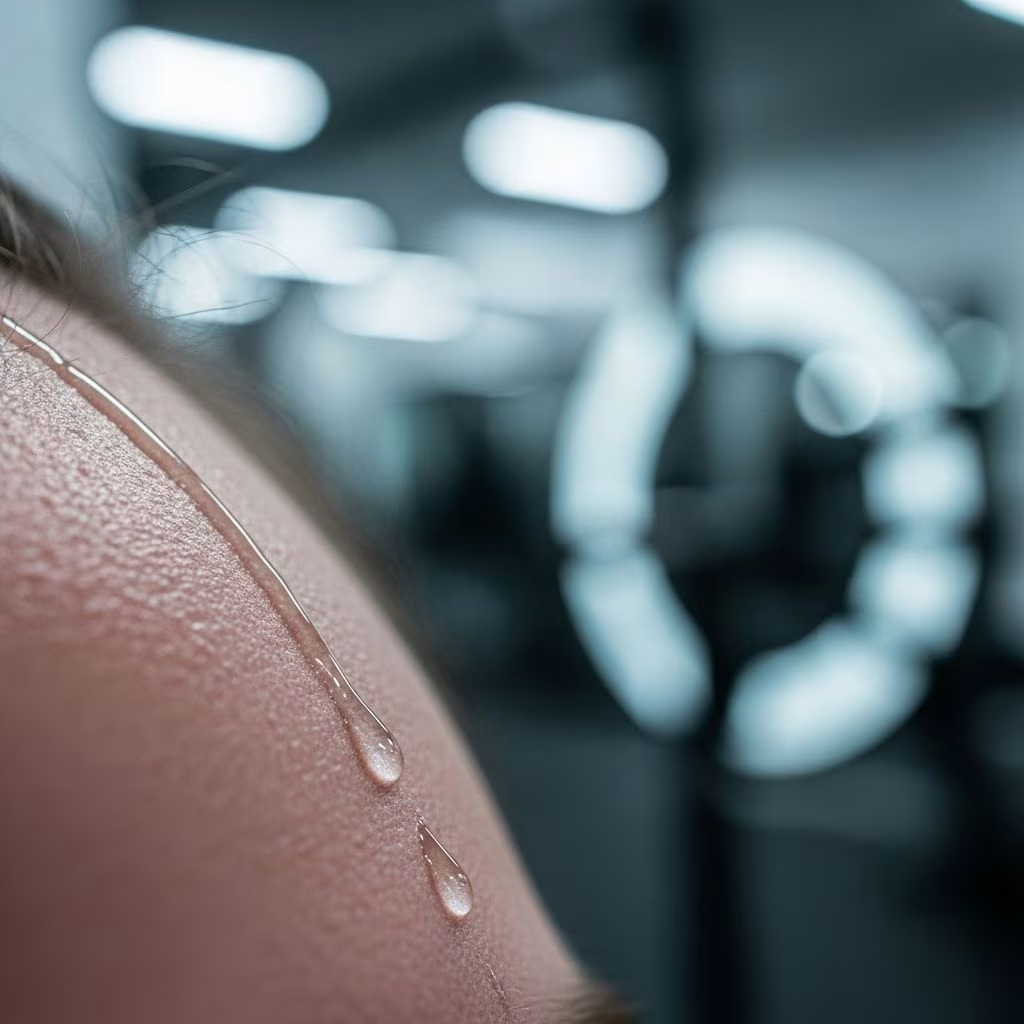
Many people step off a treadmill drenched in sweat, glance at the lower number on the scale, and assume that sweating directly means they are shedding pounds. But is this actually true? Let’s dive into the science behind sweating, its relationship to weight loss, and what really matters when trying to lose weight.
What Is Sweating and Why Do We Sweat?
Sweating is your body’s natural cooling system. As your body temperature rises—due to exercise, hot weather, or even stress—your sweat glands release moisture (mostly water) to the surface of your skin. When this moisture evaporates, it helps lower your body temperature and keep you from overheating.
- Main purpose: Regulate internal body temperature.
- Makes up sweat: About 99% water, with small amounts of salt, protein, carbs, and urea.
- Triggers: Intense physical activity, heat, spicy foods, fever, anxiety, or certain medical conditions.
Key point: Sweating is not by itself an indicator of calorie burn or fat loss.
Does Sweating Lead to Weight Loss?
After a session in a sauna or a sweaty workout, the scale might show you’ve lost a pound or two. It’s perfectly natural to wonder if you’ve just burned a significant number of calories. However, the truth is more nuanced.
- Temporary drop in weight: The loss you see right after intense sweating is almost entirely water weight—the fluid your body loses through sweat.
- Rehydration restores weight: Once you drink fluids and rehydrate, your weight returns to its previous level.
- No direct impact on fat loss: Sweating does not correlate to fat burning or long-term weight loss.
Bottom line: The weight lost through sweating is temporary and not related to burning fat.
Expert Perspective
Luke Carlson, MS, founder and CEO of Discover Strength, notes, “Sweating has no impact on fat loss. Sweat cools you down during exercise, but it’s not a measure of calorie burn or fat loss.”
How Do You Really Lose Weight?
Lasting weight loss comes down to creating a calorie deficit—that is, burning more calories than you consume. This is most effectively done through regular exercise, a healthy diet, and mindful lifestyle habits.
- Exercise: Cardio, strength training, HIIT, and other forms of movement help you burn calories.
- Healthy eating: Balanced meals and smart portions are essential.
- Hydration: Staying hydrated supports metabolism and exercise performance.
- Consistency: Sustainable changes over time lead to real progress.
Takeaway: Focus on overall health and a balanced lifestyle rather than how much you sweat during a workout.
What Does Sweating During Exercise Actually Mean?
Sweating more during a workout often happens when your body is working harder to cool you down. However, it isn’t always a sign you’re burning more calories:
- Intensity matters: Generally, more intense workouts generate more heat and sweat—but not always. You can burn a lot of calories in cold climates without sweating much at all (think cross-country skiing).
- Individual differences: Factors like genetics, age, fitness level, body weight, temperature, and humidity all influence how much—or little—you sweat.
- Environment: Hot yoga, saunas, and steamy gyms make you sweat more, but this doesn’t equate to losing more fat or burning extra calories.
Factors Influencing Sweat Rate
- Body size: Larger individuals may sweat more due to higher heat production.
- Fitness level: Fit individuals may sweat earlier and for longer, as their bodies get better at cooling.
- Gender: On average, men tend to sweat more than women.
- Health: Conditions like hyperhidrosis or certain medications can affect sweating.
Does Sweating Burn Calories?
Contrary to popular belief, sweating itself doesn’t directly burn measurable calories. The act of sweating is not energy-intensive for the body. What burns calories is the physical activity that often causes you to sweat in the first place.
For example: Running vigorously on a hot day leads to both sweating and calorie burning, but the calorie burn comes from the physical effort—not from sweating.
What Is Water Weight—And Why Does It Come Back?
Water weight refers to the temporary reduction in weight due to the loss of fluids, not fat. Sweating can decrease your body’s water content, which briefly lowers the number on the scale. Here’s what happens:
- Your body loses water through sweat during intense activity or heat.
- You notice quick weight loss (often a pound or two, sometimes more for athletes).
- After rehydration, the body replaces what was lost and the weight comes right back.
This kind of weight fluctuation is normal and does not represent true fat loss.
Is Sweating Required to Lose Weight?
No—it’s entirely possible to burn hundreds of calories through exercise without sweating much. For instance, an intense strength session in a cool gym, or winter sports, might leave you barely damp, yet you could be expending significant energy.
Calories burned come from:
- Muscular activity
- Cardiovascular exertion
- Metabolic processes
Amount of sweat does not directly equal amount of calories burned.
What Are the Benefits of Sweating?
Sweating is your body’s automatic cooling mechanism, but it offers several additional health perks:
- Thermoregulation: Keeps your internal body temperature in check, preventing heat stroke and related illnesses.
- Indicator of exercise intensity: For some, more sweat may indicate a tougher workout—though this varies greatly by individual.
- Possible skin benefits: Sweating can momentarily open pores, but there’s limited evidence that this helps detoxify your body or offers long-term skin improvements.
- Cultural/traditional claims: Saunas, steam baths, and sweat lodges have been used for centuries in rituals and wellness practices for relaxation.
However, the primary value of sweat is temperature control—not weight loss or detoxification.
Are There Risks to Sweating Too Much?
While moderate sweating is healthy, excessive sweating can lead to health problems:
- Dehydration: Excessive fluids lost through sweat can quickly lead to dehydration, especially if not replenished.
- Electrolyte imbalances: Losing too much salt and minerals can lead to muscle cramps, dizziness, and in severe cases, potentially life-threatening conditions.
- Heat illness: If sweating isn’t able to keep your body cool enough, heat exhaustion or heat stroke may follow.
Warning Signs
- Extreme thirst
- Very dark urine or very little urination
- Dizziness, headache, or feeling faint
- Muscle cramps or weakness
If you experience any of these symptoms, stop and hydrate immediately. Seek medical attention for serious symptoms.
How to Hydrate Properly When You Sweat
Ongoing fluid loss during exercise or time in heat makes proper hydration essential for safety and performance.
- Drink water before, during, and after strenuous activity
- For longer or very sweaty sessions: Replace lost electrolytes (sodium, potassium) with sports drinks or salty snacks if exercising for more than an hour
- Check your pee: Pale yellow means you’re hydrated; dark yellow or amber means you need more fluids
- Consider body weight changes: Weigh yourself before and after a workout—each pound lost generally equals about 16 ounces (500 mL) of water needed to rehydrate
Common Myths About Sweat and Weight Loss
Let’s clear up some persistent misconceptions:
- Myth: “If I sweat more, I’m burning more fat.”
Fact: Sweat is not a direct indicator of fat loss or calories burned. - Myth: “Sauna suits and hot yoga accelerate actual weight loss forever.”
Fact: While you may temporarily drop pounds from water loss, fat loss comes from sustained calorie deficits—not heat exposure alone. - Myth: “Sweating removes toxins from the body.”
Fact: Your kidneys and liver are responsible for detoxification. Sweat does not play a significant role here.
How to Lose Weight Effectively (If Not Through Sweat)
The healthiest, most effective way to lose weight is with a combination of steady habit changes:
- Engage in consistent physical activity—including aerobic exercise and strength training
- Adopt a balanced, nutritious eating pattern
- Monitor portion sizes and calorie intake
- Stay hydrated
- Prioritize sleep and stress management
Don’t rely on sweat output as a measure of your workout’s effectiveness. Instead, focus on long-term progress, health metrics, and how you feel overall.
Frequently Asked Questions
Does sweating help eliminate toxins?
No. The main organs in charge of detoxification are the liver and kidneys. Sweat is mainly water and small amounts of minerals, but it does not significantly remove toxins from your system.
Do I need to sweat to know I’m getting a good workout?
No. Effective workouts can happen even in cool conditions or if you don’t sweat much. Calorie burn is not tied to sweat output.
Are sweat suits and “sweat wraps” helpful for weight loss?
These products may increase water loss (and thus scale weight, temporarily), but they do not contribute to fat loss and can be risky if they lead to dehydration.
Why do some people sweat more than others?
Sweat rates depend on genetics, fitness, gender, temperature, and body size. Sweating more does not mean you are less fit or more out of shape.
How much water should I drink if I sweat a lot during exercise?
Aim to drink at least 16–24 ounces of water for every pound lost during exercise, and include electrolytes for longer or more intense sessions.
Key Takeaways
- Sweating is essential for cooling the body but does not equal fat loss.
- Any quick drop in scale weight after sweating is due to water loss, not fat—and is rapidly regained with hydration.
- The best way to lose weight is through exercise, healthy eating, and consistency, not by chasing sweat.
- Stay properly hydrated to avoid health risks, especially during intense or prolonged activities.
Summary Table: Sweat, Calories, and Weight Loss
| Factor | Effect | Relation to Weight Loss |
|---|---|---|
| Sweating | Regulates body temperature | Causes temporary water loss, not fat loss |
| Calories Burned | Depends on intensity, duration, and activity type | Leads to true fat loss when sustained over time (calorie deficit) |
| Hydration | Prevents dehydration, maintains performance | Critical for health; does not directly impact fat loss |
| Sauna/Sweat Suits | Increase sweat rate | Only result in temporary water loss; risk of dehydration |
While sweating feels good and has a role in health and exercise, don’t mistake it for fat loss. Pay attention to sustainable, enjoyable habits and let sweat be a sign your body’s keeping cool, not your secret weight-loss weapon.
References
- https://pmc.ncbi.nlm.nih.gov/articles/PMC1351439/
- https://www.goodrx.com/conditions/weight-loss/is-sweating-good-for-weight-loss
- https://www.medicalnewstoday.com/articles/does-sweating-burn-calories
- https://pmc.ncbi.nlm.nih.gov/articles/PMC7466670/
- https://www.healthline.com/health/does-sweating-burn-calories
- https://medicine.nus.edu.sg/news/the-benefits-of-sweating/
- https://jamanetwork.com/journals/jama/fullarticle/360118
- https://www.webmd.com/fitness-exercise/what-is-sauna-suit


