


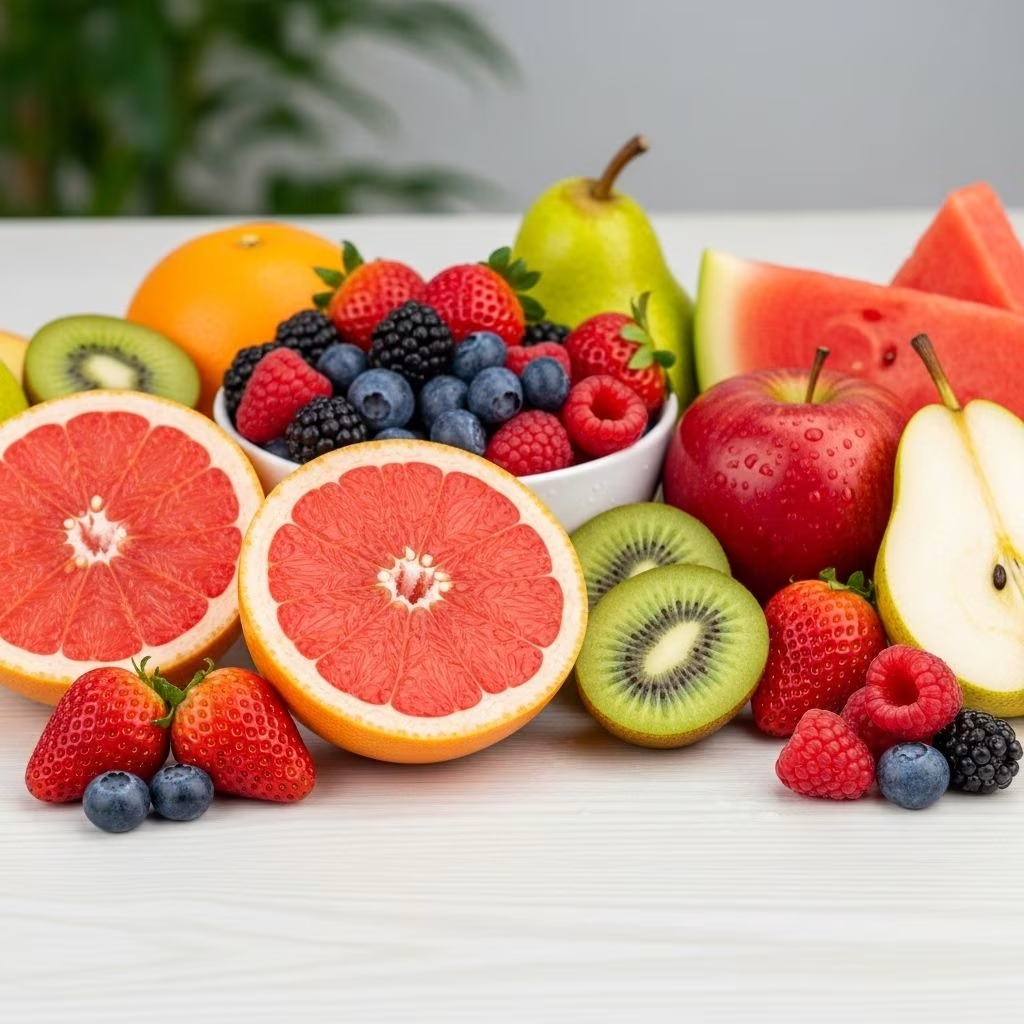
In the world of weight management, few foods get as much universal approval as fresh fruit. Bursting with fiber, vitamins, and natural sweetness, fruits offer a satisfying way to stay full while enjoying a wide range of nutrients. But are certain fruits better for weight loss than others? Can fruit actually help you shed pounds? Here, we break down how fruit fits into a healthy diet, highlight the top nutritionist-approved varieties for weight control, and answer common questions about fruit and weight loss.
Why Fruit Is a Powerful Ally for Weight Loss
While fruits do contain natural sugars, their high fiber and water content helps slow sugar absorption, promote feelings of fullness, and encourage regular digestion. This combination makes fruit a smart replacement for many processed snacks and desserts.
- Fiber: Fills you up, helps manage appetite, and supports gut health.
- Water Content: Many fruits are made up of more than 80% water, helping you stay hydrated and satisfied with fewer calories.
- Micronutrients: Fruits are loaded with essential vitamins, minerals, and disease-fighting antioxidants.
Including fruit in your eating pattern can help curb sugar cravings, displace higher-calorie choices, and keep you satisfied throughout the day. However, simply adding fruit to a diet—without adjusting other calorie sources—may not automatically result in weight loss. The best strategy is to swap higher-calorie snacks or desserts with fresh fruit and ensure it’s part of a balanced, calorie-conscious eating plan.
How Does Fruit Support Satiety and Portion Control?
Whole fruits, due to their high fiber and water content, are more filling than processed snack foods or sweetened beverages. Eating fruit in whole form (rather than juice or dried varieties) takes longer to chew and digest, giving your body time to register fullness and helping prevent overeating.
- Chewing: The act of chewing whole fruit (like apples or pears) can increase satiety cues.
- Lower Calorie Density: Most fruits contain fewer calories per volume compared to baked goods, chips, or candy.
- Digestive Benefits: Fiber-rich fruits help stabilize blood sugar and slow gastric emptying.
The Top Fruits for Weight Loss, Backed by Nutritionists
While all fruits can be enjoyed as part of a healthy diet, some are especially helpful for those looking to lose or manage weight. Here are the best expert-recommended choices:
1. Apples
Apples stand out because they offer a double-whammy of high fiber and hydration—around 85% water, and nearly 5 grams of fiber per medium apple (with the peel on). This combination makes apples exceptionally filling for their calorie content (under 100 calories per medium apple), helping you avoid excess snacking.
- Eat them whole for maximum satiety.
- They’re portable and easy to add to breakfast, salads, or snack time.
- Contain vitamin C, potassium, and beneficial plant compounds.
2. Berries (Blueberries, Strawberries, Raspberries, Blackberries)
Berries are densely packed with antioxidants, vitamins, and fiber—while being surprisingly low in calories. For example, a cup of raspberries delivers 8 grams of fiber for only 64 calories. Their sweet-tart flavor can satisfy sugar cravings and they’re easy to sprinkle on yogurt, oatmeal, or enjoy by the handful.
- Promote stable blood sugar thanks to their fiber content.
- High in vitamin C and polyphenols, which may help reduce inflammation.
- Frozen berries offer year-round convenience for smoothies or snacks.
3. Grapefruit
This citrus favorite is often linked with weight loss, and evidence suggests it may help reduce hunger and promote fat loss when eaten before meals. Half a grapefruit is just 40 calories and delivers over 2 grams of fiber, as well as vitamin C.
- Caution: Grapefruit can interact with certain medications (consult your doctor).
- A juicy, hydrating option for breakfast or a refreshing snack.
4. Avocado
Although technically a fruit, avocado’s creamy texture and high monounsaturated fat content contribute to lasting fullness. Half an avocado contains about 120 calories, 6 grams of fiber, and more potassium per serving than a banana. The healthy fats can keep you satisfied and help your body absorb fat-soluble vitamins.
- Best enjoyed in moderation due to calorie density, but highly satiating.
- Add to salads, toast, or smoothies for creamy flavor and nutrition.
5. Pears
Pears are among the highest-fiber fruits—offering about 6 grams of fiber each (with the skin on)—which aids in digestion and supports steady energy. Their natural sweetness and juiciness make them a great dessert replacement or partner for cheese and nuts.
- Helps promote regularity and control appetite.
- Vitamin C, K, and copper boost overall nutrition.
6. Oranges
Whole oranges serve up vitamin C, potassium, and around 3 grams of fiber for fewer than 65 calories per medium fruit. Consuming oranges, rather than orange juice, preserves the satiating fiber and slows sugar absorption.
- Avoid juice to maximize satiety and minimize excess calorie intake.
- The thick rind also ensures portion control and slow eating.
7. Cherries
Cherries provide a natural source of antioxidants, potassium, and fiber, with only about 90–100 calories and 3 grams of fiber per cup. Both sweet and tart varieties are effective; the fiber and water content help you feel full despite their small size.
- Sweet cherries (dark red and rainier) are rich in vitamin C, potassium, and anthocyanins.
- Tart cherries (often available frozen or as juice) offer unique benefits for exercise recovery and sleep.
- Mix with protein (yogurt, nuts, cottage cheese) for a balanced snack.
8. Watermelon
Watermelon is more than 90% water and is one of the lowest calorie-density fruits (just 46 calories per cup). Its natural sweetness makes it a satisfying alternative to sugary desserts in the summer, and the high water content promotes hydration and satiety.
- Provides lycopene, an antioxidant linked to heart health.
- Enjoy chilled slices, or add to salads for a juicy crunch.
9. Bananas
Though slightly higher in calories and carbohydrates than other fruits, bananas are a filling, on-the-go snack. They’re rich in potassium (supporting healthy blood pressure and muscles) and resistant starch (especially in less ripe, green bananas), which helps control blood sugar and appetite.
- Combine with nut butter for extra staying power.
- A great addition to smoothies or as a sweet “base” for nice cream.
10. Kiwis
Kiwis are low in calories, high in fiber (over 2 grams per fruit), and loaded with vitamin C and antioxidants. Their seeds and skin are edible—providing extra fiber—though the skin may be an acquired taste. Kiwis can support digestion, reduce bloating, and curb hunger.
- Slice onto salads, stir into yogurt, or eat as a refreshing snack.
- Pair with protein for long-lasting satiety.
Fruit and Weight Loss: Tips for Maximizing Benefits
To use fruit most effectively in your weight loss journey:
- Choose whole fruits over juices or dried fruits to maximize fiber and fullness. Juices are calorie-dense and lack fiber, while dried fruits are easy to overeat.
- Incorporate fruit into meals and snacks—for example, add berries to oatmeal, pair apple slices with nut butter, or enjoy citrus after a meal for dessert.
- Pay attention to portions, especially with higher-calorie fruits like avocado and banana for those tracking calorie intake closely.
- Combine fruit with protein or healthy fats (like Greek yogurt, nuts, seeds, or cottage cheese) for longer-lasting satiety and balanced blood sugar.
Frequently Asked Questions About Fruits and Weight Loss
Q: Can eating fruit help you lose weight?
A: Yes, substituting high-calorie, processed snacks with fresh fruit can help reduce overall calorie intake. Fruits’ water and fiber help you feel full, making you less likely to overeat. However, simply eating more fruit without reducing calories from other sources may not produce weight loss.
Q: Should you avoid fruit because of sugar?
A: No. The natural sugars in fruit are balanced by fiber, water, and nutrients, which slow sugar absorption. Most people can—and should—enjoy fruit daily as part of a balanced diet unless advised otherwise for medical reasons.
Q: What about fruit juice or smoothies?
A: Juice lacks the fiber of whole fruit and can concentrate calories and sugar. Smoothies that use whole fruits (including skin and pulp) preserve some fiber, but portion size is key to avoid accidental overconsumption.
Q: Are dried fruits a good option?
A: Dried fruits are calorie-dense and easy to overeat. If you choose them, keep portions small (about 1/4 cup) and avoid added sugars.
Q: Is frozen fruit healthy?
A: Yes! Frozen fruits preserve nutrients and fiber. Keep them stocked for quick additions to smoothies, yogurt, or baking.
Nutrient Comparison: Popular Weight Loss Fruits
| Fruit | Calories (per cup) | Fiber (g) | Key Nutrients | Benefits |
|---|---|---|---|---|
| Apple (medium, with skin) | 95 | 4.5 | Vitamin C, potassium | High satiety, portable |
| Blueberries | 84 | 3.6 | Vitamin C, K, antioxidants | Antioxidant-rich, versatile |
| Grapefruit (half, medium) | 40 | 2.0 | Vitamin C, A | Cravings control, hydrating |
| Watermelon | 46 | 0.6 | Vitamin C, lycopene | Very hydrating, low cal |
| Pear (medium, with skin) | 101 | 5.5 | Vitamin C, K, Copper | Digestive support, filling |
| Cherries (cup, pitted) | 97 | 3.0 | Potassium, vitamin C, antioxidants | Sweet, supportive for heart and sleep |
| Avocado (half) | 120 | 6.0 | Vitamin E, potassium, monounsaturated fats | Heart-healthy, extremely filling |
| Banana (medium) | 105 | 3.1 | Potassium, vitamin B6, vitamin C | On-the-go, supports exercise recovery |
Bottom Line: Making Fruit Work for Your Weight Loss Goals
For most people—unless there is a specific medical need—fruit is an important and enjoyable part of a healthy, weight-conscious diet. Focus on whole, fiber-rich fruits and enjoy them throughout the day in place of higher-calorie, processed options for maximum benefit.
- Eat a variety for the best nutrient coverage and taste satisfaction.
- Pair with protein or healthy fats for balanced snacks.
- Pay attention to portions of calorie-dense fruits like avocado and bananas.
- Most importantly, savor your fruit—it’s one of nature’s most delicious weight management tools!
References
- https://www.prevention.com/weight-loss/g20496527/15-weight-loss-foods/
- https://www.prevention.com/weight-loss/g24805401/fat-burning-foods/
- https://www.prevention.com/food-nutrition/a40433301/are-cherries-good-for-you-healthy/
- https://www.prevention.com/weight-loss/a20474165/study-adding-fruits-and-veggies-to-your-diet-wont-help-you-lose-weig/
- https://www.prevention.com/weight-loss/diets/a63174975/best-diets-for-weight-loss-2025/
- https://www.prevention.com/food-nutrition/healthy-eating/a65919516/foods-to-boost-metabolism/
- https://www.prevention.com/weight-loss/
- https://www.cdc.gov/healthy-weight-growth/healthy-eating/fruits-vegetables.html
- https://www.northwesthealth.com/health-library/392


