


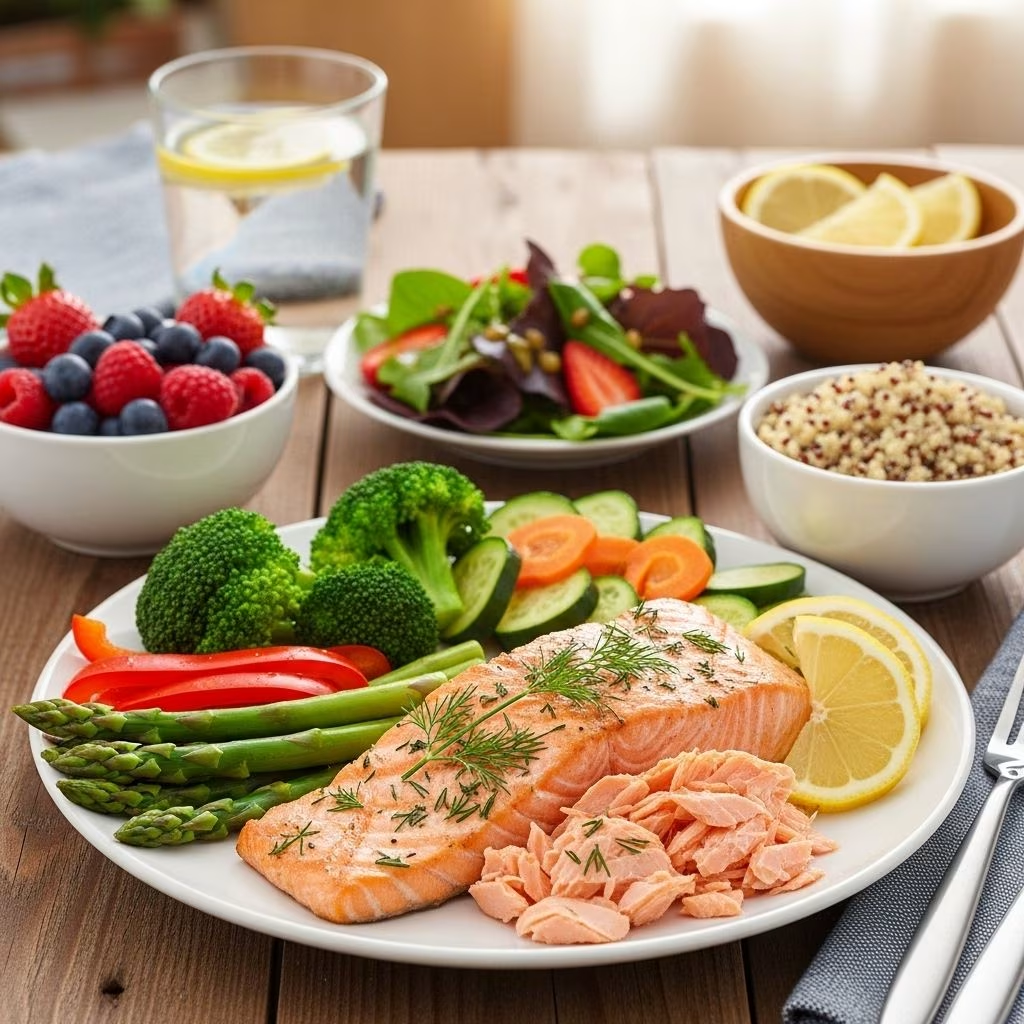
The Pritikin Diet is a foundational eating plan focused on promoting cardiovascular health, sustainable weight management, and overall metabolic well-being through a blend of wholesome foods and lifestyle changes. Developed decades ago with scientific backing, the Pritikin approach continues to influence dietary recommendations around the world.
What Is the Pritikin Diet?
Formulated by Nathan Pritikin in the 1970s, the Pritikin Diet is recognized for its emphasis on low-fat, high-fiber, and mostly plant-based foods. Unlike transient fad diets, the Pritikin plan is designed for lifelong health improvement, targeting heart disease prevention, weight control, and diabetes risk management by favoring minimally processed foods and an active lifestyle.
- Origins: Created to help manage and reverse cardiovascular disease and improve metabolic markers.
- Philosophy: Eat abundantly from nature’s bounty (grains, legumes, fruits, vegetables) while consuming animal products, added fats, salt, and sugar in strict moderation.
- Goal: Achieve lifelong wellness, not just temporary weight reduction.
Core Principles and Food Guidelines
The Pritikin Diet revolves around the concept of eating more whole, nutrient-dense foods while strictly limiting unhealthy fats, processed foods, and dietary cholesterol. Calorie counting is not required, as the plan prioritizes foods that are “naturally low in calorie density, high in nutrients, and satisfying.”
Emphasized Food Groups (“GO” Foods)
- Fruits: All fresh and minimally processed varieties.
- Vegetables: Especially non-starchy vegetables; starchy types like potatoes, corn, and yams in moderation.
- Whole Grains: Such as brown rice, whole-wheat bread and pasta, oatmeal, and barley.
- Legumes: Beans (black, pinto, garbanzo), lentils, and peas.
- Lean Proteins: White-meat poultry (skinless), fish (especially omega-3-rich), nonfat dairy products, and plant-based options like tofu and soybeans.
Foods to Limit or Avoid
- Added Fats: Oils, butter, margarine, and all high-fat processed foods.
- Red Meats: Beef, pork, veal, lamb, and goat — if consumed, only the leanest cuts, rarely.
- Processed Foods & Sugars: Sweets, pastries, packaged snacks, and foods with added sugar or sodium.
- Alcohol: Severely restricted due to its impact on health.
What a Typical Day Looks Like on the Pritikin Diet
A central tenet of the Pritikin Diet is volume eating with satisfaction: consuming generous servings of low-calorie, high-fiber foods that fill you up without deprivation. Here’s an example of a day’s menu:
- Breakfast: Steel-cut oats with fresh fruit and nonfat milk or fortified soymilk.
- Mid-Morning Snack: Sliced vegetables (carrots, celery, bell peppers) with hummus.
- Lunch: Large salad with greens, beans, tomatoes, cucumbers, and lemon-based dressing; whole-grain roll.
- Afternoon Snack: Nonfat yogurt with berries.
- Dinner: Baked salmon or tofu, brown rice, and steamed broccoli.
Five meals and snacks daily help prevent hunger and support energy stability throughout the day.
Benefits of the Pritikin Diet
Many of the health claims driving the Pritikin Diet are substantiated by peer-reviewed research and reflect recommendations made by leading health organizations:
- Cardiovascular Health: The diet’s low saturated fat content and high fiber intake have been shown to help lower LDL (“bad”) cholesterol, reduce blood pressure, and improve overall heart health.
- Weight Loss: Focusing on nutrient-rich, naturally low-calorie foods supports gradual and sustainable weight loss, helping individuals develop healthy habits without deprivation or obsessive calorie tracking.
- Blood Sugar Control: The emphasis on whole grains, legumes, and fiber helps regulate blood sugar and improve insulin sensitivity, reducing the risk of type 2 diabetes or aiding its management.
- Digestive Wellness: High-fiber foods aid digestion and foster a feeling of fullness, making long-term adherence easier and supporting gut health.
- Evidence-Based Approach: Multiple studies have linked the Pritikin diet to improved health markers, decreased heart disease risk, and better metabolic profiles.
Downsides and Considerations
- Strict Fat Restriction: The Pritikin Diet limits most fats, including some healthy sources (e.g., olive oil, nuts), which can feel overly restrictive for some and may risk nutrient deficiencies if not carefully implemented.
- Challenging Social Situations: The tight control over ingredients and avoidance of processed foods can make eating out, traveling, or spontaneous meals more challenging.
- Potential for Nutrient Imbalance: Individuals with higher energy needs or specific medical conditions may find the diet’s low fat content insufficient unless carefully planned with a nutrition expert.
- Significant Lifestyle Commitment: Meal preparation, planning, and learning new food habits are essential, which may be a barrier for those with busy schedules or limited access to fresh ingredients.
Sample Pritikin Food Choices: Best to Limit Table
| Category | Best | Good | Satisfactory | Poor |
|---|---|---|---|---|
| Fish/Seafood | Omega-3-rich fish (salmon, sardines, mackerel, trout) | Other fish, clams, oysters, mussels, scallops | Crustaceans (shrimp, crab, lobster) | — |
| Poultry/Meat | Skinless white poultry, game meats (bison, venison, elk) | — | Poultry with skin | Red meat (lean, < 30% fat) — only occasionally |
| Dairy/Plant | Nonfat dairy, fortified soymilk, tofu, legumes | — | — | Full-fat dairy/cheeses |
For optimal health, limit “Satisfactory” choices to once weekly and “Poor” choices to once monthly or less.
Is the Pritikin Diet Sustainable and Realistic?
The Pritikin Diet does not rely on deprivation or strict calorie counting. Instead, it encourages eating until fullness using large quantities of vegetables, fruits, whole grains, and legumes. This approach can make adherence more manageable for many people seeking to lose weight without persistent hunger pangs. Instead of a “quick fix,” it’s intended as a long-term lifestyle.
Beyond Food: The Pritikin Lifestyle
The Pritikin program isn’t just a diet—it’s a comprehensive wellness system emphasizing:
- Regular Physical Activity: Encouraged daily, including both aerobic and strength exercises.
- Stress Management: Techniques like mindfulness, adequate sleep, and relaxation are central components.
- Ongoing Education: Many choose the immersive environment of Pritikin’s Longevity Center for expert-led workshops, cooking classes, and nutrition seminars to deepen their understanding and practical skills.
Who Should Consider the Pritikin Diet?
This plan is most beneficial for those who:
- Are at risk for or living with heart disease, hypertension, high cholesterol, or type 2 diabetes.
- Wish to lose weight in a manner that supports metabolic health and long-term wellness.
- Prefer a primarily whole-food, plant-based approach.
- Are open to significant lifestyle modifications, including cooking and meal preparation.
However, individuals with unique nutritional needs or specific medical conditions should consult a healthcare provider or registered dietitian before making major changes, especially given the diet’s low-fat nature.
Expert Tips for Getting Started
- Stock your kitchen with fruits, vegetables, whole grains, beans, and lean proteins like fish or tofu.
- Plan meals and snacks ahead to avoid the temptation of convenience foods.
- Experiment with new herbs, spices, and salt-free seasoning blends to enhance meal flavor.
- Practice batch cooking or meal prepping to save time during the week.
- Gradually reduce added fats, sugars, and sodium for easier adaptation.
Frequently Asked Questions (FAQs)
Q: How does the Pritikin Diet differ from other popular diets?
A: The Pritikin Diet is distinguished by its extremely low-fat content, high focus on fiber-rich whole foods, and comprehensive lifestyle recommendations (versus focusing solely on food or a particular nutrient as in Keto or Atkins). It promotes fullness without calorie counting by choosing foods with low calorie density.
Q: Can I eat out while following the Pritikin Diet?
A: Eating out is possible but often requires requesting modifications such as no added oils, gravitating toward salads, steamed vegetables, or plain grilled fish, and strictly limiting processed or restaurant-prepared foods.
Q: Is the diet suitable for people who are very active or athletes?
A: Because of the low fat allowance, athletes or highly active individuals may need to work with a dietitian to ensure adequate energy and essential fatty acids.
Q: What are potential risks if the Pritikin Diet is not followed carefully?
A: Without careful planning, the low fat intake could lead to deficiencies in fat-soluble vitamins or omega-3s, so including recommended sources like fatty fish and fortified products is vital. Consultation with a healthcare provider ensures balance is maintained.
Q: Are supplements needed on the Pritikin Diet?
A: Generally, a well-planned Pritikin Diet meets most nutrient needs, but supplementation (like vitamin B12 or omega-3s) may be considered for individuals with specific dietary restrictions—consult a dietitian for guidance.
Key Takeaways
- The Pritikin Diet prioritizes cardiovascular health and weight loss by maximizing fiber, micronutrients, and whole plant foods, and minimizing unhealthy fats and processed foods.
- It’s grounded in solid scientific research, showing benefits for cholesterol, blood pressure, blood sugar, and sustainable weight loss.
- Strict fat limitations and required lifestyle changes can challenge adherence, but for motivated individuals, the results can be significant.
References
- https://www.youtube.com/watch?v=OAE3NfZLklQ
- https://www.pritikin.com/healthiest-diet/pritikin-eating-plan
- https://www.healthline.com/nutrition/pritikin-diet-review
- https://www.mdlinx.com/article/is-this-little-known-diet-the-secret-to-cholesterol-woes/5qj8bEkYB8CiwUyqmUiXCw
- https://www.pritikin.com/pritikin-center-explore-the-resort/your-experience/your-results.html
- https://www.prevention.com/weight-loss/diets/a46276482/pritikin-diet/
- https://www.webmd.com/diet/pritikin-diet
- https://www.womenshealthmag.com/weight-loss/a65268326/pritikin-diet-overview/


