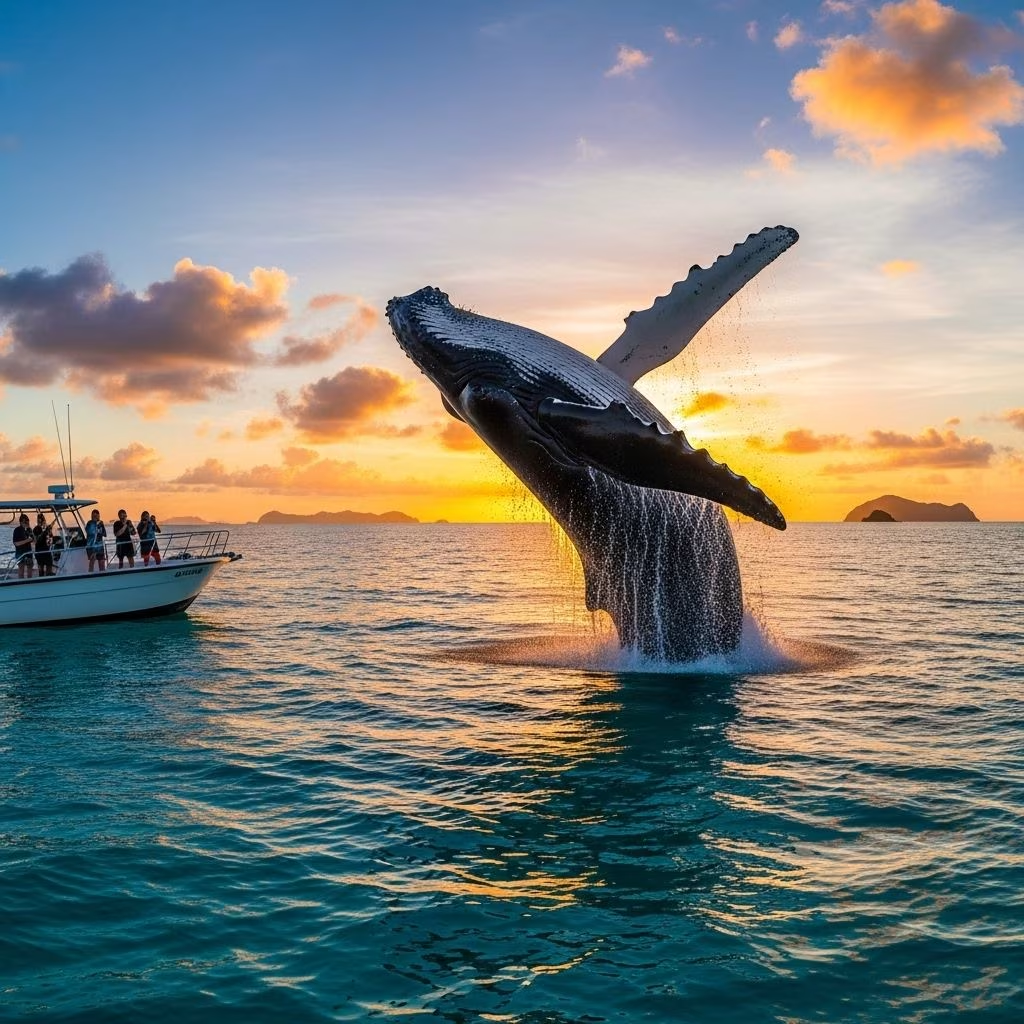
Best Whale Watching Destinations Around the World
Whale watching is one of the most breathtaking experiences for nature lovers, adventure seekers, and families. From the icy waters of Alaska to the warm Indian Ocean, there are numerous spots where you can witness the majesty of whales in their natural habitats. This guide covers the top whale watching destinations, optimal seasons, tips for travelers, and the types of whales you are likely to encounter.
Why Go Whale Watching?
- Unforgettable Encounters: See giant whales breach, tail-slap, and spout water in dramatic displays.
- Diverse Species: Spot blue whales, humpbacks, gray whales, orcas, and even whale sharks.
- Scenic Adventure: Enjoy spectacular coastlines, unique ecosystems, and vibrant marine life.
- Educational Experience: Learn from expert guides about whale biology, behavior, and conservation efforts.
Top Whale Watching Destinations and Seasons
The world offers countless whale watching locations, each with its unique marine species, best travel times, and experiences. Below are the most celebrated destinations:
| Destination | Whale Species | Best Season | Highlights |
|---|---|---|---|
| Baja California, Mexico | Gray whales, blue whales, humpbacks, fin, Bryde’s, pilot, orca, sperm whales | Dec-April (Gray), Nov-April (Others) | Bahía Magdalena: Massive gray whale gatherings, Sea of Cortez: multiple whale species |
| Pacific Coast, Colombia | Humpback whales | July-November | Remote, pristine coastlines like Nuquí and Bahía de Málaga offer intimate wildlife experiences |
| Hermanus, Western Cape, South Africa | Southern right, humpback, Bryde’s whales | June-November | Known as Whale Coast; coastal hiking trails and whale festivals |
| Mirissa, Sri Lanka | Blue whales, Bryde’s, sperm whales | November-April | Boasts largest blue whale sightings; accessible tours |
| Kaikōura, South Island, New Zealand | Sperm whales, orcas, blue, humpback, southern rights, pilot whales | Year-round (Sperm) May-Sept (Humpback & Southern Right) | Rich marine canyon, rare dolphins, expert-led tours |
| Húsavík, Iceland | Humpbacks, blue whales, minke, fin whales, orcas | May-September | Iceland’s whale watching capital, plus educational Whale Museum |
| Lofoten Islands, Norway | Humpback, fin, minke, sperm, pilot whales, orcas | Oct-Jan (Winter), May-Sept (Summer) | Northern lights in winter, stunning fjord scenery |
| Vancouver Island, Canada | Orcas, humpbacks, gray whales | May-September | Largest resident orca pod, Johnstone Strait up-close encounters |
| Alaska, USA | Humpbacks, orcas, gray, bowhead whales | May-September | Glacier views; whale-rich Inside Passage, family-friendly cruises |
| Antarctica | Humpback, fin, blue, minke, orca | Dec-February | Combine whale sightings with penguin colonies and dramatic ice landscapes |
| Galapagos Islands | Bryde’s, sperm, blue, humpback whales | June-November | Unique marine megafauna, snorkeling with dolphins |
| West Papua, Indonesia | Whale sharks | Year-round | Cenderawasih Bay: Swim and snorkel with whale sharks |
| Maldives | Whale sharks, blue, Bryde’s, sperm whales | May-Dec | Coral atolls, tropical scenery, diverse marine encounters |
Types of Whales You Can See
- Blue Whale: Largest animal on Earth (up to 99 feet), visible in Sri Lanka, Baja California, Iceland, New Zealand.
- Gray Whale: Famous for long migrations; best seen in Baja California’s Bahía Magdalena.
- Humpback Whale: Known for acrobatic breaches; found in Alaska, South Africa, Iceland, Norway, New Zealand.
- Sperm Whale: World’s largest toothed predator, visible year-round in Kaikōura, New Zealand.
- Orca (Killer Whale): Seen in Vancouver Island, Norway, New Zealand; known for dramatic dorsal fins and social pods.
- Southern Right Whale: Spotted in South Africa and New Zealand; identified by callosities on their heads.
- Whale Shark: Largest fish, generally spotted in West Papua (Indonesia) and Maldives.
- Bryde’s & Minke Whales: Frequently seen in the Galapagos, Iceland, Sri Lanka.
Expert Tips for Whale Watching
- Choose a Reputable Operator: Look for tour companies with eco-friendly practices and experienced guides.
- Check the Season: Plan your trip according to peak migration or breeding times for best chances of sightings.
- What to Bring: Binoculars for distant viewing, layered clothing for changing weather, waterproof jackets, cameras with zoom lens, sunscreen, and hats.
- Best Time of Day: Morning tours often have calmer waters and more active whales.
- Stay Flexible: Whale watching is unpredictable; multiple outings boost your chances.
- Respect Wildlife: Maintain a safe distance, avoid sudden noises, and follow all instructions for minimal impact.
- Consider Cruises: Expedition cruises offer multi-day opportunities across hotspots, with guides and naturalists.
Unique Whale Watching Experiences
- Marine Festivals: Hermanus, South Africa has an annual whale festival celebrating southern right whales with activities, guided walks, and music.
- Educational Centers: Húsavík’s Whale Museum in Iceland offers immersive exhibitions, skeleton displays, and local research insights.
- Kayak and Small Boats: Some destinations (Baja, Alaska, Vancouver Island) allow for kayak tours, offering the quietness needed for close whale encounters.
- Controversial Hotspots: Areas like the Galapagos and remote Papua offer extremely rare marine life but often require small ship expeditions or live-aboard boats.
- Snorkeling and Swimming: In West Papua and the Maldives, swimming with whale sharks is a bucket-list experience open to non-divers.
Best Practices for Responsible Whale Viewing
- Follow Regulations: Only select operators following local and international marine environmental regulations.
- Eco-Conscious Choices: Consider electric or hybrid boats and focus on smaller groups for less environmental disruption.
- Minimize Footprint: Leave no trash behind and resist touching or feeding marine animals.
- Support Conservation: Contribute to local marine conservation initiatives when possible; choose tour operators that give back to the community.
Frequently Asked Questions (FAQs)
Q: What is the best season to go whale watching?
A: Most whale migrations occur in spring and autumn. Peak months differ by region: December–April for Baja California/Sea of Cortez, June–November for South Africa, November–April for Sri Lanka, and May–September for Alaska and Canada.
Q: Is whale watching safe for children and families?
A: Yes, many tours are family-friendly with safety equipment, covered boats, and expert guides. Children should always be supervised and wear life jackets.
Q: How close do tour boats get to whales?
A: Responsible operators maintain legal minimum distances, typically 100 feet (30 meters) from whales for safety and their protection. Never try to touch or feed whales.
Q: What type of boat should I choose for whale watching?
A: Covered boats offer protection from weather, while open zodiacs or kayaks allow for closer (but safe) wildlife approaches. Small group tours provide more intimate encounters and less disturbance.
Q: Are there accommodations near major whale watching sites?
A: Many destinations offer a range of accommodations, from luxury lodges (e.g., Birkenhead House in Hermanus, South Africa) to charming bed and breakfasts and eco-friendly resorts (e.g., Grootbos Private Reserve).
Q: Can I photograph whales? What gear is recommended?
A: Whale photography can be challenging. Use a camera with a fast shutter speed and zoom lens (at least 200mm). Polarized sunglasses, dry bags, and sunscreen help maintain comfort and equipment safety.
Conclusion: Plan Your Whale Watching Adventure
With destinations spanning five continents and countless marine species, whale watching is achievable for any traveler. By choosing reputable operators, planning travel dates around migratory seasons, and preparing properly, you’re set to witness marine giants up close in some of the most stunning environments on earth.
- Pick your destination based on dream species, climate, and additional sightseeing opportunities.
- Be patient and flexible; natural wildlife encounters are never guaranteed.
- Respect the animals and their environment; prioritize ethical and sustainable tours.
Whether you’re gazing out onto icy fjords, pristine tropical bays, or rugged Pacific shores, the thrill of spotting whales in the wild remains unparalleled. The world’s oceans await your sense of adventure!
References
- https://www.jacadatravel.com/all/travel-guides/best-places-to-spot-whales/
- https://www.mundyadventures.co.uk/adventure-news/travel-advice/best-whale-watching-cruise-destinations
- https://www.tropicalsky.ie/travel-inspiration/the-best-destinations-in-the-world-for-whale-watching
- https://www.wanderlustmagazine.com/inspiration/where-and-when-to-watch-whales/
- https://www.blacktomato.com/us/inspirations/where-spot-whales/
- https://www.lonelyplanet.com/articles/best-places-to-go-whale-watching
- https://ecolodgesanywhere.com/whale-watching-around-the-world/
- https://www.travelhx.com/en-us/stories/top-destinations-for-whale-watching/
- https://handluggageonly.co.uk/11-best-places-go-whale-watching-across-world/