America’s national parks stand as the nation’s treasures — expansive sanctuaries of untamed wilderness, ancient geology, forested valleys, and remarkable biodiversity. Whether you crave dramatic mountain vistas, mysterious deserts, or coastal getaways teeming with wildlife, the USA’s park system offers a destination for everyone. Dive into these 25 extraordinary national parks, each worthy of a spot on your travel bucket list for their beauty, recreational opportunities, and unique stories.
1. Yellowstone National Park
Location: Wyoming, Montana, Idaho
- Home to the world’s first national park, established in 1872.
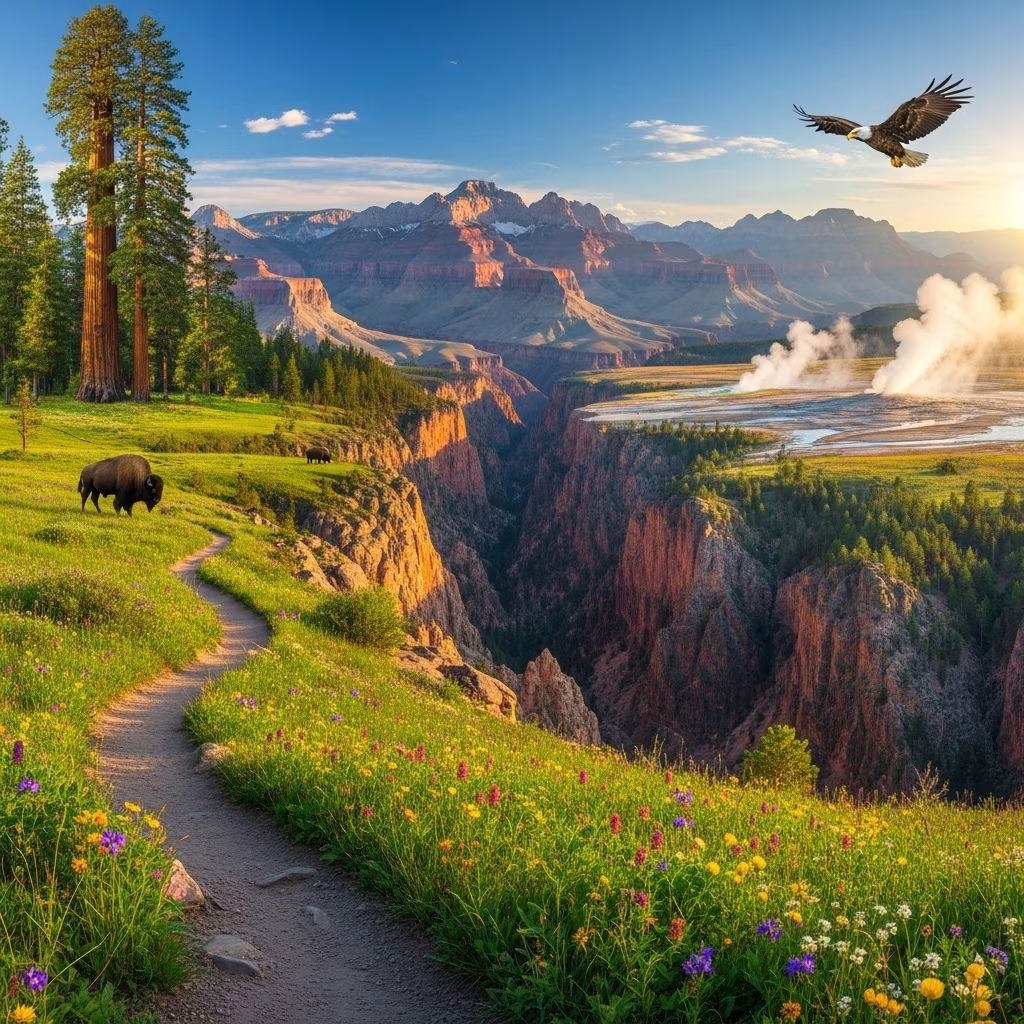
- Renowned for the iconic Old Faithful geyser, the multicolored Grand Prismatic Spring, and an extensive collection of geothermal features.
- Wildlife abounds: bison herds, elk, bears, wolves, and bald eagles call this park home.
- Over 2 million acres provide opportunities for hiking, camping, and the famous scenic Grand Loop drive.
2. Grand Canyon National Park
Location: Arizona
- One of the most visited natural attractions in the world, featuring the enormous Grand Canyon carved by the Colorado River.
- Offers awe-inspiring vistas, dramatic overlooks, and sunrise and sunset moments you’ll never forget.
- Popular activities include hiking the Rim Trail, venturing into the canyon on the Bright Angel Trail, and rafting the river below.
3. Yosemite National Park
Location: California
- Iconic for its granite cliffs such as El Capitan and Half Dome, along with majestic waterfalls like Yosemite Falls.
- Ancient sequoia trees thrive in Mariposa Grove.
- Perfect for hiking, climbing, camping, and photographing unforgettable views of the Yosemite Valley.
4. Zion National Park
Location: Utah
- Celebrated for towering red rock formations and the emerald pools of Zion Canyon.
- Adventurous hikers flock to Angels Landing and the water-carved Narrows.
- Wildlife such as bighorn sheep and condors can be seen throughout the park.
5. Glacier National Park
Location: Montana
- Known as the “Crown of the Continent” for its striking peaks, turquoise lakes, and sweeping valleys carved by glaciers.
- Features more than 700 miles of hiking trails and the famed Going-to-the-Sun Road.
- Popular with hikers, kayakers, and cross-border explorers (connected to Canada’s Waterton Lakes National Park).
6. Acadia National Park
Location: Maine
- The Northeast’s only national park, renowned for craggy coastlines, granite peaks, and lush forests meeting the sea.
- Cadillac Mountain offers stunning sunrise views — among the earliest in the continental U.S.
- Biking on the historic carriage roads is a highlight for visitors.
7. Olympic National Park
Location: Washington
- A uniquely diverse park featuring lush temperate rainforests, wild Pacific coastline, and glaciated mountain peaks.
- Hike the Hoh Rainforest for surreal moss-draped trees, or stroll Rialto Beach for dramatic views of sea stacks.
- Wildlife includes elk, black bears, otters, and bald eagles.
8. Rocky Mountain National Park
Location: Colorado
- Encompasses towering peaks, subalpine lakes, vast meadows, and alpine tundra.
- The scenic Trail Ridge Road soars above 12,000 feet.
- Every season offers new beauty, from wildflower-filled summers to golden aspens in fall.
9. Arches National Park
Location: Utah
- Famous for over 2,000 natural sandstone arches as well as soaring pinnacles and balanced rocks.
- The Delicate Arch is a symbol of the American Southwest and a must-see sunset spot.
- Best visited in spring or fall to avoid intense summer heat.
10. Grand Teton National Park
Location: Wyoming
- The jagged peaks of the Teton Range rise dramatically above alpine lakes and verdant valleys.
- Popular for mountaineering, scenic drives, and spotting wildlife like moose and bison.
- Jackson Hole and the Snake River enhance its beauty and recreational opportunities.
11. Joshua Tree National Park
Location: California
- Named for its twisted, spiky Joshua trees found at the intersection of two deserts: the Mojave and the Colorado.
- Famed for giant boulders, surreal landscapes, and world-class stargazing.
- Hikers and rock climbers flock here for the otherworldly views.
12. Everglades National Park
Location: Florida
- America’s largest subtropical wilderness, home to alligators, manatees, crocodiles, and hundreds of bird species.
- Boardwalks and boat tours offer up-close looks at unique wetlands ecosystems.
- Wildlife viewing, birdwatching, and photography are popular all year round.
13. Shenandoah National Park
Location: Virginia
- Famous for Blue Ridge Mountain vistas and over 200,000 acres of protected forests.
- The Skyline Drive is a must-see, especially in autumn when the leaves blaze with color.
- Hundreds of miles of trails include a section of the Appalachian Trail.
14. Great Smoky Mountains National Park
Location: Tennessee, North Carolina
- America’s most visited national park, known for misty mountains and an astounding variety of flora and fauna.
- Wildflowers, waterfalls, historic cabins, and wildlife like black bears await explorers.
- Hiking, fishing, camping, and scenic drives are all popular pursuits.
15. Hawai’i Volcanoes National Park
Location: Hawaii (Big Island)
- See active Kīlauea and Mauna Loa volcanoes sculpting the landscape before your eyes.
- Lava tubes, steaming craters, rainforests, and cultural sites offer a glimpse into Mother Nature’s power and native Hawaiian heritage.
- Nighttime is ideal for viewing glowing volcanic activity when eruptions occur.
16. Bryce Canyon National Park
Location: Utah
- Distinguished by amphitheaters filled with fiery-red hoodoos — whimsical rock formations sculpted by wind and frost.
- Stargazing is world-class thanks to clear, dark skies.
- Popular trails include the Navajo Loop and Queens Garden.
17. Sequoia National Park
Location: California
- Home to the planet’s largest trees, including the General Sherman — the world’s largest tree by volume.
- Explore groves of ancient sequoias, granite domes, and vast wilderness.
- Moro Rock offers a panoramic viewpoint above the forest canopy.
18. Badlands National Park
Location: South Dakota
- Otherworldly landscapes of layered rock formations, steep canyons, and fossil beds.
- Bison, prairie dogs, bighorn sheep, and raptors are frequently spotted.
- The park’s wild expanses are best explored on foot via scenic hiking trails.
19. Denali National Park
Location: Alaska
- Dominated by Denali, North America’s highest peak at 20,310 feet (once known as Mt. McKinley).
- Vast tundra, boreal forest, and abundant wildlife: grizzly bears, wolves, and caribou roam free.
- Backcountry camping and bus tours provide access to this pristine wilderness.
20. Mount Rainier National Park
Location: Washington
- Centered around the glacier-capped Mount Rainier, an active volcano rising over 14,400 feet.
- Halcyon wildflower meadows, ancient forests, and breathtaking viewpoints define the park.
- Popular routes include the Wonderland Trail and Paradise for summer blooms.
21. Canyonlands National Park
Location: Utah
- A dramatic landscape of mesas, buttes, canyons, and spires shaped by the Colorado and Green Rivers.
- Island in the Sky offers incredible panoramic overlooks.
- Remote Needles and Maze districts reward intrepid hikers and 4WD enthusiasts.
22. Death Valley National Park
Location: California, Nevada
- The hottest, driest, and lowest park in the USA, with extreme landscapes of sand dunes, salt flats, and canyons.
- Come in winter or spring for brilliant wildflower blooms and milder weather.
- Don’t miss Badwater Basin and Zabriskie Point.
23. Big Bend National Park
Location: Texas
- Where the Rio Grande bends through the Chihuahuan Desert, revealing canyons, mountains, and night skies filled with stars.
- Home to diverse geology, ancient fossils, and unique wildlife like roadrunners and javelinas.
- Activities include canoeing, hiking, birdwatching, and camping under vast Texas skies.
24. Congaree National Park
Location: South Carolina
- America’s largest tract of old-growth bottomland hardwood forest, designated as a UNESCO biosphere reserve.
- Elevated boardwalks wind through lush swamps, with champion trees towering above.
- Popular for hiking, canoeing, kayaking, and birdwatching.
25. Capitol Reef National Park
Location: Utah
- Known for the Waterpocket Fold, a dramatic warp in the earth stretching nearly 100 miles.
- Sandstone domes, cliffs, and canyons in brilliant red hues create a painterly landscape.
- Night skies here are some of the darkest and most dazzling in the West.
Table: Quick Guide to Must-Visit National Parks
| Park Name | State(s) | Famous Feature | Top Activity |
|---|---|---|---|
| Yellowstone | WY/MT/ID | Geysers & Wildlife | Hiking |
| Grand Canyon | AZ | Canyon Vistas | Scenic Overlooks |
| Acadia | ME | Coastal Mountains | Biking, Sunrise Views |
| Yosemite | CA | Granite Cliffs | Photography, Climbing |
| Great Smoky Mountains | TN/NC | Wildflowers | Scenic Drives |
| Big Bend | TX | Rio Grande & Fossils | Stargazing |
Frequently Asked Questions
Q: What is the best time of year to visit America’s national parks?
A: It varies by park and region. Generally, late spring and early fall offer milder weather and lighter crowds for most destinations. Some desert parks (like Joshua Tree and Death Valley) are best from November to March, while alpine parks like Glacier and Rocky Mountain are most accessible from June to September.
Q: Which national park is the most family-friendly?
A: Many parks offer excellent family amenities, but Yellowstone, Grand Canyon, and the Great Smoky Mountains are especially popular for all ages due to visitor centers, short trails, educational ranger programs, and abundant wildlife viewing opportunities.
Q: What park is best for wildlife watching?
A: Yellowstone National Park stands out for its impressive range of mammals and birds. However, parks like Everglades, Denali, and Big Bend also offer unforgettable wildlife encounters.
Q: Can I camp in these national parks?
A: Most featured national parks have developed campgrounds suitable for tents and RVs. Backcountry permits are available for wilder adventures. Always reserve early, especially during peak seasons, and follow each park’s Leave No Trace principles.
Q: Are pets allowed in national parks?
A: Pets are welcome in most developed areas, campgrounds, and some paved trails, but generally prohibited on wilderness trails for wildlife protection. Check individual park regulations before visiting.
Insider Tips for National Park Travelers
- Arrive early in the day to avoid parking woes and crowds, especially during holidays and peak season.
- Check park websites for up-to-date closures, weather alerts, and road conditions.
- Join a ranger program for expert-led hikes and fascinating natural or cultural insights.
- Be a responsible visitor: Pack out all trash, respect wildlife from a distance, and stay on marked trails.
- Don’t forget to bring sufficient water, sun protection, and layers for changing weather conditions.
- Support conservation by purchasing park passes, souvenirs, or donating to the National Park Foundation.
Why Visit America’s National Parks?
America’s national parks proudly showcase the dazzling diversity of the country’s landscapes and heritage. With each visit, you support public lands preservation, inspire the next generation of nature lovers, and make unforgettable memories amid some of the world’s most dramatic natural wonders.
References
- https://www.wilderness.org/articles/article/americas-best-kept-secrets-20-unique-national-parks
- https://57hours.com/best-of/hiking-national-parks/
- https://www.mentalfloss.com/article/647217/best-national-parks-america
- https://www.countryliving.com/life/travel/g34380668/best-national-park-in-every-state/
- https://www.countryliving.com/life/travel/news/a39479/data-scientist-maps-ultimate-american-road-trip/