Portugal’s Douro Valley and Its Iconic Port Wine
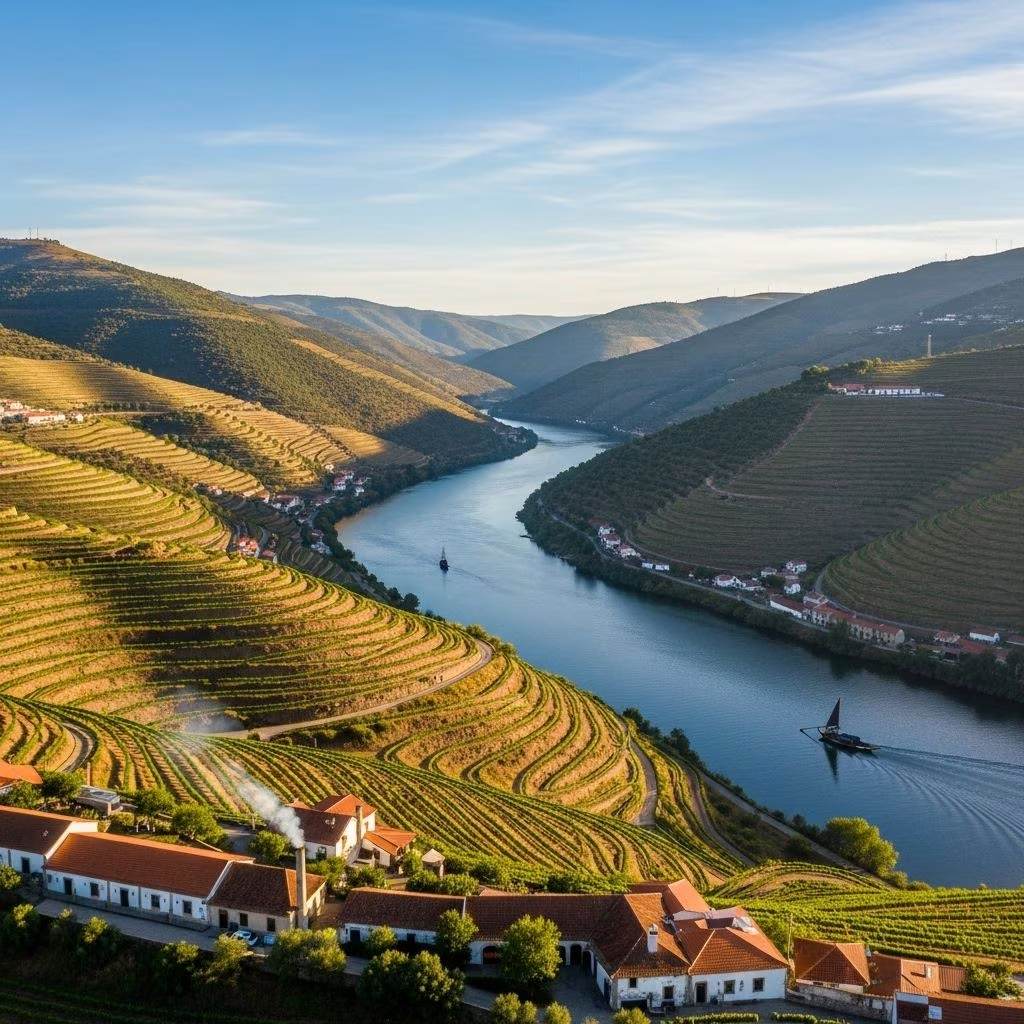
Set in northern Portugal, Douro Valley unfurls as a tapestry of terraced hillsides, sleepy villages, and centuries-old vineyards where the world’s beloved port wine was born. While many renowned European river valleys boast castles and fortifications, the Douro River’s winding landscape stands apart for its agricultural bounty and tranquil cellars—the only thing truly fortified here is its wine.
Where Geography Meets Legacy
Running approximately 60 miles eastward from the vibrant city of Porto, the Douro Valley is visually stunning. The region’s steep, twisting valleys have been laboriously sculpted for generations, resulting in tidy vineyards etched into the mountainside. Depending on the season, every visit draws out a new palette—from dusty browns of winter to lush greens and fiery golds in autumn.
- Location: Northeast of Porto, stretching inland from the Atlantic coast.
- Climate: Hot, dry summers and cool, wet winters—ideal for grape cultivation.
- Landscape: Terraced hillsides carved to maximize sun exposure and water efficiency.
- Cultural status: UNESCO World Heritage Site and one of the world’s oldest wine regions.
The Heartbeat of the Douro: Port Wine
The Douro Valley is the only region authorized to produce the distinctive port wine. Its history stretches back centuries, intertwining agricultural innovation with relentless hard work. Port is famed as a fortified wine—with brandy added to arrest fermentation, preserving the natural sweetness and boosting the alcohol content.
- Varieties: Including Touriga Nacional (red), Alvarinho, and Verdelho (white).
- Production: Grapes are mostly handpicked and traditionally crushed by foot for quality—industrial machinery is still unable to match the results.
- International acclaim: Port’s unique flavor profile is coveted worldwide, but only bottles from Douro Valley can legally bear the name “port wine”.
The River That Shapes a Region
Unlike other legendary European rivers, the Douro never served as a strategic military corridor and does not host castles or imposing fortresses. Instead, its banks are dotted with quintas—family-run vineyards that have sustained communities for generations. These quintas offer a rare view into local life, from cultivation and harvest to tastings under shady trees.
| Douro Valley | Other European River Valleys |
|---|---|
| Terraced vineyards & farms | Castles, palaces, and fortifications |
| Wine as central tradition | Historic battles and politics |
| Scenic tranquility and agricultural focus | Tourist sites built on conquest and defense |
Porto: Gateway to the Douro
The journey into Douro Valley often begins in Porto, Portugal’s dynamic second city. Here, the Rio Douro meets the Atlantic, and the region’s port wine traditions are rooted in the riverfront district of Vila Nova de Gaia. Since 1638, Gaia’s cellars have aged and sold Portugal’s famous export.
- Porto’s specialties: Seafood, fado music, iconic tilework, and wine houses.
- Vila Nova de Gaia: The hub for port warehouses; merchants receive wine from Douro, age it, and ship worldwide.
- Access: Porto is about three hours by train from Lisbon, making the Douro region especially appealing for travelers exploring Portugal.
Quintas: The Soul of Douro’s Vineyards
Life in Douro Valley revolves around its quintas. These traditional wine estates are often family-owned, with knowledge passed down generations. Quintas open their doors to curious visitors, offering tastings, hospitality, and sometimes even accommodation amidst the vines.
- Experience: Guided tours reveal the methodical care from vineyard to bottle.
- Port-making process: From handpicking grapes, foot-crushing, fermentation, to barrel aging.
- Social aspect: Sharing home-cooked meals and wine fosters a connection to the region’s people and culture.
From Vine to Glass: The Process of Port Wine
The journey from grape to port wine reflects a blend of tradition and patience. Grapes flourish on sloped terraces, drawing water from deep beneath the soil. Despite technological advances, high-quality port is still made largely by hand, reinforcing its reputation as a labor of love.
- Harvest: Teams select ripe grapes by hand, ensuring only the best fruit.
- Traditional crushing: Grapes are stomped by foot—a technique believed to offer a gentler and more effective extraction for complex, nuanced flavors.
- Fermentation & fortification: Brandy is added, halting fermentation and boosting alcohol—preserving a natural sweetness unique to port.
- Aging: Wine is barreled in cool cellars, sometimes for decades, to develop depth and character.
- Bottling: Only port wine produced and bottled in the Douro can bear the official designation.
Seasons in the Douro
The Douro Valley’s landscape shifts dramatically throughout the year, offering unique perspectives for those fortunate enough to visit in various seasons. Autumn brings glowing reds and golds, while spring offers fresh greenery and the sight of workers caring for the vineyards.
- Spring: Lush new growth, vineyard workers prepare for the harvest.
- Summer: Grapes ripen, terraces are alive with activity.
- Autumn: Harvest and brilliant color changes—spectacular views and festivals.
- Winter: Quiet and contemplative; a time of rest for the vines.
Traveling the Douro Valley
Experiencing the Douro Valley is a highlight for travelers seeking authenticity and beauty off the beaten path. Its sleepiness evokes a sense of timelessness, where daily rhythms are dictated by the land, and tradition takes precedence over speed or scale.
- River cruises: Sail along the Douro to witness the terraced vineyards firsthand.
- Train journeys: Scenic rail lines wind along the river, unveiling breathtaking vistas.
- Vineyard stays: Many quintas offer immersive overnight experiences, perfect for wine lovers.
- Local village life: Encounter small towns and their convivial rhythms, markets, and culinary traditions.
FAQ: Douro Valley and Port Wine
Q: Can I visit wineries in the Douro Valley?
A: Yes, many quintas welcome guests for tours, tastings, and sometimes farm-to-table meals—offering an authentic look at local life.
Q: What makes port wine unique?
A: Port wine’s distinctiveness lies in its fortification with brandy, early fermentation arrest, and aging process—yielding a sweet, robust wine found rarely elsewhere.
Q: How do I travel to the Douro Valley from Porto?
A: The valley is accessible by train, car, and boat, with scenic routes revealing dramatic landscapes and vineyard vistas.
Q: Is Douro Valley recognized by UNESCO?
A: Yes, the Douro Valley is a designated UNESCO World Heritage Site, celebrated for its cultural landscape and historic viticulture.
Q: Are there other wines produced here?
A: While port is the region’s hallmark, Douro Valley also produces celebrated reds and whites such as Touriga Nacional and Alvarinho.
Tips for an Unforgettable Douro Valley Experience
- Travel during the harvest season (late summer/early autumn) for the most vibrant scenery and wine activities.
- Take guided tours at family-run quintas for a personalized and educational insight into winemaking.
- Sample local cuisine—meals are typically served with regional wines, enhancing the flavors of both.
- Bring comfortable walking shoes to explore the terraced landscape.
- Consider a river cruise for panoramic views and hassle-free traversal.
Conclusion: Why the Douro Endures
The Douro Valley’s allure is rooted in its stunning physical beauty, deep ties to viticulture, and the resilient, tradition-bound communities that maintain its international reputation. Visitors leave not only with memories of fine port wine but also with a deeper appreciation for Portugal’s heartland and the generations of hard work that have shaped every bottle. This region is a testament to the enduring relationship between people and place—a living, breathing landscape forged from stone, sun, and the joy of the harvest.
References
- https://www.islands.com/1924206/porto-portugal-best-place-wine-tasting-vila-nova-de-gaia-district/
- https://blog.ricksteves.com/blog/douro-valley-wine/
- https://www.youtube.com/watch?v=UcY8l0AODFU
- https://www.ricksteves.com/watch-read-listen/read/articles/douro-valley-portugal
- https://www.ricksteves.com/watch-read-listen/video/travel-talks/beyond-lisbon
- https://www.ricksteves.com/europe/portugal/douro-valley
- https://www.ricksteves.com/watch-read-listen/read/articles/the-history-of-port
- https://www.ricksteves.com/watch-read-listen/video/douro-valley-port-wine
- https://community.ricksteves.com/travel-forum/portugal/douro-valley-tour-recommendations