10 Offensive Latino Halloween Costumes to Avoid
With Halloween around the corner, many turn to creative or eye-catching costumes. But not all choices are harmless fun, especially when they play off harmful cultural stereotypes or reduce vibrant identities to caricatures. Latino-themed costumes are among the most problematic, often perpetuating misconceptions, racism, and cultural appropriation. This article highlights ten historically offensive Latino Halloween costumes, explaining their origins, why they’re harmful, and how to make better choices this season.
Why Certain Costumes Cross the Line
Before diving into specific examples, it’s important to recognize why Latino-inspired costumes can be offensive:
- Stereotyping: These costumes usually exaggerate clichés about Latino culture—from the “drunken Mexican” to hypersexualized Latinas, these stereotypes have real-world consequences.
- Reducing a Culture to a Joke or Prop: Wearing a sombrero or fake mustache is not “appreciating” culture—it’s trivializing rich histories and experiences.
- Cultural Appropriation: Celebrated cultural symbols (like “Día de los Muertos” skull makeup) mean much more than party gear; using them as costumes often overlooks their deep significance.
- Reinforcing Racism and Sexism: Many costumes sexualize, criminalize, or dehumanize Latinx communities, echoing negative narratives long used to marginalize them.
1. “Tequila Pop Dude”
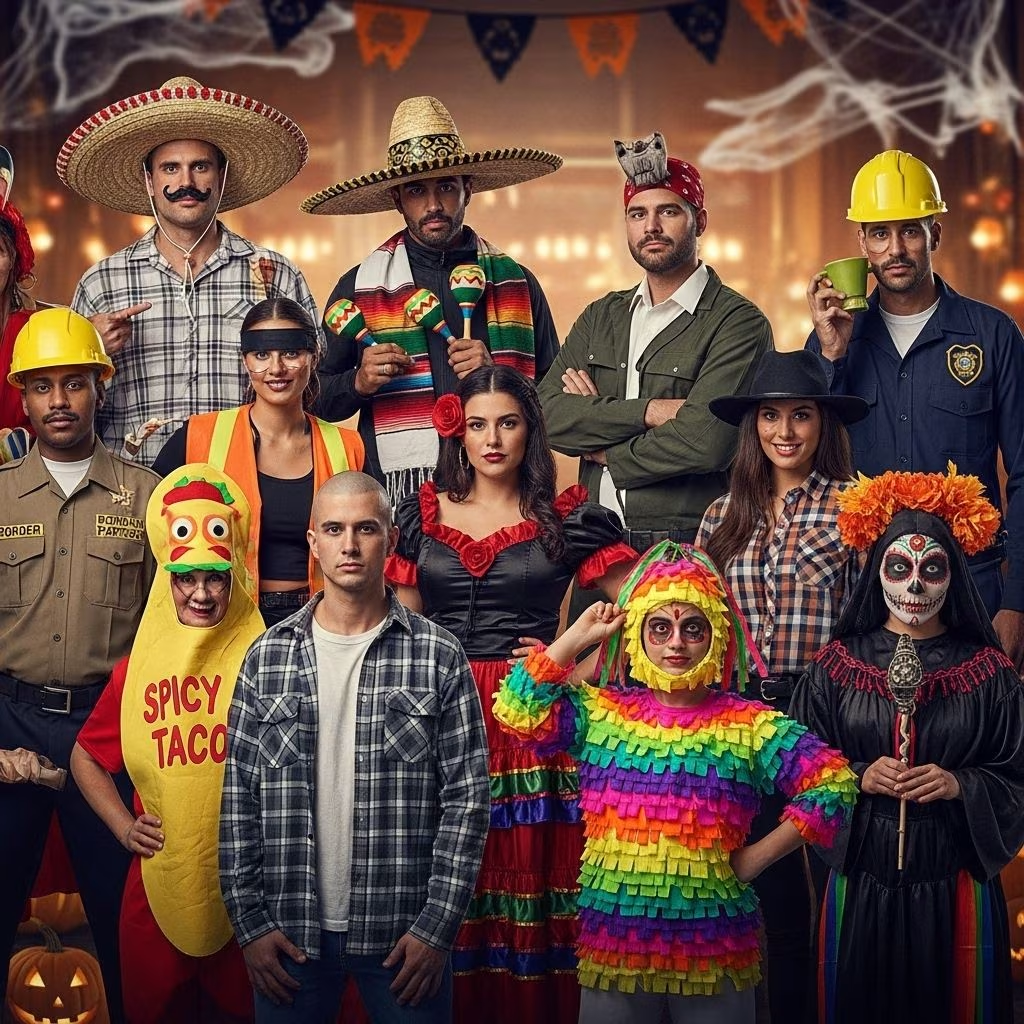
This costume typically includes a large sombrero, serape, fake mustache, and a belt lined with shot glasses or bottles labeled “tequila.” Although presented as lighthearted, it embodies the tired “drunken Mexican” stereotype, reducing a culture to partying and excess. Such imagery not only mocks but also perpetuates prejudices, ignoring the diversity and dignity of real people.
2. “Hey Amigo Mexican”
This so-called “Hey Amigo Mexican” outfit is often no more than a poncho, sombrero, and oversized mustache. It flattens Mexican identity into a costume joke and reinforces harmful stereotypes about appearance and mannerisms. The joke is at the expense of those living with these assumptions daily, making it deeply offensive.
3. “Sexy Shooter Girl”
The “Sexy Shooter Girl” costume blends sexualization with cultural mockery—often with a revealing outfit, toy guns, and Mexican motifs. Hypersexualized representations contribute to the fetishization of Latinas, reducing their rich experiences to fantasies for others. This not only objectifies women but also disregards ongoing struggles for dignity and accurate representation.
4. “Latin Dancer” or “Tutti Frutti Lady” (Carmen Miranda)
Inspired by the iconic Carmen Miranda, the so-called “Latin Dancer” (often sporting a fruit-laden hat) caricatures Latin American dance and fashion. Carmen Miranda was herself criticized for fueling stereotypes in Hollywood, and these costumes continue that legacy. Instead of celebrating the true artistry and history of Latin dance, these outfits reduce it to a visual gag for parties.
5. “Sugar Skull Makeup” (Día de los Muertos)
Día de los Muertos (Day of the Dead) is a sacred Mexican holiday honoring ancestors, not a chance to play dress-up. Sugar skull makeup represents spiritual and family traditions. When used as a Halloween costume, it ignores the holiday’s meaning and significance—turning reverence into a punchline or trend. This is disrespectful cultural appropriation, especially when divorced from its roots.
6. “Mayan Costume Adult Aztec Queen Indian Mexican Halloween Fancy Dress”
This hybrid costume blends Aztec and Mayan imagery—which are distinct, ancient, and deeply meaningful civilizations—with generic “Indian” tropes. These misrepresentations lump together diverse histories and reinforce the harmful notion that Indigenous cultures are interchangeable or frozen in the past. Such costumes rob Indigenous peoples of their voice and identity, trivializing their living legacies.
7. “Sexy Mariachi” and “Señorita Mariachi”
Traditional mariachi is an elaborate and dignified musical tradition with roots in Mexican history. Costumes that sexualize or joke about mariachi attire—by cropping skirts or adding suggestive elements—mock the efforts of women mariachis struggling for respect in a male-dominated profession. Instead of celebrating musical heritage, they reduce skilled artists to objects for amusement.
8. “Sexy Illegal Alien”
Among the most offensive is the “Sexy Illegal Alien” costume, which combines a tight dress, metallic (often green) accessories, and “alien” props with stereotypical Mexican symbols like sombreros and handcuffs. The play on words trivializes the real hardships faced by undocumented immigrants, turning trauma and struggle into a joke. This is not only culturally insensitive but also cruelly mocks those seeking better lives.
9. “Little Amigo” (Children’s Stereotype Costumes)
Children’s costumes with names like “Little Amigo” dress kids in sombreros, fake mustaches, or ponchos. Instilling these stereotypes at an early age perpetuates misconceptions and desensitizes young people to the normalization of racism. Dressing a child in such an outfit is no more appropriate than any offensive costume based on race, religion, or tragedy.
10. “Sexy Border Patrol Agent”
Given the divisive and painful realities around immigration enforcement, dressing as a “sexy” border patrol agent trivializes suffering and fear. The costume often frames immigration as a joke and, by sexualizing it, disregards real suffering, harassment, and trauma faced by many. It is particularly insensitive in today’s political climate, where such issues are urgent and hotly debated.
Stereotypes vs. Heritage: Why It Matters
Some argue that wearing these costumes is harmless or a form of cultural appreciation. However, there’s a big difference between respectful engagement and mockery. Costumes that reinforce stereotypes hurt by:
- Perpetuating harmful images that shape public perception and policy
- Undermining the real struggles and triumphs of Latinx communities
- Making a person’s identity seem like a prop or joke for others’ amusement
Better Costume Choices: How to Avoid Cultural Appropriation
- Choose characters, not cultures. Costumes based on fictional characters, animals, or historic figures (done respectfully) are far less likely to offend.
- If you admire something from a culture, learn about its history and context. Celebrate diversity by supporting authentic artisans or showcasing real cultural practices at appropriate events.
- When in doubt, ask yourself: Would someone from this culture be proud to see me wear this? Or would they find it insensitive?
Stereotypes Commonly Reinforced by These Costumes
| Costume Example | Common Stereotype | Why Problematic |
|---|---|---|
| “Tequila Pop Dude”, “Hey Amigo Mexican” | Drunkenness, laziness | Reduces people to faults; increases discrimination |
| “Sexy Shooter Girl”, “Sexy Illegal Alien” | Hypersexualization, criminality | Fetishizes women and criminalizes identities |
| “Sugar Skull Makeup” | Cultural practices as mere costume | Treats sacred rituals and beliefs as trends |
| “Mayan/Aztec Queen” | Indigenous cultures as relics, interchangeable | Destroys cultural specificity and current relevance |
| “Sexy Border Patrol Agent” | Minimizing trauma, institutional violence | Makes light of serious social issues |
Frequently Asked Questions (FAQs)
Q: Is it ever okay to wear a costume inspired by another culture?
A: Wearing costumes inspired by cultural traditions is only appropriate when done with deep understanding, consent, and respect—never as a punchline, stereotype, or trend. If unsure, avoid costume choices that take cultural dress or sacred symbols out of context.
Q: What if I don’t mean to offend—does intent matter?
A: While intent matters, it does not erase the harm caused. Even unintentional use of stereotypical or appropriated costumes can perpetuate negative perceptions and reinforce systemic disrespect.
Q: Isn’t imitation a form of flattery?
A: True appreciation of a culture means taking time to learn, understand, and honor its customs—often by supporting cultural events or creators on their terms. Reducing cultures to costumes often has roots in mockery and colonial mindsets, not genuine admiration.
Q: Can I wear sugar skull makeup or Día de los Muertos attire on Halloween?
A: Día de los Muertos and Halloween are separate traditions. Wearing sugar skull makeup outside of Day of the Dead celebrations, and without understanding or honoring the holiday’s meaning, is often considered disrespectful appropriation.
Helpful Resources and Further Reading
- Look for organizations or digital campaigns dedicated to celebrating Latinx and Indigenous heritage and preventing cultural appropriation.
- Follow voices from Latinx communities for their perspectives on these issues.
- Consider costumes that highlight celebrated pop culture characters or abstract themes, steering away from ethnic, religious, or racial stereotypes.
Remember: Halloween should be fun for everyone—without turning someone’s heritage or history into a one-night gag. By making conscious choices, you contribute to a more inclusive and respectful celebration for all.
References
- https://www.cosmopolitan.com/style-beauty/fashion/news/a32349/offensive-latina-costumes/
- https://www.cosmopolitan.com/style-beauty/fashion/news/g5103/offensive-latino-halloween-costumes/
- https://hwchronicle.com/102926/features/not-your-costume/
- https://lbcurrent.com/opinions/2023/10/26/risks-of-appropriation-costumes-to-avoid-this-halloween-season/
- https://kscequinox.com/2017/10/students-should-be-aware-of-all-offensive-halloween-costumes/
- https://will.illinois.edu/news/story/halloween-cultural-costumes-raising-debate-on-stereotypes-and-racism
- https://www.usatoday.com/story/life/parenting/2019/10/18/cultural-appropriation-kids-halloween-costumes-parents-guide/3990124002/