The TSA Dog Adoption Program: Offering Canine Heroes a Home Beyond Service
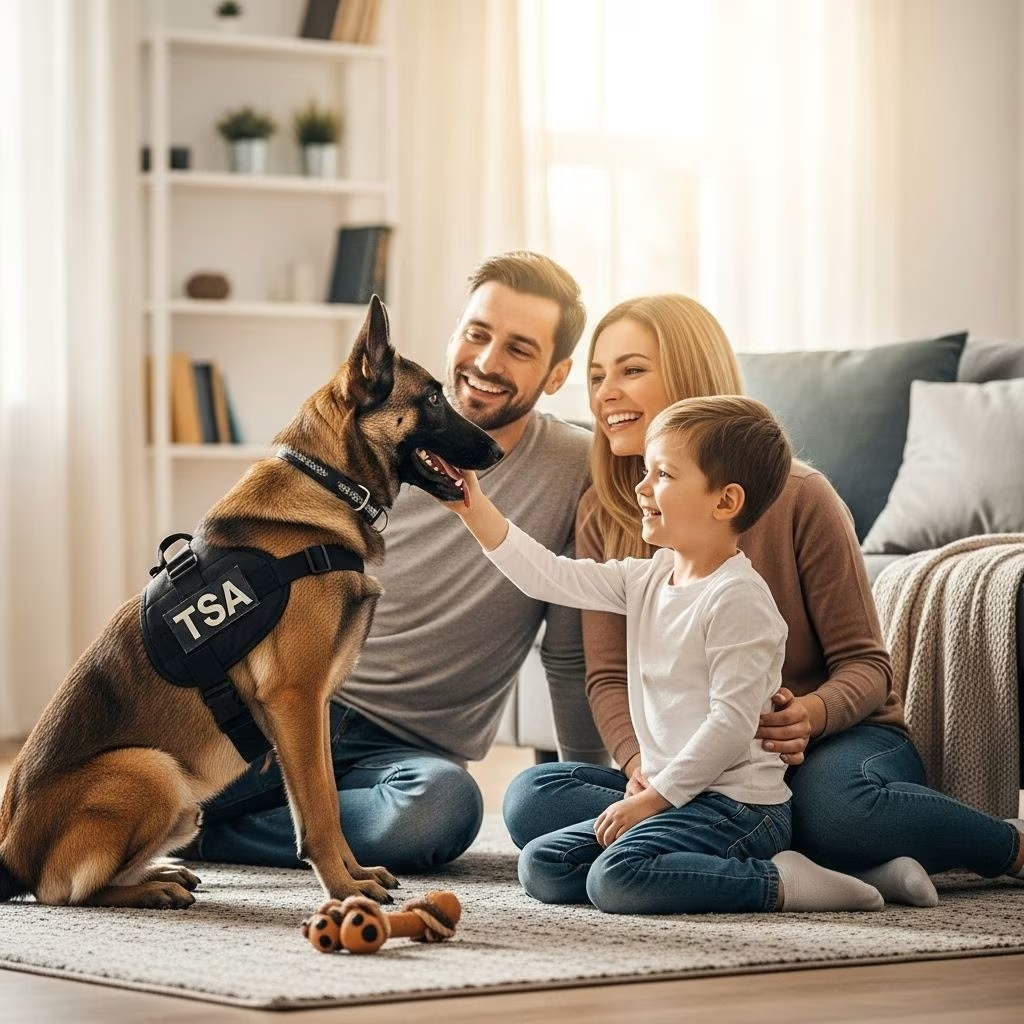
Every year, the Transportation Security Administration (TSA) trains hundreds of talented dogs to detect threats and keep the public safe at airports and transportation hubs across the United States. While many excel at their roles, not all trainees are cut out for the demanding job. Some dogs are a bit too friendly, others a bit too energetic, while a few simply prefer cuddles to rigorous training. Instead of letting these lovable pups go to waste, the TSA has established an adoption program that gives these dogs—plus retired canine officers—a loving family and a fresh start.
Why TSA Dogs Become Adoptable
There are several reasons why a TSA working dog may become available for adoption:
- Did not pass training: Dogs that are too excitable, easily distracted, too gentle, or not suited for working environments.
- Retirement: After years of service, retired TSA dogs are looking for a well-deserved, relaxing home life.
- Health or temperament: Sometimes health issues or temperament mismatches make it unwise for a dog to continue or start service work.
Who Can Adopt a TSA Dog?
The TSA dog adoption program isn’t open to just anyone. The agency is committed to making sure every dog is placed in a safe, responsible, and prepared home. Potential adopters must meet several key requirements to be considered:
- Fenced-in yard: Applicants must have a secure, fenced yard to provide space for exercise and play.
- Apartments and homes without secure outdoor space aren’t eligible.
- No significant moves planned: The family should not plan a major move within six months of adopting, ensuring stability for the dog.
- Compliance with local pet laws: The home and family must abide by all relevant local animal ordinances and pet ownership laws.
- Pet health standards: Any existing pets in the home must have up-to-date vaccinations and preventive care.
- Commitment to care: Adopters must pledge to provide adequate medical attention, training, daily exercise, and companionship.
- Appropriate fit for households: The adoption coordinator will factor in the age of children and other circumstances to ensure the best match for both the dog and the family.
Which Dog Breeds Are Available Through TSA Adoption?
The TSA primarily works with medium-to-large sporting and herding breeds that possess the drive and intelligence needed for detection work. Most dogs available for adoption fall into these categories:
- Labrador Retrievers: Friendly, energetic, and keen noses make them a TSA favorite.
- German Shorthaired Pointers: Active and trainable; another common option.
- Occasionally, German Shepherds and Belgian Malinois become available, but generally these are placed with law enforcement or military partners rather than the public.
Breed or sex-specific requests can slow down the adoption process, as the program’s priority is to find the most suitable home for each dog’s unique temperament and needs.
Step-by-Step: How to Adopt a TSA Dog
The adoption process is thorough to ensure each dog ends up in a home prepared to offer them the best possible life. Here’s how it works:
- Submit Your Application
- Contact the TSA adoption coordinator via the official email address to request forms and start the process.
- Include details about your household, yard, current pets, children, routines, and previous dog experience.
- Reference and Home Review
- The coordinator will check your references, speak with household members, and confirm information with your veterinarian.
- You may be asked for photographs showing your yard, fencing, and areas the dog will access.
- Added to the Wait List
- Approved applicants are placed on a waiting list (the wait can range from 3 months to a year).
- When a dog whose profile fits your home becomes available, you’ll receive their photo and details.
- Meet-and-Greet
- Families are invited to meet the dog(s) in person at the Joint Base San Antonio-Lackland facility in Texas.
- You may need to make more than one visit to ensure the fit is right—the TSA can’t reserve a dog indefinitely.
- Make Your Selection
- Choose the best match based on personality, energy level, and fit for your family and routines.
- Consider bringing all family members (including resident friendly dogs, if allowed).
- Finalize the Adoption
- Complete all paperwork, including microchip registration and health transfers.
- The process may take a few days to a few weeks, depending on the dog’s status and required checks.
- Adoption Day
- Arrive in San Antonio with a leash, collar, and appropriately sized crate.
- TSA provides a month’s supply of flea and heartworm prevention, three days of food, and all medical records.
- You must transport the dog home yourself; the TSA does not ship dogs.
Costs and Considerations
Adopting a TSA dog is free—there are no application or adoption fees—but all travel arrangements to and from San Antonio are the adopters’ responsibility. Consider:
- Potential travel costs for visits, especially if out of state.
- Multiple trips may be required if initial meet-and-greet isn’t a perfect fit.
- Bringing appropriate gear to take the dog home safely.
All future costs for veterinary care, food, supplies, and training are your responsibility once the dog joins your family.
What to Expect from an Adoptable TSA Dog
Most TSA adoptable dogs share several key characteristics:
- High Energy: These dogs are bred and trained for active jobs and will need regular exercise and mental stimulation.
- Often Untrained or Not Housebroken: Some dogs did not complete training, meaning they may need basic obedience work and patience during adjustment.
- No History of Abuse: These dogs aren’t rescue animals in the traditional sense—they have been well cared for but are career mismatches.
- Potential for Amazing Companionship: With training and time, many become loving, loyal pets.
TSA Dog Adoption Program: At a Glance
| Aspect | Details |
|---|---|
| Breeds Commonly Available | Labrador Retriever, German Shorthaired Pointer |
| Cost | Free (travel expenses not included) |
| Location | San Antonio, Texas (Joint Base San Antonio-Lackland) |
| Requirements | Fenced yard, stability, up-to-date existing pet care |
| Typical Wait Time | 3 months to 1 year |
| Dog Age Range | Puppies to seniors |
| Training Level | Varies (some basic, some need obedience training) |
Tips for a Smooth TSA Dog Adoption
- Be patient: The process can take time. Use the wait to prepare your home and routines for a new, energetic family member.
- Train early and often: Invest in basic obedience lessons to help the dog adjust to pet life.
- Maintain routine: Dogs trained in service thrive on structure. Regular walks, feeding times, and play will help them settle.
- Gradually introduce pets: If you have other pets, make introductions slowly and under supervision.
- Stay in touch with your vet: Keep up a schedule for vaccinations, annual exams, and preventive care from day one.
Frequently Asked Questions: TSA Dog Adoption Program
What is the main reason most dogs don’t make it as TSA K-9s?
Dogs are often too rambunctious, overly sociable, or simply prefer relaxing over the intensity of detection work.
How much does it cost to adopt a former TSA dog?
There are no adoption fees, but adopters must cover all travel costs to and from San Antonio, Texas, as the TSA does not ship dogs.
What kind of environment is best for a TSA dog?
These high-energy breeds need a spacious, secure yard, plenty of exercise, and families committed to their health and well-being.
Are TSA dogs housebroken or obedience trained?
Most are not fully housebroken or obedience trained, especially those that didn’t complete training; consistent support is essential after adoption.
Can I request a particular breed, age, or sex?
Specific requests are accepted but will increase your wait time, as placement is based on compatibility above all else.
Do I need to be located in Texas to adopt?
No, but all adoptive families are required to travel to San Antonio in person for meet-and-greet and pickup; dogs will not be shipped or transported by the TSA.
Final Thoughts: Giving a TSA Dog a Second Chance
Opening your home to a former or retired TSA dog is more than pet adoption—it’s an act of gratitude for animals who have devoted themselves (or tried their best) to public service. While not every dog perfectly fits the high-stakes role of an explosives detection expert, every dog adopted through the TSA program has abundant potential to become a cherished member of your family. With patience, care, and commitment, you could provide the forever home every one of these heroes deserves.
References
- https://www.adoptapet.com/blog/adoption/tsa-dog-adoption
- https://www.fox5dc.com/news/tsas-k-9-adoption-program-how-you-can-take-home-a-dog-not-cut-out-for-agency
- https://www.reginfo.gov/public/do/DownloadDocument?objectID=73793502
- https://www.tsa.gov/travel/frequently-asked-questions/what-breeds-dogs-are-available
- https://www.youtube.com/watch?v=kR2EdKt4MZE
- https://www.federalregister.gov/documents/2025/08/04/2025-14650/intent-to-request-extension-from-omb-of-one-current-public-collection-of-information-tsa-canine