60 Cute Baby Animal Photos, from Puppies to Kittens to Lambs
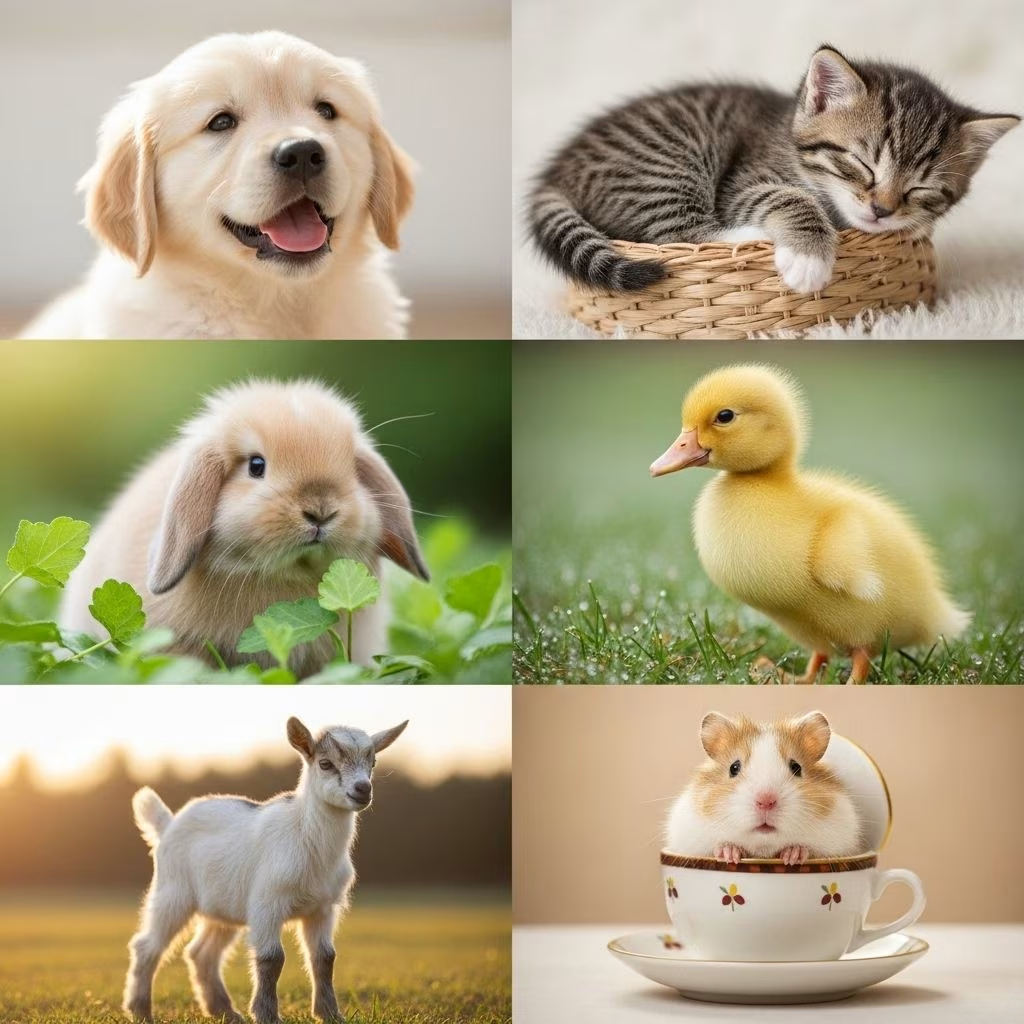
There’s nothing quite like baby animal photos to brighten your mood. Whether you’re a lifelong animal lover or simply in need of a pick-me-up, exploring the world of adorable animal youngsters, from familiar puppies and kittens to the more rare wombats, fennec foxes, and moose calves, offers an irresistible escape.
We have compiled a gallery of 60 of the cutest baby animals, each accompanied by fun facts and insights. If your heart needs more, don’t miss our bonus section on animals playing in the snow!
Why Do We Love Baby Animals?
From their oversized eyes and tiny toes to their playful antics, baby animals seem almost designed to spark joy. Scientific studies suggest that our brains respond positively to cues seen in infants—big eyes, round faces, and soft fur—but there is also something ineffably magical about the presence of these young creatures.
Whether you’re viewing snuggly lambs or the playful leap of a goat kid, the irresistible cuteness brings instant happiness and reminds us of nature’s wonders.
Meet the Most Adorable Baby Animals
- Baby Panda (Cub)
Pandas are famously adorable, especially as cubs. The National Zoo recently welcomed Bao Li and Qing Bao to their panda family—both still under three years old. While adults command attention with their striking black-and-white coats, baby pandas are born pink, hairless, and completely dependent on their mothers for the first few months of life. Watching them tumble and explore is as endearing as it gets.
Fun Fact: Baby pandas are not able to crawl until they are three months old. - Baby Highland Cow (Calf)
Highland calves are known for their distinctive, shaggy coats, although it takes time for babies to grow their impressive fluff. With large nostrils and gentle eyes, these calves are a staple of Scottish farms and evoke rural serenity.
Fun Fact: Highland cattle are known for their resilience in cold climates. - Baby Fennec Fox (Kit)
Baby fennec foxes, native to North Africa, sport oversized ears that seem almost comically large. Kits are born with fuzzy fur and quickly become inquisitive explorers.
Fun Fact: Those large ears not only enhance hearing but also help dissipate heat in the desert environment. - Baby Wombat (Joey)
Wombat joeys are born furless and vulnerable, relying on their mothers’ pouches for months. By age four to five months, they grow their iconic plush coats and begin to explore.
Fun Fact: Wombats have backward-facing pouches that protect their young from dirt during digging. - Baby Red Panda (Cub)
Red panda cubs captivate with fluffy tails and masked faces. Born blind and deaf, they depend entirely on their mothers in the first few weeks.
Fun Fact: Red panda cubs stay in their nests up to three months before venturing out. - Baby Goat (Kid)
Kid goats are naturally energetic, leaping and testing the boundaries of their world within days of birth. Their curious, intelligent natures make them favorite farm friends.
Fun Fact: Most goats are born as twins, and their lips help them investigate new things. - Baby Sheep (Lamb)
Lambs conjure images of fluffy innocence, trotting close to their mothers with legendary white fleece. Their playful hop is a sight to behold.
Fun Fact: Lambs recognize their mothers by scent and the sound of their bleat. - Cocker Spaniel Puppy and Persian Kitten
This iconic duo—a cuddly spaniel pup and a fluffy Persian kitten—epitomize youthful friendship. Both breeds are known for loyalty and affectionate personalities.
Fun Fact: Both species benefit from socializing to develop into confident adults. - Baby Moose (Calf)
Moose calves may look awkward, but they quickly grow into imposing adults weighing up to 1,600 pounds. Their long legs are perfect for traversing marshy terrain.
Fun Fact: Calves can run and swim soon after birth to escape predators. - Baby Cow (Calf)
Calves with their thick coats and big eyes symbolize country life. They are gregarious and quickly join the herd.
Fun Fact: Cows remember faces and can form meaningful bonds with humans. - Baby Squirrel (Kit)
Squirrel kits begin life blind and hairless but develop rapidly. Playful and agile, they become acrobats, navigating treetops with ease.
Fun Fact: Squirrels typically have litters of 3-4 kits. - Baby Hedgehog (Hoglet)
Hoglets are tiny, spiked wonders. Their quills are soft at birth and only harden after a few weeks.
Fun Fact: A group of hedgehogs is known as an “array.” - Baby Kangaroo (Joey)
Joeys spend up to 11 months inside their mother’s pouch. When they emerge, their enormous feet and mellow demeanor enchant onlookers.
Fun Fact: Kangaroo mothers can pause the development of embryos until environmental conditions are right.
More Enchanting Baby Wildlife
- Baby Sea Turtle
Sea turtle hatchlings, tiny and vulnerable, scramble for the ocean soon after emerging from their eggs. Their synchronized emergence helps them evade predators.
Fun Fact: Hatchlings use moonlight to navigate to the sea. - Baby Hippo (Calf)
Hippo calves start life underwater, bonding closely with their mothers, usually as part of a pod.
Fun Fact: Calves grow rapidly and stay with mothers until about seven or eight years old. - Baby Bunny Rabbit (Kit)
Born blind and hairless, rabbit kits mature astonishingly fast, gaining independence in just a few weeks.
Fun Fact: Wild rabbits can have up to 84 kits per year. - Baby Sloth
Slowbies or baby sloths rely on their mothers for six months, learning how to navigate the jungle at a leisurely pace.
Fun Fact: Sloths move slowly to conserve energy due to their low-calorie diet. - Baby Gorilla (Infant)
Baby gorillas, weighing about 4 pounds at birth, are playful and dependent on maternal care. By three years, they’re quite autonomous.
Fun Fact: Gorillas bond through play—wrestling and tickling are common among young siblings. - Baby Giraffe (Calf)
Newborn giraffes measure about 6 feet tall and rapidly double in size within their first year.
Fun Fact: Although giraffe twins are rare, singletons are standard, and calves gain independence before age two. - Baby Deer (Fawn)
Fawns, with their iconic white spots, use camouflage to hide from predators. Their plaintive bleats are a call to mothers.
Fun Fact: White spots fade as fawns grow, marking their journey to adulthood.
Unusual and Rare Baby Animals
- Baby Tiger
Tiger cubs are bundles of energy, fiercely protected by mothers in their first months. Their striped coats help them blend into lush habitats.
Fun Fact: Tiger cubs weigh only about 2-3 pounds at birth. - Baby Lion
Lion cubs, born with spotted coats, join their pride early for play and learning vital skills.
Fun Fact: Spots fade as lions grow, leaving their famous golden coats. - Baby Bear
Bear cubs are born tiny and helpless, spending the first few months in the safety of the den.
Fun Fact: Cubs learn essential survival skills from their mothers by observing and mimicking behaviors. - Baby Otter (Pup)
Otter pups float on their mothers’ bellies and are taught to swim and hunt.
Fun Fact: Otters use rocks as tools to open shellfish—a skill learned as pups. - Baby Hedgehog (Hoglet)
Although already mentioned, hoglets win another mention for their unique growth: quills at birth are white and soft, hardening and darkening with age.
Country Life: Growing Up With Baby Animals
On many country properties, growing up surrounded by baby calves, lambs, and chicks is a rite of passage. Family farms often serve as sanctuaries for all sorts of young animals, offering children valuable lessons in responsibility, compassion, and caretaking.
Professional photographers, like Ashley Gilley, document these moments, capturing what life looks like growing up close to nature. These images celebrate not only animals, but the bonds forged between humans and the animals they raise.
- Photo shoots with baby animals mark milestones and create cherished memories.
- Children learn empathy, teamwork, and stewardship by caring for animals.
- Farming life provides lessons in patience, life cycles, and respect for creatures.
Frequently Asked Questions (FAQs)
Q: Why are baby animals so universally considered cute?
A: Features like large eyes, round faces, and soft coats trigger nurturing instincts across species, making baby animals universally appealing.
Q: What are some rare baby animals featured in the wild?
A: Examples include wombats, red pandas, fennec foxes, tiger and lion cubs, and sea turtles—all born with distinctive features suited to their environments.
Q: How do baby animals bond with their mothers?
A: Most rely on scent, sound, and touch. Examples include lambs recognizing their mother’s bleat, kangaroo joeys living in pouches, and fawns whose bleating mimics human crying to signal distress.
Q: What role do baby animals play in country life?
A: Baby animals offer companionship, teach responsibility, and commemorate important family milestones, as seen in farm photo shoots and daily routines.
Q: Are human interactions with newborn wild animals advised?
A: Animal shelters and experts recommend observing from a safe distance unless the baby clearly needs help, to avoid disrupting natural behavior and maternal bonds.
Tips for Enjoying and Respecting Baby Animals in Nature
- Observe wildlife from a distance; avoid physical contact to protect their health and habits.
- Never disturb nests or dens; mama animals can be fiercely protective, and interference may be dangerous.
- For domestic animals, gentle handling and positive interactions help build trust and confidence.
- Photography and observation are wonderful ways to celebrate animal beauty and teach children appreciation for nature.
Final Thoughts: Why Baby Animals Matter
Beyond their cuteness, baby animals play a crucial role in ecosystems and family life. Their playful learning, adaptation to environments, and ability to elicit empathy bridge the gap between humans and the wild. Whether through the lens of a camera or the simple sighting in a backyard, these moments remind us to live gently and appreciate the small wonders in our world.