Postpartum Hair Loss: What Every New Mom Should Know
Bringing a new life into the world initiates remarkable changes in a woman’s body, and while many are celebrated, some can be unexpectedly unsettling. One of the most common—and surprising—phenomena is postpartum hair loss. Many new mothers encounter unexpected hair thinning or excessive shedding weeks after childbirth. Although this transition can feel distressing, it’s typically a normal, temporary process.
What Is Postpartum Hair Loss?
Postpartum hair loss refers to excessive shedding or thinning that occurs after a woman gives birth. Medically, this phenomenon is called telogen effluvium. Unlike chronic conditions such as alopecia, this type of hair loss results from hormonal fluctuations and is usually transient. While about 40-50% of women experience noticeable shedding postpartum, the condition is not exclusive to pregnancy—similar hair loss can follow major surgery or significant physiological stress.
What Causes Postpartum Hair Loss?
- Hormonal Changes:
- During pregnancy, elevated levels of estrogen extend the growth phase of hair (anagen stage), resulting in fuller, thicker hair.
- After childbirth, estrogen drops sharply, disrupting the growth cycle and shifting many hairs into the shedding phase (telogen stage).
- This rapid transition leads to widespread shedding, especially at the hairline and temples.
- Physical Stress of Childbirth:
- The body prioritizes critical organs during periods of stress, downgrading hair growth.
- Blood loss, fluid shifts, and sleep deprivation disrupt the hair cycle and exacerbate shedding.
- Psychological Stress:
- Postpartum depression and increased anxiety can also influence hair health and accelerate shedding.
Symptoms and Signs of Postpartum Hair Loss
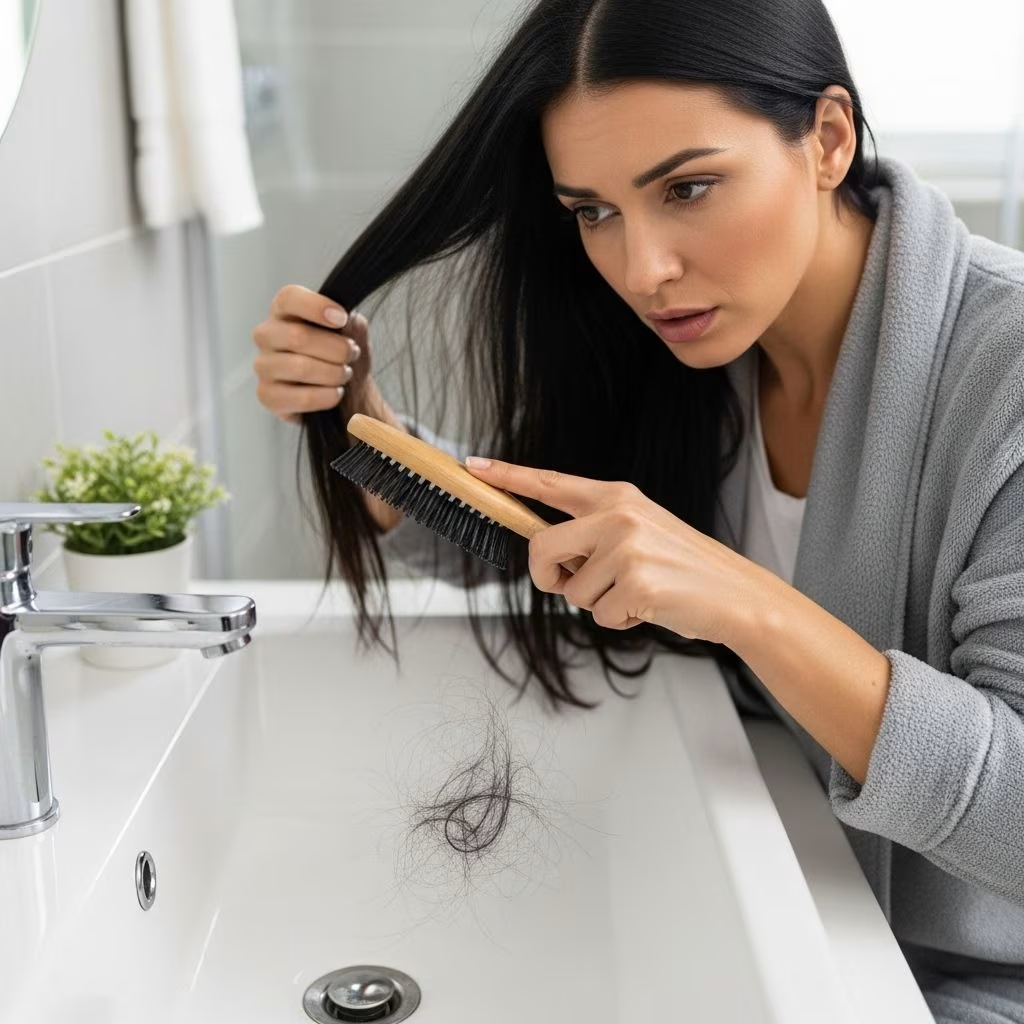
- Increased daily shedding: Many women notice large amounts of hair on their pillow, in the shower drain, or when brushing.
- Hair thinning, especially at the frontal hairline and temples.
- Broader scalp visibility in some cases.
- Often peaks between 3-6 months postpartum.
This shedding is essentially a release of hair that accumulated during pregnancy and would have normally been lost over nine months.
How Long Does Postpartum Hair Loss Last?
Postpartum hair loss is temporary for most women.
- Shedding generally begins around three to six months after delivery.
- Most women regain their typical hair density within six to twelve months postpartum.
- In rare cases, shedding may persist longer if other biological factors—such as nutrient deficiencies or chronic stress—are present.
Is Postpartum Hair Loss Preventable?
- There is currently no known method to prevent postpartum hair loss, as it is a physiological response to hormonal changes.
- However, supportive care can minimize damage and promote healthier regrowth.
How to Care for Your Hair During Postpartum Shedding
- Gentle Handling: Use a wide-toothed comb and avoid vigorous brushing.
- Hair Products: Opt for volumizing shampoos and conditioners; avoid heavy products that weigh the hair down.
- Avoid Excessive Heat: Minimize blow drying, straightening, or curling to prevent breakage.
- Healthy Diet: Consume nutrient-rich foods that support hair health, such as proteins, leafy greens, and foods rich in vitamins A, C, and E.
- Styling Strategies: Use soft hair ties, loose hairstyles, and minimize tight ponytails or buns to reduce tension.
- Scalp Care: Massage the scalp gently to encourage blood flow.
Common Myths About Postpartum Hair Loss
- Myth: “You will go bald after pregnancy.”
Fact: While shedding can be alarming, postpartum hair loss is temporary. Complete baldness is extremely rare and generally linked to underlying medical conditions. - Myth: “You can prevent postpartum hair loss by using certain shampoos or supplements.”
Fact: No product or supplement can prevent hormonal shedding, but gentle care supports healthy regrowth. - Myth: “The hair you lose will not return.”
Fact: For most women, hair density gradually returns to its pre-pregnancy state within a year.
When to Seek Professional Help
- If shedding persists beyond the first year after childbirth.
- If you see bald spots or experience clinical symptoms such as itching, pain, or scaling.
- If you suspect an underlying health issue, such as thyroid dysfunction or iron deficiency.
- Dermatologists can provide diagnostic support and discuss potential interventions for chronic hair loss or unusual patterns.
Treatment Options
Most treatments are supportive; postpartum hair loss rarely needs medical intervention. However, remedies for chronic or severe shedding include:
- Topical Minoxidil: Over-the-counter preparations (such as Rogaine) to stimulate growth by opening hair follicles.
- Platelet-Rich Plasma (PRP) Therapy: A medical procedure that uses your own blood plasma to encourage follicle healing.
- Laser Therapy: Targeted light therapy to stimulate regrowth (used primarily in dermatology practices).
- Steroid Injections: To reduce inflammation or stimulate growth in specific cases.
These options are typically reserved for persistent cases and are often discussed with a dermatologist after other causes have been excluded.
Emotional Impact and Coping Strategies
Hair loss postpartum can feel like a blow to one’s self-image. It is common for mothers to experience concern or embarrassment over their appearance. Psychological support and community reassurance are important.
- Talk to other mothers and share experiences—this normalizes what you’re going through.
- Avoid self-criticism: recognize that your body is recovering from a profound event.
- Consider styling tricks—headbands, scarves, or new haircuts can boost confidence during the transition.
Postpartum Hair Care Tips: Dos and Don’ts
| Dos | Don’ts |
|---|---|
| Handle your hair gently | Brush vigorously when wet |
| Use volumizing and lightweight products | Apply heavy oils or conditioners to roots |
| Eat a balanced diet rich in vitamins | Crash diet or skip meals |
| Find comfortable, loose hairstyles | Wear tight ponytails or buns |
| Massage your scalp to stimulate blood flow | Ignore persistent symptoms beyond 12 months |
Frequently Asked Questions (FAQs)
Q: How common is postpartum hair loss?
A: It affects 40–50% of women after childbirth and is considered a normal part of post-pregnancy recovery.
Q: Can I prevent postpartum hair loss?
A: No known method prevents it. Supportive care, gentle handling, and a nutritious diet can help minimize damage.
Q: How long will the shedding last?
A: Most women see symptoms start between 3 and 6 months postpartum; regrowth typically occurs within a year.
Q: Should I use special shampoos or supplements?
A: Volumizing and gentle shampoos can help hair appear fuller, but no product can fully prevent hormonal shedding. Some supplements (such as biotin) may support overall hair health, but consult your physician before use.
Q: When should I call the doctor?
A: Seek professional advice if shedding persists beyond 12 months, you see bald patches, or notice symptoms like pain, itching, or scalp scaling.
Key Takeaways for New Moms
- Postpartum hair loss is normal and temporary for most women.
- The shedding phase typically peaks three to six months after birth and resolves naturally within a year.
- A gentle routine, healthy nutrition, and self-compassion are the best forms of support as your body transitions.
- Clinical treatment is rarely needed, but dermatologists can offer options in severe or persistent cases.
Supporting Your Recovery: A Message to New Mothers
Hair loss after childbirth, while often surprising and distressing, is a sign of your body returning to its pre-pregnancy state. This transition is not permanent and, with time and care, your hair will recover. Remember: you are not alone. The journey into motherhood brings countless changes, and many women will share this experience. Gentle care, patience, and kindness to yourself are the best remedies in the period of postpartum hair loss.
References
- https://www.tru-skin.com/blog/understanding-postpartum-hair-loss
- https://www.thebump.com/a/postpartum-hair-loss
- https://www.bmhsc.org/blog/science-behind-postpartum-hair-loss
- https://www.goodrx.com/conditions/hair-loss/postpartum-hair-loss
- https://my.clevelandclinic.org/health/diseases/23297-postpartum-hair-loss
- https://www.aad.org/public/diseases/hair-loss/insider/new-moms
- https://www.healthline.com/health/parenting/postpartum-hair-loss
- https://www.webmd.com/baby/what-to-do-if-you-have-postpartum-hair-loss