Raynaud’s Phenomenon is a condition characterized by episodic narrowing of the small arteries that supply blood to the skin, most commonly affecting the fingers and toes. The reduction in blood flow leads to distinct color changes, numbness, pain, and tingling sensations, typically triggered by cold temperatures or emotional stress. While usually manageable, Raynaud’s can, in some cases, signal more serious underlying health issues or progress to tissue damage. This comprehensive article explores the causes, symptoms, risk factors, diagnostic process, treatment strategies, prevention, and self-care for Raynaud’s Phenomenon.
What Is Raynaud’s Phenomenon?
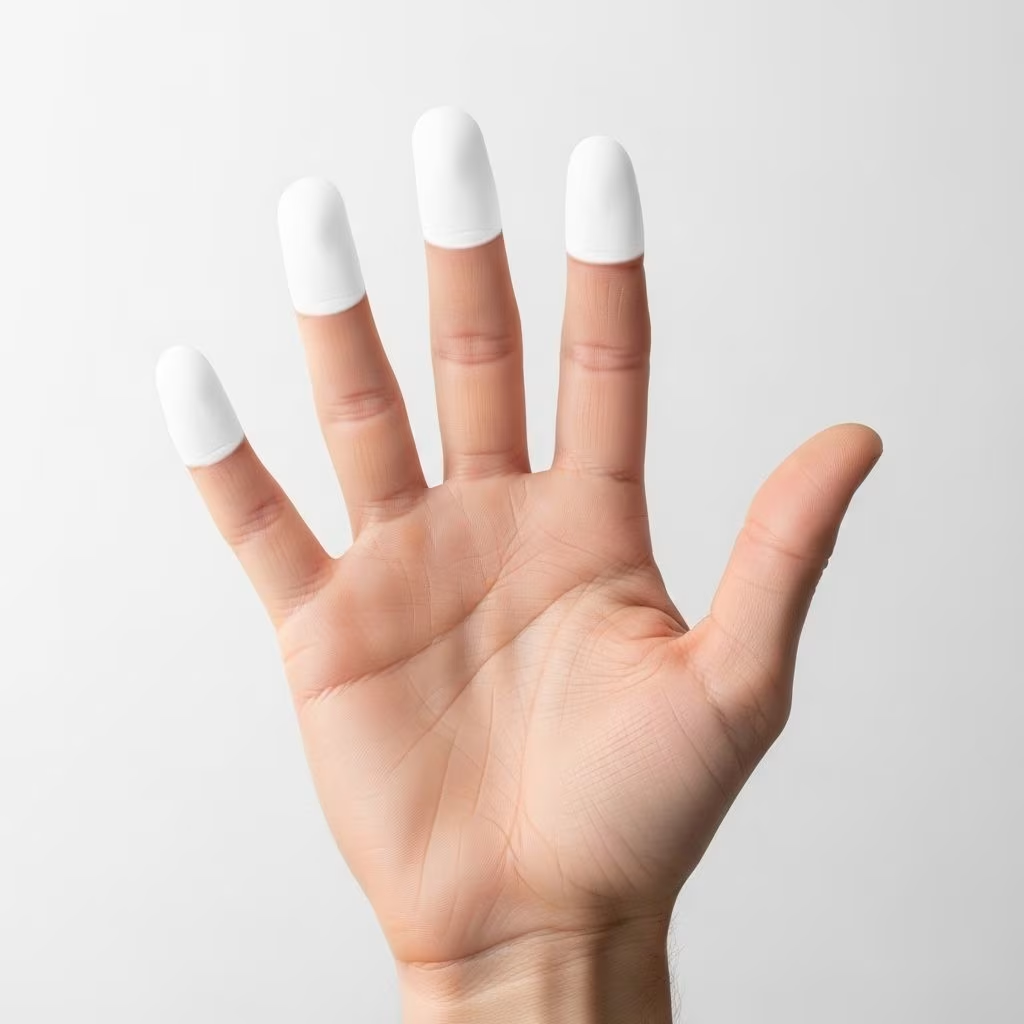
Raynaud’s Phenomenon—often simply called Raynaud’s—is a vascular condition in which small arteries undergo spasms, temporarily restricting blood flow to certain areas of the body. The most affected regions are the fingers and toes, though the ears, nose, lips, and nipples can also experience symptoms. The resulting lack of blood flow leads to visible skin color changes—often turning white, then blue, and finally red as circulation returns—accompanied by coldness, numbness, or pain. Attacks can last from a few minutes to several hours, depending on severity and underlying factors.
Raynaud’s can occur on its own (primary Raynaud’s) or as part of another disease (secondary Raynaud’s).
Types of Raynaud’s Phenomenon
- Primary Raynaud’s: The more common, less severe form; not associated with other diseases and typically starts between ages 15 and 30. Most people manage symptoms with lifestyle adjustments.
- Secondary Raynaud’s: Less common, but often more severe; linked to underlying health conditions (such as scleroderma, lupus, or rheumatoid arthritis). This type may lead to more significant complications, such as skin ulcers or tissue damage.
Symptoms of Raynaud’s Phenomenon
The hallmark of Raynaud’s is the dramatic color change in affected body parts during an attack, often alongside other sensory symptoms. Attacks typically progress through several phases:
- Pallor (White phase): First, the fingers or toes turn pale or white because the blood flow is restricted.
- Cyanosis (Blue phase): The digits next turn blue due to the lack of oxygen caused by low blood flow.
- Rubor (Red phase): As the episode ends and circulation returns, the skin may blush red and feel tingling or throbbing.
Additional symptoms during attacks include:
- Coldness and numbness in the fingers or toes
- Prickling or stinging pain upon warming
- Swelling in severe or repeated attacks
- Possible involvement of ears, nose, lips, and nipples
Symptoms can vary in duration and intensity, from minutes to several hours, and generally resolve as warmth and normal blood flow return.
What Causes Raynaud’s Phenomenon?
Raynaud’s is triggered when exposure to cold or emotional stress causes the small arteries supplying the skin to constrict temporarily (vasospasm), severely limiting blood flow to affected areas.
Primary Raynaud’s
The exact cause is not well understood, but it is thought to relate to an exaggerated blood vessel response to cold or stress. There is no identifiable underlying disease.
Secondary Raynaud’s
This type is associated with various underlying conditions or factors that affect arteries, nerves, or connective tissues. Causes can include:
- Connective tissue diseases: Scleroderma, lupus, rheumatoid arthritis, Sjögren’s syndrome
- Arterial diseases: Atherosclerosis, Buerger’s disease
- Workplace factors: Repeated vibration (from power tools)
- Injuries: Frostbite or hand/foot trauma
- Medications: Beta-blockers, migraine medications (ergotamine), stimulants, chemotherapy drugs
Who Is at Risk?
The risk factors for developing Raynaud’s Phenomenon include:
- Gender: Women are more frequently affected than men.
- Age: Primary Raynaud’s often begins between ages 15 and 30.
- Family history: There is often a hereditary component to primary Raynaud’s.
- Climate: People living in colder climates experience symptoms more often.
- Underlying medical conditions: Conditions affecting blood vessels or connective tissue increase risk for secondary Raynaud’s.
- Certain jobs: Occupations involving repeated hand trauma or vibration may increase risk.
How Is Raynaud’s Diagnosed?
Diagnosis of Raynaud’s Phenomenon usually involves a combination of medical history review, physical examination, and, if needed, specialized tests to distinguish between primary and secondary forms. The typical diagnostic process contains:
- Detailed patient history: Questions about symptoms, triggers, family history, and medication use
- Physical examination: Evaluation of affected areas for color changes, ulcers, or tissue damage
- Nailfold capillaroscopy: A noninvasive test using a microscope to examine tiny blood vessels near the fingernails, which can help determine if a connective tissue disease is present
- Blood tests: Screening for autoimmune or connective tissue diseases if secondary Raynaud’s is suspected
- Other tests: To evaluate blood flow or rule out underlying causes
Possible Complications
For most people, Raynaud’s Phenomenon is primarily an inconvenience rather than a serious health issue. However, complications can occur, particularly in secondary Raynaud’s:
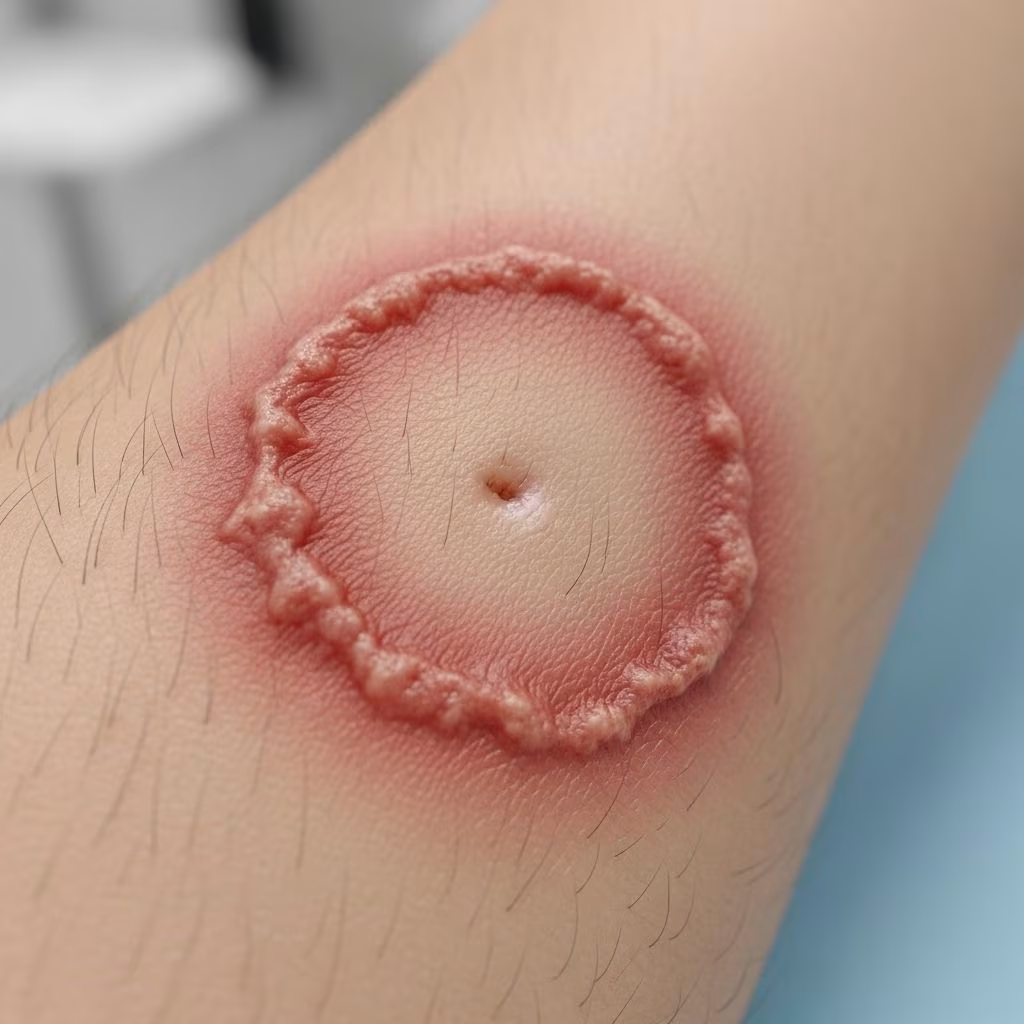
- Skin ulcers: Chronic or severe attacks can lead to sores or ulcers on the fingers or toes.
- Infections: Skin breakdown can make infections more likely.
- Tissue death (gangrene): In rare, severe cases, prolonged lack of blood flow can cause permanent tissue damage, requiring wound care or even surgical removal.
Treatment Options for Raynaud’s Phenomenon
The goals of treatment are to reduce frequency and severity of attacks, prevent tissue damage, and treat any underlying condition that may contribute to the problem. Treatment approaches include both self-care/lifestyle strategies and medical therapies.
Self-care and Lifestyle Management
- Keep warm: Dress in layers, wear gloves, warm socks, and use hand/foot warmers in cold weather. Avoid getting chilled.
- Manage stress: Employ stress management techniques such as deep breathing or relaxation exercises.
- Avoid rapid temperature changes: Sudden exposure to cold air or water can trigger attacks.
- Protect affected areas: Insulate hands and feet; use mittens and thermal insoles.
- Maintain a warm environment: Use heating systems and avoid cold settings when possible.
- Avoid smoking: Smoking narrows blood vessels and can make symptoms worse.
- Exercise regularly: Physical activity promotes circulation.
- Reduce caffeine: Stimulants may worsen episodes.
Medical Treatment
If lifestyle strategies do not sufficiently control symptoms, your healthcare provider may recommend medications:
| Medication | Action | Examples |
|---|---|---|
| Calcium Channel Blockers | Relax and open small blood vessels in hands/feet; decrease frequency/severity of attacks; can help heal skin ulcers | Nifedipine, amlodipine, felodipine, isradipine |
| Vasodilators | Help widen blood vessels and improve circulation | Losartan, sildenafil, fluoxetine, prostaglandins |
| Topical Nitrates | Increase local blood flow (rarely used) | Nitroglycerin cream |
- Botulinum toxin (Botox) injections: Can help block nerve signals in affected areas for those with severe cases.
- Discontinuation of causative drugs: Adjusting or stopping medications that may trigger attacks (consult your healthcare provider).
Surgical and Procedural Options
- Sympathectomy: A surgical procedure to cut or destroy nerve pathways that trigger vessel constriction in the affected extremities; considered in severe, unmanageable cases. Relief may last one to two years and repeat procedures may be needed.
- Chemical/nerve injections: Numbing medication or botulinum toxin may be injected to block nerve activity.
- Tissue management: In rare cases where sores or gangrene develop, hospitalization and specialized wound care may be necessary. Surgery to remove dead tissue (debridement) might be required to prevent further complications and manage pain.
Prevention Tips
Although Raynaud’s cannot be entirely prevented, you can reduce frequency and severity of attacks by:
- Wearing appropriate clothing to avoid cold exposure
- Using gloves, hand warmers, and layered socks during cold weather
- Keeping the home warm
- Minimizing stress, which can serve as a trigger
- Learning and avoiding your individual triggers (e.g., certain medications or activities)
Living with Raynaud’s Phenomenon
For most people with primary Raynaud’s, the condition is manageable and not life-threatening. Self-care and symptom awareness allow many to lead full, active lives. In the case of secondary Raynaud’s, the prognosis depends on the control and treatment of the underlying disease.
- Monitor for worsening symptoms—development of ulcers, non-healing sores, increasing pain, or color changes that last beyond attacks.
- Stay in regular contact with a healthcare provider, especially if Raynaud’s is secondary to another medical condition.
When to See a Doctor
You should consult your healthcare provider if:
- You develop symptoms of Raynaud’s for the first time after age 30
- Symptoms start to worsen or become more frequent
- You notice skin ulcers, infections, or tissue breakdown
- You have known risk factors for secondary Raynaud’s (such as an autoimmune condition)
- Raynaud’s symptoms affect your daily living or mental health
Frequently Asked Questions (FAQs)
Q: Who is most likely to develop Raynaud’s Phenomenon?
A: Women and people between the ages of 15 and 30 are more likely to develop the primary form. Those with certain autoimmune or connective tissue diseases are at risk for secondary Raynaud’s.
Q: Does Raynaud’s always indicate a serious disorder?
A: No. Most cases are primary Raynaud’s, which is not linked to other health problems. However, if you have severe or unusual symptoms, your provider may investigate for underlying diseases.
Q: Can Raynaud’s cause permanent damage?
A: Rarely, severe or prolonged attacks can cause ulcers, infections, or gangrene, especially with secondary Raynaud’s. Most people with primary Raynaud’s do not have serious complications.
Q: Are there triggers other than cold?
A: Yes, emotional stress, strong vibrations (such as from power tools), and certain medications can trigger attacks.
Q: What should I avoid if I have Raynaud’s?
A: Avoid cold environments, stress where possible, vibrating tools, and medications known to constrict blood vessels, like some over-the-counter and prescription drugs. Talk to your doctor about possible medication changes.
Q: Is Raynaud’s curable?
A: There is no cure, but symptoms can often be controlled with self-care, lifestyle changes, and, when needed, medication.
Key Points to Remember
- Raynaud’s Phenomenon involves episodes where blood flow to the fingers and toes is temporarily reduced in response to cold or stress.
- Typical symptoms include fingers or toes turning white, then blue, then red, often accompanied by numbness or pain.
- Management focuses on keeping warm, reducing stress, avoiding triggers, and using medications if necessary.
- Most cases are mild; severe complications are rare but can occur, particularly in secondary Raynaud’s.
- Consult a healthcare professional if you notice new or worsening symptoms.
References
- https://www.niams.nih.gov/health-topics/raynauds-phenomenon/diagnosis-treatment-and-steps-to-take
- https://www.mayoclinic.org/diseases-conditions/raynauds-disease/diagnosis-treatment/drc-20363572
- https://www.hackensackmeridianhealth.org/en/healthu/2025/03/26/battling-the-chill-how-to-treat-raynauds-disease
- https://my.clevelandclinic.org/health/diseases/9849-raynauds-phenomenon
- https://www.nhs.uk/conditions/raynauds/
- https://www.mayoclinic.org/diseases-conditions/raynauds-disease/symptoms-causes/syc-20363571
- https://www.uclahealth.org/news/article/living-with-raynauds-6-tips-managing-pain-and-flare-ups
- https://www.youtube.com/watch?v=HQPwpV–7NI