The Pavlik harness is a commonly prescribed device for the non-surgical treatment of developmental dysplasia of the hip (DDH) and select femur fractures in infants. Ensuring early and effective management of hip conditions in childhood sets the foundation for healthy joint function throughout life. This comprehensive guide explains the purpose, mechanism, application, home care, and important considerations for families whose child requires Pavlik harness therapy.
What is the Pavlik Harness?
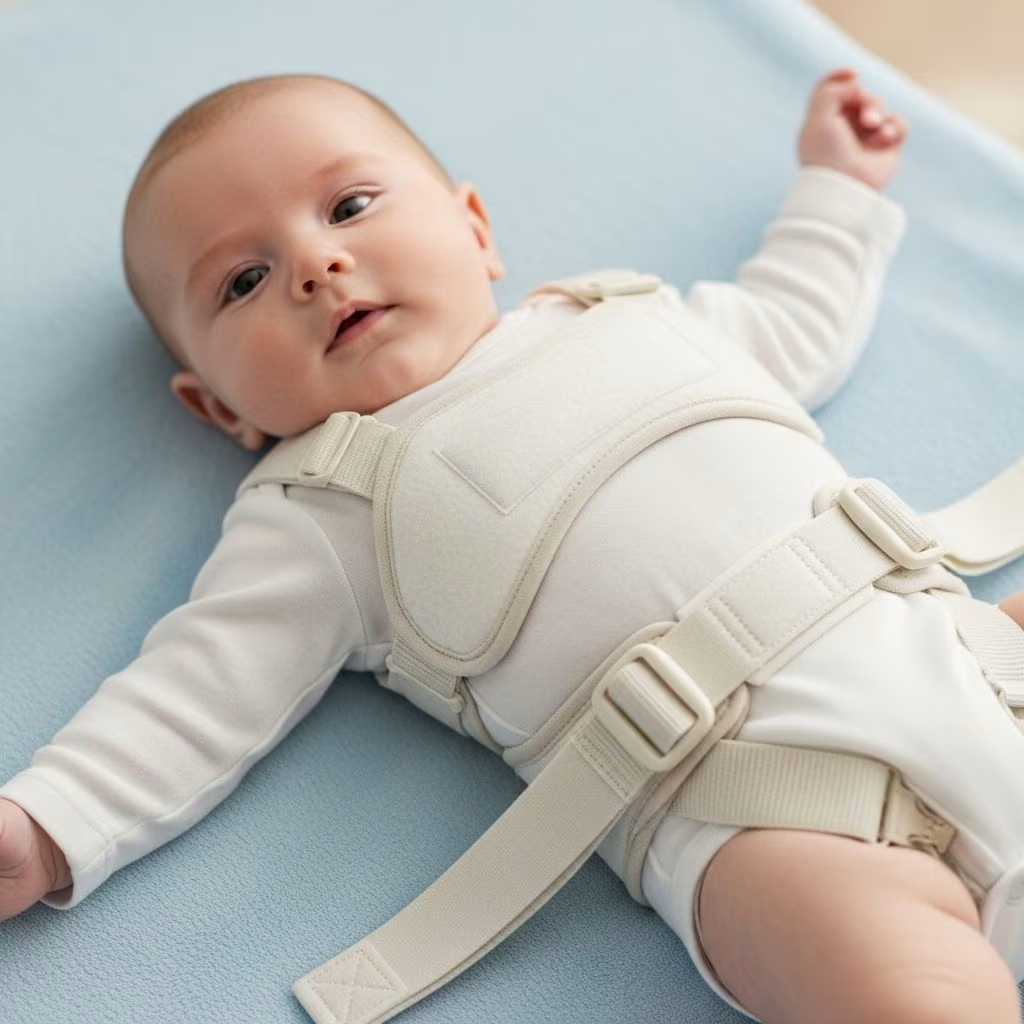
The Pavlik harness is a soft, dynamic brace specifically designed to keep a child’s hips and knees flexed, and the thighs gently spread apart. Unlike rigid casts, the Pavlik harness allows certain leg movements while providing enough stability to ensure the hips remain in the correct position for natural development. The harness includes:
- Shoulder straps – to securely hold the device on the baby’s body
- Chest band – wraps around the baby’s chest for support and fit
- Leg and foot straps – attach from the chest band to the lower legs and feet, controlling position and range of movement
The harness is most commonly used for infants from birth up to six months of age. Its primary purpose is to promote healthy alignment of the hip joint by keeping the hip properly deep within the pelvic socket (acetabulum), which fosters normal development of both the socket and the femoral head.
Why Might a Child Need Pavlik Harness Treatment?
The need for Pavlik harness therapy generally arises in the following clinical scenarios:
- Developmental Dysplasia of the Hip (DDH): This is a spectrum of conditions where the hip joint is dislocated, unstable, or abnormally formed. In DDH, either the acetabulum is too shallow or the femoral head is not properly seated in the socket, increasing the risk of dislocation and improper growth.
- Femur (Thigh Bone) Fracture: For infants younger than four to six months with a femoral fracture, the harness holds the thighbone in place, providing stable support for healing.
Risk factors for DDH include breech birth, family history, female gender, and first-born status. Early detection and intervention are critical, as untreated hip dysplasia can result in long-term joint problems, abnormal walking patterns, and chronic pain.
How Does the Pavlik Harness Work?
The Pavlik harness functions by:
- Maintaining Flexion and Abduction: It keeps the hips and knees bent (flexed) and the legs spread apart (abducted), ensuring the femoral head sits squarely within the acetabulum.
- Encouraging Proper Hip Development: The correct positioning allows the joint structures to mold to each other, tightening stretched ligaments, deepening the hip socket, and supporting the overall normal growth of hip anatomy.
- Allowing Gentle Movement: As a dynamic device, the harness permits some baby leg movement. This is important for comfort, muscle stimulation, and reducing the risk of stiffness.
Proper and consistent use of the harness dramatically increases the chances of successful, pain-free hip development and may eliminate the need for surgery or more invasive treatments.
Conditions Treated by the Pavlik Harness
- Developmental Dysplasia of the Hip (DDH): Most common indication in infants, especially when diagnosed in the newborn period or within the first six months.
- Pediatric Femur Fractures: Occasionally used in very young infants to stabilize and align the fractured thighbone so it can heal in the proper position.
Fitting and Application of the Pavlik Harness
The application and ongoing adjustment of the Pavlik harness should only be performed by a pediatric orthopedic specialist or a healthcare team member trained in its use. Fitting steps generally include:
- Initial Evaluation: An orthopedic examination, often supplemented by hip ultrasound or X-ray, determines the diagnosis and guides treatment.
- Harness Placement: The doctor or technician positions the straps to achieve optimal hip flexion and abduction, balancing stability and comfort.
- Education: Families are educated on the care and oversight required when their child is in a Pavlik harness, including daily monitoring, hygiene, and follow-up schedule.
- Regular Monitoring: Frequent follow-up visits (often weekly or biweekly at the start) ensure the harness remains effective and is not causing any complications.
Important Note: Only the orthopedic team should make adjustments to the harness. Caregivers should not remove or reposition the device unless specifically instructed.
Duration of Treatment
The length of Pavlik harness therapy depends on the child’s age, diagnosis, and the severity of the condition. Typical durations include:
| Condition | Usual Duration of Wear |
|---|---|
| Developmental Dysplasia of the Hip (DDH) | 6 to 12 weeks (wearing 24 hours/day) |
| Femur Fracture | 3 to 4 weeks |
For most children, the harness is worn continuously (24 hours per day). Occasionally, as treatment progresses, time out of the harness may be gradually increased under medical supervision.
Is Pavlik Harness Treatment Painful?
When properly fitted and maintained, the Pavlik harness is generally not painful. Infants may experience mild discomfort or increased fussiness in the initial days, as they adjust to the sensation of wearing the harness. Within a few days (24 to 72 hours), most babies acclimate and are comfortable during treatment. It’s important for caregivers to look for signs of distress, skin irritation, or restricted circulation, and promptly report any concerns to their healthcare provider.
Risks and Potential Complications
While the Pavlik harness is considered a safe and highly successful treatment, several risks should be monitored throughout the course of therapy:
- Skin Breakdown (Dermatitis): Occurs particularly in sensitive areas such as the groin, behind the knees, shoulders, or legs—mostly due to friction or moisture. Keeping the skin clean and dry is essential.
- Ineffective Treatment: In rare cases, the hip may not stabilize or develop properly, necessitating further intervention.
- Nerve Compression: Prolonged pressure from straps can affect nerves, typically in the legs or shoulders. These symptoms usually resolve if corrected promptly.
- Loss of Blood Supply (Avascular Necrosis): Decreased blood supply to the femoral head can cause bone changes or damage.
- Flattening of the Femoral Head: Prolonged improper positioning may flatten the back of the hip’s ball portion.
- Downward Dislocation or Knee Issues: Rarely, the hip may move further out of place or the knee can partially dislocate due to improper strap adjustment.
Frequent follow-up visits and regular adjustment by trained clinicians minimize these risks. Never use lotions, ointments, or powders under the harness, as these can increase skin irritation.
Success Rates and Outcomes
The Pavlik harness remains the gold standard for DDH detected in early infancy. Success rates in diagnosed hips average around 85–95% when promptly and properly used during the first few months of life. Most children treated effectively with the harness experience normal hip development and function as they grow. If harness therapy fails or is initiated late, alternate treatments such as fixed bracing or surgery may be considered.
Caring for a Child in a Pavlik Harness at Home
Day-to-day home care is vital to the effectiveness and comfort of Pavlik harness therapy. Parents and caregivers should follow these guidelines:
- Do not remove the harness unless instructed by your physician.
- Clothing: Use loose-fitting clothes that fit over the harness—ideally onesies, open-front shirts, or gowns designed for infants in a brace.
- Hygiene: Keep the skin under the harness clean and dry. Use sponge baths or wipes for cleaning exposed areas; avoid soaking the harness.
- Diapering: Place diapers under the straps to prevent soiling, and change diapers frequently to minimize moisture and skin contact.
- Skin Checks: Inspect daily for signs of redness, sores, or blisters—especially in the groin, behind knees, and shoulders. Notify your healthcare provider if you notice any breakdowns.
- Handling: Support your baby’s entire lower body during lifting or holding. Do not pull on straps or limbs.
- Activity: Encourage gentle play and interaction. The harness permits some movement, which is beneficial for muscle strength and comfort.
- Sleeping: Babies can sleep in their usual crib or bassinet. Position them on their back, following safe sleep guidelines for infants.
Follow-Up and Monitoring
Ongoing medical supervision is central to the success of Pavlik harness therapy:
- Regular Clinic Visits: Typically every 1–2 weeks early in treatment, with appointments becoming less frequent as the hips improve.
- Hip Imaging: Ultrasound is commonly used at intervals to track hip position, socket depth, and bone development.
- Adjustment: The orthopedic team may tighten or loosen harness straps based on the baby’s growth and hip progress. Never attempt to modify the harness without professional guidance.
Transitioning Out of the Pavlik Harness
Once the orthopedic specialist confirms satisfactory hip development, the Pavlik harness is gradually removed. This process may involve:
- Reducing daily wear time over a week or more (if recommended)
- Ongoing hip imaging to confirm maintenance of proper positioning and growth
- Resuming unrestricted movement once the orthopedic provider gives clearance
Children are typically followed up even after cessation of harness use to ensure continued healthy hip development into toddlerhood and childhood.
Frequently Asked Questions (FAQs)
Q: What is developmental dysplasia of the hip (DDH)?
A: DDH refers to a range of hip joint abnormalities in which the ball (upper thigh bone) does not fit securely in the socket (pelvis), often due to a shallow socket or loose ligaments. Early diagnosis and treatment are crucial to prevent long-term hip problems.
Q: Is wearing the Pavlik harness uncomfortable for my baby?
A: Most babies adjust to the harness within a few days. While there may be initial fussiness, the treatment is generally not painful when properly fitted.
Q: How do I bathe my baby with the harness on?
A: Your baby should have sponge baths to keep the skin clean and dry, as the harness should not be removed or soaked in water. Focus on gently cleaning accessible skin areas, especially within skin folds under the straps.
Q: Can I remove the harness for clothing changes or diapering?
A: Do not remove or adjust the harness unless your orthopedic team specifically instructs you to do so. Clothing and diaper changes should be performed with the harness in place.
Q: What if my baby’s skin shows redness or irritation?
A: Check your baby’s skin daily. Minor redness may be managed with careful cleaning and drying, but report any persistent redness, blisters, or open sores to your doctor promptly to prevent complications.
Q: What happens if Pavlik harness treatment does not work?
A: Most infants respond well, but if the condition does not improve, alternative options like a rigid brace (orthosis) or surgical intervention may be considered. Your orthopedic specialist will discuss next steps if needed.
Key Takeaways
- The Pavlik harness is a safe, non-surgical, and effective treatment for infants with DDH and select femur fractures.
- Early diagnosis and initiation of therapy significantly improve outcomes, reducing the likelihood of future hip problems.
- Strict adherence to medical supervision, proper harness care, and regular follow-ups are essential for success and prevention of complications.
Families are encouraged to reach out to their medical providers with any concerns and to maintain all scheduled appointments. With careful management, most children wearing the Pavlik harness can look forward to normal, healthy hip development.
References
- https://www.urmc.rochester.edu/encyclopedia/content.aspx?contenttypeid=161&contentid=112
- https://www.childrenshospital.org/sites/default/files/2022-04/HipFactSheet_Pavlik.pdf
- https://www.choa.org/medical-services/orthopedics/hip-program/pavlik-harness
- https://www.childrenscolorado.org/advances-answers/recent-articles/Pavlik-harness-duration/
- https://journals.sagepub.com/doi/10.1302/1863-2548.12.180055
- https://www.volkortho.com/developmental-dysplasia-orthopaedic-sports-medicine-specialist-germantown-maryland/