Spinal cord compression is a serious neurological condition that occurs when something applies pressure to the spinal cord. It requires prompt medical attention to prevent potentially permanent damage and to preserve neurological function. Understanding the causes, symptoms, and treatment options for spinal cord compression empowers patients and families to seek timely care and make informed decisions.
What is Spinal Cord Compression?
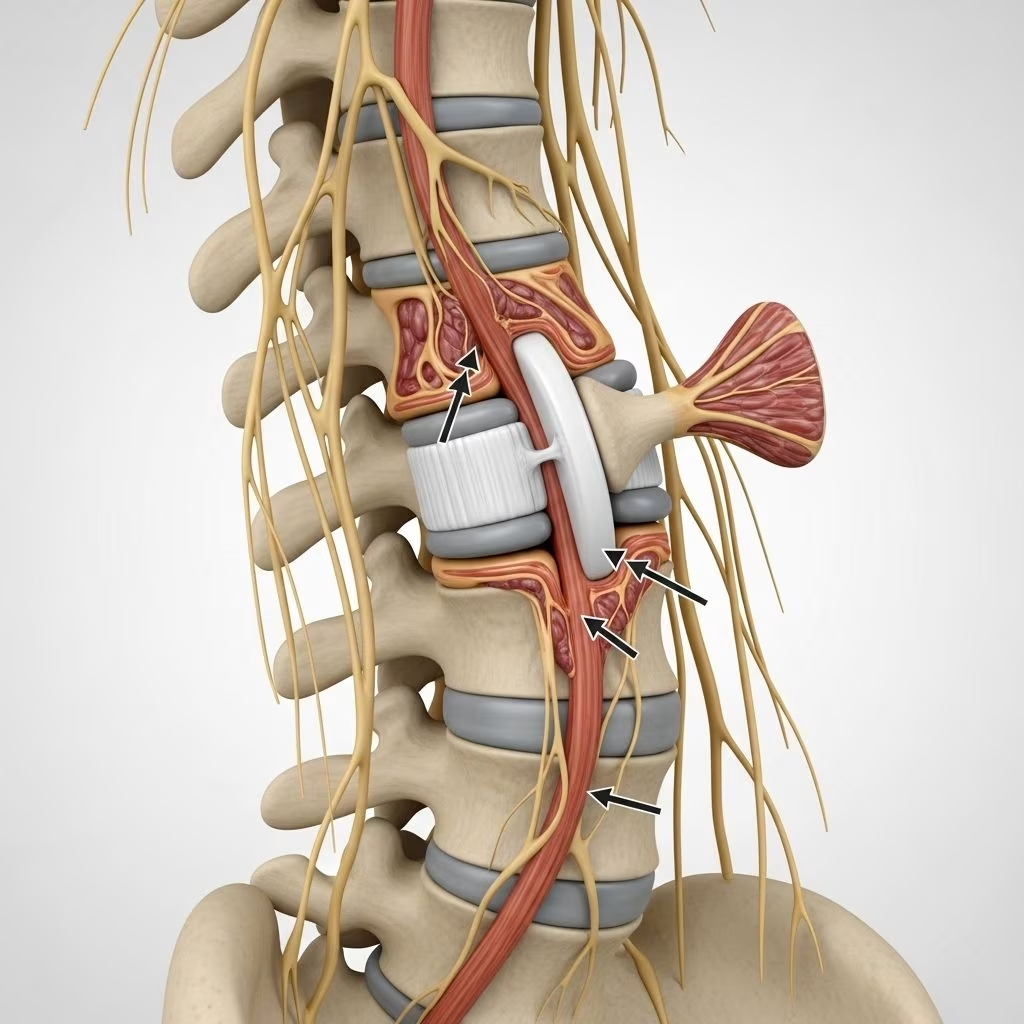
The spinal cord is a critical bundle of nerves that transmits signals between the brain and body. Spinal cord compression happens when an external structure—such as a bone, tumor, or herniated disc—places pressure on the cord, disrupting nerve signals. This pressure can result in pain, neurological deficits, and even paralysis if not addressed quickly. Compression can develop suddenly (acutely) or gradually over time (chronically), with symptoms appearing in minutes, hours, days, or even years, depending on the underlying cause.
Causes of Spinal Cord Compression
There are many potential causes of spinal cord compression, which broadly fall into the following categories:
- Degenerative changes: Age-related wear and tear on the discs and bones of the spine can lead to conditions like herniated discs or spinal stenosis.
- Tumors: Both benign (non-cancerous) and malignant (cancerous) growths can press against the spinal cord.
- Trauma: Injuries such as fractures or dislocations of the vertebrae may compress the cord directly or cause bleeding, leading to pressure on the cord.
- Infections: Spinal abscesses or infections in nearby tissues can swell and create mass effect.
- Hematoma: Accumulation of blood around the spinal cord after trauma or due to bleeding disorders.
- Congenital abnormalities: Some individuals are born with abnormalities that put them at risk for cord compression.
- Osteoporosis: Weakened bones may fracture, leading to vertebral collapse and secondary cord compression.
Some underlying conditions increase the risk of spinal cord compression:
- Long-standing arthritis (degenerative joint disease)
- Pre-existing spinal malformations
- History of cancer (especially metastases to the spine)
- Severe osteoporosis or metabolic bone disease
Symptoms of Spinal Cord Compression
The symptoms of spinal cord compression can range from mild to severe, depending on the cause, location, and extent of pressure on the cord. Early recognition of these symptoms is crucial, as early intervention can prevent permanent neurological harm.
- Pain: Most commonly in the back or neck at the site of compression; may radiate to arms, legs, or chest.
- Numbness or tingling: Often affecting the hands, arms, legs, or feet.
- Muscle weakness: Can progress from mild weakness to complete paralysis in severe cases.
- Difficulty walking: Unsteadiness, poor balance, or stumbling.
- Loss of bladder or bowel control: Urinary retention, incontinence, or constipation.
- Changes in reflexes: Such as exaggerated reflexes or loss of certain reflexes below the level of compression.
- Sexual dysfunction: Depending on the level of spinal cord involvement.
Symptoms may develop suddenly (within minutes to hours, for example after trauma or bleeding) or gradually (over weeks, months, or even years in the case of slow-growing tumors or degenerative changes).
When Is Spinal Cord Compression an Emergency?
If you experience any of the following symptoms, it is critical to seek emergency medical attention:
- Sudden, severe back pain
- Rapid development of numbness, tingling, weakness, or inability to move parts of your body
- Loss of control over bladder or bowel function
- Evidence of progressive neurological deficits
The earlier spinal cord compression is diagnosed and treated, the greater the chance for full or partial recovery.
Diagnosis of Spinal Cord Compression
Diagnosis involves a combination of clinical assessment and imaging studies:
- Medical history and physical exam: The doctor will ask about the onset, duration, and progression of symptoms, and perform a detailed neurological evaluation.
- Imaging: The key imaging techniques include:
- MRI (Magnetic Resonance Imaging): The preferred test, providing excellent detail of soft tissues, spinal cord, and nerve roots.
- CT scan (Computed Tomography): Offers a good view of bone anatomy and can detect fractures, tumors, or bone spurs.
- X-rays: Useful for quickly identifying fractures or significant spinal alignment changes, but limited for soft tissue assessment.
Additional tests may be used to uncover infections, tumors, or other specific causes as indicated by the clinical picture.
Treatment Options for Spinal Cord Compression
The goals of treatment are to relieve pressure on the spinal cord, prevent further neurological injury, and manage symptoms. Treatment varies based on the cause, severity, and how rapidly symptoms develop. Interventions range from medications and physical therapy to surgery. In some cases, a combination of approaches is used.
Medications
- Corticosteroids: High-dose steroids, such as dexamethasone or methylprednisolone, are often given intravenously in acute cases—especially when compression is due to tumors or swelling—to reduce inflammation and minimize cord damage.
- Pain relievers: NSAIDs and other analgesics may help manage pain and inflammation.
Physical Therapy and Supportive Care
- Rehabilitation: Targeted exercises can strengthen back, abdominal, and leg muscles and help with mobility and function.
- Bracing: Cervical collars or back braces may be used for stabilization, particularly after trauma or surgery.
Surgical Treatment
- Laminectomy: Removal of the vertebral lamina to create more space for the cord, often used for spinal stenosis.
- Discectomy: Removing all or part of a damaged disc pressing on the cord or nerves.
- Foraminotomy: Enlarging the neural foramen (opening through which nerves exit the spine) to relieve nerve root compression.
- Spinal fusion: Stabilizing two or more vertebrae using bone grafts and instrumentation like rods or screws, commonly performed after decompression procedures.
- Tumor removal: Excision or debulking of spinal tumors, either alone or with additional treatments, especially if the tumor is causing pressure.
- Vertebroplasty/Kyphoplasty: Injection of medical bone cement into fractured vertebrae, commonly for osteoporosis-related compression fractures.
Radiation and Other Treatments
- Radiation therapy: Used mainly for cancer-related compression, radiation shrinks tumors to decrease mass effect on the spinal cord. External radiation may be administered urgently to prevent further neurological loss.
- Other interventions: For abscesses or hematomas causing compression, procedures may include drainage or surgical evacuation as appropriate.
| Treatment Modality | When Is It Used? |
|---|---|
| Corticosteroids | Acute swelling, tumor compression, initial phase pending surgery |
| Pain medication | Symptom management, any cause |
| Physical therapy / Bracing | Rehabilitation, support, chronic or post-surgical care |
| Surgery (Laminectomy, Discectomy, etc.) | Severe cases, tumors, herniated discs, trauma, nonresponsive to other therapies |
| Radiation therapy | Cancer-related compression, inoperable tumors, adjunct to surgery |
| Drainage / Debridement | Abscess, hematoma, infectious or bleeding cause |
Prognosis and Recovery
The likelihood and degree of recovery from spinal cord compression depend on the speed of diagnosis and intervention, the severity of the initial symptoms, and any underlying medical problems. If treated before significant irreversible injury occurs, many patients recover well. However, delays can result in permanent paralysis, loss of sensation, or loss of bladder and bowel function.
Prevention and Risk Reduction
- Address underlying conditions: Managing osteoporosis, arthritis, and chronic infections can reduce risk.
- Protect the spine: Use proper techniques for lifting, wear seat belts, and practice safety measures to avoid spinal injuries.
- Regular screening: For people with cancer or chronic conditions predisposing to compression, regular imaging may allow earlier detection and intervention.
- Healthy lifestyle: Exercise, a balanced diet, and not smoking maintain bone and spinal health.
Living With Spinal Cord Compression
Patients may need long-term rehabilitation, lifestyle adjustments, and support depending on the extent of spinal cord injury. A multi-disciplinary team involving neurologists, surgeons, physiatrists, physical therapists, and occupational therapists provides comprehensive care tailored to individual need.
Frequently Asked Questions (FAQs)
Q: What is the most common sign of spinal cord compression?
A: The most common signs include severe back or neck pain and neurological changes, such as numbness, tingling, and muscle weakness. Loss of bowel or bladder control is a red flag for urgent assessment.
Q: Can spinal cord compression be reversed?
A: If diagnosed and treated early, especially before permanent spinal cord damage occurs, many symptoms can be improved or reversed. Delays can result in permanent deficits.
Q: What is the difference between acute and chronic spinal cord compression?
A: Acute compression develops suddenly (e.g., trauma or fast-growing tumor) and leads to rapid symptom progression, while chronic develops slowly, with symptoms worsening over months or years, as seen with degenerative disc disease or slow-growing tumors.
Q: Is surgery always required for spinal cord compression?
A: Not always. Mild symptoms or chronic cases may improve with medications, physical therapy, and bracing. Surgery is considered when neurological symptoms are severe, rapidly worsening, or unresponsive to other treatments.
Q: How is spinal cord compression diagnosed?
A: Diagnosis is primarily clinical—based on symptoms and physical exam—but confirmed with imaging, especially MRI, which provides the most detailed view of the spinal cord and surrounding tissues.
Key Takeaways
- Spinal cord compression is a medical emergency when neurological function changes suddenly.
- Early recognition and intervention can prevent permanent disability.
- Treatment varies from medications and rehabilitation to urgent surgery and/or radiation.
- Prompt diagnosis and advocacy can make a significant difference in outcomes.
References
- https://cantorspinecenter.com/conditions/spinal-cord-compression/
- https://www.merckmanuals.com/home/brain-spinal-cord-and-nerve-disorders/spinal-cord-disorders/compression-of-the-spinal-cord
- https://www.urmc.rochester.edu/encyclopedia/content?ContentTypeID=134&ContentID=13
- https://cancer.ca/en/treatments/side-effects/spinal-cord-compression
- https://www.ncbi.nlm.nih.gov/books/NBK557604/
- https://www.cnsomd.com/blog/spinal-cord-compression-symptoms-treatment-and-urgency/
- https://www.cancerresearchuk.org/about-cancer/coping/physically/spinal-cord-compression/about
- https://my.clevelandclinic.org/health/diseases/21966-myelopathy
- https://www.mayoclinic.org/diseases-conditions/spinal-cord-injury/symptoms-causes/syc-20377890