


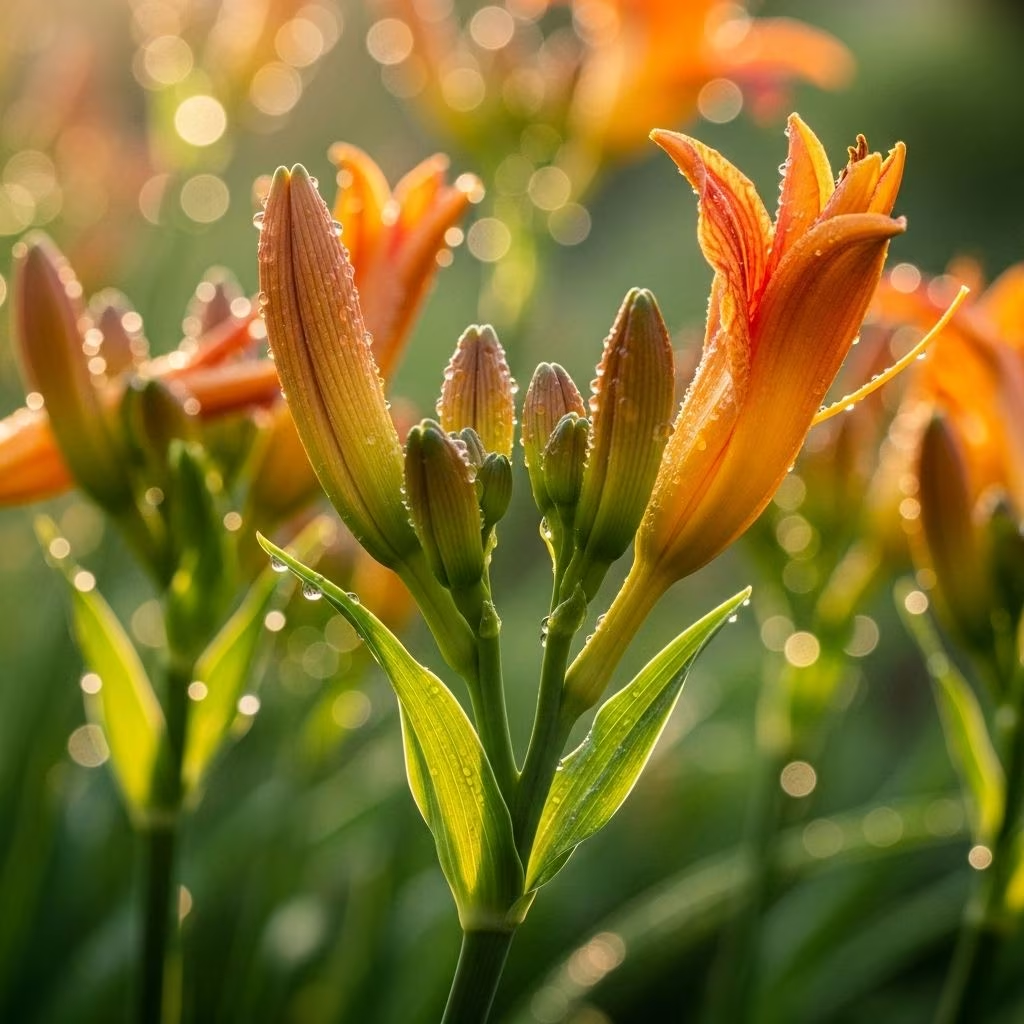
Daylily buds, harvested from the genus Hemerocallis, are celebrated not only for their beauty but also for their substantial nutritional, medicinal, and culinary value. Particularly prominent in East Asian cuisine and herbal tradition, these edible parts, sometimes called “golden needles,” occupy a unique niche among vegetables and herbal remedies, while their subtle taste and robust benefits drive their popularity worldwide.
Overview of Daylily Buds
Daylily (Hemerocallis) is a perennial herb belonging to the Liliaceae family. It produces long, arching leaves, sturdy stalks up to four feet tall, and buds that bloom into colorful, trumpet-shaped flowers. Each flower blooms for only a single day, giving the plant its name.The edible buds and flowers have been appreciated for centuries in East Asia, notably in China and Japan, where they are heavily integrated into culinary and health practices.
- Species: Most commonly, Hemerocallis citrina and Hemerocallis fulva are used for food and medicinal purposes.
- Other Edible Parts: Shoots, leaves, roots, and even crowns are occasionally utilized depending on tradition and need.
- Not a True Lily: Despite their name, daylilies are not true lilies and should not be confused with the toxic tiger lily (Lilium spp.).
Nutritional Profile and Health Benefits
Daylily buds, especially in their dried form referred to as “golden needles,” constitute a rich source of macronutrients, vitamins, minerals, and unique phytochemicals.
Main Nutritional Components
- Soluble sugars: Provide energy and add subtle sweetness.
- Dietary fiber: Supports digestion and gut health.
- Ascorbic acid (Vitamin C): Essential for immunity and skin health.
- Carotenoids: Contribute antioxidant properties and eye health maintenance.
- Flavonoids and polyphenols: Strong antioxidants, suppressing free radicals.
- Mineral elements: Trace elements such as potassium, magnesium, calcium, and iron.
Table: Key Nutrients in Daylily Buds
| Nutrient | Benefit |
|---|---|
| Dietary Fiber | Supports digestive health, prevents constipation |
| Flavonoids | Antioxidant, anti-inflammatory, boosts immunity |
| Vitamin C | Enhances immune response, skin health |
| Carotenoids | Protects eyes, supports skin and immune system |
| Minerals | Vital for metabolism, bone health |
| Polyphenols | Reduces risk of chronic disease, fights oxidative stress |
Health Benefits
- Anti-inflammatory and antioxidant effects: Protects against cell damage and reduces systemic inflammation.
- Promotes heart health: Lowers serum cholesterol and can protect the liver from damage.
- Anti-bacterial and anti-viral activity: Due to its diverse phytochemical content.
- Improves sleep quality: Studies have shown improved sleep and reduced sleep latency.
- Supports brain health: Compounds proven to strengthen the brain and anti-aging activities.
- Potential anti-depressant: Extracts increase neurotransmitters linked with mood stabilization.
- Antitumor properties: Deters proliferation of certain cancer cell lines (notably lung and breast).
- Relieves constipation: Mild laxative effect noted with higher consumption.
Culinary Uses and Preparation
Daylily buds are a culinary delicacy in several Asian cuisines. Their utility and appeal stem from a combination of flavor, texture, nutrition, and versatility.
How Daylily Buds Are Used in Cooking
- Soups: Dried daylily buds (golden needles) are prized as thickening and flavoring agents in Chinese and Japanese soups.
- Stir-fries: Fresh or dried buds are sautéed with vegetables, meats, or tofu.
- Salads: Unopened flower buds and petals add unique color and mild sweetness.
- Shoots and Young Leaves: Young shoots can be consumed raw, steamed, or lightly fried; leaves sometimes feature in salads or teas.
- Stuffed Flowers: Larger blooms can be carefully stuffed with savory or sweet fillings, although buds are more commonly used.
- Dried Form: Buds are dried to preserve flavor and nutrients, then rehydrated before use.
Typical Daylily Bud Recipes
- Hot and Sour Soup with Golden Needles: Dried daylily buds impart earthy complexity and subtle thickness.
- Daylily Stir-Fry: Tossed with garlic, ginger, soy sauce, and seasonal vegetables.
- Stuffed Buds: Filled with soft cheese or minced meat, lightly steamed or fried.
Role in Traditional Medicine
Daylily has a long-standing role as a mother herb in East Asian herbal medicine. Records date back over 3,000 years, with uses spanning emotional, physical, and systemic health.
Main Medicinal Benefits and Applications
- Calming and anti-depressant: Thought to “help forget worries,” used as a gentle sedative.
- Liver protection: Used for jaundice and supporting liver function.
- Diuretic and detoxifying: Promotes urine production and body cleansing.
- Antibacterial and antiviral: Traditional remedies for infections, including schistosomiasis and tuberculosis.
- Pain relief and hemostasis: Used to relieve bruises and stop bleeding wounds.
- Memory and wisdom: Folk medicine associates buds with strengthening the brain and cognition.
- Relieves constipation: Used traditionally to gently promote bowel movements.
Scientific research supports many of these claims, identifying specific phytochemicals in daylily that exhibit these biological effects.
Taste and Flavor Profile
Daylily buds are known for their delicate “sweet and cool” taste with earthy undertones. The freshly harvested buds exhibit a subtle vegetal sweetness, reminiscent of green beans or asparagus, while the dried version intensifies the flavor and contributes a mild, slightly woody note to cooked dishes.
- Fresh buds: Mildly sweet, crisp, and tender.
- Dried buds (golden needles): Deeper earthy flavor, chewy texture, thickening quality for soups.
- Shoots and leaves: Grassy, light, and slightly nutty when young.
Harvesting and Processing
The harvesting period for daylily buds is brief and intense, typically occurring just before the flower opens. Harvesters seek tight, firm buds for both fresh and drying purposes. Open or closed, all are edible; however, for drying and culinary use, closed buds are favored for their texture and flavor concentration.
Processing Methods
- Fresh Consumption: Fresh buds are rinsed and used in stir-fries or salads.
- Drying: Buds are spread out and air- or oven-dried, then stored in airtight containers, often resulting in “golden needles” for later use.
- Rehydration: Dried buds are soaked or simmered in water before use in soups and stews.
Safety, Side Effects, and Edibility
Daylily buds are generally safe for consumption but require identification and moderation.
- Edible species: Only cultivated Hemerocallis species are recommended; wild hybrids and unrelated lilies (such as tiger lily) may be toxic.
- Allergic reactions: Rarely, some individuals may experience allergies or digestive upset.
- Laxative effect: High consumption can cause mild laxative effects or diarrhea in sensitive individuals.
- Proper identification: Always ensure correct plant identification before harvest.
Frequently Asked Questions (FAQs)
Q: Are all daylily buds edible?
A: No, only selected Hemerocallis species (like H. fulva and H. citrina) are widely recognized as edible. Avoid confusion with true lilies or wild hybrids, which may be poisonous.
Q: Where are daylily buds traditionally consumed?
A: Daylily buds are most popular in Chinese, Japanese, and other East Asian cuisines, especially in soups, stir-fries, and salads.
Q: Can daylily buds be eaten raw?
A: Yes, young shoots and buds can be eaten raw, but most are lightly cooked to enhance digestibility and flavor. Some individuals may be sensitive to raw daylilies.
Q: What are “golden needles”?
A: “Golden needles” refers to dried daylily flower buds, a popular ingredient in Asian soups and stews.
Q: Are there medicinal risks associated with using daylily buds?
A: Daylily buds are generally safe but should be consumed in moderation. Always avoid confusion with poisonous lily species, and start with small quantities to monitor for allergies or digestive issues.
Final Thoughts
Daylily buds (Hemerocallis) stand out as a superlative edible flower, combining striking aesthetics with profound nutritional, medicinal, and culinary merits. With their rich concentration of vitamins, minerals, and unique phytochemicals, they serve both gourmet and functional purposes — from hearty soups to traditional remedies. Whether enjoyed as “golden needles” or fresh in salads, their delicate taste and proven health benefits make them a remarkable inclusion in modern diets. Careful identification, proper harvesting, and mindful use open up a world of flavor and well-being through this ancient, yet contemporary, plant resource.
References
- https://pmc.ncbi.nlm.nih.gov/articles/PMC11316465/
- https://ouroneacrefarm.com/2015/07/30/8-reasons-to-grow-daylilies/
- https://theherbalacademy.com/blog/daylily-benefits-national-geographic-book/
- https://chestnutherbs.com/delectable-daylily/
- https://daylilygarden.com/daylilies-for-food-and-medicine/daylilies-as-food.html
- http://www.naturalmedicinalherbs.net/herbs/h/hemerocallis-fulva=common-day-lily.php
- https://pfaf.org/user/plant.aspx?LatinName=Hemerocallis+fulva
- https://honest-food.net/dining-on-daylilies/


