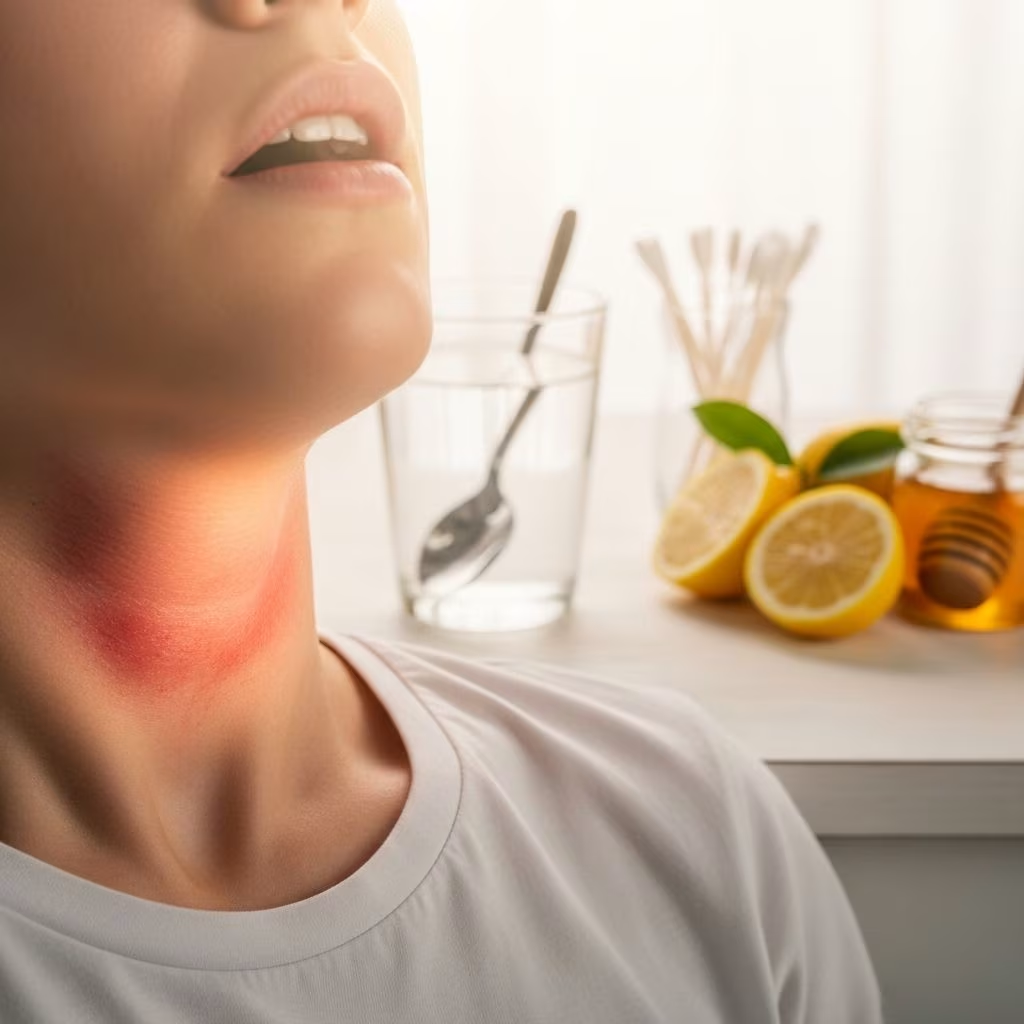
Strep throat is a highly contagious and uncomfortable infection caused by the group A Streptococcus bacteria. If not promptly treated, strep throat can lead to serious health complications. This comprehensive guide explains what strep throat is, discusses its main symptoms and causes, and outlines both medical and home treatment options as well as prevention tips.
What Is Strep Throat?
Strep throat is an acute bacterial infection of the throat and tonsils triggered by Streptococcus pyogenes (Group A Streptococcus). It frequently affects children but can also occur in adults, especially those exposed to crowded environments such as schools and daycare centers.
The infection spreads easily through respiratory droplets produced when an infected person coughs or sneezes. In some cases, touching contaminated surfaces or sharing drinks and eating utensils can also spread the bacteria.
Common Symptoms of Strep Throat
The signs of strep throat usually appear 2 to 5 days after exposure to the bacteria. Some symptoms may overlap with other sore throat illnesses, but several features are distinctive:
- Sore, red throat (often with white patches or streaks of pus)
- Painful or difficult swallowing
- Sudden-onset fever (often highest on the second day)
- Swollen, tender neck glands
- Chills
- Loss of appetite or abnormal taste
- Headache
- Nausea and sometimes vomiting (especially in children)
- Sandpaper-like rash (indicative of scarlet fever, a related condition)
- General feeling of malaise
While many sore throats are caused by viruses (and do not require antibiotics), strep throat is bacterial, necessitating distinct treatment strategies.
What Causes Strep Throat?
Strep throat is exclusively caused by infection with Group A Streptococcus bacteria. The bacteria are highly infectious but susceptible to antibiotics, which can prevent both symptoms and secondary complications such as rheumatic fever, ear infections, and kidney inflammation.
How Is Strep Throat Diagnosed?
A physician will typically use a combination of medical history, a physical exam, and one or more diagnostic tests:
- Rapid antigen strep test: Delivers results in minutes, often used in a doctor’s office, but may yield false negatives.
- Throat culture: A swab is taken from the back of the throat and cultured for 1-2 days. This is more accurate and serves as a confirmatory test if the rapid test is negative but suspicion for strep remains high.
It is essential to differentiate strep throat from viral sore throats since treatment choices—and the risk of complications—differ significantly.
Effective Medical Treatments for Strep Throat
Strep throat needs prompt medical intervention to reduce complications and minimize spread. The primary treatment is antibiotics, but supportive measures also play an important role.
Antibiotics for Strep Throat
- Penicillin or amoxicillin are first-choice medications, with a typical 10-day course duration.
- If allergic to penicillin, cephalosporins (e.g., cephalexin) or macrolides (e.g., azithromycin or clarithromycin) can be used.
- It is essential to complete the entire course of antibiotics—even after symptoms improve—to prevent recurrence and serious complications like rheumatic fever or post-streptococcal infections.
Benefits of Antibiotic Treatment
- Reduces severity and duration of symptoms
- Lowers contagious period (usually no longer contagious after 24 hours on antibiotics)
- Minimizes risk of complications
Over-the-Counter Medicines
- Acetaminophen (paracetamol) and ibuprofen can help lower fever and ease pain.
- Avoid aspirin in children and teenagers due to the risk of Reye’s syndrome.
How Long Does Strep Throat Last?
With antibiotics, most people start feeling better within 1–3 days. Without treatment, the infection can linger a week or more and remains contagious longer.
Best Home Remedies for Strep Throat Relief
While antibiotics are necessary to clear the bacterial infection, several supportive home remedies can make recovery more comfortable:
- Warm salt water gargle: Dissolve 1/2 teaspoon of salt in 1 cup of warm water and gargle several times a day to soothe throat irritation.
- Hydration: Sip water, herbal tea, and broth to stay hydrated and lubricate the throat.
- Cool or warm liquids: Lemon tea with honey, herbal teas, popsicles, or ice chips can help reduce pain and irritation.
- Throat lozenges and hard candies: Temporarily relieve pain—avoid lozenges in young children due to choking risk.
- Humidifier or cool-mist vaporizer: Moisturizes dry air and can soothe a scratchy throat.
- Soft foods: Yogurt, applesauce, cooked cereal, mashed potatoes, or scrambled eggs are easier to swallow.
- Avoid irritants: Stay away from tobacco smoke, cleaning fumes, and very acidic or spicy foods.
- Ample rest: Your body needs time and energy to fight infection; getting enough sleep aids recovery.
Table: Quick-Relief Remedies for Strep Throat
| Remedy | Purpose | Precautions |
|---|---|---|
| Warm salt water gargle | Soothes throat inflammation and pain | Not for small children (choking hazard) |
| Cool or warm drinks | Reduces soreness, keeps hydrated | Avoid very hot liquids |
| Lozenges/hard candy | Reduces throat pain | Only for age 5+, risk of choking |
| Humidifier/vaporizer | Moisturizes throat and airways | Clean device regularly to avoid mold |
| OTC pain relievers | Reduces fever and pain | Do not exceed dosage; avoid aspirin in children |
When Should You See a Doctor?
Contact your healthcare provider if you have any of the following:
- Sore throat with fever lasting more than 48 hours
- Difficulty swallowing or breathing
- Painful, swollen glands or rash
- Bloody saliva or phlegm
- No improvement after 48 hours on antibiotics
These could be signs of more severe infection or complications which require prompt medical evaluation.
How to Prevent Strep Throat
Reducing your risk of catching or spreading strep throat involves good hygiene and health habits:
- Wash hands frequently with soap and water, especially after coughing or sneezing.
- Do not share eating utensils, cups, or food with others.
- Cover your mouth and nose when you cough or sneeze; use tissues and dispose of them promptly.
- Stay home from work, school, or daycare until at least 24 hours after starting antibiotics.
- Clean high-touch surfaces like doorknobs, toys, and counters regularly.
Frequently Asked Questions (FAQs) About Strep Throat
Can strep throat go away without antibiotics?
Strep throat may resolve on its own after about a week, but antibiotics are recommended to speed recovery, reduce complications, and limit the contagious period.
How contagious is strep throat?
Strep throat is highly contagious, especially during the first 2–3 days of illness. Proper antibiotic treatment shortens the contagious window to about 24 hours from starting medication.
What are the best foods to eat with strep throat?
Soft, soothing foods like broth, applesauce, yogurt, scrambled eggs, mashed potatoes, and cold treats such as popsicles or sherbet help minimize throat discomfort.
When can I return to work or school after strep throat?
You can typically return 24 hours after starting antibiotics, provided you have no fever and feel well enough to participate in activities.
Can adults get strep throat?
While children are most at risk, adults—especially those in close contact with children or in crowded settings—can develop strep throat as well.
What happens if strep throat isn’t treated?
Untreated strep throat raises the risk of complications such as rheumatic fever, kidney inflammation, ear or sinus infections, and transmission to others.
Key Takeaways
- Strep throat is a bacterial infection that should be treated promptly with antibiotics.
- Home remedies help manage symptoms but do not cure the infection.
- Fever, severe sore throat, and swollen tonsils are prominent symptoms.
- Pediatric and adult patients should avoid aspirin and use appropriate OTC pain relievers.
- Good hygiene is essential for preventing spread.
- Consult a doctor for persistent symptoms, severe pain, or if you’re unsure about the diagnosis.
References
- https://www.webmd.com/oral-health/understanding-strep-throat-basics
- https://www.pennmedicine.org/conditions/strep-throat
- https://www.mountsinai.org/health-library/diseases-conditions/strep-throat
- https://www.health.harvard.edu/diseases-and-conditions/strep-throat-symptoms-causes-and-treatment
- https://my.clevelandclinic.org/health/diseases/4602-strep-throat
- https://www.mayoclinic.org/diseases-conditions/strep-throat/symptoms-causes/syc-20350338
- https://www.mayoclinic.org/diseases-conditions/strep-throat/diagnosis-treatment/drc-20350344
- https://www.cdc.gov/group-a-strep/about/strep-throat.html
- https://www.nationwidechildrens.org/conditions/strep-throat