


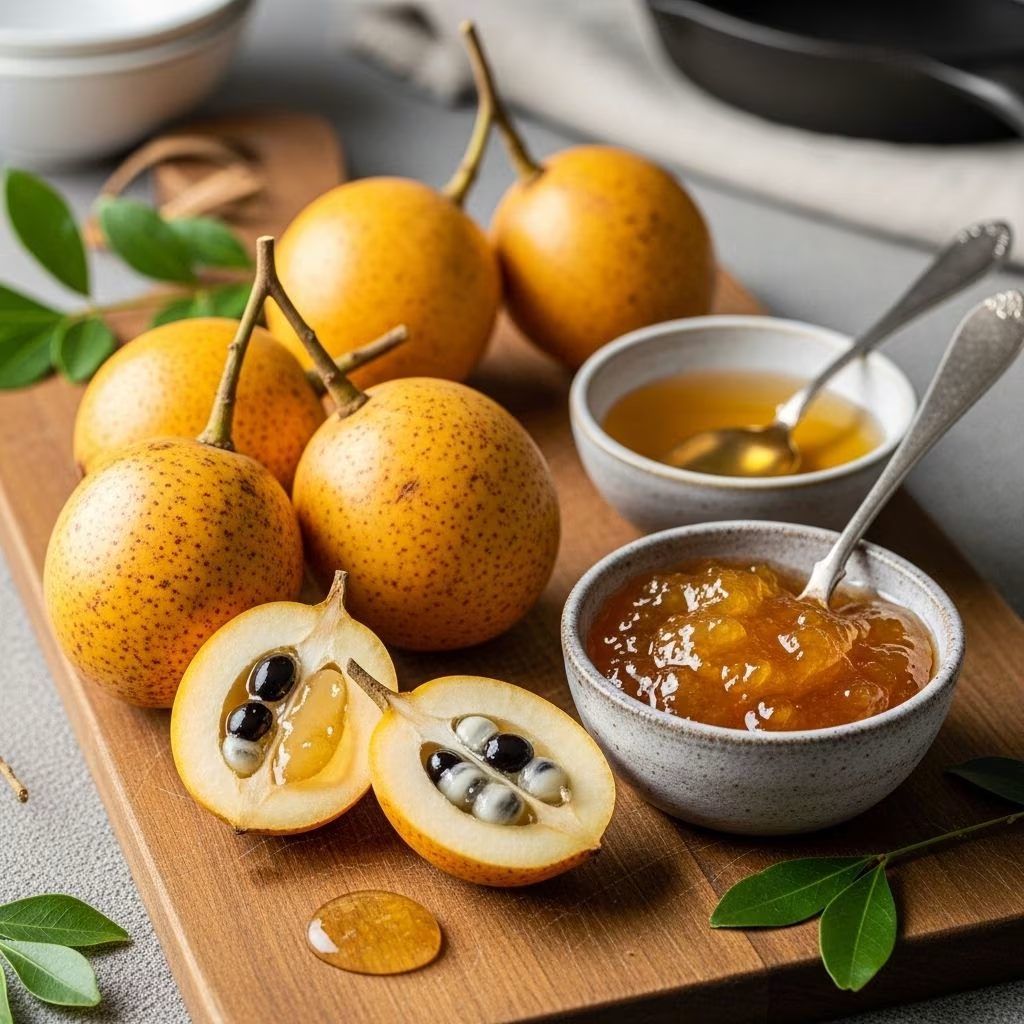
False mastic fruit, sometimes referred to as mastic berry or the fruit from the Pistacia lentiscus var. chia tree, features prominently in Mediterranean cuisine. Aromatic and slightly piney in flavor, it is often paired with the famous mastic gum but can also shine on its own in creative recipes. This comprehensive guide explores top-rated recipes, essential techniques, and delicious, innovative uses for false mastic fruit in your home kitchen. Whether you’re seeking sweet preserves, sophisticated desserts, or new savory pairings, you’ll discover deep culinary traditions and modern twists on this underappreciated ingredient.
About False Mastic Fruit
False mastic fruit is harvested from the Pistacia lentiscus tree, found primarily in Mediterranean regions like Greece, Cyprus, Turkey, and surrounding islands. While its resin (mastic gum) is world-famous, the fruit itself is lesser known but equally captivating. It is small, spherical, and dark when ripe, with a unique blend of earthy, piney, and slightly sweet flavors that make it highly versatile.
Mastic’s traditional use dates back millennia, with the fruit and resin enjoyed for both culinary and medicinal purposes. While the resin finds its way into chewing gum, liqueurs, and desserts, the fruit is used fresh, dried, candied, or preserved in jams and compotes.
Culinary Traditions and Common Uses
In Mediterranean kitchens, mastic fruit plays multiple roles:
- Jams, preserves & compotes: The fruit is boiled with sugar and lemon for complex, aromatic preserves.
- Baked goods: Its flavor pairs well with figs, dates, walnuts, and sesame, appearing in stuffed pastries, sweet breads, and cakes.
- Desserts & puddings: Crushed mastic fruit or gum flavors custards, puddings, loukoumia, and creamy milk-based desserts, often with floral water or citrus zest for brightness.
- Savory pairings: In new-wave cuisine, chefs incorporate mastic fruit into marinades for lamb or fish, or blend it into sauces for roasted vegetables.
- Beverages: Syrups and liqueurs infused with mastic fruit (and resin) are prized as digestive aids and palate cleansers.
The unique taste ties dishes together with piney, herbal, and slightly resinous undertones, making it a favorite for both classic and contemporary recipes.
How to Select and Prepare False Mastic Fruit
To cook with false mastic fruit successfully, start with the highest quality ingredients and proper preparation:
- Selection: Choose ripe, plump berries with deep coloration and fragrant aroma.
- Washing: Rinse thoroughly under running water to remove dust or debris.
- Pitting: Some recipes benefit from pitted fruit—remove pits carefully with a paring knife if needed.
- Crushing or Slicing: For maximum flavor, lightly crush the fruit or slice to release aromatic oils before cooking.
- Pairing: Mastic pairs beautifully with figs, citrus, honey, almond, walnut, sesame, and mild dairy bases.
Top False Mastic Fruit Recipes
1. False Mastic Fruit and Fig Jam with Walnuts & Sesame
This robust preserve layers flavors of Mediterranean autumn: figs, false mastic fruit, toasty walnuts, and earthy sesame come together in a rich, complex jam.
Ingredients
- 1 kg dried figs, stemmed and quartered
- 2 cups ripe false mastic berries (whole and/or lightly crushed)
- 3 cups sugar (reduce to 2 cups for less sweetness)
- 1/4 tsp salt
- 5 cups water
- 2-3 tbsp freshly squeezed lemon juice
- 1 cup walnuts, roughly chopped
- 1/2 cup white sesame seeds
- 3-4 stars anise (optional)
Instructions
- In a large pot, combine figs, false mastic fruit, water, sugar, lemon juice, and salt. Bring to a gentle boil, stirring with a wooden spoon.
- Lower heat and simmer uncovered for 8-10 minutes, forming a fragrant sugar syrup.
- Add star anise (if using) and simmer 20-30 minutes until fruit is softened and mixture thickens.
- Meanwhile, toast sesame seeds in a dry pan over medium heat until golden (2-3 minutes). Set aside. Toast chopped walnuts next until fragrant.
- Remove anise, stir in nuts and sesame, and simmer 5 more minutes.
- Ladle jam into sterilized jars, seal, and store in the refrigerator.
Serving suggestions: Spread over fresh bread, spooned onto soft cheeses, or swirled into yogurt.
2. Lemon-Mastic Berry Milk Pudding (Mehalabia Style)
This Egyptian-inspired pudding is updated with a brûléed crust and a floral mastic-berry note.
Ingredients
- 3 cups whole milk (or a plant-based alternative)
- 3 tbsp cornstarch
- 3/4 cup sugar
- 1/2 tsp crushed false mastic berries
- 1 ½ tsp lemon zest
- 1 cup cooked/pureed false mastic fruit
- Extra sugar for brûlée topping
Instructions
- Dissolve sugar and cornstarch in cold milk. Add lemon zest and crushed mastic berries.
- Cook over medium-low heat, stirring constantly, until thick enough to coat the back of a spoon (18–25 mins).
- Stir in pureed false mastic fruit.
- Pour into small bowls, chill 2-3 hours.
- Before serving, sprinkle sugar evenly on top and caramelize with a torch or very hot broiler for a crackling crust.
3. Almond and False Mastic Berry Pudding (Kishk al Fuqara)
This vegan-friendly, creamy treat highlights nutty almond milk and the floral-pine notes of false mastic fruit.
Ingredients
- 2 cups almond milk
- 1 can (16oz) coconut cream
- 1/2 cup almonds, crushed
- 1/4 cup cornstarch
- 3/4 cup sugar
- 1/4 cup pureed false mastic berries
- 1 tbsp orange blossom water
Instructions
- Crush almonds in a food processor. Dissolve cornstarch in 1/4 cup almond milk.
- Combine coconut cream, remaining almond milk, and crushed almonds in a saucepan. Heat gently.
- Whisk in cornstarch mixture, cook over medium heat until starting to thicken, then stir in sugar and false mastic berry puree. Cook for another 2-3 minutes.
- Remove from heat, add orange blossom water. Pour into serving bowls and chill thoroughly.
Tip: For a richer texture, garnish with more toasted almonds or chopped walnuts.
4. Quick Preserved False Mastic Berries in Lemon Syrup
This simple preserve is perfect for topping desserts, blending into sauces, or spooning over breakfast oats.
Ingredients
- 2 cups fresh false mastic berries
- 1 cup sugar
- Juice of 1 lemon
- 1/2 cup water
Instructions
- Combine sugar, water, and lemon juice in a small saucepan. Bring to a boil, stir until sugar dissolves.
- Add false mastic berries and simmer for 10-12 minutes until berries soften but hold their shape.
- Transfer berries and syrup to a clean jar. Cool, cover, and refrigerate up to 3 weeks.
5. Loukoumia with False Mastic Fruit and Vanilla
Classic Turkish delight infused with mastic and bits of tender false mastic fruit for a uniquely aromatic chew.
Ingredients
- 7 cups water
- 2 kg sugar
- 300 g cornstarch
- 100 g powdered gelatin (option for vegan: agar-agar or pectin)
- 1-2 tsp vanilla extract
- 5-6 tsp mashed false mastic fruit or 5 drops mastic resin
- Powdered sugar for coating
- Red food coloring (optional)
Instructions
- Combine water and sugar in a large pot. Bring to a boil, stirring, until syrup forms.
- Mix cornstarch with a little cold water to make a slurry; add to pot, whisking constantly to prevent lumps.
- Add gelatin, vanilla, and mashed false mastic fruit. Stir and simmer gently until thick and glossy (30–40 mins).
- Add red food coloring (if using), then pour mixture into a pan lined with parchment. Cool completely, then dust generously with powdered sugar and cut into cubes.
- Store airtight and enjoy as a sweet treat with coffee or tea.
Key Tips for Cooking with False Mastic Fruit
- Dosage: False mastic fruit is potent—start with less and increase to taste for desired flavor.
- Balancing flavors: Pair the piney sharpness with dairy, citrus, or sweet dried fruits to round out the profile.
- Careful heating: For jams and syrups, avoid boiling too rapidly to prevent bitterness; gentle simmering brings out mellow, aromatic notes.
- Use of resin vs. fruit: While resin provides mainly aroma, the fruit also delivers texture and deeper flavor—consider combining both for complex results.
- Storage: Preserves, jams, and candied fruits keep well in sealed jars in the refrigerator for weeks.
- Allergy caution: Some individuals may react to mastic—test new preparations with small quantities.
Troubleshooting and FAQs
Q: Where can I buy false mastic fruit?
A: Specialty Mediterranean or Middle Eastern grocers occasionally carry fresh or dried false mastic fruit. Online retailers and herbal shops are another source. If using mastic gum, ensure it is culinary grade.
Q: Can I substitute mastic gum for the fruit in recipes?
A: Mastic gum provides aroma but not the same flavor or texture. For best results, combine gum and fruit, or use both in recipes for deeper complexity.
Q: Is the fruit edible raw?
A: Ripe false mastic berries can be eaten raw, though the flavor is strongest when cooked or preserved to mellow any resinous notes.
Q: What’s the best way to store false mastic fruit?
A: Fresh fruit should be refrigerated and used within a few days. Dried or preserved mastic fruit and jams last several weeks in sealed containers.
Q: How do I avoid bitterness in jams?
A: Avoid rapid boiling and overcooking. Remove any white pith if using citrus to reduce bitterness, and always use ripe, blemish-free mastic fruit.
Final Thoughts
Whether you are an experimental cook or an aficionado of Mediterranean flavor, false mastic fruit offers remarkable depth and versatility in both sweet and savory dishes. By mastering a few basic techniques—gentle simmering, creative pairings, and mindful preparation—you can bring this exceptional ingredient to life in standout jams, puddings, preserves, and more. Try pairing traditional recipes with modern twists, and share the unique pleasure that is cooking with false mastic fruit at your table.
References
- https://umilailasjourney.wordpress.com/2017/10/27/fig-jam-with-walnuts-sesame-seeds-and-mastic-gum/
- https://honestcooking.com/updating-an-old-egyptian-favorite-lemon-mastic-mehalabia-brulee/
- https://www.omayahcooks.com/blog/tag/mastic+recipes
- https://greekfoododyssey.blogspot.com/2015/03/mastic-flavoured-loukoumia.html
- https://zelosgreekartisan.com/blogs/easy-greek-recipes/mastiha-infused-recipes-from-chios
- https://www.kopiaste.org/2009/01/think-spice-think-twice/
- https://www.youtube.com/watch?v=CJ3zy0mO69c
- https://palestineinadish.com/recipes/desserts/muhallebi-recipe-mahalabia/
- https://thearmeniankitchen.com/mastic-gum-and-chorag/


