


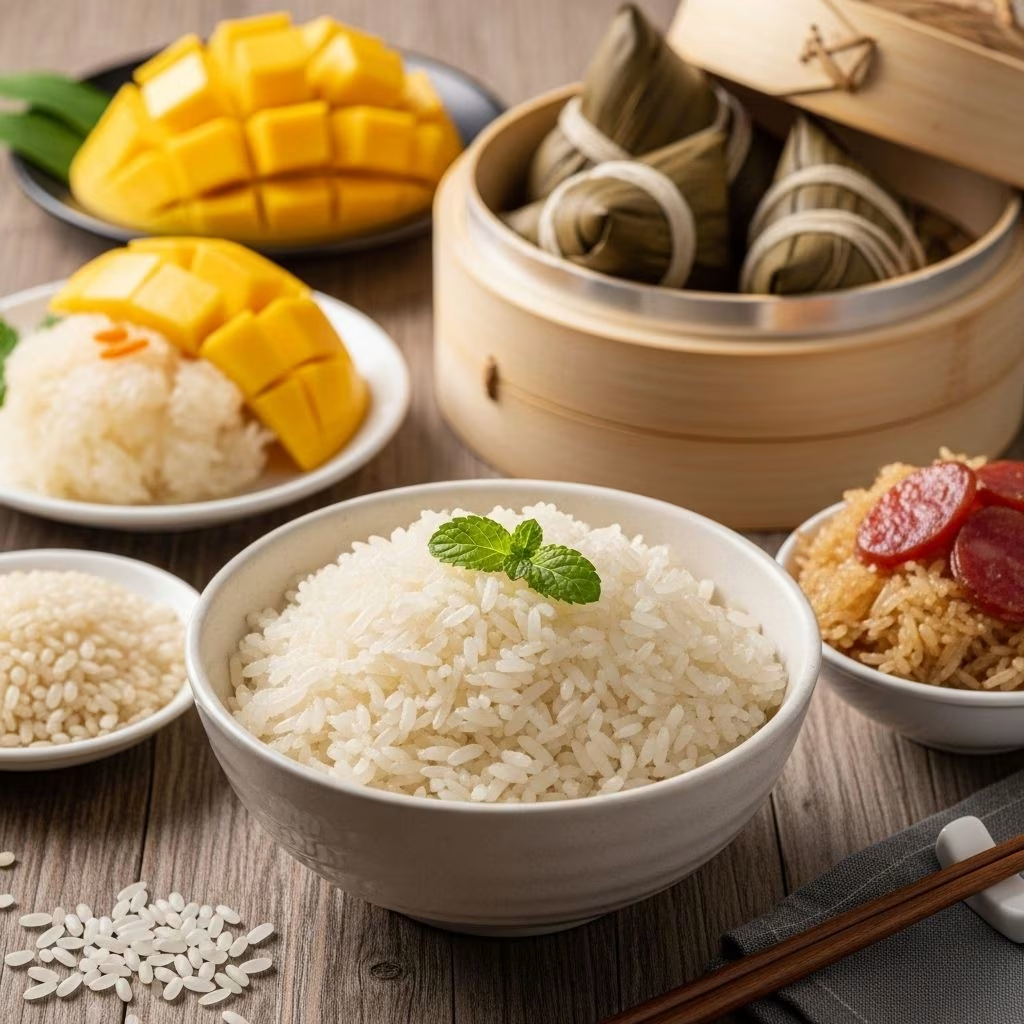
Glutinous rice, also widely known as sticky rice or sweet rice, is an iconic ingredient in many Asian cuisines, celebrated for its sticky texture, nuanced taste, and versatility in both sweet and savory dishes. This comprehensive guide delves into the science behind its signature stickiness, explores nutritional benefits, examines its many uses, and explains why it continues to be a staple in kitchens from Bangkok to Beijing.
Introduction: Glutinous Rice at a Glance
Glutinous rice, commonly referred to as sticky rice, is renowned for its ability to clump together in a soft, chewy mass when cooked. Distinguished by its glossy appearance and mild, sweet flavor, it is the heart of many beloved dishes across Southeast and East Asia. Despite its name, glutinous rice contains no gluten; the term ‘glutinous’ relates solely to its glue-like, adhesive texture.
Definition and Origin of Glutinous Rice
Glutinous rice (Oryza sativa var. glutinosa) is a type of short- or medium-grain rice with virtually no amylose starch and a high concentration of amylopectin. When cooked, this unique starch composition imparts the classic sticky, almost elastic texture.
This rice has a long, rich history in Asia, especially in countries such as Laos, Thailand, Vietnam, China, Japan, and Korea. In Laos, for example, sticky rice comprises the vast majority (over 85%) of all rice grown and consumed, forming a core part of daily meals and cultural identity.
- Name Confusion: Although called glutinous, it is naturally gluten-free and suitable for people with gluten intolerance.
- Other Names: Also referred to as sweet rice, waxy rice, mochi rice (Japan), or khao niao (Thailand).
What Makes Glutinous Rice Sticky?
The hallmark stickiness of glutinous rice comes from its unique starch composition:
- High Amylopectin: Responsible for the rice’s glue-like quality. Nearly all the starch in glutinous rice is amylopectin.
- Negligible Amylose: Ordinary rice like jasmine or basmati contains more amylose, resulting in a firmer, fluffier grain. Glutinous rice’s near-zero amylose lets the grains cling together.
Under the microscope, glutinous rice grains are opaque rather than translucent, and, after cooking, they bind into delightfully soft, chewy clumps.
Popular Varieties of Glutinous Rice
Glutinous rice is cultivated in many regions and comes in several types and colors:
- White Glutinous Rice: The most common, with glossy, short-round grains.
- Black (Purple) Glutinous Rice: Unmilled grains with deep purplish or black hues; high in antioxidants and fiber due to the bran layer.
- Regional Types:
- Thai Glutinous Rice: Medium to long grain, intensely sticky, and popular for both desserts and main dishes.
- Vietnamese Glutinous Rice: Renowned for sticky texture, used in both sweet and savory preparations.
- Japanese Mochigome: Used to make mochi and traditional sweets.
Nutritional Value and Health Benefits
Glutinous rice is primarily a source of complex carbohydrates. Here are its nutritional highlights:
- Good Source of Energy: High starch content provides a rapid and sustained energy boost, making it advantageous for those with high energy needs.
- Naturally Gluten-Free: Despite the term ‘glutinous,’ it is free from gluten proteins, making it safe for those with celiac disease or gluten intolerance.
- Easy to Digest: The low fiber and protein content makes glutinous rice gentle on the stomach, ideal for convalescence or sensitive digestive systems.
- Essential Minerals: Contains magnesium, phosphorus, and small amounts of iron and potassium, supporting muscle and bone health.
| Nutrient | Amount per 100g Cooked |
|---|---|
| Calories | 97 kcal |
| Carbohydrates | 21.1 g |
| Protein | 1.5 g |
| Fat | 0.2 g |
| Fiber | 0.2 g |
| Magnesium | 6 mg |
| Phosphorus | 14 mg |
Note: Values may vary depending on grain variety and preparation method
Potential Health Benefits
- Supports Energy Production: Ideal for athletes and active individuals due to quick-digesting carbs.
- Hypoallergenic and Digestive-Friendly: Well-suited for those with food sensitivities or recovering from illness.
- Rich in Antioxidants (Black Variants): Black and purple glutinous rice varieties contain anthocyanins, potent antioxidants that may help reduce inflammation and support heart health.
While glutinous rice provides energy and micronutrients, it is low in fiber and protein compared to whole grains. Combine it with beans, nuts, or lean meats for balanced meals.
Culinary Uses Around the World
The culinary applications of glutinous rice are vast and deeply intertwined with cultural identity throughout Asia:
- Desserts & Sweets
- Mochi (Japan): Soft, chewy sweets made from pounded sticky rice.
- Mango Sticky Rice (Thailand): Creamy, sweet coconut sticky rice paired with ripe mango.
- Banh Chung (Vietnam): Tet holiday cake with glutinous rice, mung bean, and pork, wrapped in banana leaves.
- Black Sticky Rice Pudding (Indonesia): A sweet porridge with coconut milk and palm sugar.
- Savory Dishes
- Sticky Rice with Sausage (China): Glutinous rice mixed with Chinese sausage, mushrooms, and aromatics.
- Laotian Sticky Rice (Khao Niao): Served as a staple alongside spicy dishes, pinched by hand.
- Zongzi (China): Glutinous rice dumplings with pork and other fillings, wrapped in bamboo leaves.
- Other Uses
- Rice Flour: Ground sticky rice is the base for flour used in rice noodles, cakes, and thickening sauces.
- Fermented Products: Used in rice wine, vinegar, and other fermented pastes.
The pleasing stickiness enables new culinary textures and presentations not possible with standard rices.
How to Cook Glutinous Rice
Proper preparation of glutinous rice differs from regular rice due to its unique starch structure. Here is a typical cooking guide:
- Soak: Rinse the rice thoroughly, then soak in water for 4–8 hours for best texture.
- Steam: Drain and cook using a bamboo or mesh steamer rather than boiling (prevents turning to mush).
- Rest: Let stand for several minutes after cooking to develop full stickiness.
For sweet varieties, the rice is often mixed with coconut milk and sugar after steaming. In savory applications, it may be steamed with aromatics or layered with proteins and vegetables for richer flavor.
Taste, Texture, and Aroma Profile
- Taste: Naturally sweet and mild; does not require heavy seasoning to be palatable.
- Texture: Signature sticky, chewy, and elastic consistency. Unique among rices, this makes it perfect for molding and wrapping in leaves or rice paper.
- Aroma: Subtle, earthy, sometimes lightly floral scent. Lacks the overt fragrance of jasmine rice, but provides a homey, comforting smell as it steams.
Its ability to form cohesive masses lends it to hand-molded presentations, dumplings, or compact cakes. The subtle sweetness shines in desserts, while its chew makes it ideal for hearty, satisfying savory dishes.
Frequently Asked Questions (FAQs)
Q: Is glutinous rice healthy?
A: Glutinous rice offers easily digestible carbohydrates for energy, is naturally gluten-free, and, in colored varieties, provides antioxidants. However, it is low in fiber and protein, so enjoy as part of a balanced diet.
Q: Does glutinous rice contain gluten?
A: No. The word ‘glutinous’ means sticky or glue-like; glutinous rice contains no actual gluten proteins and is safe for gluten-free diets.
Q: What is the difference between glutinous rice and sushi rice?
A: Sushi rice is a type of Japonica rice with a moderate stickiness, but it still contains some amylose, making it less sticky than glutinous rice. Sushi rice is used for sushi rolls, while glutinous rice is used for die-hard sticky dishes and sweets.
Q: Can I substitute regular rice for glutinous rice?
A: No; regular rice cannot replicate the binding sticky texture due to its higher amylose content. For authentic sticky rice dishes, choose true glutinous rice varieties.
Q: Is black sticky rice the same as white sticky rice?
A: Both are forms of glutinous rice, but black sticky rice retains its dark bran and higher antioxidant content, offering a nutty flavor and a chewier, denser texture compared to white sticky rice.
Q: How should I store glutinous rice?
A: Keep in an airtight container in a cool, dry place to avoid moisture and spoilage. Cooked glutinous rice may be refrigerated for up to 3 days or frozen for longer storage.
Conclusion: Embracing Glutinous Rice in Your Kitchen
Glutinous rice is a culinary treasure with deep roots and a prominent presence in Asian culture. Its signature stickiness, mild sweet flavor, and adaptability to a variety of dishes—whether desserts, main courses, or snacks—make it an essential ingredient for chefs and home cooks alike. As a naturally gluten-free, high-energy food, it fits seamlessly into many modern diets and cuisines.
From Laos to Tokyo, and from classic mango sticky rice to festive zongzi, glutinous rice continues to connect generations and cultures with every chewy, satisfying bite.
References
- https://k-agriculture.com/glutinous-rice-and-its-impressive-characteristics/
- https://www.scribd.com/document/353250143/Glutinous-Rice
- https://www.orientalmart.co.uk/blog/sticky-rice-guide-what-is-glutinous-rice
- https://www.merriam-webster.com/dictionary/glutinous%20rice
- https://gluten.org/faq/is-it-safe-to-include-glutinous-rice-in-a-gluten-free-diet-what-exactly-is-it/
- https://pmc.ncbi.nlm.nih.gov/articles/PMC1462305/
- https://runawayrice.com/cooking-basics/rice-flour-vs-glutinous-rice-flour-what-are-the-differences/


