


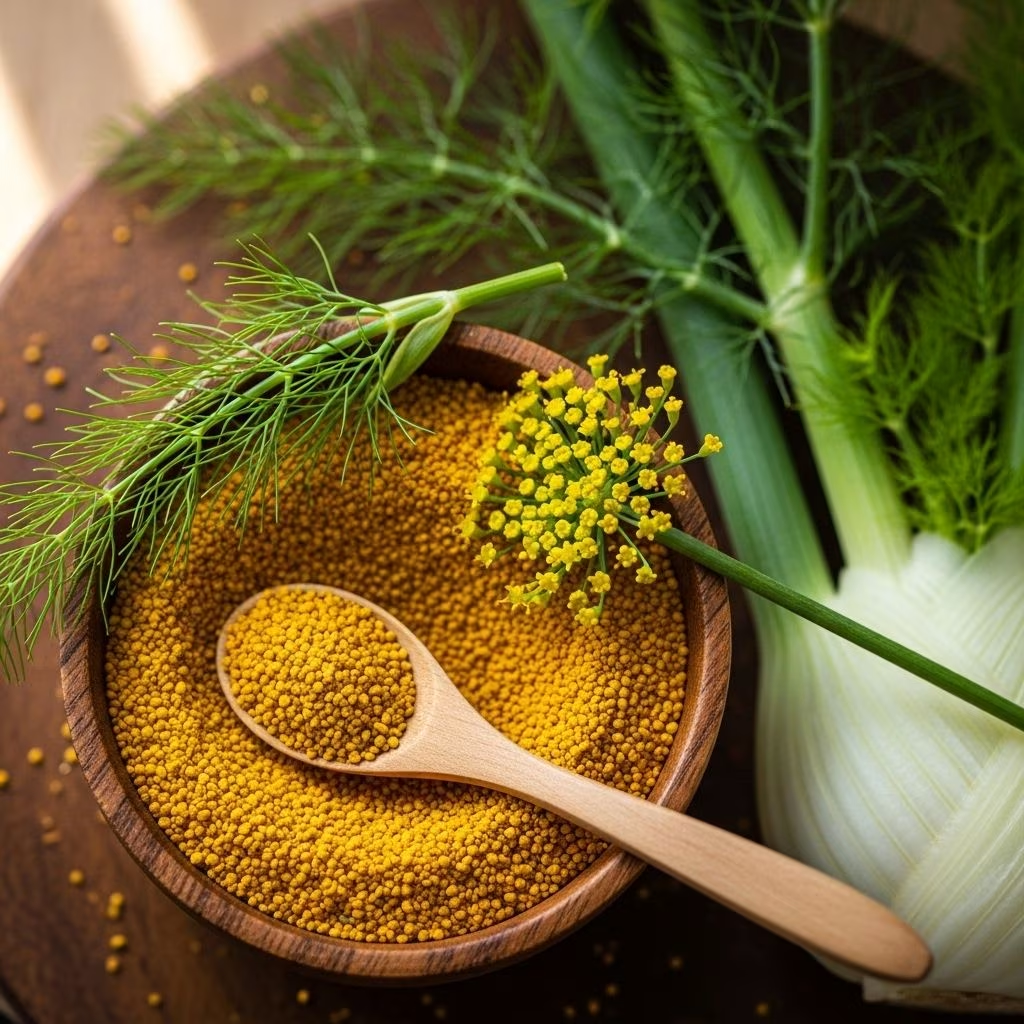
Fennel pollen has captivated chefs and home cooks alike with its potent mix of sweet, savory, and floral notes. Though a relatively uncommon spice, its ability to elevate dishes—both savory and sweet—is gaining global recognition. In this comprehensive guide, you’ll discover what makes fennel pollen so unique, how to use it, its history and origins, and the best ways to substitute it in recipes.
- Table of Contents
- What Is Fennel Pollen?
- The Flavor Profile of Fennel Pollen
- Culinary Uses of Fennel Pollen
- How to Use Fennel Pollen in Cooking
- Classic Pairings and Dishes
- Fennel Pollen in Sweet Dishes
- Origin, History, and Culture
- Health Benefits of Fennel Pollen
- Easy Substitutes for Fennel Pollen
- Storage and Handling
- Frequently Asked Questions (FAQs)
What Is Fennel Pollen?
Fennel pollen is a distinct spice collected from the tiny yellow blossoms of the wild fennel plant (Foeniculum vulgare), a member of the carrot family. Unlike fennel seed or bulb, the pollen offers a concentrated essence that encapsulates the entire fennel experience: flowers, leaves, and stems all distilled into a golden powder.
This prized pollen is hand-harvested and carefully dried to preserve its intense flavor and fragrance. Wild fennel grows abundantly in Mediterranean climates, particularly in Italy, and has naturalized worldwide.
The Flavor Profile of Fennel Pollen
Fennel pollen’s taste is complex and multidimensional, making it much more than merely “anise-like.” Hallmarks of its flavor include:
- Sweet notes reminiscent of honey and citrus
- Earthy undertones that bring depth
- A delicate licorice or anise seed character
- Floral and slightly spicy aromatic top notes
- A mild, almost savory “umami” effect that enhances the flavors of other ingredients
The delicious complexity of fennel pollen has led chefs to call it the “spice of the angels” due to its aromatic, ethereal flavor profile. A pinched sprinkle can transform the ordinary, acting as an aromatic finishing touch or a flavor-boosting component within a recipe.
| Feature | Fennel Pollen | Fennel Seed | Fennel Bulb |
|---|---|---|---|
| Source | Fennel flowers’ pollen | Dried seeds | Swollen stem base |
| Flavor Intensity | Highly concentrated, nuanced, floral | Milder, more singular anise | Vegetal, fresh, mild sweet-anise |
| Usage | Finishing spice, subtle layers | Seasonings, rubs, breads | Raw or cooked, salads, roasting |
Culinary Uses of Fennel Pollen
The culinary versatility of fennel pollen is remarkable: it shines in both savory and sweet applications and in a variety of cuisines.
- Rubs and crusts for meats (pork, chicken, lamb, fish)
- Finishing spice for vegetables (roasted carrots, potatoes, brassicas)
- Pasta and grain dishes (sprinkled on or blended in sauces)
- Soups and broths (adds dimension at the end of cooking)
- Desserts and baked goods (cookies, cakes, fruit crumbles)
- Enriching spice blends and dry rubs for gourmet appeal
Because its volatile oils are so potent, fennel pollen is typically used as a finishing touch or stirred in near the end of cooking to preserve its character and aroma.
How to Use Fennel Pollen in Cooking
Here’s how to make the most of this golden spice in your kitchen:
- As a Finishing Spice: Sprinkle sparingly—just a pinch—over cooked dishes immediately before serving for maximum fragrance and flavor impact.
- In Marinades and Rubs: Blend with herbs, garlic, and olive oil for meat or fish. Marinate for several hours to permeate proteins with complex flavor.
- Bake Into Doughs: Add to muffin, cake, or bread batters for floral undertones.
- Sweet Pairings: Mix into honey or whipped cream, sprinkle on fruit, or stir into ice cream bases.
- Season Savory Sides: Use as a bright, aromatic boost for grilled vegetables and risottos.
- Infusion: Steep in warm liquids to impart subtle spice to sauces and syrups.
Classic Pairings and Dishes
Fennel pollen enjoys particular popularity with rich, fatty meats and dishes where its aromatic lift balances heavier flavors:
- Pork roast: Rub with fennel pollen, garlic, and olive oil for a fragrant crust
- Grilled chicken: Marinate with lemon juice, herbs, and fennel pollen to highlight juiciness
- Lamb: Spice lamb chops or stew with fennel pollen for an herbal, floral accent
- Seafood: Enhance grilled salmon, mackerel, and mixed seafood (try mixing with lemon butter)
- Pasta with sausage: Finish with a dusting of fennel pollen for depth
- Roasted vegetables: Toss carrots, potatoes, or cauliflower with pollen before roasting
- Risotto: Stir in at the final stage for a surprising layer of aroma
Fennel Pollen in Sweet Dishes
While beloved in savory cookery, fennel pollen excels in desserts, where its honeyed, floral qualities shine:
- Baked goods: Cakes, muffins, and cookies benefit from a subtle dose (try with lemon or honey-based recipes)
- Fruit salads: Sprinkle late in preparation, especially on apples, pears, and berries
- Dessert sauces: Infuse into honey or syrups for drizzling
- Ice cream: Add to vanilla or honey ice cream custard; pairs well with nuts and fruit compote
- Chocolate desserts: Dust lightly over dark chocolate truffles or brownies for an unexpected herbal note
Origin, History, and Culture
Fennel is native to the Mediterranean and has historic culinary and medicinal importance. In ancient Greece, fennel was called “marathon,” inspiring the name of the famous battlefield and later the footrace.
Mythologically, Prometheus used a fennel stem to carry fire from the gods to humans, symbolizing knowledge and transformation.
In the Middle Ages, people hung fennel over their doors on Midsummer’s Eve in hopes of driving away evil spirits. Today, the plant’s culinary and therapeutic uses continue, especially in Italy, where wild fennel pollen is prized for its flavor and aromatic impact.
Health Benefits of Fennel Pollen
Fennel pollen, like other forms of fennel, contains substantial phytonutrients and volatile oils:
- Antioxidant properties due to compounds like anethole, which supports cell health and may reduce inflammation
- Digestive aid: Traditionally used to relieve bloating, gas, and indigestion
- Potential antimicrobial and anti-cancer effects (supported primarily by animal or test tube studies so far)
- May help reduce cough and soothe some respiratory complaints
In Indian and Pakistani cultures, roasted fennel seeds are customary after meals to freshen breath and aid digestion. Fennel pollen’s potent oils magnify these qualities but should be used sparingly due to its concentrated nature.
Easy Substitutes for Fennel Pollen
Fennel pollen’s rare and bold character can present a challenge when seeking substitutes, but several options provide similar notes or complexity:
| Substitute | Closest Flavor Notes | Ideal Uses |
|---|---|---|
| Ground Fennel Seeds | Strong anise; less floral, slightly earthy | Sausage, breads, vegetable and meat rubs |
| Fresh Fennel Fronds | Mild, herbal, lightly sweet | Garnish, salads, light sauces |
| Anise Seed | Licorice, very sweet | Baked goods, spice blends |
| Dill Pollen or Seeds | Citrus, herbal, slight anise | Seafood, lighter meats |
| Herbes de Provence | Mixed herbs with floral undertones | Roasted meats and vegetables |
- Mixing ground fennel seed and a touch of anise seed provides the closest profile for sausage, pork, and hearty dishes.
- Use fresh fennel fronds for garnish or a subtle herbal touch in salads and seafood.
- Dill pollen or herbes de Provence offer a floral, savory burst for European-style recipes.
Remember, no substitute replicates the remarkable aroma and subtlety of true fennel pollen. Adjust quantities to taste and add sparingly when using stronger substitutes.
Storage and Handling
- Store fennel pollen in a dry, cool, and dark space, in airtight containers.
- Avoid high heat or sunlight, as volatile oils are heat-sensitive and can degrade.
- Use small amounts, as a little delivers significant impact.
- Best used within one year for optimal fragrance and flavor.
Frequently Asked Questions (FAQs)
Q: Is fennel pollen the same as fennel seed?
No. Fennel pollen is gathered from the flowers of wild fennel and is far more aromatic and complex than fennel seed. While both have anise-like profiles, pollen offers floral, citrusy, and honeyed undertones that seeds do not.
Q: Is fennel pollen safe to eat for everyone?
Fennel pollen can be safely enjoyed in culinary quantities by most people, but anyone with allergies to the carrot family (Apiaceae) or those sensitive to anise-like spices should use caution.
Q: Why is fennel pollen expensive?
The collection process is labor-intensive, as the pollen must be hand-harvested from wild or cultivated fennel flowers when in full bloom. This, along with its potent flavor, makes it costly compared to other spices.
Q: How much fennel pollen should I use per dish?
Generally, a pinch (about 1/8 teaspoon) is enough to season a dish for 2–4 people. It’s best added at the end of cooking.
Q: Can I grow and harvest my own fennel pollen?
Yes, if you grow fennel in your garden, you can harvest the yellow blossoms in late summer and shake them gently onto parchment paper. Allow to air-dry, then store in a jar.
Q: What cuisines use fennel pollen most?
Fennel pollen is especially prized in Italian and Mediterranean cuisines, where it elevates roasts, seafood, pasta, and both rustic and refined dishes.
Conclusion
Fennel pollen, prized for its alluring blend of sweet, savory, and subtly spicy notes, has become a favored tool among chefs and adventurous home cooks. Whether bringing new depth to classic Italian roasts or adding intrigue to modern desserts, it is a spice that rewards experimentation. With thoughtful use and clever substitutes, your culinary creations can shine with or without this spice of the angels.
References
- https://www.pollenranch.com/blog/2024/8/31/beyond-sausage-elevate-your-dishes-with-the-floral-magic-of-fennel-pollen
- https://shop.woodlandfoods.com/products/fennel-pollen/c-23/p-15687
- https://www.tastingtable.com/1143781/what-is-fennel-pollen-and-how-can-it-be-used/
- https://www.escoffier.edu/blog/culinary-arts/using-fennel-pollen-in-your-cooking/
- https://www.zingermanscommunity.com/2023/04/5-ways-to-enjoy-wild-fennel-pollen/
- https://www.pollenranch.com/blog/2024/10/28/why-organic-fennel-pollennbspis-the-perfect-seasoning-for-grilling-and-roasting


