


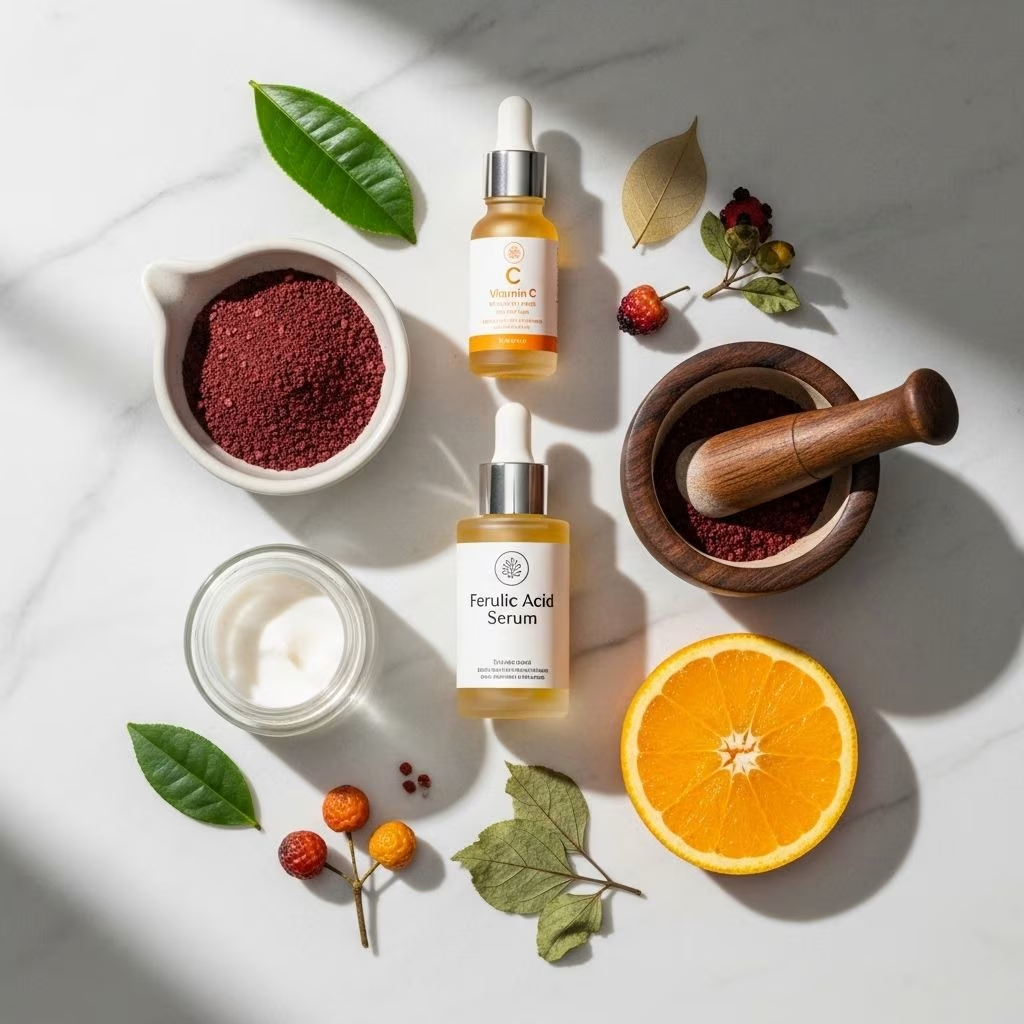
Ferulic Acid: Skin Benefits, Uses & Side Effects
Ferulic acid has emerged as a sought-after ingredient in modern dermatology and skincare formulations. Renowned for its strong antioxidant and anti-inflammatory profile, ferulic acid is frequently incorporated into serums, creams, and even chemical peels. This article provides a comprehensive guide to ferulic acid, covering its origins, mechanism of action, skin benefits, recommended uses, potential side effects, and frequently asked questions supported by recent research and expert consensus.
What is Ferulic Acid?
Ferulic acid is a phenolic antioxidant naturally found in the cell walls of many plants, including wheat, oats, rice bran, oranges, and apples. Its primary biological role is to neutralize free radicals and protect plant tissues from environmental stress. In skincare, ferulic acid is valued for its ability to combat oxidative damage, soothe inflammation, and enhance the efficacy of other antioxidant ingredients.
- Origin: Extracted from plant sources—commonly rice bran, oats, and fruits.
- Structure: Classified as a hydroxycinnamic acid derivative, contributing to its antioxidant potential.
- Role in Nature: Shields plants from ultraviolet (UV) radiation, pollution, and pathogens.
How Does Ferulic Acid Work?
Ferulic acid functions as a multi-mechanistic antioxidant and anti-inflammatory agent in skincare. Its molecular structure enables it to stabilize and neutralize potentially harmful free radicals generated by UV rays, pollution, and metabolic processes. Additionally, ferulic acid chelates metal ions, modulates cellular signaling pathways (including tyrosine kinase activity), and influences inflammatory mediators (such as interleukins).
- Free Radical Scavenging: Prevents cell and DNA damage by neutralizing reactive oxygen species (ROS).
- Metal Chelation: Binds to iron and other metals to block catalysis of oxidative reactions.
- UV Protection: Mitigates formation of UV-induced skin damage markers (sunburn, thymine dimers, p53 protein expression).
- Stabilization: Extends the life and effectiveness of other antioxidants (notably vitamins C and E).
Proven Skin Benefits of Ferulic Acid
Recent human and laboratory studies support a variety of skin-enhancing effects from topical ferulic acid. The most notable benefits include:
- Antioxidant Protection: Neutralizes 40% of oxidative stress in skin cells, reducing cumulative damage from UV exposure, pollution, and stress.
- Photoprotection: When used with vitamin C and E, ferulic acid amplifies protection against sunburn, cellular apoptosis, and skin cancer markers.
- Anti-Aging Action:
- Prevents collagen and elastin breakdown.
- Reduces fine lines and wrinkles.
- Promotes skin elasticity and firmness via procollagen and hyaluronic acid production.
- Inhibits matrix metalloproteinases (MMPs), slowing protein degradation from UV-induced aging.
- Brightening and Pigmentation:
- Reduces hyperpigmentation, melasma, dark spots, and uneven skin tone.
- Suppresses melanocyte activity and stabilizes vitamin C for enhanced skin-brightening effect.
- Anti-Inflammatory Effects:
- Soothes redness, irritation, and inflammation.
- Beneficial for sensitive skin, rosacea, acne, and post-inflammatory hyperpigmentation.
- Skin Hydration and Texture:
- Improves moisture retention.
- Enhances overall texture, elasticity, and suppleness.
- Contributes to a radiant, youthful complexion.
Summary Table: Skin Benefits of Ferulic Acid vs. Other Antioxidants
| Property | Ferulic Acid | Vitamin C | Vitamin E |
|---|---|---|---|
| Free-radical neutralization | Very high (40%) | High | Moderate |
| Photoprotection | Excellent (when combined) | Excellent | Good |
| Skin brightening | Good | Excellent | Low |
| Stabilizes other antioxidants | Yes | No | No |
| Collagen synthesis | Yes | Yes | No |
| Reduces inflammation | Strong | Moderate | Moderate |
Uses and Applications in Skincare
Ferulic acid is featured in a spectrum of topical products and professional skin treatments, including:
- Serums and Creams: Typically formulated with 0.5–1% ferulic acid for daily skin support.
- Chemical Peels: Higher concentrations (12–14%) are used in professional settings for targeted rejuvenation.
- Microneedling: Ferulic acid is sometimes included to enhance post-procedure outcomes.
- Moisturizers and Eye Creams: For added antioxidant and anti-aging benefits in sensitive areas.
- Sun Care: Integrated into sunscreens or day serums for superior UV protection.
Recommended application: Most clinical studies support a topical regimen of 0.5–1% ferulic acid applied once or twice daily for 1 to 3 months for visible results in skin brightness, reduced erythema, and improved texture.
Formulation & Synergistic Combinations
Ferulic acid’s real potential unfolds when used in combination with other antioxidants—especially vitamins C (ascorbic acid) and E (tocopherol). This synergy leads to:
- Enhanced efficacy: Ferulic acid doubles vitamin C’s stability, prolongs shelf-life, and boosts performance.
- Broader photoprotection: The combination shields skin from UV-induced DNA and cell damage much more effectively than any single ingredient alone.
- Greater brightening: Joint action suppresses melanin production, addressing stubborn hyperpigmentation.
- Reduced inflammation: Minimizes redness and irritation, especially in sensitive or compromised skin barriers.
Formulators frequently bundle ferulic acid with additional actives, such as hyaluronic acid (hydration), niacinamide (strengthening barrier), and peptides (firmness and repair).
How to Use Ferulic Acid Effectively
Integrating ferulic acid into a skincare routine requires attention to concentration, compatibility, and order of application. Guidance based on dermatological research includes:
- Apply on clean skin, typically after cleansing and before heavier moisturizers or sunscreens.
- Optimal concentrations: 0.5–1% in serums or creams for daily use.
- Use in the morning for enhanced photoprotection, but can be used twice daily for maximum benefits.
- If using with vitamin C/E serums, choose a combined, stabilized formula to maximize synergy and minimize risk of ingredient degradation.
- Patching is advised for sensitive, allergy-prone skin—wait 24 hours before full application.
Potential Side Effects and Safety
Ferulic acid is considered safe and well-tolerated based on available dermatological literature. However, some limitations and precautions apply:
- Minimal Side Effects:
- Occasional mild irritation or redness, reported primarily in sensitive skin populations or with higher-concentration peels.
- Low Allergy Risk:
- Rare allergic reactions; patch testing recommended for highly reactive individuals.
- No Major Contraindications:
- Generally compatible with most skin types and other active skincare ingredients.
Most observed adverse effects stem from improper use, such as excessive layering with other acids or using highly concentrated formulations outside clinical settings.
- Pregnant or breastfeeding individuals should consult a dermatologist, as robust safety data is limited for these groups.
- Discontinue if persistent redness, rash, or burning occurs and seek professional evaluation.
Choosing Ferulic Acid Products
When selecting ferulic acid skincare, consider the following:
- Check concentration (0.5%–1% is optimal for daily use).
- Look for combined formulations with vitamin C and E for maximum value.
- Choose products with opaque packaging—prevents oxidation and preserves potency.
- Review ingredients for unnecessary fragrances or harsh chemicals that may compromise sensitive skin.
- Read user reviews and consult dermatological endorsements for best results.
Frequently Asked Questions (FAQs)
Q: Who should use ferulic acid in their skincare routine?
A: Ferulic acid is suitable for nearly every skin type, including oily, dry, sensitive, and mature skin. It is especially recommended for those seeking antioxidant protection, anti-aging benefits, or treatment for hyperpigmentation.
Q: How long does it take to see results with ferulic acid?
A: Most studies suggest noticeable improvements in skin hydration, tone, and pigmentation after 1 to 3 months of consistent use (once or twice daily at recommended concentrations).
Q: Can ferulic acid be used with retinol or exfoliating acids?
A: Yes, but it is best to stagger use (morning ferulic/vitamin C serum, evening retinol) to minimize irritation and maximize each ingredient’s benefits. Always apply sunscreen.
Q: Does ferulic acid increase sun sensitivity?
A: No; on the contrary, it enhances photoprotection. However, sunscreen is strongly advised when using any antioxidant regimen targeting sun damage.
Q: Is ferulic acid safe for long-term use?
A: Current data indicate ferulic acid is safe and effective when incorporated into daily skincare over several months to years, with minimal risk for adverse effects in most users.
Q: Can ferulic acid treat melasma or severe pigmentation?
A: Clinical trials show significant improvement of melasma and other hyperpigmentation when ferulic acid is combined with vitamin C/E, but severe or resistant cases may require adjunctive dermatological therapies.
Q: Is it vegan/cruelty-free?
A: Most ferulic acid formulations are plant-derived and vegan, but it is best to check brand ethical certifications for cruelty-free assurance.
Final Thoughts
Ferulic acid stands at the forefront of advanced skincare, combining powerful antioxidant, anti-inflammatory, and photoprotective properties. Its synergy with vitamins C and E, ability to brighten skin, and protection against aging make it indispensable for those seeking long-term skin health. While largely safe, thoughtful product selection and routine integration will optimize both efficacy and tolerability.
References
- https://pmc.ncbi.nlm.nih.gov/articles/PMC12175833/
- https://www.westlakedermatology.com/blog/ferulic-acid-for-skin-care/
- https://www.letsmakebeauty.com/blog/post/synergistic-antioxidants-how-ferulic-acid-boosts-the-efficacy-of-vitamin-c-and-e
- https://pmc.ncbi.nlm.nih.gov/articles/PMC11438535/
- https://health.clevelandclinic.org/ferulic-acid
- https://www.webmd.com/beauty/features/ferulic-acid-skin
- https://www.health.harvard.edu/blog/why-is-topical-vitamin-c-important-for-skin-health-202111102635


