


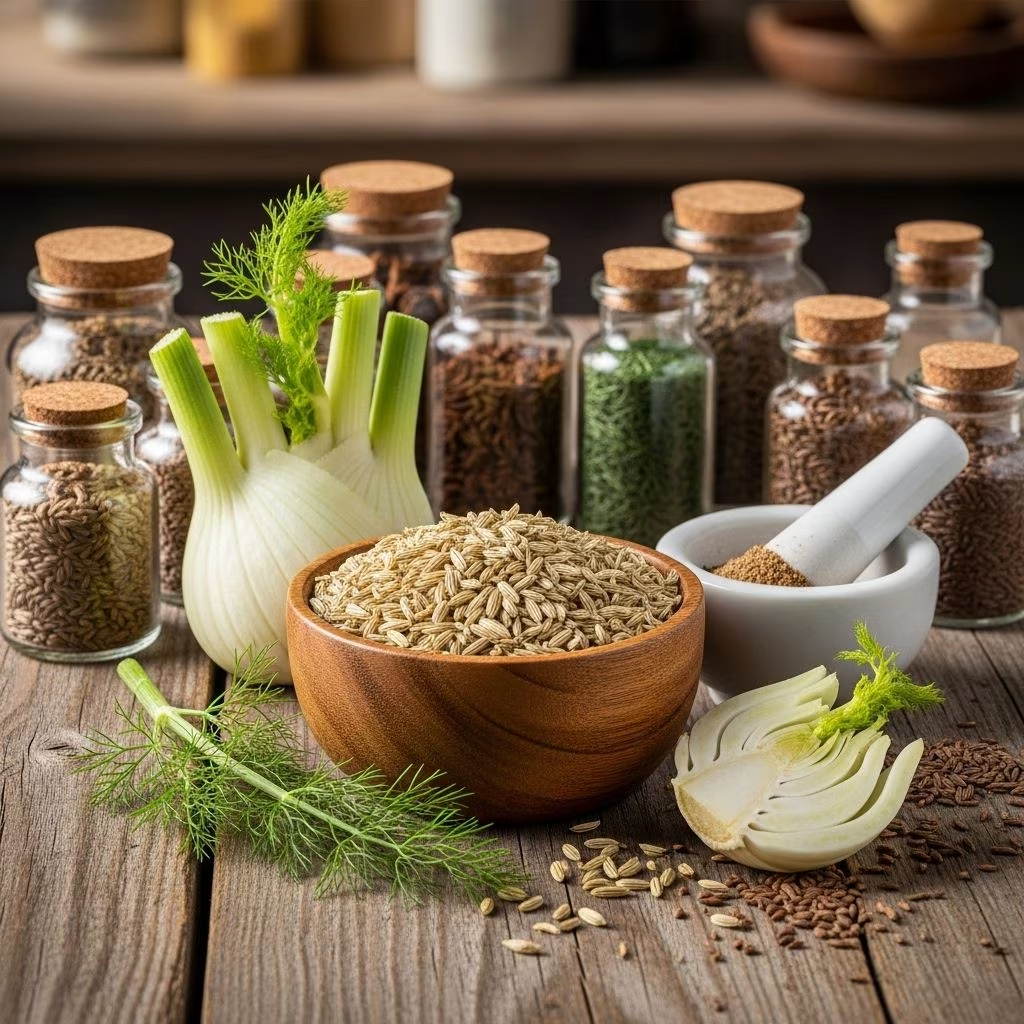
Fennel seed is one of the world’s most intriguing spices, celebrated for its sweet, licorice-like flavor, aromatic charm, and impressive versatility in both the kitchen and traditional medicine. Used across continents—from classic Italian sausages to Indian spice blends—fennel seed brings a distinctive taste and a wealth of nutrition to any dish. This comprehensive guide will take you through everything you need to know about fennel seeds: their flavor profile, health advantages, global uses, easy substitutions, and frequently asked questions.
What Are Fennel Seeds?
Fennel seeds (Foeniculum vulgare) are the aromatic, dried seeds of the fennel plant—a close relative of carrots, celery, and parsley. Native to the Mediterranean but now cultivated worldwide, fennel is unique in that all parts of the plant (bulb, fronds, and seeds) are edible. The seeds are oval, ridged, greenish or yellowish-brown, and carry a powerful aroma that distinguishes them among culinary spices.
Harvested after the plant flowers, fennel seeds are collected, dried, and often used whole or ground to add flavor to many dishes. The principal compound responsible for their unique taste is anethole, which also gives anise and star anise their flavor profiles.
Nutritional Snapshot (per tablespoon of fennel seeds)
- Calories: ~20
- Dietary fiber: ~2g
- Protein: ~1g
- Vitamins: A, C
- Minerals: Calcium, magnesium, potassium, iron
Fennel Seed Flavor Profile
The defining characteristic of fennel seed is its sweet, warm, and slightly spicy licorice flavor. The seeds exude a bright herbal and refreshing aroma, with a subtle undertone that can resemble anise or even mild celery. When toasted or cooked, their complex bouquet intensifies, sometimes described as warming, grassy, and gently bitter—a taste that delights in both sweet and savory recipes.
Key flavor notes of fennel seed include:
- Sweetness with a pronounced licorice or aniseed essence
- Mild bitterness and earthiness that balances out sweetness
- Herbal freshness reminiscent of celery and parsley
- Subtle spiciness when crushed or toasted
This robust profile allows fennel seed to pair well with meats, fish, vegetables, baked goods, and even beverages.
Health Benefits of Fennel Seeds
Fennel seeds are not just a culinary delight; they’ve been prized in traditional medicine for centuries for their medicinal properties and as a nutrient-dense superfood. Modern research increasingly confirms the wide-ranging health benefits of fennel seeds.
Key Health Benefits
- Digestive Aid: Fennel seeds are well-known for stimulating digestion, relieving bloating and gas, reducing acid reflux, and supporting overall gut health. They’re often chewed after meals in Indian and Middle Eastern cultures to freshen breath and aid digestion.
- Rich Source of Antioxidants: The seeds contain powerful antioxidants like anethole, fenchone, polyphenols, rosmarinic acid, and quercetin, which help fight free radicals and reduce oxidative stress.
- Anti-Inflammatory: Fennel seeds display a strong anti-inflammatory effect, potentially relieving symptoms of inflammatory bowel disease and reducing the risk of chronic inflammation.
- Heart Health: Significant fiber, potassium, and other nutrients may help regulate blood pressure, cholesterol, and reduce risk of cardiovascular disease.
- Hormonal Balance: Anethole in fennel seeds mimics estrogen, which may help hormonal issues, menstrual cramps, and stimulate breast milk production in lactating women.
- Weight Management: Early studies suggest fennel seed may help curb appetite and reduce overeating, though more research is needed for conclusive claims.
- Anticancer Potential: Laboratory studies on anethole demonstrate promising effects in destroying cancer cells and inhibiting their spread, especially in breast and liver cancers, though human trials are needed.
- Immune Support: Antimicrobial components and essential oils in fennel seeds support immunity and may soothe the throat.
It’s important to consult with a healthcare provider before using any herb as a supplement or treatment for health conditions.
Culinary Uses of Fennel Seeds Around the World
Fennel seed is a true cross-cultural spice, weaving its way through many of the world’s classic cuisines.
Common Uses in International Dishes
- Italy: Critical in Italian sausages (mild and sweet varieties), meatballs, porchetta, salami, as well as traditional breads and biscotti. Adds depth to tomato sauces, stewed beans, and seafood dishes.
- India & South Asia: Essential in masala spice blends, curries, rice dishes, chutneys, and pickles. Fennel seeds are often dry roasted or used whole for flavoring and as a digestive mouth freshener after meals.
- Middle East & North Africa: Popular in spice blends like za’atar and in breads, pastries, and beverages. Often paired with lamb, fish, or vegetables.
- France: Key ingredient in herbes de Provence—a blend used to season meats, vegetables, and fish.
- Other Uses: Found in Scandinavian rye breads, savory biscuits, herbal teas, liqueurs (such as absinthe and sambuca), and candies.
Popular Ways to Use Fennel Seeds
- Whole: Sprinkled on bread and pastry dough before baking.
- Crushed: Mixed into spice rubs for meats or vegetables.
- Toasted: Toasting enhances sweetness and aroma, ideal for curries and stews.
- Infused: Brewed in hot water for soothing teas.
- Sweets: Used in cookies, desserts, and sweet breads in various cultures.
Fennel Seeds in Traditional Medicine
Fennel seeds have a long-standing role in herbal, Ayurvedic, and folk remedies. In many systems of medicine, they are valued for their “cooling” effect and used for:
- Alleviating indigestion, colic, and flatulence
- Relieving menstrual discomfort
- Supporting lactation in nursing mothers
- Treating bad breath and sore throat
- Reducing symptoms of respiratory illness
- Supporting skin health through detoxifying drinks and washes
Modern science is still investigating the efficacy of many of these historic uses, but the centuries-long respect for fennel seed in traditional wellness is backed by emerging evidence.
How to Use and Cook with Fennel Seeds
Fennel seeds can be used whole, crushed, or ground. Cooking brings out their sweet and aromatic qualities, so light toasting in a dry skillet before use is often recommended. Here are some tips and ideas for getting the best from this spice:
Tips for Cooking with Fennel Seeds
- Toasting: Gently toast in a dry pan for 1–2 minutes to release essential oils and intensify sweetness.
- Grinding: For a finer texture, crush using a mortar and pestle or a spice grinder. Use in spice blends or baking batters.
- Infusing: Add to hot water for fennel tea or to infuse syrups for desserts and drinks.
- Pickling: Whole seeds complement pickled vegetables and preserve dishes.
- Finish Dishes: Sprinkle over roasted vegetables, potatoes, or pasta for aroma and crunch.
Recipe Ideas
- Italian sausage with fennel seeds
- Indian masala chai with fennel
- Roasted carrots and potatoes with toasted fennel seed
- Biscotti or savory breads flavored with fennel
- Homemade pickles
- Herbal fennel seed tea for digestion
Easy Substitutes for Fennel Seed
Fennel seed’s distinctive flavor isn’t easily replaced, but if you’re out of stock, several spices can effectively mimic its sweet, licorice-like notes in different dishes. Here is a handy comparison of the best substitutes for fennel seed in both savory and sweet recipes:
| Substitute | Flavor Notes | Ideal For | Substitution Ratio |
|---|---|---|---|
| Anise Seed | Strongly sweet, licorice | Baked goods, sausages, tea blends | 1:1 |
| Star Anise | Intense licorice, slightly bitter | Stews, braises, spice blends | ½ star anise per 1 tsp fennel seeds |
| Dill Seed | Mild licorice, earthy | Pickling, breads | 1:1 |
| Cumin Seed | Earthy, warm (no licorice) | Curry, vegetable dishes | Start with ½:1 (cumin has a stronger earthy tone) |
| Caraway Seed | Earthy, mild licorice | Breads, cabbage dishes | 1:1 |
| Licorice Root | Pure sweet licorice | Teas, desserts | Use sparingly – it’s sweeter than fennel |
Quick Guidelines for Substitution
- If flavor is critical (as in Italian sausages or Indian masala), anise seed is the closest match.
- For pickling or breads, dill seed or caraway seed work well.
- Star anise is much more potent—start with half the amount and taste.
- In spice blends where the sweet note is less prominent, cumin seed or caraway seed can add complexity.
- Always begin with a smaller amount, and adjust to taste, as substitutes may have subtle differences in strength or aroma.
Frequently Asked Questions (FAQs)
Q: Are fennel seed and anise seed the same?
A: No, they come from different plants, but both share a similar sweet, licorice flavor due to the compound anethole. Anise seeds are generally smaller and have a stronger flavor; however, they can often be used as a substitute in recipes.
Q: Do fennel seeds lose their flavor over time?
A: Yes. While whole seeds keep well for up to two years in a cool, dark, airtight container, ground fennel seed loses potency faster and is best used within six months for optimal flavor.
Q: Can fennel seed cause side effects?
A: Fennel seeds are generally safe for culinary amounts. In very high doses or concentrated supplements, some people may experience allergic reactions, mild photosensitivity, or gastrointestinal upset. People with hormone-sensitive conditions should consult a healthcare provider before using them medicinally.
Q: Are fennel seeds safe for children?
A: Yes, in moderate culinary quantities (as in baked goods or spiced dishes), fennel seeds are considered safe for children. Consult a health professional before giving herbal teas or supplements to young children.
Q: Can I grow fennel seeds at home?
A: Absolutely! Fennel is a hardy herb that can be grown easily in most climates. Let some plants flower and mature, then harvest the seeds once the heads turn brown and begin to dry out.
Conclusion
Fennel seeds are a true kitchen essential—a spice that delivers on flavor, nutrition, and versatility. From sweet licorice undertones to their role in health and digestion, there is simply nothing else quite like them. Whether you’re cooking a classic cuisine, brewing a soothing herbal tea, or searching for that perfect substitute in a recipe, fennel seeds have you covered.
By understanding their properties, diverse uses, and easy alternatives, you can enjoy the distinctive taste and benefits of fennel seeds in your kitchen and beyond—no matter where you are in the world.
References
- https://www.webmd.com/diet/health-benefits-fennel-seeds
- https://www.organicindiausa.com/blog/benefits-of-fennel/
- https://www.healthline.com/nutrition/fennel-and-fennel-seed-benefits
- https://flaevor.com/fennel-seeds/
- https://www.tomsofmaine.com/blogs/healthy-feeling/4-fennel-seeds-benefits-to-know
- https://groups.io/g/a-little-bit-of-everything/topic/fennel_seeds_health/101602737
- https://www.the-independent.com/life-style/health-and-families/fennel-herb-antioxidants-fiber-b2838943.html


