


- Introduction
- The Ancient History of Feta Cheese
- How Feta Cheese Is Made
- Feta Cheese’s Protected Designation of Origin (PDO)
- Nutritional Benefits of Feta Cheese
- Health Advantages and Considerations
- Culinary Uses: How to Use Feta Cheese
- Taste Profile: What Does Feta Cheese Taste Like?
- Varieties and Types of Feta Cheese
- Storage and Serving Tips
- Feta Cheese Compared to Other Cheeses
- Frequently Asked Questions (FAQs)
- Conclusion
Introduction
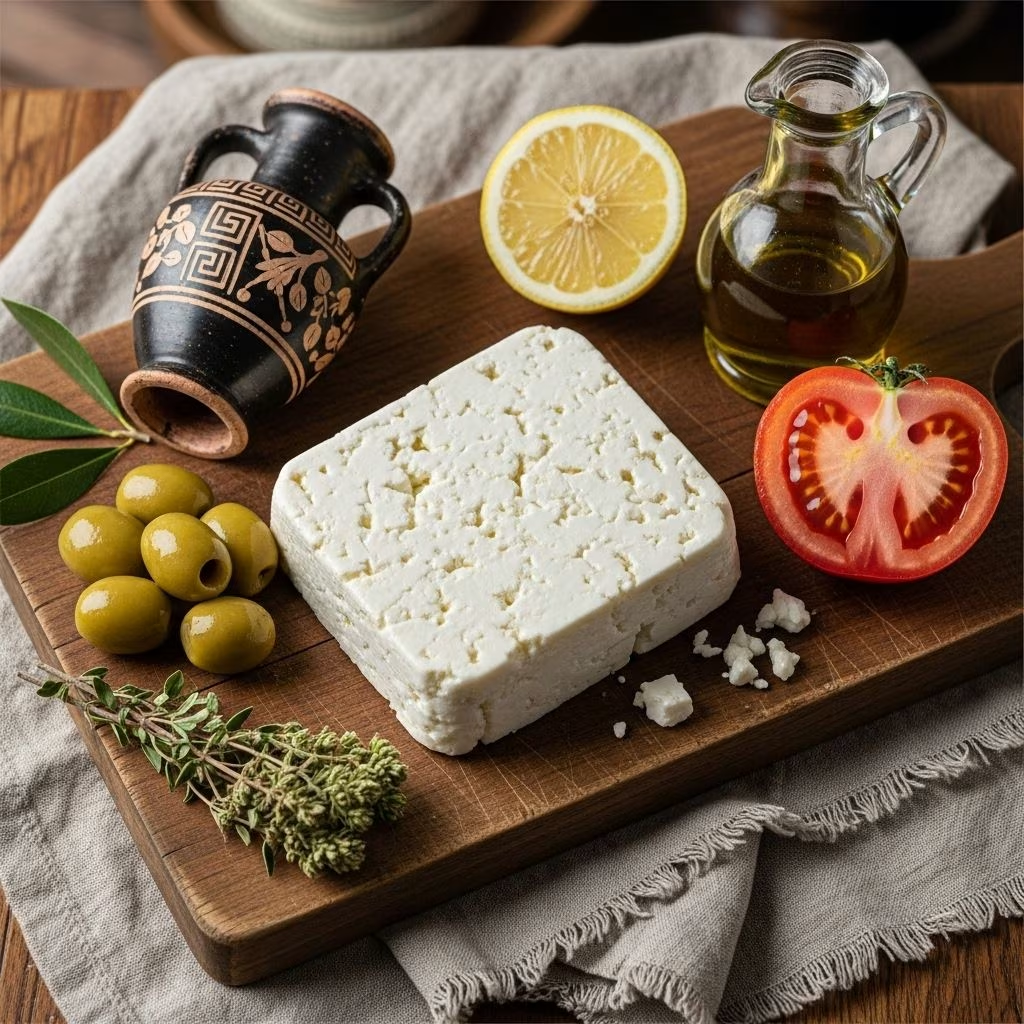
Feta cheese is a world-renowned cheese, deeply embedded in Greek history and culture. Famous for its slightly salty, tangy flavor and crumbly texture, feta cheese has not only satisfied appetites for thousands of years, but also plays a vital role in the Mediterranean diet and modern global cuisine. But what exactly is feta cheese, what makes it unique, and why does it continue to capture the culinary imagination around the world?
The Ancient History of Feta Cheese
Feta cheese stands as one of the oldest cheeses in recorded history, with references dating back over 2,000 years. Mythology and literature pinpoint its origins to the ancient Greek cheese-making tradition.
- Historical Roots: Feta’s earliest mention appears in Homer’s Odyssey (8th century BC). The myth of Polyphemus, the one-eyed Cyclops, explains its accidental invention: storing sheep’s milk in animal stomachs, he found that the milk curdled and solidified, creating cheese.
- Byzantine Era: The Byzantine Empire records refer to feta as “prosphatos,” meaning fresh or recent. Its production was especially prevalent on the island of Crete.
- Etymology: The name “feta” emerged in Greece around the 17th century, stemming from the Italian word “fetta,” meaning “slice.” This likely alludes to the cheese being sliced for storage and serving, with the term becoming dominant in the 19th century.
- Cultural Importance: Feta has always been integral to the Greek diet and social life, holding a centerpiece role in feasts, daily meals, and celebrations. Today, it is the most-consumed cheese in Greece and one of the country’s principal exports.
Feta’s history is inseparable from Greek identity, encapsulating a wealth of mythology, tradition, and regional pride.
How Feta Cheese Is Made
Authentic feta cheese is crafted using traditional methods that have remained largely unchanged for centuries. These artisanal practices are central to feta’s unique characteristics.
- Milk Source: Feta is produced primarily from sheep’s milk, or a combination of sheep’s and up to 30% goat’s milk. Cow’s milk feta, common elsewhere, is not recognized as authentic by Greek standards.
- Cheese Making Process:
- Milk is gently heated and inoculated with cultures to aid acidification.
- Rennet (an enzyme) is added to coagulate the milk, which is then cut and separated into curds and whey.
- Curds are hand-ladled into molds, draining for up to 24 hours, producing a soft, crumbly mass.
- The cheese is cut into blocks or slices (hence “feta”), lightly salted, and placed in wooden barrels or tins.
- Aging occurs in brine (salt water solution) for a minimum of two months, lending feta its characteristic tanginess, moisture, and crumbly texture.
- Traditional Equipment: Feta is historically stored and aged in wooden barrels, though tin containers are now common.
Traditional Greek feta making safeguards the subtle complexities of flavor and texture that mass-produced cheeses often lack.
Feta Cheese’s Protected Designation of Origin (PDO)
The European Commission granted Protected Designation of Origin (PDO) status to feta cheese in 2002. This designation restricts the use of the “feta” name to cheese produced in specific regions of Greece, ensuring authenticity and quality.
- PDO Regions: Authentic feta is made in Macedonia, Thrace, Thessaly, Epirus, Central Greece, the Peloponnese, and Lesvos.
- Requirements: Only cheeses made from sheep’s milk or a mixture of up to 30% goat’s milk, using traditional methods and brine-aging, qualify as true feta.
- Implications: Cheeses produced outside these regions, or with cow’s milk, cannot legally be labeled “feta” within the European Union.
PDO status helps preserve Greece’s cheese-making heritage, uphold quality standards, and distinguish feta from imitations.
Nutritional Benefits of Feta Cheese
Feta cheese is enjoyed for both its taste and its nutritional profile. It is considered a relatively nutritious cheese option within a balanced diet.
| Nutrient | Per 28g (1 oz) serving | % Daily Value* |
|---|---|---|
| Calories | 75-80 | ~4% |
| Protein | 4-5 g | 8-10% |
| Fat | 6 g | 9% |
| Saturated Fat | 4 g | 18% |
| Sodium | 320 mg | 14% |
| Calcium | 140 mg | 15% |
| Vitamin B12 | 0.4 mcg | 16% |
| Phosphorus | 95 mg | 8% |
*Percent Daily Values are based on a 2,000 calorie diet; values may vary by brand and region.
- High in Protein: Contributes to muscle maintenance and growth.
- Rich in Calcium & Phosphorus: Important for bone and dental health.
- Contains B Vitamins: Supports energy metabolism and neurological function.
- Moderate Calories: Feta can fit into calorie-conscious diets.
Health Advantages and Considerations
Feta cheese’s nutrition and bioactive components make it both healthful and flavorful, with several unique strengths and some considerations:
- Probiotic Potential: Traditionally-made feta contains live bacteria that may aid digestion and promote gut health.
- Lactose Content: Made mainly from sheep’s and goat’s milk, feta generally contains less lactose than cow’s milk cheeses, potentially making it more digestible for people with mild lactose intolerance.
- Calcium & Bone Health: Exceptionally rich in easily absorbed calcium, vital for healthy bones.
- Lower Fat Options: Compared to cheeses like cheddar, feta is typically lower in total fat and calories per serving.
Potential Challenges:
- Sodium Content: Brine-aging determines feta’s salty flavor and higher sodium levels. Those watching sodium intake should moderate consumption.
- Allergy Awareness: People with dairy allergies should avoid feta. Sheep or goat milk allergies, though less common, may also be a concern.
In summary, feta cheese is a nutritious choice when consumed in moderation as part of a diverse diet.
Culinary Uses: How to Use Feta Cheese
Feta cheese’s versatility is unrivaled in the culinary world. Its crumbly, tangy facets lend themselves to both simple and sophisticated dishes.
- Salads:
- Classic Greek salad: Tomato, cucumber, onion, olives, and feta.
- Watermelon-feta salad: Combines sweet and salty, often with mint.
- Roasted vegetable salads: Feta crumbles add protein and zest.
- Baked and Cooked Dishes:
- Spanakopita: Greek spinach pie with feta in flaky phyllo pastry.
- Baked feta: Roasted with tomatoes, olive oil, and herbs.
- Stuffed peppers or aubergines: Feta and herbs as a savory filling.
- Appetizers & Snacks:
- Feta drizzled with olive oil and oregano, served with bread.
- Whipped feta dip: Blended with herbs or roasted peppers.
- Feta cubes in olive oil with sun-dried tomatoes or chili.
- Pasta & Grains:
- Crumbled over pasta for creaminess and flavor.
- Mixed with bulgur, couscous, or quinoa salads.
- Pizza & Flatbreads:
- Feta atop Mediterranean-style pizzas.
- Flatbreads with tomatoes, olives, spinach, and feta.
Feta’s robust, tangy profile enhances both raw and cooked culinary creations, elevating even simple recipes.
Taste Profile: What Does Feta Cheese Taste Like?
Feta cheese is famed for its distinct taste and texture, which sets it apart from other cheeses.
- Flavor: Tangy, bright, and slightly sharp, with a savory-salty finish.
- Texture: Crumbly yet creamy, moist but not sticky, holding its structure when sliced.
- Aroma: Milky, fresh, and slightly acidic, with subtle grassy or herbal notes from sheep’s and goat’s milk.
- Intensity: Younger feta tends to be milder and creamier, while well-aged feta can be intensely tangy and firm.
- Color: Always white, a hallmark of sheep and goat milk cheeses.
Feta’s delightful combination of savory, tart, and creamy elements makes it instantly recognizable and widely loved.
Varieties and Types of Feta Cheese
While Greek feta holds PDO status, various regions and countries produce their own versions. Regional and production variations create subtle differences in taste, texture, and saltiness.
- Greek PDO Feta: Made only in specific regions with sheep’s or a mixture of sheep and goat milk, matured in brine for at least two months.
- Other Mediterranean Styles: Bulgaria, Turkey, and several Balkan countries produce white brined cheeses similar to feta (often called sirene).
- Domestic Imitations: ‘Feta-style’ cheeses made outside Greece, usually from cow’s milk, tend to be creamier, less tangy, and lack PDO authenticity.
Within Greece, some regions produce saltier, firmer feta, while others favor a milder, creamier style. The balance of sheep and goat milk varies by area and producer.
Storage and Serving Tips
Proper storage and serving bring out the best of feta cheese’s flavors and textures:
- Storage:
- Keep feta submerged in its original brine, or cover with lightly salted water if brine is depleted.
- Refrigerate in a sealed container to prevent drying out.
- Use within one week after opening for peak flavor.
- Serving Suggestions:
- Serve feta chilled or at room temperature for optimal texture.
- Drizzle with olive oil and sprinkle with oregano as a classic Greek starter.
- Crumble over hot or cold dishes for instant flavor enhancement.
Avoid freezing feta, as it alters both texture and taste.
Feta Cheese Compared to Other Cheeses
| Cheese | Milk Type | Texture | Flavor | Aging |
|---|---|---|---|---|
| Feta | Sheep/goat | Crumbly, moist | Tangy, salty | 2+ months (in brine) |
| Cow’s Milk Feta | Cow | Softer, creamier | Milder, less tangy | Variable |
| Goat Cheese (Chèvre) | Goat | Soft, fresh | Tangy, earthy | Varies (often fresh) |
| Ricotta | Whey (usually cow) | Soft, moist | Mild, slightly sweet | Unaged |
| Paneer | Cow/buffalo | Firm, cookable | Mild | Fresh |
Compared to other fresh cheeses, feta’s distinct tanginess and texture make it a standout ingredient in global cuisine.
Frequently Asked Questions (FAQs)
Q: Is feta cheese suitable for vegetarians?
A: Traditional feta cheese uses animal-derived rennet, but some producers use vegetarian rennet. Always check the label if vegetarian suitability is important.
Q: Can lactose-intolerant individuals eat feta cheese?
A: Feta contains less lactose than most cow’s milk cheeses due to the use of sheep’s and goat’s milk. Individuals with mild intolerance may tolerate feta, but those with severe sensitivity should avoid it.
Q: Is feta cheese gluten-free?
A: Yes, feta cheese is naturally gluten-free.
Q: How is feta different from goat cheese?
A: Feta is usually from sheep’s milk or a mixture of sheep and goat milk, aged in brine, and crumbly in texture. Goat cheese (chèvre) is softer, or creamy, often sold fresh, and typically made purely from goat’s milk.
Q: Why does authentic feta cheese always look white?
A: The white color comes from using sheep’s and goat’s milk, which lacks the beta-carotene pigment found in cow’s milk.
Conclusion
Feta cheese is a timeless culinary treasure, embodying ancient tradition, nourishing value, and practical versatility. From mythic beginnings in Greek legend to central status in the vibrant Mediterranean diet, feta has endured and evolved through centuries. Its tangy flavor, crumbly texture, and authentic methods distinguish it in kitchens worldwide.
Whether crumbled into salads, baked into savory pastries, or enjoyed simply with olive oil and bread, feta cheese continues to inspire cooks and delight taste buds, making it a true ambassador of Greek heritage and global gastronomy.
References
- https://athenslivingmuseum.com/feta-the-oldest-recorded-cheese-in-history/
- https://www.antonellischeese.com/blogs/cheese-and-charcuterie-blog/history-of-feta-and
- https://www.greek-feta-cheese.com/history.html
- http://www.realgreekfeta.gr/history-of-feta/
- https://en.wikipedia.org/wiki/Feta
- https://www.britannica.com/topic/feta
- https://agriculture.ec.europa.eu/farming/geographical-indications-and-quality-schemes/geographical-indications-food-and-drink/feta-pdo_en
- https://www.cheeseconnoisseur.com/international-intrigue-feta/
- https://www.munchery.com/blog/feta-a-deep-dive-into-the-worlds-favorite-brined-cheese/


