


Introduction
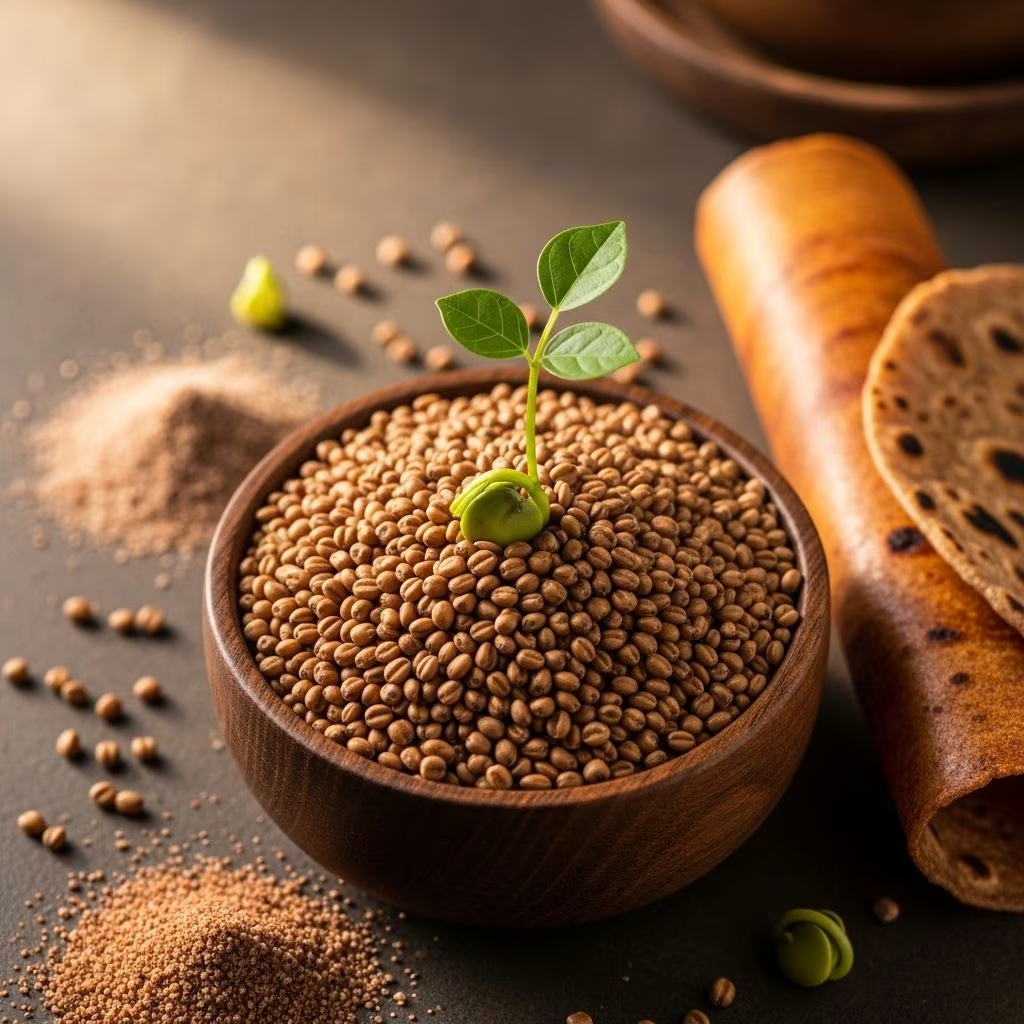
Finger millet (Eleusine coracana), also known as ragi in India, wimbi in East Africa, and bulo in Ethiopia, is an ancient cereal crop lauded for its climate resilience, rich nutritional profile, and multifaceted uses. With its ability to thrive in harsh environments where other grains struggle, finger millet has remained a staple for millions in Africa and South Asia. Increasingly, it is gaining global recognition as a “super grain” for modern, health-conscious diets thanks to its impressive health benefits and culinary versatility.
Origin and History of Finger Millet
Finger millet originated in the highlands of East Africa, particularly Ethiopia and Uganda, about 5,000 years ago. The crop spread to India and Southeast Asia nearly 3,000 years ago and has become deeply ingrained in the agricultural and cultural fabric of these regions.
- Domestication: Initial domestication took place in East Africa; evidence suggests a long-standing role in ancient farming systems.
- Spread: Finger millet expanded via trade and cultural exchange to South Asia, notably India and Nepal, where it remains central in daily diets.
- Current Cultivation: Today, finger millet is mainly grown in eastern Africa and South Asia, with major producers including India (largest), Ethiopia, Kenya, Uganda, and Nepal.
Botanical Profile and Cultivation
Finger millet is an annual cereal crop from the Poaceae (grass) family. Its scientific name is Eleusine coracana. The grain exhibits several agronomic traits that give it exceptional value for small-scale farmers and regions with unpredictable climates.
- Drought Tolerance: Highly adaptable to low rainfall and poor soils.
- Pest and Disease Resistance: Resilient against many storage and field pests.
- Low Inputs: Requires minimal fertilizer and pesticide; commonly grown in mixed cropping systems to enhance soil health.
- Yield: Though average global yield is about 1 tonne/hectare, optimal agro-climatic situations can yield up to 8 tonnes/hectare.
The plant’s structure is distinctive: it produces slender, finger-like spikes bearing the tiny seeds, which are typically brown or reddish in color.
Nutritional Composition of Finger Millet
Finger millet’s famed nutritional prowess stems from its unique and dense concentration of minerals, vitamins, dietary fiber, and essential amino acids.
| Nutrient | Amount per 100g | Key Benefits |
|---|---|---|
| Carbohydrates | ~72g | Energy, steady glucose release (low glycemic index) |
| Protein | 7–8g | Includes lysine & methionine; higher than rice/wheat |
| Dietary Fiber | 3.6–20g | Digestive health, cholesterol reduction, anti-obesity |
| Calcium | ~350mg | Bone health, useful for children, pregnant women |
| Iron | 3–5mg | Prevents anemia, improved iron bioavailability |
| Fat | 1–2g | Linoleic & oleic acids (unsaturated), cardiovascular benefits |
| Vitamins | Thiamine, Niacin, Riboflavin | Supports metabolism, overall health |
Finger millet also contains polyphenols, phytosterols, and antioxidants, contributing to its anti-inflammatory and anti-cancer properties.
- Gluten-Free: Naturally free of gluten, suitable for those with celiac disease or gluten sensitivity.
- Low Glycemic Index: Slow energy release makes it ideal for diabetics.
Health Benefits of Finger Millet
Finger millet is recognized as a “nutritional powerhouse.” Regular consumption can offer broad-spectrum health effects for all age groups:
- Bone Health: Exceptionally rich in calcium, it helps build and maintain strong bones; recommended for growing children, elderly, and pregnant or nursing women to prevent osteoporosis.
- Diabetes Management: Its slow-digesting carbohydrates and high fiber help regulate blood sugar and support insulin function.
- Digestive Health: The high dietary fiber and resistant starches promote gut health, prevent constipation, and reduce risk of colon cancer.
- Anemia Prevention: Iron-rich composition along with low phytic acid improves iron absorption, supporting healthy blood and preventing anemia.
- Weight Management: Specific amino acids, high fiber, and slow-release energy help curb appetite, reduce cholesterol, and treat obesity.
- Cardiovascular Health: Polyphenols and unsaturated fatty acids contribute to heart health.
- Antioxidant and Detoxifying Effects: Rich in phenolics, proanthocyanidins, and phytochemicals with antioxidative, antimicrobial, and anti-aging properties.
- Gluten-Free Diets: Safer alternative for those with celiac disease or gluten intolerance.
Additional uses include dietary supplementation for liver and eye diseases, as well as boosting immunity against degenerative illnesses.
Culinary Uses of Finger Millet
Finger millet’s adaptability extends to the kitchen, forming the core of many regional dishes and contemporary recipes.
- Porridges: A staple food for infants, adults, and the elderly; often prepared as sweet or savory.
- Flour-Based Dishes: Finger millet flour (ragi) makes flatbreads (rotis, bhakri), pancakes, and steamed cakes (idli, dosa in South India).
- Beverages: Used for both alcoholic (traditional beers in Africa) and non-alcoholic drinks (malted energy drinks for children in India).
- Confections: Incorporated into cookies, puddings, and sweets owing to its mild, earthy flavor.
- Fermented Foods: Finger millet is utilized in fermented breads or beverages, enhancing nutrient absorption and digestibility.
- Animal Feed: Stalks and leaves serve as excellent feed for cattle and poultry due to high digestible nutrient content.
Minimal processing ensures most nutritional properties are retained, making finger millet an ideal “whole grain” option.
Taste Profile and Cooking Characteristics
Finger millet possesses a distinctive, mild nutty and earthy taste. Whole seeds impart an appealing flavor to porridge or gruel, while finely ground flour enhances baked goods with a hearty, rustic quality.
| Preparation | Taste Profile | Texture |
|---|---|---|
| Porridge | Mildly sweet, earthy, slightly nutty | Creamy, smooth |
| Flatbreads | Robust, toasted, whole grain | Dense, slightly chewy |
| Beverages | Malt-like, mildly sweet | Thin, refreshing |
| Confections | Earthy undertone, pairs well with sweet or savory flavors | Crumbly or dense, depending on recipe |
Its flavor pairs well with spices, milk, coconut, fruits, or vegetables. Unlike refined grains, finger millet flour absorbs more water and can create denser, more filling dishes.
Cultural Significance
Finger millet holds an enduring place in rituals, festivals, and daily traditions—most notably in East African and Indian societies.
- Ritual Use: Included in ancestral offerings and revered ceremonies, symbolizing abundance and resilience.
- Community Events: Prepared during harvest festivals, rites of passage, and important social gatherings.
- Heritage Value: Celebrated as a ‘heritage grain’ due to its long association with traditional farming and indigenous food systems.
How to Incorporate Finger Millet Into Your Diet
- Replace refined flours in everyday recipes with finger millet flour (breads, pancakes, muffins).
- Prepare breakfast porridge or mix with other healthy grains for a nutrition boost.
- Use finger millet in energy bars, granola, or snacks for sustained energy.
- Try fermented ragi dishes (served in Indian and African cuisine) for enhanced digestibility and flavor.
- Make malted beverages as nutritious, traditional alternatives to processed drinks.
Cooking tip: Finger millet flour can be dense; to achieve a lighter texture in baked goods, mix with other gluten-free flours or include healthy fats/oils.
Frequently Asked Questions (FAQs)
Q: Is finger millet suitable for gluten-free diets?
A: Yes, finger millet is naturally gluten-free and safe for people with celiac disease or gluten intolerance.
Q: Can finger millet help with weight loss?
A: Absolutely. Its high fiber, slow-digesting carbohydrates, and certain amino acids support appetite control, fat metabolism, and healthy weight management.
Q: What are the top health benefits of consuming finger millet?
A: Finger millet supports bone health, blood sugar management, digestive wellness, anemia prevention, and offers antioxidant protection.
Q: How does the taste of finger millet compare to other grains?
A: Finger millet has a mild, nutty, earthy flavor that stands out in porridge and flatbreads but is less overpowering than some whole grains. It absorbs complementary flavors well.
Q: How should finger millet be stored?
A: Store in a cool, dry place; its natural resistance to pests makes grain storage easier than other cereals.
Q: Is finger millet suitable for children and elderly?
A: Yes, especially because of its rich calcium and iron content. It is recommended for bone and blood health in growing children and senior adults.
Conclusion
Finger millet stands as a heritage grain that bridges ancient wisdom and modern nutritional science. Its ability to thrive in extreme climates, combined with remarkable nutritional and health advantages, makes it a smart choice for sustainable agriculture and mindful eating. Whether used in porridges, breads, snacks, or drinks, this versatile super grain deserves a place on every health-focused table.
References
- https://www.croptrust.org/knowledge-hub/crops/crops/finger-millet/
- https://www.sciencesocieties.org/publications/csa-news/2024/october/finger-millet-a-climate-resilient-and-multi-nutrient-crop-for
- https://www.smartfood.org/project/finger-millet-the-wonder-grains/
- https://pmc.ncbi.nlm.nih.gov/articles/PMC4033754/
- https://en.wikipedia.org/wiki/Finger_millet
- https://www.feedipedia.org/node/721
- https://www.icrisat.org/crops/finger-millet/overview


