


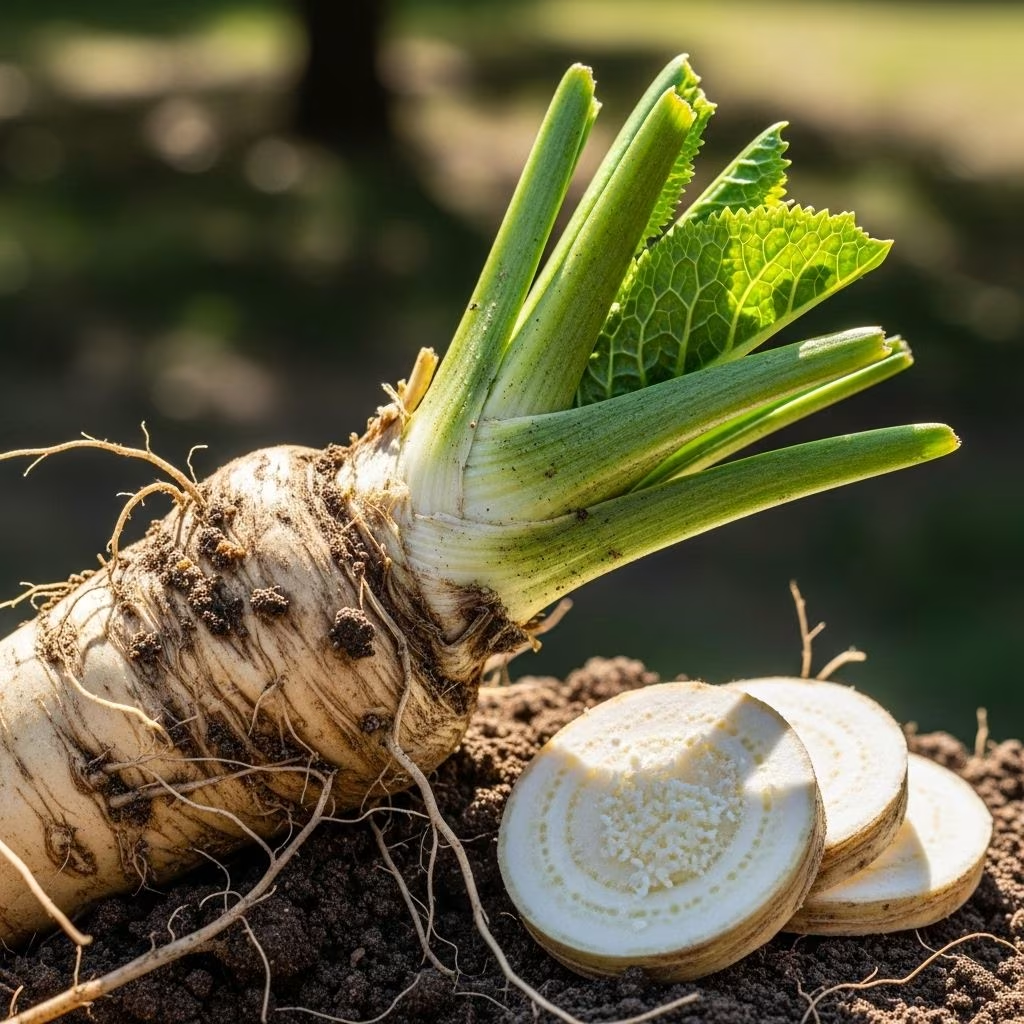
Horseradish root is more than just a spirited condiment. This ancient vegetable boasts a storied history, a nutrient-rich profile, and a powerful flavor that can transform dishes. In this extensive guide, we explore what horseradish root is, its origin, health benefits, culinary uses, taste, growing practices, and essential storage tips. Whether you’re an avid cook, a nutrition enthusiast, or simply curious about this fiery root, you’ll find everything you need to know below.
What Is Horseradish Root?
Horseradish root (Armoracia rusticana) is a hardy perennial plant belonging to the Brassicaceae or mustard family, closely related to vegetables such as mustard, wasabi, broccoli, and radish. It is cultivated mainly for its thick white root, which is valued both as a pungent spice and a flavor-rich vegetable. While both the roots and leaves are technically edible, the root is overwhelmingly favored for culinary and medicinal uses. Horseradish root is especially noted for its ability to deliver sharp, sinus-clearing heat when freshly grated or processed.
Botanical Background and History
Native to the Mediterranean and regions of Western Asia, horseradish has been cultivated for thousands of years. Its introduction to temperate zones around the world has made it a staple in European, American, and some Asian cuisines. In the United States, horseradish has found a stronghold in the Midwest, where growing conditions are ideal.
- Plant Description: The plant grows up to 1.5 meters (5 feet) tall with large, glossy green leaves and clusters of small white, four-petaled flowers.
- Propagation: Cultivators typically plant pieces of pencil-sized roots in spring, which are then carefully managed to avoid excessive branching and to promote optimal growth.
- Invasiveness: Horseradish is vigorous and long-lived, sometimes considered a weed if not properly controlled, as it can persist in the same field for decades.
- Important Varieties: There are several cultivars, with Maliner Kren being among the most popular, especially in Central Europe.
Nutritional Profile and Health Benefits
Horseradish root is renowned not just for its culinary properties but also its nutritional and medicinal attributes. It contains several bioactive compounds, vitamins, and minerals that contribute to health and wellness.
| Nutrient | Benefit |
|---|---|
| Vitamin C | Boosts immune function, promotes skin health, and acts as an antioxidant |
| Dietary Fiber | Aids digestion and helps regulate blood sugar |
| Folate (Vitamin B9) | Contributes to DNA synthesis and cell division |
| Isothiocyanates | Bioactive compounds with potential cancer-protective, antimicrobial, and anti-inflammatory properties |
Medicinal Uses and Potential Health Benefits:
- Immune Support: Vitamin C is integral for maintaining immune system defense.
- Antimicrobial Action: Isothiocyanates released from the root may help defend against harmful bacteria and pathogens.
- Sinus Relief: The volatile oils in freshly grated horseradish clear the nasal passages, traditionally used to help relieve sinus congestion.
- Potential Cancer Protection: Some studies suggest that the glucosinolates and isothiocyanates found in horseradish may offer protection against certain cancers by helping detoxify the body’s cells.
- Digestive Aid: Horseradish has been used traditionally to stimulate digestion and appetite, thanks to its pungency and fiber content.
How Horseradish Root Is Grown and Harvested
Growing horseradish involves patience and attention to detail. The root thrives in cool, moist climates and deep, fertile soils with good drainage. Here’s an overview of its growing and harvesting practices:
- Planting: Root cuttings, typically harvested from established plants, are planted in early spring at a slight angle a few centimeters below the soil’s surface.
- Growth: Horseradish develops a long taproot and can grow new shoots year after year from the same site. The leaves are large, coarse, and edible, although milder than the root.
- Harvesting: Most roots are harvested after one growing season. Mechanical or hand methods are used, with secondary roots left in the soil to regenerate new plants, a practice that allows cultivation to continue for decades.
- Cleaning and Preparation: Roots are washed, trimmed, and then either sold whole or processed into condiments.
- Harvest Season: Horseradish is available year-round, but its peak seasons are late fall and early spring.
Culinary Uses of Horseradish Root
Culinary tradition embraces horseradish in various forms, from sharp condiments to subtle seasonings. Its versatility is especially prized in European, American, and Japanese-inspired cuisines.
- Classic Condiments: Freshly grated horseradish, mixed with vinegar, is a traditional accompaniment to roast beef, prime rib, and smoked fish. It is also blended with sour cream or mayonnaise for creamy sauces.
- Spicing Up Dishes: Add to salad dressings, devilled eggs, Bloody Mary cocktails, soups, mashed potatoes, and roasted root vegetables for a flavor boost.
- Substitute for Wasabi: In most Western sushi preparations, horseradish root (often colored green and blended with mustard) stands in for real wasabi, which is far rarer and more expensive.
- Pickling and Preserving: Horseradish’s pungency makes it a common feature in pickled vegetables and relishes.
- Edible Leaves: Young horseradish leaves can be used like mustard greens or added to salads for a peppery note.
Below are some popular ways to enjoy horseradish root:
- As a table-side grated condiment
- In cocktail sauces, especially for seafood
- Baked into potatoes or casserole dishes
- Layered in sandwiches for extra zing
- Stirred into mayonnaise or aioli for a sharp spread
What Does Horseradish Root Taste Like?
Raw horseradish root is noted for its sharp, pungent, and spicy heat, which can be intense enough to clear the sinuses and prompt an eye-watering response. Unlike chili pepper heat that lingers on the tongue, horseradish’s burn is fleeting, giving way to a refreshing, almost sweet finish once the initial intensity subsides. The chemistry behind this sensation is due to the release of allyl isothiocyanate when the cells of the root are broken by cutting or grating. This volatile compound quickly dissipates or turns bitter and dull upon exposure to air or heat, so fresh preparation is key for the best flavor.
Summary Table: Horseradish Root Taste Characteristics
| Form | Taste/Heat Level | Best Uses |
|---|---|---|
| Fresh, Grated | Potent heat, pungent aroma | Condiments, sauces, spreads |
| Cooked/Heated | Mild, loses pungency, may become bitter | Soups, stews, mild sauces |
| Prepared (Vinegar-based) | Controlled heat, more stable, slightly acidic | Sandwiches, salad dressings, meat accompaniments |
Storing and Preparing Horseradish Root
Proper handling is vital for preserving both flavor and texture.
- Storage: Wrap the unpeeled root in a damp paper towel and store it in a plastic bag in the refrigerator’s crisper drawer. It will keep for 1-2 weeks when stored this way.
- Preparation: Always peel horseradish just before use. Grate and mix with vinegar immediately to stabilize the pungency and prevent bitterness. Prolonged air exposure dulls its flavor.
- Safety: The root’s volatile oils can be strong enough to irritate the eyes and sinuses—prepare in a well-ventilated area.
Horseradish vs. Other Pungent Roots
| Root | Family | Flavor Profile | Typical Uses |
|---|---|---|---|
| Horseradish | Brassicaceae | Sharp pungency, nasal heat | Roasts, sauces, pickles |
| Wasabi | Brassicaceae | Fiery, green flavor, quick heat | Sushi, sashimi |
| Radish | Brassicaceae | Milder, peppery crunch | Salads, garnish |
| Ginger | Zingiberaceae | Warm, spicy, zesty | Asian cuisine, baked goods, drinks |
Frequently Asked Questions (FAQs)
Q: Is horseradish root the same as wasabi?
A: No. While both are members of the Brassicaceae family and provide a bold pungency, horseradish root and true wasabi are different plants. Most ‘wasabi’ outside Japan is actually colored horseradish root blended with mustard and food coloring.
Q: Can you eat raw horseradish root?
A: Yes, but only in small amounts, as its intense heat can be overwhelming. It is typically grated fresh or used in prepared sauces.
Q: Are horseradish greens edible?
A: Yes. Young horseradish leaves are edible and can be cooked or eaten raw, but they are significantly milder than the root and have a peppery profile.
Q: What’s the best way to preserve horseradish root?
A: Store unpeeled roots in a cool, humid refrigerator drawer. For long-term use, grated horseradish can be mixed with vinegar and frozen, though this may slightly alter its texture.
Q: What are some popular dishes that feature horseradish?
A: Horseradish is classically served with roast beef, prime rib, gefilte fish, smoked salmon, in Bloody Mary cocktails, and in various Eastern European pickles and sauces.
Q: Does horseradish have any side effects?
A: Horseradish is generally safe when consumed in moderation but can cause stomach upset, irritation of the mouth, or excessive tearing and sinus irritation in sensitive individuals. Large amounts are not recommended for children, pregnant people, or those with digestive issues.
References
- https://specialtyproduce.com/produce/Horseradish_Root_2022.php
- https://www.britannica.com/plant/horseradish
- https://en.wikipedia.org/wiki/Horseradish
- https://californiagrown.org/blog/what-is-horseradish/
- https://horticulture.oregonstate.edu/oregon-vegetables/horseradish-0
- https://horseradish.org/what-is-horseradish/
- https://hort.extension.wisc.edu/articles/horseradish-armoracia-rusticana/


