


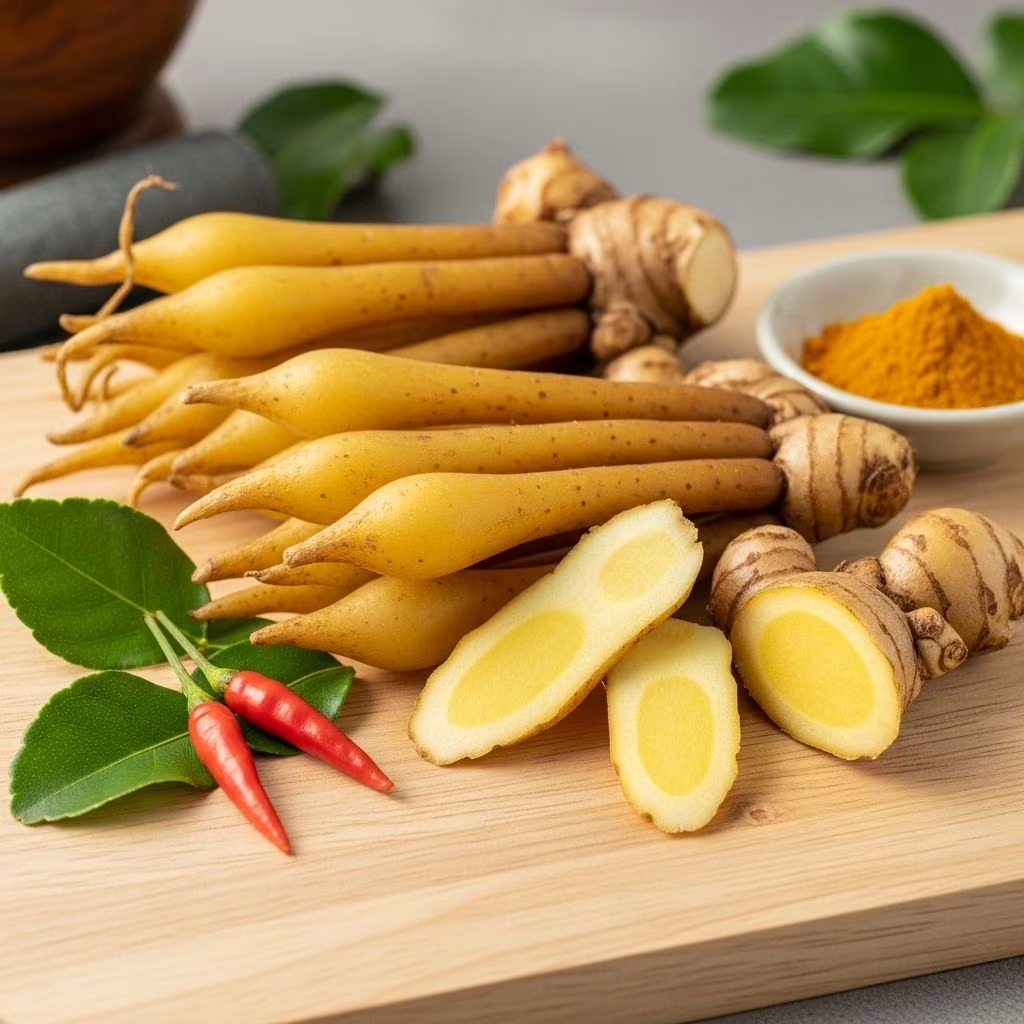
Fingerroot (Boesenbergia rotunda), also known as Chinese ginger, lesser galangal, Chinese keys, or krachai in Thai, is a tropical rhizome highly esteemed across Southeast Asia for its medicinal and culinary attributes. Named for its distinctive, finger-like underground roots, fingerroot has been integrated into local diets and healing practices for centuries, offering a unique blend of flavor and potential health benefits. This guide explores every aspect of this extraordinary plant, from its botanical features and cultivation to its traditional uses, nutritional value, taste, and versatility in both kitchen and pharmacy.
Introduction: The Fingerroot Plant
Fingerroot is part of the ginger family (Zingiberaceae), sharing its lineage with other prominent culinary and medicinal rhizomes such as Zingiber officinale (common ginger), turmeric, and galangal. While fingerroot is similar in appearance to other gingers, its rhizome is easily recognized for branching into slender, finger-like offshoots, which are the basis for its common name. Indigenous to southern Yunnan, China, fingerroot thrives in the tropical rainforests of Southeast Asia, especially Thailand, Malaysia, and Indonesia, where it is an essential kitchen staple and herbal remedy.
Botanical Description and Cultivation
The fingerroot plant (Boesenbergia rotunda) is an herbaceous perennial that typically reaches heights of 61–91 centimeters (2–3 feet). Its broad, upright, light green leaves measure up to 20 inches (50 cm) long and about 4.7 inches (12 cm) wide. Each leaf exhibits vertical grooves and may be encased in reddish sheaths.
- Rhizome: The underground stem forms clusters resembling a bunch of fingers, each offshoot measuring 5–10 cm in length, with a thin, easily peeled brown skin and dense yellow flesh.
- Flowers: Small, delicate pink or white blooms appear at the plant’s base, each flowering only for a short period.
- Edible Parts: All above-ground parts—leaves, shoots, and the long finger-like roots—are edible.
- Growth Requirements: Prefers part shade, well-drained loamy soil, and humid climates. Vulnerable to root rot, wind, and heat stress, thus benefits from protection and consistent watering.
Fingerroot is typically propagated by dividing its rhizomes, and its natural tendency is to grow in clusters, making regular thinning essential for optimal root production and health.
History and Geographic Origins
Fingerroot has a long history within traditional food and medicine systems of Southeast Asia, with archaeological and botanical evidence suggesting its use in China and the wider region for thousands of years. Its names vary widely across cultures:
- Thailand: krachai
- Malaysia: temu kunci
- Indonesia: temu kunci
- Vietnam: Ngai bun, Nga truat, Cu Ngai
- Laos: Neng Kieng
- China: Ao Chun Jiang
- France: Petits Doigts
This diversity of nomenclature reflects its widespread use and deep integration into regional cuisines and healing traditions.
Culinary Uses and Preparation
The unique flavor and texture of fingerroot make it a coveted ingredient in Asian cooking, particularly Thai, Indonesian, and Malaysian dishes. Its roots can be incorporated:
- Fresh—sliced, crushed, or chopped into soups, curries, stir-fries, and salads.
- Dried or Powdered—used as a spice blend or marinade ingredient.
- Paste—blended into curry pastes and sauces.
- Pickled—as a condiment or side.
Beyond the root, young shoots and leaves may be eaten raw or cooked, adding a subtle, aromatic flavor to fresh salads and vegetable dishes.
Common culinary applications include:
- Flavoring in tom kha gai (Thai coconut soup) and various curries
- Ingredient in Malaysian rendang and Indonesian spice blends
- Pickled in vinegar for use as a condiment
- Infused into herbal teas or broths for both taste and medicinal value
Key Culinary Applications
| Dish Type | Preparation Method | Role of Fingerroot |
|---|---|---|
| Soup | Sliced, simmered | Aromatic, peppery base |
| Curry | Crushed, blended | Herbal depth, heat |
| Salad | Raw, finely chopped | Subtle spice, crunch |
| Pickle | Sliced, cured in vinegar | Preserved flavor, condiment |
Nutrition and Health Benefits
Fingerroot is highly regarded for its nutritional composition and purported therapeutic effects in folk medicine:
- Rich in antioxidants, including flavonoids and phenolic compounds, which may help combat oxidative stress.
- Anti-inflammatory properties, attributed to its essential oils and plant sterols.
- Antimicrobial activity, helping to inhibit bacteria and fungi in food and the body.
- Aids digestion, often used in traditional medicine for stomach complaints and to stimulate appetite.
- Potential cancer-fighting compounds—ongoing studies assess its efficacy in reducing the risk of certain cancers.
It also supplies dietary fiber, vitamin C, potassium, and moderate amounts of other vitamins and minerals essential for health.
- May help regulate blood sugar and cholesterol levels.
- Used as a tonic for general immune support.
Traditional Medicinal Uses
Fingerroot’s reputation in folk medicine is broad, though modern evidence is emerging. Ethnobotanical and traditional applications include treatment of:
- Digestive disorders, such as indigestion, flatulence, and stomach cramps
- Respiratory ailments, including coughs and sore throats
- Topical use for skin infections and inflammation
- Urinary tract infections and kidney support
- As a natural aphrodisiac in some cultures
Fingerroot’s antimicrobial and anti-inflammatory actions have led to its incorporation in various traditional medicines and tonics, often as a decoction, tincture, or additive in therapeutic foods.
Taste Profile and Culinary Comparisons
The unique taste of fingerroot distinguishes it from other gingers and galangals:
- Earthy and peppery undertones, providing subtle heat but less pungency than standard ginger.
- Herbaceous and slightly sweet notes, with a crisp texture reminiscent of young carrots or parsnips.
- Mild bitterness, which softens when cooked or pickled.
- Fresh, medicinal aroma that balances and enhances other flavors.
When used raw, its flavor is sharper and more aromatic, while cooking mellows bitterness and releases sweet, complex notes. Fingerroot’s comparative mildness makes it a versatile base, able to provide depth without overpowering a dish.
Growing and Harvesting Fingerroot
Fingerroot can be cultivated at home or on larger farms:
- Climate: Requires tropical conditions, ideally 4–6 hours direct sunlight, or 6–8 hours indirect light.
- Soil: Prefers loamy, well-draining soil rich in organic matter, with a minimum depth of 15 cm.
- Space: Plants grow in clusters; allow spacings 5–10 cm for healthy root development.
- Watering: Limited tolerance to drought; prone to heat stress, so regular watering is essential.
- Pest management: Generally resistant if healthy, though stress may invite aphids, mealybugs, whiteflies, or spider mites. Pruning and soil care help disease prevention.
Harvesting typically involves pulling up the rhizomes when the plant is established, which can be done at any growth stage for optimal flavor. Young rhizomes are preferred for their tender texture and milder taste.
Common Varieties and Regional Names
| Country | Local Name | Common Usage |
|---|---|---|
| Thailand | Krachai | Curry, seafood, soups |
| Indonesia | Temu kunci | Pickles, stews, spice blend |
| Malaysia | Temu kunci | Herbal medicine, food flavoring |
| Vietnam | Ngai bun | Soups, salads |
| China | Ao Chun Jiang | Traditional medicine |
Storage, Selection, and Handling
- Selection: Choose roots that are firm, smooth, and free of soft spots. Younger rhizomes have a milder flavor and are best for salads or raw use.
- Storage: Fresh fingerroot can be stored in the refrigerator, wrapped in paper, for up to two weeks. It can also be dried or made into powder for longer preservation.
- Preparation: Rinse roots thoroughly to remove soil. Peel or scrape off skin if desired, keeping in mind that the skin is also edible and contains valuable nutrients.
To maximize flavor, cut fingerroot just before use as its volatile oils may dissipate with extended exposure to air.
Frequently Asked Questions (FAQs)
Q: Is fingerroot related to regular ginger or galangal?
A: Yes, fingerroot is a member of the Zingiberaceae (ginger) family, but it is botanically distinct from common ginger (Zingiber officinale) and galangal (Alpinia galanga). Each has unique flavor and therapeutic properties.
Q: What dishes commonly include fingerroot?
A: Fingerroot is a staple in Thai, Indonesian, and Malaysian curries, soups, and pickles. It is especially prominent in dishes like Thai krachai curry and tom kha gai.
Q: Can fingerroot be eaten raw?
A: Yes, young shoots and freshly harvested roots can be consumed raw, often in salads or as part of fresh herb platters.
Q: Are there any side effects to consuming fingerroot?
A: Fingerroot is generally considered safe when eaten as food. Excessive use in medicinal quantities should be monitored, as high doses may cause stomach upset or allergic reactions. Consult with a healthcare provider for long-term or therapeutic use.
Q: Where can I buy fingerroot?
A: Fresh fingerroot is available at Asian grocery stores, specialty produce outlets, and increasingly at health food markets. Dried and powdered forms may be found online or in herbal stores.
Conclusion
Fingerroot (Boesenbergia rotunda) stands as a testament to the depth and diversity of Southeast Asian herbal and culinary traditions. Its finger-shaped rhizomes deliver distinctive aroma, flavor, and a spectrum of reputed health benefits. From invigorating soups to healing tonics, fingerroot’s unique qualities make it a treasured component for cooks and herbalists alike. Integrating fingerroot into your diet introduces not only a subtle, earthy heat, but also potential wellness-boosting properties, beautifully embodying the synergy found at the crossroads of nature, nutrition, and culture.
References
- https://en.wikipedia.org/wiki/Boesenbergia_rotunda
- https://loghouseplants.com/plants/shop/fingerroot-boesenbergia-rotunda/
- https://specialtyproduce.com/produce/Fingerroot_Ginger_11704.php
- https://gardeningsg.nparks.gov.sg/page-index/edible-plants/fingerroot/
- https://pmc.ncbi.nlm.nih.gov/articles/PMC5414452/
- https://pmc.ncbi.nlm.nih.gov/articles/PMC11962002/
- https://www.nparks.gov.sg/florafaunaweb/flora/4/8/4849
- http://gernot-katzers-spice-pages.com/engl/Boes_pan.html


