


Introduction
Microgreens have gained mainstream popularity for their exceptional nutrient density, vibrant colors, and delightful flavors. Among these greens, flax microgreens are an increasingly sought-after choice by health enthusiasts, gardeners, and culinary experts. Though flax seeds are a staple in many healthy diets, the microgreen form maximizes nutrition and versatility. This article presents a comprehensive guide to flax microgreens, including their benefits, growing process, culinary uses, and a detailed taste profile.
What Are Flax Microgreens?
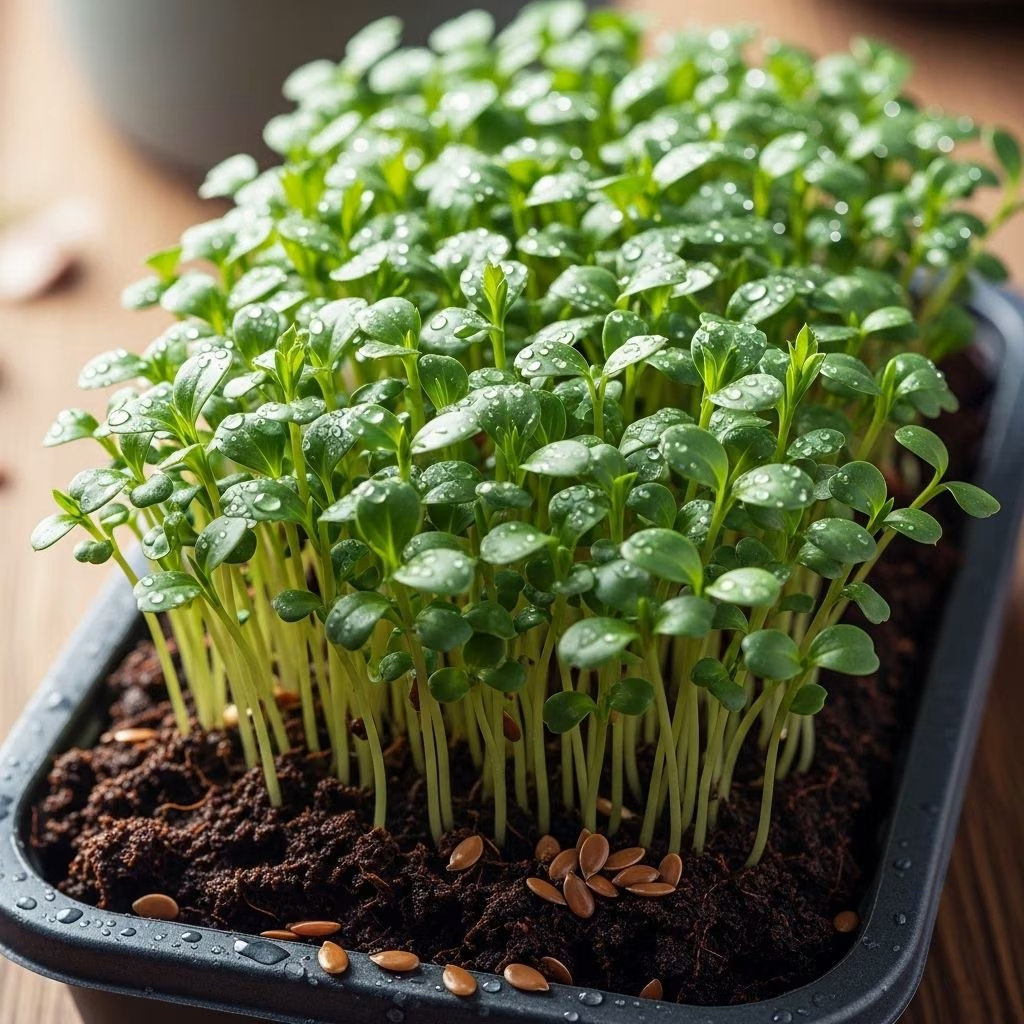
Flax microgreens are the young seedlings of the flax plant (Linum usitatissimum), harvested within 5–14 days after germination, ideally when the cotyledon leaves have fully developed. These greens are prized for their tall, lanky appearance and delicate texture. Unlike sprouts, which include the seed, root, and shoot, microgreens consist only of the plant’s shoot (stem and leaves) clipped just above the growing medium. Brown and golden flax varieties both work for microgreens.
- Harvested at the cotyledon stage for maximum tenderness
- Distinct from sprouts, which are grown in water and eaten whole
- Typically grow between 2–4 inches in height before harvest
- Require soil or soilless media—not suitable for jar sprouting due to gelatinous seed coating
Origins and Botanical Background
Flax has a long agricultural history, originally cultivated for its nutritious seeds and fibrous stems. Now, its microgreens are valued for nutrition and gastronomy, suitable for vegan, paleo, raw, and plant-based diets.
Nutritional Profile of Flax Microgreens
Flax microgreens are renowned as a superfood due to their incredible nutritional density. They concentrate many of the valuable compounds found in mature flax seeds, but with enhanced availability and bioactivity. Here is an overview of their key nutrients based on extensive research:
| Major Nutrients | Functions |
|---|---|
| Protein (20–25%) | Cell repair, muscle growth, satiety |
| Dietary Fiber | Digestive health, cholesterol management |
| Essential Amino Acids | Body’s building blocks for proteins |
| Omega-3 Fatty Acids (ALA) | Anti-inflammatory, heart and brain support |
| Vitamins A, B, C, E | Immune support, metabolism, skin, and eye health |
| Minerals: Calcium, Iron, Magnesium, Phosphorus, Potassium | Bone strength, blood function, nerve and muscle health |
| Antioxidants | Cellular protection, anti-aging |
| Chlorophyll | Detoxification, immune support |
- Low in sodium, cholesterol-free
- High in polyunsaturated fats: Can help lower LDL cholesterol
- Concentrated micronutrients due to rapid growth cycle
Health Benefits of Flax Microgreens
The combination of protein, healthy fats, fibers, vitamins, minerals, and antioxidants means flax microgreens provide diverse health benefits. Here are the most notable:
- Digestive Health: Rich in soluble and insoluble fiber, flax microgreens support regularity and improve gut microbiota. Infusions of seeds/microgreens are used as digestive teas.
- Heart Health: High levels of omega-3 fatty acids (ALA) and polyunsaturated fats can reduce LDL cholesterol and lower heart disease risk.
- Immune System Support: Potent vitamins (A, C, E) and antioxidants promote immune activity and reduce oxidative stress.
- Bone and Muscle Strength: Minerals like calcium, magnesium, and phosphorus benefit bones and muscles.
- Anti-Inflammatory Effects: Flax is a natural anti-inflammatory due to its omega-3 content and antioxidants.
- Weight Management: High fiber and protein content increase satiety and may help manage weight.
- Skin and Hair Health: Vitamins E and A, as well as omega-3s, improve skin tone and support hair growth.
Flax microgreens can be a valuable addition to regular diet for those seeking whole food solutions to nutrient gaps.
How to Grow Flax Microgreens
Growing flax microgreens at home is simple and affordable, requiring minimal space and resources. Here is a step-by-step approach:
- Seed Selection: Use certified organic, non-GMO flax seeds for microgreens (brown or golden). High germination seed sources are ideal.
- Prepare Growing Medium: Suitable media include coconut coir, earthworm castings, and vermiculite—ideally an 80% coir, 20% castings, and 20% vermiculite mix for optimal texture and moisture retention.
- Moisten Media: Ensure medium is thoroughly moist but not waterlogged before sowing.
- Sow Seeds Evenly: Sprinkle seeds thickly but evenly atop the medium; press down gently.
- Cover and Incubate: Cover seeds lightly to maintain humidity for the first 12-24 hours.
- Light and Water: After initial incubation, uncover and place tray in indirect sunlight. Mist daily to retain moisture.
- Growth Timeline: Seeds germinate rapidly—harvest in 5 to 14 days based on desired shoot length.
- Harvest: Cut microgreens just above the medium when cotyledon or first true leaves appear. Taste at different stages as flavor and texture change.
Tips:
- Because flax is a gelatinous seed, avoid growing in jars—they do best in trays with soil or soilless medium.
- Pest control: Keep humidity moderate and ensure good air flow.
- Flax microgreens grow tall and slender—handle carefully when harvesting.
Culinary Uses of Flax Microgreens
Flax microgreens are exceptionally versatile in the kitchen due to their mild, sweet flavor and pleasing tenderness. Chefs and home cooks can use them in a broad range of dishes:
- Sandwiches, Wraps, and Pita: Add a nutritious and colorful crunch to sandwiches or wraps.
- Salads: Mix with other greens for superior nutrition and flavor.
- Smoothies: Blend with fruits or vegetables for a mild fiber and vitamin boost.
- Juices: Juice alone or mixed with other greens—high water content makes flax microgreens perfect for juicing.
- Soups: Make cold raw soups with flax microgreens, vegetable broth, and finely diced veggies.
- Garnishes: Use as a bright, fresh garnish for meat, fish, tofu, pizza, or eggs.
- Breakfast Bowls: Top cereal, granola, or yogurt bowls for extra nutrients.
- Breads and Crackers: Layer atop toasts or add ground microgreens to homemade recipes.
As a raw ingredient, flax microgreens retain all their precious vitamins and enzymes. For maximum nutrition, consume them fresh within hours of harvest.
Taste Profile of Flax Microgreens
Flax microgreens have a mild, sweet flavor that differentiates them from spicier microgreens like radish or mustard. The leaves are light and tender, making them pleasant even for those sensitive to bitterness or pungency.
- Mild, sweet, and slightly nutty
- Soft texture, somewhat succulent
- Bland enough to complement dishes with stronger flavors
- Can develop subtle earthiness as they mature
This makes flax microgreens a safe, appealing choice for children, those new to microgreens, or anyone seeking gentle flavors in their meals.
Flax Microgreens vs Other Microgreens
| Feature | Flax Microgreens | Broccoli Microgreens | Radish Microgreens |
|---|---|---|---|
| Texture | Tender, slender | Crisp, lush | Crunchy, sturdy |
| Taste | Mild, sweet | Mild, earthy | Pungent, peppery |
| Growth Cycle | 5–14 days | 7–8 days | 7–8 days |
| Key Nutrients | ALA, fiber, minerals | Glucosinolates, C | Glucosinolates, C |
| Common Uses | Salads, smoothies, soups | Salads, sandwiches, garnish | Salads, sandwiches |
Frequently Asked Questions (FAQs)
Q: Are flax microgreens as nutritious as flax seeds?
A: Flax microgreens concentrate many of the same nutrients as seeds, such as ALA, fiber, and protein, but provide generally higher levels of vitamins and antioxidants due to their rapid early growth.
Q: Can you eat flax microgreens raw?
A: Yes, flax microgreens are best consumed raw to retain their full nutritional value and fresh, mild taste.
Q: Can you grow flax microgreens indoors?
A: Absolutely. Flax microgreens thrive when grown in trays on windowsills, kitchen shelves, or under grow lights, needing only minimal sunlight and space.
Q: Why are flax microgreens not grown in jars?
A: Flax seeds form a gelatinous coating when soaked, making them unsuitable for jar sprouting; they require a flat tray and a growing medium instead.
Q: How do you store harvested flax microgreens?
A: Store in an airtight container in the refrigerator. For best taste and nutrition, consume within 2–3 days.
Conclusion
Flax microgreens offer a unique combination of gentle taste, exceptional nutrient density, and versatile culinary uses. They stand out among microgreens for their remarkable digestive, cardiovascular, and antioxidant benefits, and are easy to cultivate on any scale. Whether you seek to optimize health or diversify your kitchen creations, flax microgreens will elevate your food to the next level—nutritious, fresh, and delightfully mild.
References
- https://sproutpeople.org/products/flax-micro-greens
- https://sprouthouse.com/product/flax/
- https://www.youtube.com/watch?v=55TuBnyrBjA
- https://extension.psu.edu/the-abcs-of-microgreens/
- https://urbanmacrogreens.com/how-to-grow-flax-seeds-microgreens/
- https://pmc.ncbi.nlm.nih.gov/articles/PMC9864543/
- https://grocycle.com/types-of-microgreens/
- https://adventuresinself-sufficiency.blogspot.com/2016/01/growing-microgreens.html


