


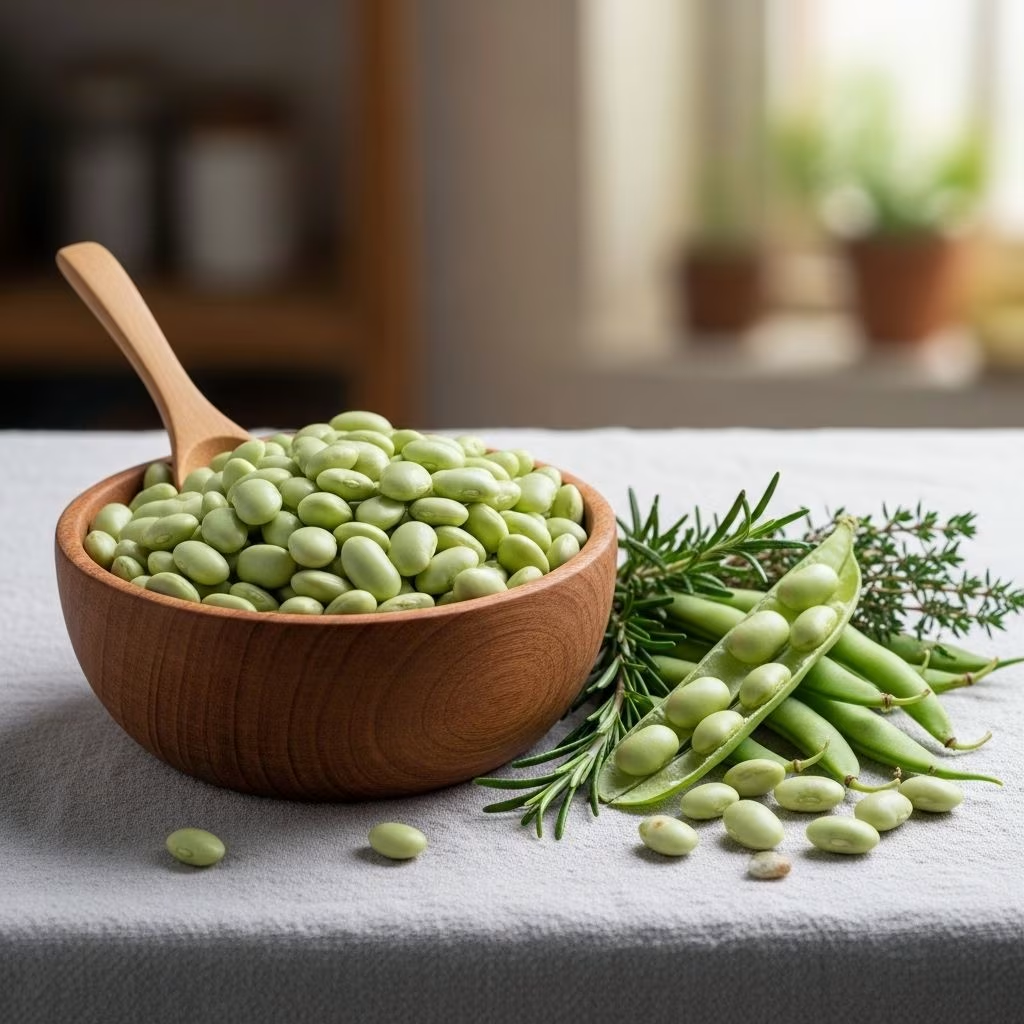
Among the many varieties of beans celebrated by chefs and nutritionists, the flageolet bean stands out for its delicate texture, mild flavor, and rich history in French cuisine. Often called the caviar of beans, flageolets offer unique culinary and nutritional advantages. This comprehensive guide explores what sets these beans apart, details their health benefits, dives into popular uses, and provides a nuanced look at their taste and texture to help you appreciate and incorporate them into your cooking.
What Are Flageolet Beans?
Flageolet beans are a small, kidney-shaped variety of the Phaseolus vulgaris species, originally cultivated in France. Unlike other beans that are harvested fully mature, flageolets are specifically picked when still slightly immature, leading to their unique pale green color. They are then dried in the shade to preserve their color and delicate flavor. Known for their light, creamy texture, flageolet beans are a beloved staple of French kitchens, especially as an elegant side to roasted meats such as lamb.
History and Origin of Flageolet Beans
Flageolet beans were developed in France during the 19th century under the name Nain hâtif de Laon (Laon Early Dwarf). Their unique cultivation method and ability to maintain a green hue made them popular among French growers and chefs. The term “flageolet” likely arises from the French word for “little flute”, referencing the slender, pod-like shape of the beans, or may be a variation of the Latin “phaselus”.
Initially, flageolet cultivars were diverse, with colors ranging from white to black, red, and yellow. However, the most prized form is the green flageolet (flageolet vert), recognized for its distinct flavor and appearance. Today, while France remains a major producer, California is also known for flageolet cultivation, providing a reliable supply for global markets.
Varieties of Flageolet Beans
- Green Flageolet (Flageolet vert): The classic, most sought-after variety, known for its fresh light green color and superior taste.
- White Flageolet (Flageolet blanc): Sometimes seen, this type has a white seed coat and a milder flavor.
- Black Flageolet (Flageolet noir): Rare, with black-hued seeds and a more robust flavor.
- Red/Yellow Flageolet: Far less common, these include red- and yellow-seeded varieties, mostly of historical interest.
Heirloom cultivars such as Chevrier (the original type), Elsa, Flambeau, and Flamingo add additional diversity to this bean’s lineage.
Nutritional Profile and Health Benefits
Flageolet beans are both nutritious and low in calories, making them an excellent addition to a health-conscious diet. A 100-gram serving contains approximately 90 calories and less than one gram of fat, while offering substantial amounts of dietary fiber and protein. Key nutritional highlights include:
- High Fiber Content: Around 23 grams per serving, aiding digestive health and supporting healthy bowel movements.
- Rich Protein Source: With over 19 grams of protein per 100 grams, these beans help build and repair body tissues, making them ideal for vegetarians and vegans.
- Complex Carbohydrates: Provide sustained energy without spiking blood sugar, promoting balanced energy release throughout the day.
- B Vitamins: Particularly folate (vitamin B9), which promotes healthy cell division and is crucial for pregnant women, as well as vitamin C and E to support immune function and healthy skin.
- Minerals: Good levels of potassium (electrolyte), magnesium, selenium, copper, manganese, phosphorus, and zinc – all supporting diverse bodily functions.
- Antioxidants and Phytonutrients: Including beta-carotene, which helps combat oxidative stress and benefits eye and skin health.
The high fiber also binds to and helps eliminate harmful chemicals in the colon, supporting colon health.
| Nutrient | Amount | % Daily Value |
|---|---|---|
| Calories | 90 kcal | 5% |
| Protein | 19g | 38% |
| Fiber | 23g | ~50% |
| Total Fat | <1g | 1% |
| Carbohydrate | 16g | 6% |
| Folate (Vitamin B9) | High | ~50% |
| Potassium | Good | 10% |
Major Health Benefits
- Supports Digestive Health: High fiber improves regularity and gut flora.
- Stabilizes Blood Sugar: Slow complex carbs avoid rapid spikes.
- Heart Health: Potassium regulates sodium, benefiting blood pressure; fiber and antioxidants reduce cardiovascular risk.
- Rich in Plant-Based Protein: A valuable option for those seeking to reduce meat intake.
- Immune and Cellular Benefits: Supports immune health, tissue repair, and overall vitality due to vitamins and minerals.
- Weight Management: High fiber content helps keep you full longer, aiding in appetite management.
Culinary Uses of Flageolet Beans
Flageolet beans are prized by chefs for their elegant appearance, delicate flavor, and creamy consistency. In French cuisine, they are most famously paired with roasted meats, especially lamb, but their versatility opens them to a wide array of dishes:
- Salads: Tossed with vinaigrette, herbs, and vegetables for a refreshing protein-boosted side.
- Soups and Stews: Their tender texture holds up beautifully in brothy preparations, such as French lamb and flageolet stew.
- Side Dishes: Mashed with olive oil or butter, or simply served warm with aromatic herbs.
- Casseroles and Gratins: Baked with breadcrumbs, cheese, and vegetables.
- Purees and Dips: Their smooth texture when blended makes elegant bean purees or spreads.
Outside France, flageolets are increasingly popular among chefs seeking to add European sophistication and subtlety to vegan, vegetarian, or health-focused menus.
Taste and Texture of Flageolet Beans
What truly distinguishes the flageolet is its refined balance of mild flavor and creamy-yet-firm texture. When cooked, they retain a gentle bite and subtle earthy notes, lacking the beany or metallic aftertaste common to some other legumes. Their understated taste makes them exceptionally versatile—they complement, but never overpower, other ingredients:
- Texture: Firm and creamy; holds shape yet melts in the mouth when freshly cooked.
- Flavor: Delicate, slightly nutty, and faintly grassy—ideal for dishes emphasizing subtlety and balance.
- Color: Pale green when fresh; may fade to a soft ivory or white on extended storage or canning.
This makes flageolet beans especially suited as a canvas for herbs (such as tarragon, thyme, or parsley), aromatic vegetables (onion, carrot, celery), and rich partners like butter or a splash of cream.
Preparation and Cooking Tips
To enjoy flageolet beans at their best, consider these preparation guidelines:
- Soaking: If using dried flageolet beans, soak overnight in ample water to reduce cooking time and improve texture.
- Cooking: Simmer gently in fresh water or broth, avoiding hard boiling which may break the skins. Cooking typically takes 45–60 minutes for soaked beans; check for tenderness.
- Seasoning: Salt midway through cooking for better flavor and texture. Add aromatics such as bay leaf, garlic, or sprigs of thyme for a depth of flavor.
- Serving: Enjoy warm as a side or allow to cool for salads; they’re excellent both ways.
- Canned or Frozen: These are convenient and can save time; simply rinse and add to your recipes.
Pro Tip: The peak flavor and tenderness of flageolet beans is in their semi-dry or freshly cooked state. Overcooked or old beans may turn mushy or lose color.
Flageolet Bean vs. Other Beans
| Aspect | Flageolet | White Beans (Navy, Cannellini) | Lima Beans |
|---|---|---|---|
| Origin | France | Europe/Americas | South/Central America |
| Color | Pale green (fresh), white (dried/cooked) | White | Pale green |
| Texture | Firm, creamy, delicate | Soft, sometimes mealy | Creamy but larger, starchier |
| Flavor | Mild, nutty, subtle | Mild, slightly earthy | Earthy, buttery |
| Culinary Use | French cuisine, salads, elegant sides | Baked beans, soups, casseroles | Stews, succotash, purees |
Popular Recipes Featuring Flageolet Beans
- Flageolet Beans with Lamb: The classic French pairing, usually with herbs and pan juices.
- Spring Bean Salad: Flageolets tossed with asparagus, cherry tomatoes, shallots, and a light vinaigrette.
- Provençal Bean Ragout: Slow-cooked flageolets with tomatoes, olive oil, garlic, and Mediterranean herbs.
- Flageolet Puree: Blended with cream and fine herbs to serve as an elegant accompaniment to seafood or roasted vegetables.
Because of their versatility, flageolet beans can also be substituted for other white or green beans in soups, dips, and even warm or cold pasta salads.
Frequently Asked Questions (FAQs)
Q: Are flageolet beans the same as lima beans?
A: No. While both may appear pale green in certain forms, flageolet beans are smaller, firmer, and have a more delicate flavor compared to the larger and starchier lima bean.
Q: Where can I buy flageolet beans?
A: Flageolet beans are widely available in specialty and gourmet food stores, especially those carrying French or European ingredients. In the U.S., they are often found dried or canned; in Europe, you may also encounter fresh and frozen varieties.
Q: How do you store flageolet beans?
A: Dried flageolets should be stored in an airtight container in a cool, dry place, lasting up to five years. Cooked beans keep for up to five days in the refrigerator, or you can freeze them for later use.
Q: Are flageolet beans suitable for vegetarian or vegan diets?
A: Absolutely. Their high protein and mineral content make them especially valuable for vegetarians, vegans, and anyone seeking to reduce meat while maintaining adequate protein intake.
Q: How long do flageolet beans take to cook?
A: After soaking, flageolet beans typically take 45–60 minutes to cook until tender. Unsoaked beans may take longer.
Conclusion
The flageolet bean offers not just a taste of French tradition, but also a wealth of nutrition, versatility, and sophistication. Its creamy texture, subtle flavor, and healthy profile make it an ingredient worth adding to your kitchen repertoire. Whether you’re looking for a plant-based protein source, a refined addition to your culinary creations, or simply a new bean to try, the flageolet is a superb choice on all counts.
References
- https://www.tastingtable.com/1481008/creamy-french-beans-flageolet-explained/
- https://sites.google.com/site/knowyourvegetables/know-your-beans/know-your-flageolet-bean/flageolet-bean-history
- https://sites.google.com/site/knowyourvegetables/know-your-beans/know-your-flageolet-bean
- https://en.wikipedia.org/wiki/Flageolet_bean
- https://www.fondation-louisbonduelle.org/en/vegetable/flageolet-beans/
- https://specialtyproduce.com/produce/Flageolet_Shelling_Beans_4583.php
- https://www.wisdomlib.org/ingredients/flageolet-beans
- https://www.ranchogordo.com/products/flageolet-bean
- https://whatscookingamerica.net/q-a/flageoletbeans.htm


