


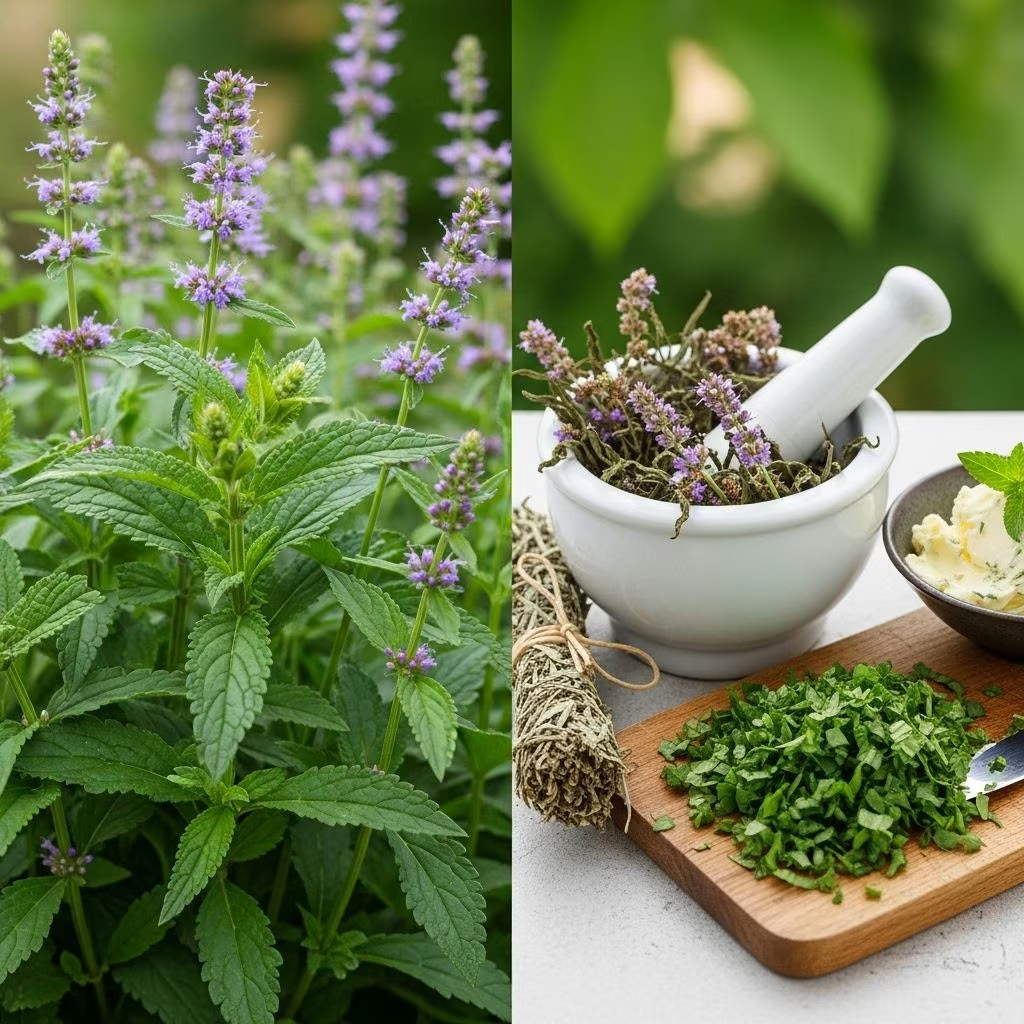
Germander, a plant with a rich history in traditional medicine and ornamental gardening, belongs to the mint family (Lamiaceae) and encompasses around 260 species spread across the globe. Known for its attractive foliage, bee-friendly blooms, and aromatic properties, germander has been valued for centuries—whether enhancing gardens, flavoring foods, or serving as a herbal remedy. This comprehensive guide unpacks what germander is, explores its benefits and uses, and describes its distinctive taste profile.
What Is Germander?
Germander refers to plants of the genus Teucrium, a diverse group within the mint family (Lamiaceae) known for their perennial growth and aromatic properties. There are approximately 260 recognized species, distributed nearly worldwide, with both herbaceous and shrubby forms. Some popular species include wall germander (Teucrium chamaedrys), American germander (Teucrium canadense), and woodland germander (Teucrium scorodonia).
- Scientific classification: Genus Teucrium, Family Lamiaceae.
- Common names: Germander, Wall germander, American germander, Woodland germander.
- Growth forms: Perennial herbs or subshrubs.
- Global distribution: Europe, North America, Asia, Mediterranean regions.
Origins and Etymology
The name Teucrium traces back to the ancient Greek king Teucer, while ‘germander’ is thought to originate from Middle English and Old French influences, reflecting its long history of cultivation and use.
Botanical Varieties and Characteristics
Several notable species highlight the botanical diversity of germander. Each offers distinct features in growth habit, leaf shape, and flower color.
| Species | Native Range | Growth Habit | Flower Color | Typical Height |
|---|---|---|---|---|
| Teucrium chamaedrys (Wall Germander) | Mediterranean/Eurasia | Evergreen sub-shrub | Magenta pink | 6–18 inches |
| Teucrium canadense (American Germander) | North America | Colony-forming perennial | Purple to cream | Up to 3 feet |
| Teucrium scorodonia (Woodland Germander) | Europe (naturalized in NA) | Herbaceous perennial | Yellow-green | Varied |
| Teucrium fruticans (Bush Germander) | Southern Europe | Shrub | Pale blue to lilac | Up to 5 feet |
Main Physical Features
- Stems: Often four-sided and hairy, especially in American germander.
- Leaves: Opposite arrangement; lanceolate, ovate, or simple with toothed or scalloped margins; aromatic when crushed.
- Flowers: Two-lipped blooms in spikes or racemes; attractive to bees and pollinators.
- Fruit: Nutlet, often dry and does not split at maturity.
Habitat and Growth Conditions
Various species of germander thrive in different habitats:
- Fields, prairies, streamsides, and roadsides are typical for American germander, often favoring moist soil.
- Wall germander prefers well-drained soils and sunny locations, making it ideal for Mediterranean-style gardens.
- Woodland germander adapts to waste areas, wooded clearings, and disturbed soils.
Historical and Modern Uses
Germander’s longstanding presence in herbal medicine and ornamental gardens highlights its enduring utility. The plant has been used for centuries in Europe, the Middle East, and North America for various applications.
- Medicinal uses: Traditionally included in remedies for digestive issues, fevers, respiratory complaints, and as a general tonic.
- Ornamental gardens: Favored for its evergreen foliage and attractive flowers; often used as a low hedge or border plant.
- Culinary uses: Select species have been used as condiments or flavoring agents due to their aromatic, somewhat bitter taste.
Historic Medicinal Applications
- Used in European folk medicine for gout, liver disorders, and fever.
- Employed in herbal teas and tinctures for general well-being.
- Featured in potpourri and as an ingredient in aromatic sachets, owing to its pleasant scent when dried.
Medicinal Benefits of Germander
Germander has been investigated for various therapeutic properties, though modern medical consensus is cautious regarding its internal use due to potential toxicity in certain species.
- Rich in phenolic compounds and essential oils associated with antimicrobial and anti-inflammatory benefits.
- Antioxidant activity attributed to its polyphenol content, which may support general health.
- Traditionally used to stimulate appetite, promote digestion, and relieve mild respiratory symptoms.
- Used externally in lotions and balms for skin health due to its antiseptic and soothing qualities.
Note: Some Teucrium species contain compounds linked to liver toxicity when ingested regularly or in large amounts. Contemporary herbalists recommend caution, and use is often limited to external or aromatic applications.
Selected Medicinal Benefits
| Benefit | Associated Application | Notes |
|---|---|---|
| Digestive support | Teas, bitters | Stimulates appetite, may aid mild digestive issues |
| Antimicrobial action | Topical balms | Aids minor skin conditions |
| Anti-inflammatory | External lotions | Soothes irritated skin |
| Aromatic uses | Potpourri, sachets | Provides fresh scent for home or personal use |
Garden and Ornamental Uses
Many germander species are prized in ornamental horticulture for their evergreen foliage, attractive form, and resilience.
- Border planting: Wall germander is a classic choice for edging formal gardens, often clipped for a neat appearance.
- Bee-friendly gardens: Spikelike clusters of pink, purple, or yellow flowers are highly attractive to bees and other pollinators, supporting biodiversity.
- Ground cover: Low-growing species form dense mats and are effective weed-suppressors on sunny slopes and dry sites.
- Potpourri ingredient: Dried leaves and flowers are valued for their long-lasting fragrance.
Growing Germander: Tips and Conditions
- Prefers well-drained soils and full sun, though some species tolerate partial shade.
- Tolerant of drought once established, making it ideal for Mediterranean and xeriscape gardens.
- Prune spent flowers to maintain a tidy appearance and encourage bushiness.
- Hardy in USDA zones ranging from moderate to mild winters; some varieties drop leaves in cold climates.
Culinary Applications and Taste Profile
While not universally used for culinary purposes, select germander species have found their way into traditional recipes and herbal blends.
- Leaves and young shoots: Offer a mildly bitter, aromatic flavor with hints of mint and earthiness.
- Potpourri and teas: Dried germander imparts a fragrant aroma, sometimes incorporated into herbal infusions (caution advised due to possible toxicity).
- Food flavoring: Rarely, germander may feature in liqueurs or flavoring agents for its distinctive, slightly pungent taste.
Taste Profile and Aroma
- Fresh leaves emit a slightly pungent, minty odor, sometimes described as mildly unpleasant or medicinal by some (notably in American germander).
- Dried leaves are more aromatic and agreeable, commonly used in sachets and potpourri.
- Flavor is generally bitter, with earthy undertones and a hint of resin.
Possible Side Effects and Precautions
Though germander has a long history in folk medicine, certain species (particularly Teucrium chamaedrys) have been linked to liver toxicity when consumed in large quantities or over long periods.
- Avoid internal use without professional guidance, especially for individuals with pre-existing liver problems.
- Pregnant or lactating women should consult healthcare providers before using germander as a remedy.
- Topical and aromatic uses are generally considered safe.
Always source germander from reputable suppliers and identify the species accurately before medicinal or culinary use.
Frequently Asked Questions (FAQs)
Q: What does germander look like?
Most species feature opposite, toothed leaves, square stems, and spikelike clusters of two-lipped flowers in shades of pink, purple, yellow, or lilac.
Q: Is germander toxic?
Certain species, especially Wall germander (T. chamaedrys), can be toxic to the liver if consumed excessively for extended periods. Use with caution and consult professional advice for internal use.
Q: How is germander used in gardens?
It makes an excellent low hedge, border, or ground cover. The blooms attract bees, while its evergreen foliage provides year-round structure.
Q: What does germander taste like?
Germander has a bitter, aromatic, and slightly resinous taste, sometimes compared to mint but more pungent; some varieties have a mildly foul odor when crushed.
Q: Can germander be used in cooking?
Its use in cooking is rare and should be approached with caution due to potential toxicity. More commonly, it is used for aromatic purposes like potpourri.
Conclusion
Germander is a versatile herb with a centuries-old reputation in medicinal, ornamental, and aromatic applications. While appreciated for its distinctive foliage, bee-attracting flowers, and unique aroma, caution is required when considering internal use due to risks associated with certain species. For gardeners, germander offers enduring beauty and resilience; for herbalists, a historical plant with contemporary relevance when used wisely.
References
- https://mdc.mo.gov/discover-nature/field-guide/american-germander
- https://plants.ces.ncsu.edu/plants/teucrium-chamaedrys/
- https://www.britannica.com/plant/germander
- https://gobotany.nativeplanttrust.org/species/teucrium/scorodonia/
- https://www.azplantlady.com/2020/03/gorgeous-germander-for-desert-gardens.html
- https://ucanr.edu/blog/backyard-gardener/article/germander-lowly-lovely
- https://www.missouribotanicalgarden.org/PlantFinder/PlantFinderDetails.aspx?kempercode=f910
- https://www.missouribotanicalgarden.org/PlantFinder/PlantFinderDetails.aspx?taxonid=281576
- https://www.smgrowers.com/products/plants/plantdisplay.asp?plant_id=1539


