


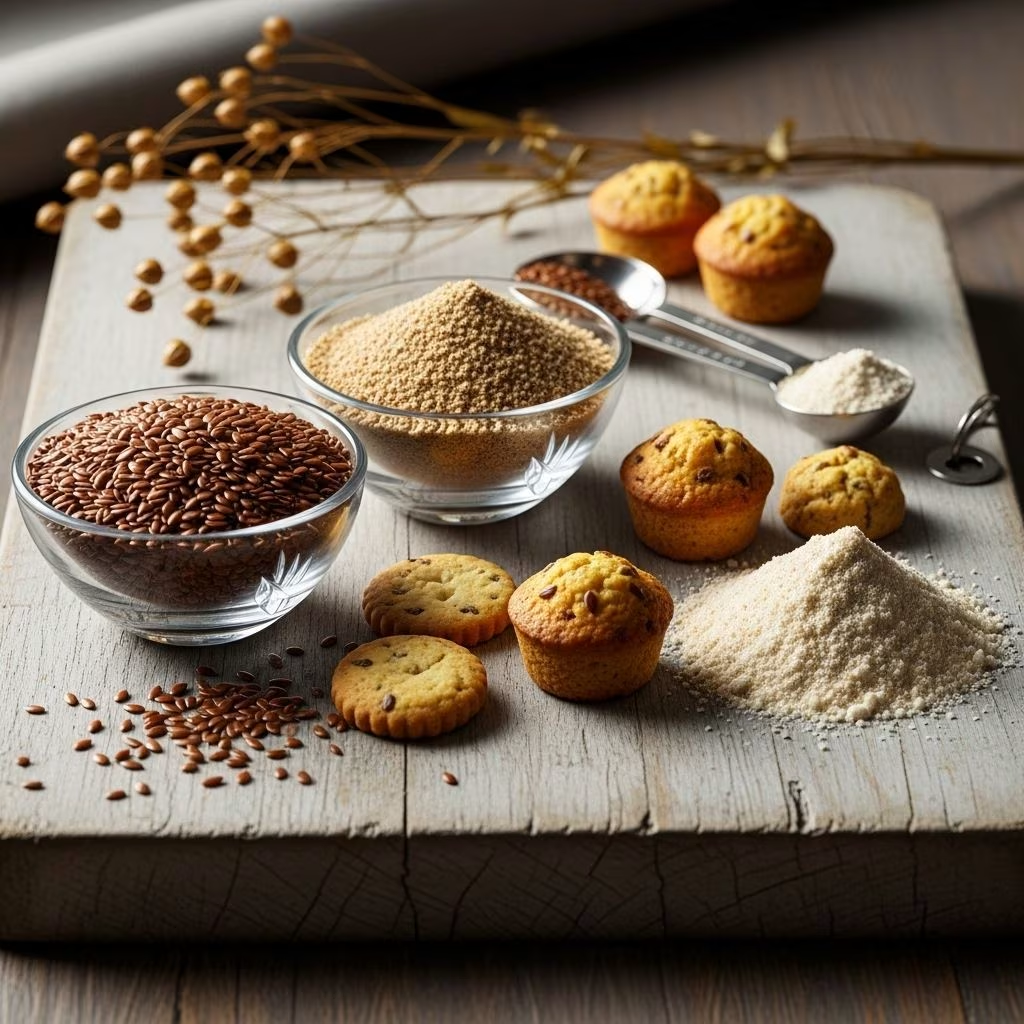
Flax seeds, known for their nutty flavor and high nutritional value, have emerged as a powerful, versatile ingredient for modern bakers. Apart from adding healthy fiber and omega-3 fatty acids, the natural starches and mucilage in flax provide unique functionality: from egg-free binding in vegan recipes to supporting gluten-free baking. This in-depth guide explores the science, applications, substitutions, and nutritional strengths of flax seed starch in baking and beyond.
What is Flax Seed Starch?
Unlike traditional starches extracted from wheat, corn, or potatoes, flax seed starch refers to the mucilaginous polysaccharides found in the seed coat. When flax seeds are ground and hydrated, these natural gums swell and form a gel-like substance that mimics the thickening, binding, and moisture-retaining properties of common starches.
Flax seed starch isn’t commercially available as a pure, isolated powder. Instead, bakers unlock its potential by grinding whole or brown flax seeds into meal or flour and combining with water. The resulting mixture acts as a whole food starch alternative in recipes.
Nutritional Value of Flax Seeds
Flax seeds (linseeds) have gained superfood status thanks to their impressive nutrition:
- High in fiber – Both soluble and insoluble types support digestion and heart health.
- Rich in omega-3 fatty acids – One of the best plant sources, particularly alpha-linolenic acid (ALA).
- Good source of plant protein
- Lignans – Flax contains more of these antioxidants and phytoestrogens than almost any other plant food.
| Nutrient | Amount |
|---|---|
| Calories | 75 |
| Protein | 2.6 g |
| Fat | 6.0 g |
| Omega-3 ALA | 3,300 mg |
| Fiber | 3.8 g |
| Carbohydrate | 4.0 g |
| Lignans | ~85 mg |
| Calcium | 36 mg |
| Iron | 0.9 mg |
| Magnesium | 40 mg |
Flax meal (ground flax) unlocks these nutrients for absorption since whole seeds often pass through the digestive tract unchanged.
The Science: How Flax Seed Starch Works in Baking
When ground flax seed is mixed with water, the polysaccharides in its outer coat rapidly absorb liquid and create a thick, sticky gel. This substance:
- Mimics the binding power of eggs – holding baked goods together.
- Retains moisture in doughs and batters, leading to softer, tender crumbs.
- Acts as a natural emulsifier (helps fats and water mix), improving texture and shelf-life.
- Imparts chewiness and elasticity – important in gluten-free bakes.
Unlike hot gels made from wheat or potato starch, flax seed’s mucilage works at room temperature and is stable across a range of baking temperatures. This makes it a natural functional ingredient for vegan, allergy-friendly, and gluten-free recipes.
Practical Baking Uses of Flax Seed Starch
Flax meal opens up a world of possibilities for bakers looking to boost nutrition and functionality. Common applications include:
- Egg replacement in vegan and egg-free recipes
- Enhances moisture and softness in breads, muffins, and cakes
- Improves structure and cohesion in gluten-free baking
- Natural thickener and emulsifier for batters, dressings, sauces
- Adds fiber, nuttiness, and crunch when sprinkled whole or toasted over breads and cereals
Baked Goods That Benefit from Flax Seed Starch
- Muffins (banana, carrot, bran muffins)
- Pancakes and waffles (including gluten-free versions)
- Quick breads (pumpkin, zucchini, cornbread)
- Cookies (oatmeal, chocolate chip, shortbread)
- Cakes and brownies
- Homemade granola and energy bars
- Breads and rolls, especially whole grain and gluten-free loaves
Other Culinary Uses
- As a binder in veggie burgers, fritters, and meatless meatballs
- Crispy coatings for roasting or air-frying vegetables
- Thickener for smoothies, soups, and dairy-free sauces
- Emulsifier for dressings and homemade vegan mayonnaise
How to Substitute Flax Seed in Baking
As an Egg Substitute (“Flax Egg”)
For every egg called for in a recipe, mix:
- 1 tablespoon ground flaxseed (flax meal)
- 3 tablespoons water
Stir together and let sit for 5-10 minutes until a gel forms. This mix replaces the moisture and binding properties of an egg in cookies, muffins, quick breads, and pancakes, but does not provide the same aeration needed for recipes like meringues or soufflés.
As a Fat Substitute
Because flax is rich in natural oils, you can replace a portion of fat (oil or melted butter) in your recipes:
- To replace 1 tablespoon oil: use 3 tablespoons flax meal
- If a recipe calls for 1/2 cup oil: use 1/4 cup oil + 3/4 cup flax meal
Expect denser and quicker-browning baked goods when you swap fats with flax meal.
As a Flour Substitute
Flax seed meal can boost nutrition and fiber in gluten-free flour blends or regular recipes:
- Replace up to 20-25% of total flour weight with flax meal for a hearty, moist crumb.
Too much flax meal leads to overly dense or gummy textures, so start with small substitutions.
Flax Seed Starch vs. Other Vegan Binders
| Binder | Main Source | Properties | Common Uses |
|---|---|---|---|
| Ground Flaxseed | Flax seed mucilage & oils | Gel-forming, binding, moistening, adds nutrition | Egg substitute; gluten-free binding; fiber boost |
| Chia Seeds | Chia seed mucilage | Stronger gel, neutral flavor, high omega-3 | Egg substitute; pudding; jam thickener |
| Psyllium Husk | Psyllium seed husks | Forms thick gel, high soluble fiber, structure for gluten-free bread | Gluten-free bread, pizza dough, fiber supplements |
| Applesauce or Banana | Fruit puree | Moisture, some binding, adds sweetness | Baking where mild fruit flavor is desirable |
| Cornstarch/Tapioca/Arrowroot | Pure starch | Thickening, no nutrition, neutral flavor | Puddings, sauces, as thickener only |
Chia seed gel works similarly to flax, but produces a firmer gel with a milder taste, while psyllium creates a denser, chewier crumb in bread. Applesauce and banana supply moisture and a touch of sweetness, but far less binding power than flax or chia gels.
Tips for Using Flax Seed in Baking
- Always use ground flaxseed meal; whole seeds pass through the body undigested.
- Mix flax meal with water and let it rest before using for best gelling and binding.
- Store flax meal in the fridge or freezer to keep oils from turning rancid.
- Too much flax can make baked goods dense; start with small substitutions and increase slowly.
- Pair with bold flavors (chocolate, nut butter, spices) to complement the nutty taste.
Potential Issues & Fixes
- Baked goods may be denser than when using eggs – lighten the texture by increasing leavening (baking powder/soda) or combining with applesauce.
- Quicker browning during baking – lower oven temperature by 10-15°F if necessary.
- Gummy or chewy texture if too much flax is used – reduce flax amount or blend with other gluten-free flours for best texture.
- Flax “egg” may not aerate batter – good for binder, but not as a whipping agent (not suitable for meringue).
Alternatives to Flax Seed Starch in Baking
Flax seed meal is not the only option for gluten-free, egg-free, or fiber-rich baking. If flax is unavailable or you prefer a different flavor/texture, try the following alternatives:
- Chia seed meal (same ratio as flax gel, milder flavor)
- Psyllium husk (use for bread structure, adds chewiness)
- Unsweetened applesauce or mashed banana (moisture and mild binding)
- Commercial powdered egg replacers (blend of starches and gums; follow package instructions)
- Cornstarch, arrowroot, or tapioca (for thickening, but not as a binder)
- Aquafaba (chickpea brine – can be whipped for airy structures like meringues)
Each substitute has its strengths and best applications, but flax seed meal strikes an ideal balance of nutrition, binding, and taste for many recipes.
Frequently Asked Questions (FAQs)
Q: What’s the difference between flaxseed meal and flaxseed starch?
A: Flaxseed meal is the ground whole seed, containing fiber, protein, fat, and natural mucilage (polysaccharide gums) which act as a ‘starch’ in recipes. Flaxseed starch is not usually isolated as a pure product; its functional benefits in baking come from whole ground seeds and their mucilage.
Q: How do you make a flax egg?
A: Mix 1 tablespoon ground flaxseed with 3 tablespoons water. Let sit 5–10 minutes until it becomes a gel, then use to replace 1 egg in recipes like muffins or pancakes. This mixture binds, adds moisture, and supports structure.
Q: Can flaxseed meal replace gluten in baking?
A: Flaxseed meal is commonly used in gluten-free blends, either as a partial flour replacement or as a binder, but it does not fully mimic gluten’s elasticity. Combining with xanthan gum or psyllium husk improves structure in gluten-free bread and cakes.
Q: Is flaxseed safe for people with nut allergies?
A: Yes, flaxseed is not a nut but a seed; it is generally safe for people with nut allergies (unless they have a rare flax allergy).
Q: How should I store ground flaxseed meal?
A: Due to its high content of natural oils, ground flaxseed meal should be kept in the refrigerator or freezer in a sealed container to prevent rancidity and preserve freshness.
Conclusion
Flax seed meal’s natural starches and oils make it an invaluable tool for healthy, vegan, and gluten-free baking. Whether you seek a plant-based binder, need an egg or fat substitute, or want to boost your daily fiber, flax enables creative, nutritious, and delicious baking. By understanding its unique baking chemistry, mastering substitution techniques, and storing it properly, anyone can harness the powerful benefits of flax seed starch.
References
- https://www.forksoverknives.com/how-tos/flaxseeds-benefits-how-to-eat-them/
- https://lonegoosebakery.com/baking-with-flax-seeds/
- https://www.youtube.com/watch?v=29QVAJ4iSIY
- https://dontwastethecrumbs.com/ways-use-flaxseed/
- https://www.egglesscooking.com/recipes/flaxseed-meal/
- https://www.youtube.com/watch?v=uYd-m04odkw
- https://www.healthyflax.org/recipes/how-to.php


