


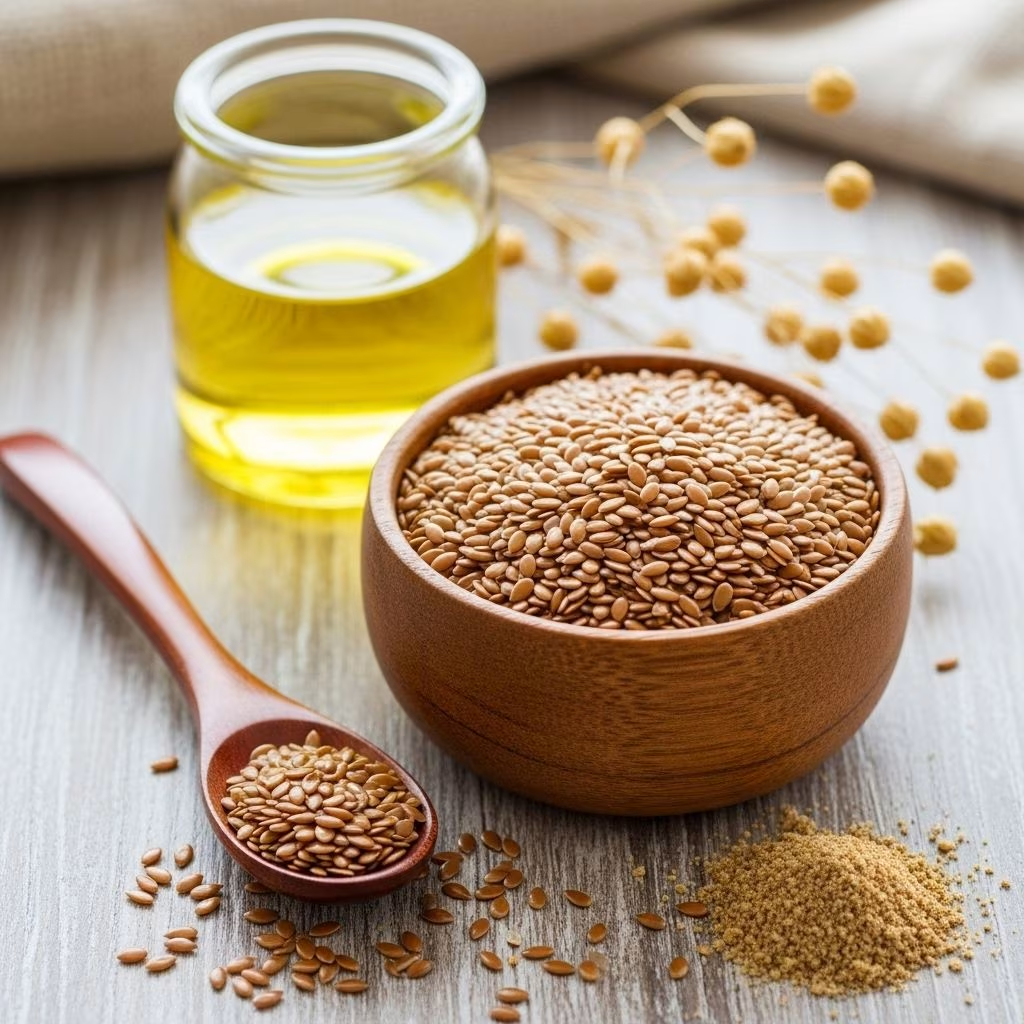
Flaxseed is an ancient seed with a growing reputation as a powerhouse in modern nutrition. Packed with valuable nutrients and bioactive compounds, flaxseed is increasingly recognized for its potential health benefits and its flexibility in various diets. This guide explores what flaxseed is, its nutritional profile, the latest research on its health effects, its practical uses in cooking and wellness, and its distinct flavor.
Introduction to Flaxseed
Flaxseed (also known as linseed, Linum usitatissimum) is a small, oil-rich seed derived from the flax plant. Humans have cultivated flax for more than 6,000 years, initially for its fibers (to make linen) and later recognizing its nutritional and medicinal value.
Historically, flaxseed played a vital role in the diets and medicinal practices of ancient Egyptian, Greek, and Chinese civilizations. Today, it is grown worldwide and has become a staple in health-conscious diets due to its combination of macronutrients, micronutrients, and phytochemicals.
Nutritional Composition and Profile
Flaxseed’s reputation as a functional food is largely due to its nutrient-dense profile. A typical 100 g serving of flaxseed provides:
| Nutrient | Amount per 100 g |
|---|---|
| Energy | 530 kcal |
| Protein | 20.3 g |
| Total Fat | 37.1 g |
| Carbohydrates | 28.9 g |
| Total Dietary Fiber | 24.5 g |
| Crude Fiber | 4.8 g |
| Potassium | 750 mg |
| Calcium | 170 mg |
| Phosphorus | 370 mg |
| Iron | 2.7 mg |
| Vitamin A | 30 μg |
| Vitamin E | 0.6 mg |
| Thiamine (B1) | 0.23 mg |
| Riboflavin (B2) | 0.07 mg |
| Niacin | 1.0 mg |
| Pyridoxine (B6) | 0.61 mg |
| Folic acid | 112 μg |
Source: Adapted from major nutrition studies and databases .
Macronutrients
- Protein: Flaxseed contains roughly 21% protein, with a profile similar to soy, rich in arginine, aspartic acid, and glutamic acid.
- Fat: About 37–45%, predominantly unsaturated fats, with a large portion as alpha-linolenic acid (ALA; an omega-3 fatty acid).
- Carbohydrates: Includes significant amounts of dietary fiber and low levels of digestible carbohydrates.
Micronutrients
- Minerals: High in phosphorus, magnesium, calcium, and potassium; low in sodium.
- Vitamins: Contains small amounts of vitamin E (as γ-tocopherol), B vitamins, and folic acid.
Key Bioactive Compounds in Flaxseed
The top three bioactive components of flaxseed are:
- Alpha-Linolenic Acid (ALA): A plant-based omega-3 fatty acid critical for heart and brain health.
- Lignans: Plant polyphenols with antioxidant and phytoestrogenic properties that help neutralize free radicals and may influence hormone metabolism.
- Dietary Fiber: Both soluble and insoluble fiber, supporting digestive health and modulating blood sugar.
Together, these compounds contribute to the functional and therapeutic qualities of flaxseed .
Proven and Potential Health Benefits
Extensive research in both modern medicine and traditional systems like Ayurveda suggests flaxseed may play a beneficial role in several aspects of health. However, it is important to note that while evidence is strong for some benefits, it is preliminary or mixed for others.
1. Heart Health
- Omega-3 Fats (ALA): Support lower cholesterol, reduce blood pressure, and help decrease overall cardiovascular risk.
- Potassium and Magnesium: Contribute to healthy blood vessel function and blood pressure regulation .
2. Cancer Risk Reduction
- Regular intake of flaxseed is associated with lower incidence of breast, prostate, and colon cancers in observational studies .
- Lignans may have protective effects, possibly by modulating hormone metabolism and reducing oxidative stress.
- Some evidence highlights a lower risk of breast cancer among females who consume flaxseed regularly, but more research is needed to fully confirm and explain these effects .
3. Digestive Health
- High fiber content: Supports regular bowel movements, prevents constipation, and promotes gut health.
- Soluble fiber helps feed beneficial gut bacteria, supporting the microbiome.
4. Blood Sugar and Diabetes Management
- Dietary fiber in flaxseed can slow digestion and moderate blood sugar spikes after meals.
- Preliminary studies suggest that regular flaxseed supplementation may improve blood sugar control in people with type 2 diabetes.
5. Weight Management
- Satiety: The combination of protein, fiber, and healthy fats can promote feelings of fullness, which may help with weight control.
6. Inflammation and Immune Support
- Both ALA and lignans exhibit anti-inflammatory properties, which may be beneficial in chronic inflammatory conditions such as arthritis or metabolic syndrome.
7. Antioxidant Properties
- Lignans and phenolic compounds: Act as antioxidants, helping protect cells from damage caused by free radicals .
8. Traditional and Emerging Uses
- In Ayurvedic medicine, flaxseed is used to promote overall health and restore skin’s pH balance.
- It is also cited for benefits in prevention of chronic diseases such as atherosclerosis, asthma, and metabolic syndrome .
Culinary Uses of Flaxseed
Flaxseed is highly versatile and can be incorporated into countless recipes and food products.
Forms Available
- Whole Flaxseed: Intact seeds. Offer crunch, but are poorly digested unless ground.
- Ground Flaxseed (Flax Meal): Pulverized; nutrients are more bioavailable.
- Flaxseed Oil: Pure oil extracted for salad dressings or supplementation, not suitable for high heat.
- Flaxseed Flour: Used in baking for texture and nutrition.
- Supplements: Capsules, tablets, and powders for convenience.
Common Culinary Applications
- Baked Goods: Breads, muffins, crackers, and cookies for a nutty flavor, moisture, and fiber.
- Breakfast Dishes: Added to oatmeal, smoothies, cereals, and yogurts.
- Egg Replacer: Ground flax mixed with water (1 tbsp flax meal + 2.5 tbsp water) acts as a plant-based egg alternative in vegan baking.
- Sprinkled on Salads: Adds crunch and nutrition.
- Soups & Stews: To thicken and boost fiber content.
- Energy Bars & Snacks: Incorporated into homemade granola bars and energy bites.
Processing Tips
- Whole seeds pass undigested through most people’s intestines. Grinding the seeds improves nutrient absorption.
- Store flaxseed (especially ground) in airtight containers, away from heat and light, to prevent oil oxidation.
Flaxseed Taste and Flavor Profile
Flaxseed offers a mild, nutty, and slightly earthy flavor, making it a pleasant addition to both sweet and savory foods. Its taste is generally subtle and does not overpower other ingredients.
- Whole seeds provide crunch; ground seeds blend smoothly into most dishes.
- Some people detect a faint grassy note, especially in fresh flax oil.
Flaxseed pairs well with:
- Oats, cereals, and grains
- Nuts and dried fruit
- Chocolate and cocoa
- Baked goods with cinnamon, honey, or molasses
- Salads and roasted vegetables
How to Incorporate Flaxseed into Your Diet
For maximum nutritional benefit, aim for 1-2 tablespoons (7-14 grams) of ground flaxseed daily, as recommended by many nutritionists.
- Add to breakfast: Sprinkle on oatmeal, yogurt, or in smoothies.
- Bake: Substitute part of the flour or add to muffins, pancakes, breads.
- Thicken sauces/soups: Stir in ground flaxseed for added body and nutrition.
- Egg substitute: For vegan baking, use ground flaxseed mixed with water.
- Use in granola, protein bars, or crackers for extra fiber and healthy fats.
Tips for Use
- Start with small amounts to allow your digestive system to adjust to the increase in dietary fiber.
- Drink plenty of water to prevent constipation.
- Store flaxseed and oil refrigerated to avoid rancidity.
Risks and Considerations
- Digestibility: Whole seeds are poorly absorbed; grind before eating.
- Allergies: Rare, but flaxseed can trigger allergies in some individuals.
- High fiber: Excessive intake may cause bloating or gastrointestinal discomfort in sensitive individuals.
- Medication Interactions: Flaxseed’s fiber may impact absorption of some oral medications; consult healthcare providers for guidance.
- Phytoestrogens: Those with hormone-sensitive conditions should consult a clinician before making significant dietary changes.
- Unproven Claims: While flaxseed is thought to benefit many conditions, not all claims are backed by high-quality human studies. Use as part of a balanced, evidence-based approach to health.
Frequently Asked Questions (FAQs)
Q: Is flaxseed a good source of protein?
A: Yes, it contains high-quality protein with an amino acid profile similar to soy, making it a valuable plant-based source .
Q: Can flaxseed help with weight loss?
A: The fiber and healthy fats in flaxseed promote feelings of fullness, which may support weight management when part of a balanced diet .
Q: Should I eat whole or ground flaxseed?
A: Ground flaxseed is preferable, as whole seeds pass through the gut undigested and offer less nutritional benefit .
Q: Are there side effects or risks with flaxseed?
A: Flaxseed is safe for most people in moderate amounts but should be introduced gradually to your diet. Excessive intake may cause digestive discomfort, and people on certain medications or with hormone-sensitive conditions should consult a healthcare professional .
Q: Is flaxseed oil as beneficial as whole or ground seeds?
A: Flaxseed oil provides healthy omega-3 fats but lacks the fiber and lignans found in the seeds. It is good for certain uses, but for whole-body nutrition, ground flaxseed is typically superior .
Conclusion
Flaxseed stands out as a versatile, nutrient-rich food with a variety of health-promoting properties. Incorporating flaxseed into both traditional and modern diets can contribute to improved heart, digestive, and metabolic health. While emerging research continues to explore its full therapeutic potential, using flaxseed sensibly in daily meals is a simple way to boost nutrition and savor its distinct, nutty flavor.
References
- https://pmc.ncbi.nlm.nih.gov/articles/PMC4375225/
- https://www.medicalnewstoday.com/articles/263405
- https://www.urmc.rochester.edu/encyclopedia/content?contenttypeid=76&contentid=12220-2
- https://www.mayoclinichealthsystem.org/hometown-health/speaking-of-health/flaxseed-is-nutritionally-powerful
- https://www.mayoclinic.org/healthy-lifestyle/nutrition-and-healthy-eating/expert-answers/flaxseed/faq-20058354
- https://www.uhhospitals.org/health-information/health-and-wellness-library/article/nutritionfacts-v1/seeds-flaxseed-1-tbsp-ground
- https://nutritionfacts.org/topics/flax-seeds/


