


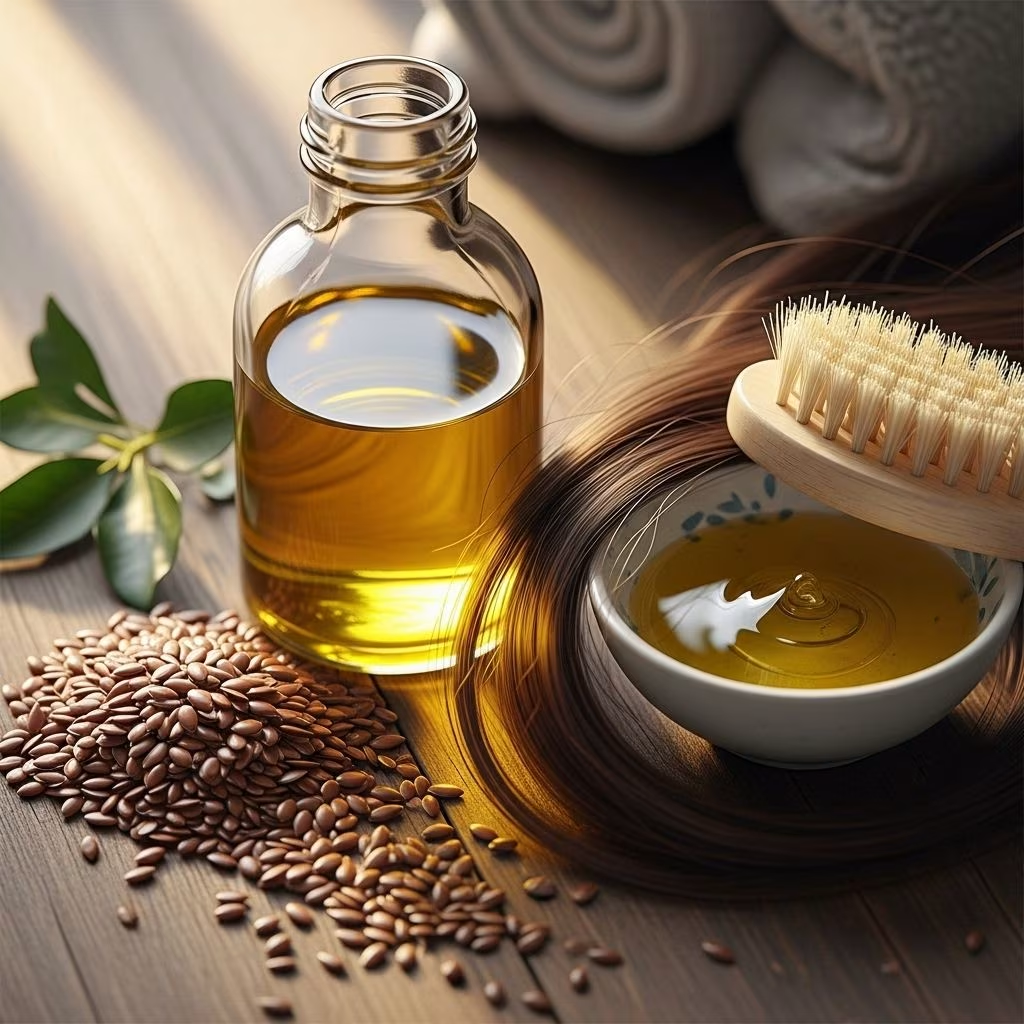
Flaxseed oil, extracted from the seeds of the Linum usitatissimum plant, has emerged as a remarkable natural remedy for hair care. Bursting with nutrients like omega-3 fatty acids, antioxidants, and vitamins, this golden oil is celebrated for its ability to address a range of hair woes— from dryness and breakage to thinning and lackluster shine. This article delivers a comprehensive, research-backed exploration of flaxseed oil’s hair benefits, practical usage methods, tips for optimal results, and answers to common questions, helping you harness its full potential for healthy, beautiful hair.
Introduction
Over centuries, flaxseed oil has carved its niche as a medicinal and wellness aid, particularly in natural beauty regimens. Its unique mix of essential fatty acids, vitamins, and plant antioxidants sets it apart from conventional hair oils. As hair concerns such as thinning, breakage, and scalp issues mount due to lifestyle, environmental stresses, and genetics, many turn to flaxseed oil for a gentle yet effective alternative to synthetic treatments.
The Science Behind Flaxseed Oil for Hair
Flaxseed oil’s effectiveness stems from a rich composition of powerful bioactive compounds, notably:
- Omega-3 fatty acids (Alpha-Linolenic Acid, ALA): These are essential for human health and particularly vital for scalp and hair health, helping reduce inflammation and encouraging strong follicle function.
- Antioxidants (Lignans, Phenols, and Flavonoids): These neutralize damaging free radicals and protect hair follicles from environmental stressors and oxidative damage.
- B Vitamins: A group of nutrients present in flaxseed oil that help produce stronger, thicker, healthier hair and may speed up growth rates.
- Vitamin E: An antioxidant that improves scalp circulation, nourishes follicles, and helps strengthen hair strands.
- Protein and Amino Acids: Integral for hair structure, they support the repair and rebuilding of damaged hair.
- Fiber: Enhances hair structure and helps reduce visible signs of thinning by supporting hair shaft fullness.
Scientific studies have highlighted that when consumed or applied topically, these nutrients can benefit the hair not only by making it look shinier and less frizzy but also by addressing deeper issues like inflammation, DHT-related hair loss, and environmental damage.
Key Hair Benefits of Flaxseed Oil
The following points encapsulate the core hair benefits of flaxseed oil, as supported by scientific review and user experiences:
Supports Hair Growth and Thickness
- Encourages hair follicle growth: Omega-3 fatty acids enhance blood circulation in the scalp, directly nourishing follicles for robust hair growth.
- DHT inhibition: Preliminary animal studies suggest flaxseed oil may help inhibit the hormone DHT, which is associated with hair thinning and androgenic alopecia.
- Reduces hair thinning: Amino acids and lignans may help decrease hair thinning and promote denser-looking hair.
Reduces Breakage and Split Ends
- Strengthens hair strands: The oil’s proteins and fatty acids strengthen and coat hair, reducing split ends and the risk of breakage.
- Cutin sealing: Flaxseed oil helps seal the cuticle (the hair’s outer layer), locking in moisture and protecting strands from mechanical stress.
Improves Shine, Smoothness, and Manageability
- Mucilage effect: When mixed with water, flax seeds form mucilage, which coats and smooths hair, making it sleeker, less frizzy, and easier to style.
- Moisturizes damaged hair: Deep hydration from fatty acids keeps hair supple and prevents it from drying out or becoming brittle.
- Antioxidant action: Lignans and vitamin E protect hair from UV and pollution-induced damage, enhancing hair sheen.
| Nutrient | Main Benefit |
|---|---|
| Omega-3 fatty acids (ALA) | Reduces scalp inflammation, supports follicle health, promotes hair growth |
| Lignans & Flavonoids | Antioxidant protection, supports hormonal balance, minimizes hair thinning |
| Vitamin E | Enhances scalp blood flow, repairs & strengthens hair |
| B Vitamins | Promotes thicker, stronger, and faster-growing hair |
| Protein & Amino Acids | Rebuilds and fortifies hair structure, reduces breakage |
Soothes Sensitive Scalps & Fights Dandruff
- Anti-inflammatory properties: Omega-3s calm irritated or inflamed scalps, benefitting those with dandruff or seborrheic dermatitis.
- Moisturizing action: The oil moisturizes dry, flaky scalps and can help restore a healthy balance to the skin barrier.
How to Use Flaxseed Oil for Hair
Flaxseed oil can be integrated into your hair care routine through several methods. Choose the approach that fits your needs and lifestyle, and be consistent to see the best results.
1. Topical Application as a Hair Oil or Scalp Massage
Applying flaxseed oil directly to your scalp and hair can help seal in moisture and protect strands from breakage:
- Warm 1-2 tablespoons of pure, cold-pressed flaxseed oil in your hands.
- Massage it gently into your scalp for 3-5 minutes, focusing on dry or thinning areas.
- Distribute leftover oil through the midlengths and ends.
- Leave on for 1-2 hours or overnight for deep conditioning (use a shower cap to prevent stains).
- Shampoo thoroughly and condition as usual.
- Repeat 2-3 times per week as needed.
2. Hair Mask Treatment
For an intensive moisture and repair boost:
- Mix flaxseed oil with other hair-nourishing ingredients, such as yogurt (for protein), honey (for moisture), or essential oils (like rosemary or lavender).
- Apply the mixture evenly to damp hair from scalp to ends.
- Cover with a shower cap and leave on for 30-60 minutes.
- Rinse thoroughly with lukewarm water and follow with your usual shampoo and conditioner.
- Use weekly or as needed for best results.
3. Leave-In Serum or Anti-Frizz Treatment
To tame frizz, add shine, or protect from heat styling:
- Rub a single drop of flaxseed oil between your palms.
- Smooth over dry or damp hair, focusing on the ends.
- Avoid applying too much to prevent greasiness.
4. Dietary Supplementation
Consuming flaxseed oil or ground flaxseed delivers key nutrients from the inside out:
- Add 1-2 teaspoons of flaxseed oil to smoothies, salads, or yogurt.
- Alternatively, eat ground flaxseed (1-2 tablespoons daily) for added fiber and omega-3 content. Do not heat flaxseed oil, as it can destroy sensitive fatty acids.
Note: Always consult a healthcare professional before introducing supplements, especially if you are pregnant, nursing, or on medication.
Expert Tips for Getting the Most Out of Flaxseed Oil
- Opt for cold-pressed, organic flaxseed oil: This ensures a higher concentration of nutrients and lack of harmful solvents.
- Store properly: Flaxseed oil is prone to oxidation. Keep it refrigerated in a tightly sealed, opaque container.
- Avoid heat: Never use flaxseed oil for heat styling or cooking—it will degrade nutrients and turn rancid quickly.
- Use consistently: Like most natural products, benefits improve with regular, long-term use.
- Patch test for sensitivity: Apply a small amount to the inner forearm and wait 24 hours to check for reactions before full use.
- Combine with other oils: Blend flaxseed with coconut, castor, or argan oil for enhanced effects depending on your hair type and needs.
- Personalize the method: Those with oily scalps may benefit more from a pre-shampoo mask, while people with dry, coarse hair might use it as a leave-in on ends.
Potential Side Effects & Precautions
Though generally safe, flaxseed oil may cause mild issues for certain individuals:
- Allergic reactions: Itching or rash can rarely occur. Always patch test before widespread use.
- Oily buildup: Using too much, especially on fine or low-porosity hair, can weigh hair down or cause greasiness.
- Storage risk: Improperly stored oil may oxidize and cause scalp irritation. Check for rancid smell before use.
- Interaction with medications: Internal consumption can interfere with blood thinners; consult your doctor if unsure.
Frequently Asked Questions (FAQs)
Q: Can flaxseed oil really help stop hair loss?
A: Flaxseed oil contains nutrients with anti-inflammatory and antioxidant properties—both of which support healthy follicles and scalp. Animal studies and preliminary human evidence suggest it may slow hair loss, but further research on humans is needed for definitive proof.
Q: How often should I use flaxseed oil on my hair?
A: For general conditioning and shine, 2-3 times per week is typical. For more intensive hair repair or scalp issues, up to 3 times weekly may provide optimal results. Adjust frequency if you notice buildup or oiliness.
Q: Is flaxseed oil suitable for all hair types?
A: It can benefit a wide range of hair types, from curly and dry to straight and thin. However, those with oily hair may need to use it only on ends or as a pre-shampoo treatment to prevent heaviness.
Q: Can I leave flaxseed oil in my hair overnight?
A: Yes, leaving flaxseed oil overnight as a deep treatment is safe and often provides extra hydration, especially for dry or damaged hair. Use a shower cap and rinse well in the morning.
Q: What’s better: Flaxseed oil or ground flaxseed for hair?
A: Both offer unique advantages. Topical oil gives prompt shine and conditioning; dietary flaxseed provides ongoing nutrition for new hair growth. Combining both methods is often recommended.
Conclusion
Flaxseed oil’s blend of omega-3 fatty acids, antioxidants, and essential nutrients makes it an outstanding, natural choice for those seeking stronger, shinier, and healthier hair. Scientific research supports its roles in reducing inflammation, combating thinning, and protecting against environmental damage, while centuries of traditional use have proven its effectiveness for moisturizing and enhancing hair manageability. By incorporating flaxseed oil into your hair care routine with the methods and tips above, you can safely and effectively improve your hair’s vitality, luster, and strength with nature’s own remedy.
References
- https://gashee.com/blogs/wellness-blog/a-research-perspective-on-flaxseed-oil-for-hair-loss
- https://www.healthline.com/health/flaxseed-for-hair
- https://www.multiresearchjournal.com/admin/uploads/archives/archive-1734069745.pdf
- https://pmc.ncbi.nlm.nih.gov/articles/PMC10353157/
- https://pmc.ncbi.nlm.nih.gov/articles/PMC4152533/
- https://www.allresearchjournal.com/archives/2025/vol11issue4/PartF/11-4-90-316.pdf
- https://www.ijrpc.com/files/5-7-18/12.pdf
- https://health.clevelandclinic.org/flaxseed-oil-benefits


