


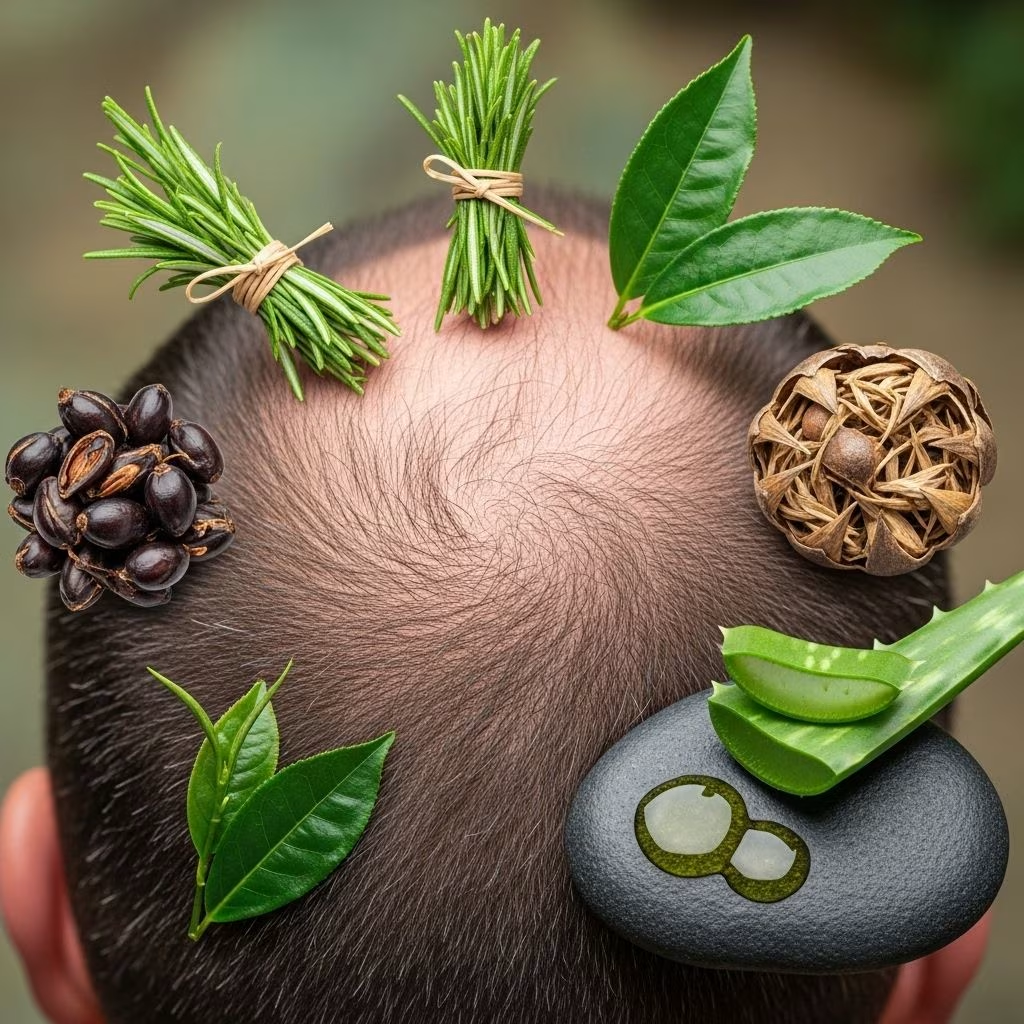
Diagnosis and Treatment: Natural Remedies for Male Pattern Baldness
Male pattern baldness, also known as androgenetic alopecia, is the most common form of hair loss in men. Characterized by progressive thinning of the scalp hair, this condition can impact self-esteem and emotional wellbeing. While pharmaceutical and surgical options exist, many individuals seek effective natural remedies and holistic strategies to slow hair loss and promote new hair growth. This guide provides a comprehensive overview of the causes, diagnosis, clinical interventions, and the leading natural and lifestyle-based approaches to managing male pattern baldness.
What is Male Pattern Baldness?
Male pattern baldness is a hereditary condition marked by specific patterns of hair thinning, typically starting at the temples and crown. Over time, hair follicles shrink and produce finer, shorter hairs, ultimately ceasing growth altogether. This process is primarily driven by genetics and a sensitivity to dihydrotestosterone (DHT), a derivative of the hormone testosterone.
- Affects majority of men at some point in life
- Early onset possible, usually progressing with age
- Linked to family history and hormonal factors
Symptoms and Signs
Symptoms of male pattern baldness include:
- Gradual thinning on top of the head
- Receding hairline, often forming an ‘M’ shape
- Bald patches, most commonly at the crown
- Widening part or diffuse hair loss over the scalp
Diagnosing Male Pattern Baldness
Diagnosis typically involves a clinical examination of the pattern and progression of hair loss, along with a review of family history and, occasionally, laboratory testing to rule out underlying medical conditions.
- Visual and physical scalp exam
- Medical and family history review
- Trichoscopy (scalp microscopy) for detailed follicle analysis
- Blood tests to exclude nutritional deficiencies or thyroid disorders, if atypical patterns are present
Conventional Treatments Overview
Though male pattern baldness cannot be cured, its progression can often be slowed, and some hair regrowth may be achieved with medical intervention:
- Minoxidil (topical solution): Prolongs the growth phase of hairs. Daily, long-term application is necessary, and results typically appear after a few months.
- Finasteride (oral medication): Inhibits conversion of testosterone to DHT, reducing follicle shrinkage. Potential side effects include decreased libido or other hormonal changes.
- Hair Transplant Surgery: Surgical redistribution of active hair follicles to balding areas. Invasive and costly, usually considered if other methods fail.
- Low-Level Laser Therapy (LLLT): Devices that stimulate blood flow to hair follicles, with mixed evidence for effectiveness.
Natural remedies are often pursued to minimize side effects, complement medical therapies, or as a first step for those with early signs of thinning.
Natural Remedies and Holistic Treatments
An increasing body of research and anecdotal evidence supports several natural approaches for reducing hair loss, promoting regrowth, and supporting scalp health in male pattern baldness.
Topical Natural Oils & Extracts
- Rosemary Oil: Clinical studies indicate rosemary oil’s efficacy is comparable to minoxidil in some cases for stimulating hair growth, likely by improving scalp circulation and reducing inflammation. To use, massage several drops diluted in a carrier oil into the scalp daily, leave for 10-15 minutes, and rinse out. Consistent application is key.
- Peppermint Oil: When diluted in a carrier oil, peppermint oil may stimulate follicular activity and promote new hair shaft formation. Generally used 2-3 times per week as a scalp massage treatment.
- Olive Oil: Rich in fatty acids and antioxidants, olive oil helps moisturize the scalp, reduce irritation, and enhance hair strength. Regular pre-shampoo scalp massages (left on 15–20 minutes before washing) can improve scalp environment.
- Pumpkin Seed Oil: Shown to decrease DHT levels, thus may slow progression of baldness. Can be taken orally as a supplement or applied as a topical oil massage.
- Onion Juice: High in sulfur compounds, onion juice has shown efficacy in some clinical studies for increasing hair density and supporting regrowth. Apply directly to the scalp before bed and wash out in the morning; note the strong odor and possible scalp irritation.
Herbal Supplements and Extracts
- Saw Palmetto: Natural DHT blocker that may slow or reverse hair thinning. Available as oral capsules or in topical formulations.
- Green Tea Polyphenols: Antioxidant-rich compounds may inhibit DHT and support scalp health. Green tea extracts are consumed or applied topically.
- Ginseng: Regarded for improving circulation and stimulating hair follicles, available in oral or topical formats.
- Caffeine: Topical caffeine solutions can stimulate hair follicles and may counteract DHT-induced follicle suppression when applied to the scalp.
- Cannabidiol (CBD) Oil and Marine Extracts: Emerging evidence suggests these may aid scalp health and support follicle resilience.
Diet and Nutritional Optimization
Nutrition plays a crucial role in hair health. Key dietary considerations include:
- Protein: Hair is composed of keratin, a protein. Sufficient protein intake (40–60 grams per day, depending on body size and activity) is essential for growth.
- Iron and Zinc: Deficiencies in these minerals are linked to increased hair shedding and slower regrowth.
- Vitamins A, C, D, and E: These support follicle function, immune health, and scalp condition.
- Omega-3 and Omega-6 Fatty Acids: Maintain scalp hydration and reduce inflammation.
| Nutrient | Benefit for Hair | Sources |
|---|---|---|
| Protein | Supports keratin formation | Eggs, fish, beans, chicken |
| Iron | Prevents hair shedding | Red meat, leafy greens, lentils |
| Zinc | Essential for repair and growth | Nuts, seeds, beef, shellfish |
| Omega-3 | Reduces inflammation | Fatty fish, walnuts, flaxseed |
| Vitamin D | May reduce thinning | Sunlight, fortified foods, oily fish |
Scalp Massage and Blood Circulation
Regular scalp massage stimulates blood flow to hair follicles, enhancing nutrient delivery and possibly aiding hair growth. Daily massage, using fingertips or scalp massage tools, improves circulation and can be combined with essential oils for added benefits.
Lifestyle Approaches and Hair Care Practices
- Gentle hair care: Use mild shampoos and conditioners; avoid excessive brushing and harsh chemicals.
- Minimize heat styling: Excessive heat from dryers, straighteners, or curling irons can weaken hair shafts.
- Reduce stress: High stress can accelerate hair loss. Incorporate relaxation techniques such as meditation or yoga.
- Avoid tight hairstyles: Styles that pull on the hair, such as tight ponytails or braids, can worsen hair loss over time.
Frequently Used Home Remedies
- Onion Juice: Rub onto the scalp and leave for at least 30 minutes. May be used before sleep due to its strong odor.
- Pumpkin Seed Oil: Consume orally (capsules or oil) or use directly on scalp as a massage oil.
- Rosemary Oil: Dilute with a carrier oil and apply daily for optimal results.
- Green Tea Rinse: Brew strong green tea, cool, and use as a post-shampoo rinse to provide antioxidant benefits.
Comparative Table: Natural Remedies for Male Pattern Baldness
| Remedy | Main Mechanism | Application | Scientific Support |
|---|---|---|---|
| Rosemary Oil | Boosts circulation, reduces inflammation | Topical scalp massage | Clinical studies show efficacy comparable to minoxidil |
| Peppermint Oil | Stimulates follicle activity | Topical application | Animal and in vitro studies supportive |
| Onion Juice | Provides sulfur for keratin production | Topical | Several clinical trials show regrowth |
| Pumpkin Seed Oil | Blocks DHT production | Oral or topical | Human studies indicate slowed hair loss progression |
| Saw Palmetto | DHT inhibition | Oral, topical | Supported by multiple studies |
| Green Tea | Provides antioxidants, may block DHT | Rinse or supplement | Moderate support from trials |
Frequently Asked Questions (FAQs)
Q: Can natural remedies completely reverse male pattern baldness?
A: While natural remedies can slow the progression of hair loss and enhance hair quality, complete reversal is unlikely—especially in advanced cases. Early intervention gives the best outcomes.
Q: How should I choose between conventional and natural treatments?
A: Decision-making depends on severity, progression, underlying health, budget, and tolerance for potential side effects. Many blend natural and clinical approaches for comprehensive care.
Q: Are there any risks to using natural oils or supplements?
A: Generally, these are safe when used as directed. However, allergic reactions, irritation, or interactions with medications are possible. Patch test topicals and consult a healthcare provider before supplement use.
Q: What lifestyle changes support better results?
A: Focus on a balanced diet rich in protein, iron, zinc, and antioxidants. Engage in regular exercise to increase circulation, manage stress, and avoid damaging hair practices and harsh chemicals.
Q: When should I see a doctor for hair loss?
A: If hair loss is rapid, patchy, or accompanied by other symptoms (such as irritation or redness), seek medical evaluation to rule out underlying disease.
Summary and Key Takeaways
- Male pattern baldness is highly prevalent and progresses over time, but early and combined intervention may preserve existing hair and promote regrowth.
- Natural remedies—especially rosemary oil, pumpkin seed oil, saw palmetto, and a nutrient-rich diet—have growing scientific support as adjunctive or initial therapies.
- Results vary by individual; consistency, patience, and healthy lifestyle choices are vital for maximizing success.
- It is advisable to combine natural approaches with medical advice and periodic monitoring, especially for those with rapid or extensive loss.
References
- https://www.harleystreethairtransplant.co.uk/8-natural-remedies-for-hair-loss/
- https://chicagoskinclinic.com/is-there-a-natural-treatment-for-androgenetic-alopecia/
- https://pubmed.ncbi.nlm.nih.gov/35044013/
- https://pmc.ncbi.nlm.nih.gov/articles/PMC11549889/
- https://www.aad.org/public/diseases/hair-loss/treatment/male-pattern-hair-loss-treatment
- https://www.medicalnewstoday.com/articles/324971
- https://sheffield.ac.uk/news/cure-male-pattern-baldness-given-boost-sugar-discovery
- https://www.myfreebird.com/blogs/health/natural-remedies-hair-loss
- https://my.clevelandclinic.org/health/diseases/24515-male-pattern-baldness-androgenic-alopecia


