


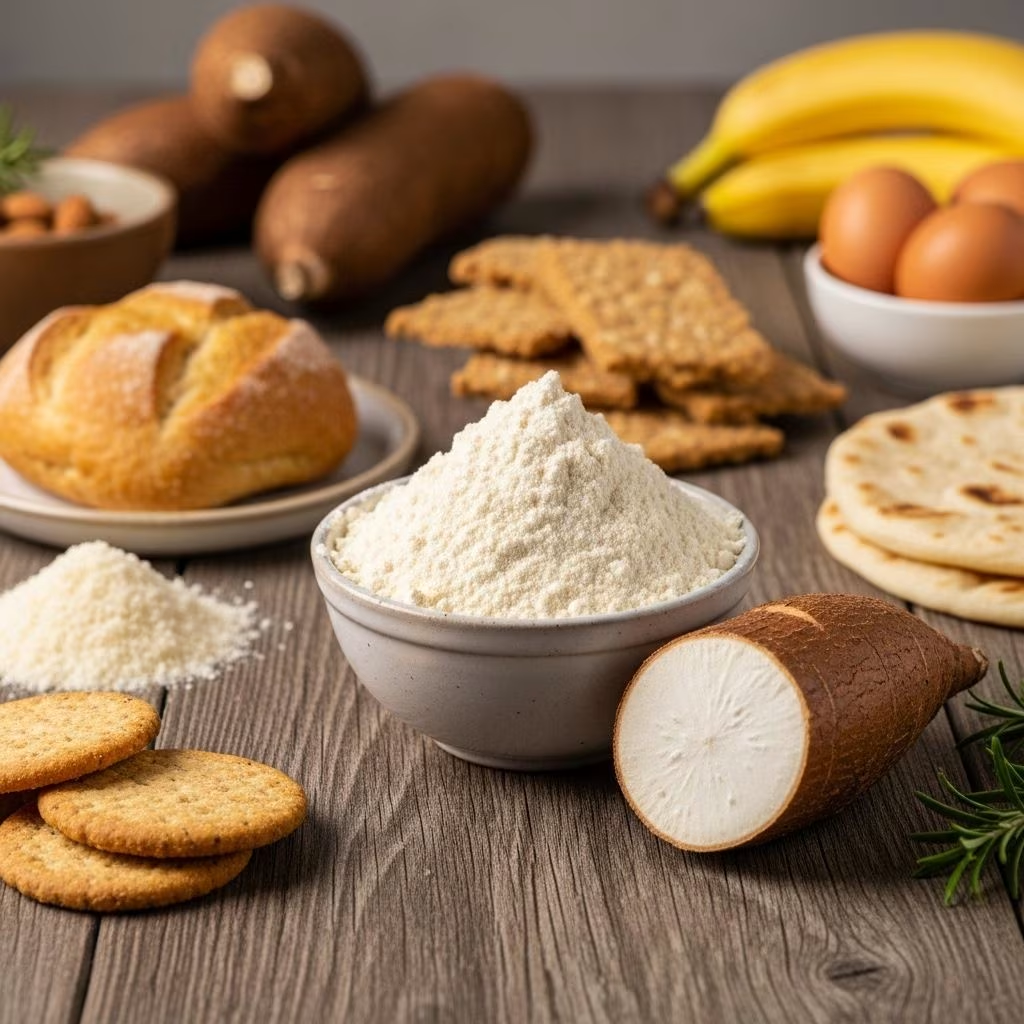
Cassava flour has swiftly become a staple ingredient in the gluten-free and allergy-friendly baking world. Made from the whole root of the cassava plant, this flour offers a unique balance of functional baking properties and a beneficial nutritional profile. This comprehensive guide explores cassava flour’s origins, its performance in baking, top substitute ingredients, and in-depth nutrition facts. Additionally, you’ll find real-world baking tips, recipe ideas, and answers to common questions about incorporating this versatile flour into your kitchen.
What is Cassava Flour?
Cassava flour is a naturally gluten-free flour made from the whole root of the cassava plant (Manihot esculenta), a starchy tuber native to South America but widely cultivated throughout Africa, Asia, and the tropics. Not to be confused with tapioca starch, which is only the extracted starch from cassava, cassava flour retains more fiber and micronutrients because it incorporates the whole peeled root.
- Origin: Indigenous peoples in the Amazon started using cassava thousands of years ago.
- Global Use: A dietary staple in Africa, Asia, and Latin America due to its abundance and versatility.
- Baking Qualities: Subtly sweet, neutral taste; light, powdery texture; functions well as an all-purpose flour alternative in many recipes.
- Diet Friendly: Suits gluten-free, grain-free, paleo, AIP (Autoimmune Protocol), and nut-free diets.
How Cassava Flour Is Made
The process of making cassava flour is unique and ensures maximum food safety because raw cassava contains compounds called cyanogenic glycosides, which must be reduced:
- The peeled cassava root is washed and shredded or grated.
- The pulp is soaked and thoroughly rinsed to remove toxins.
- It is pressed and dried (often sun or mechanical drying).
- The dried fibers are ground into a fine, light flour.
Modern commercial production ensures that the flour is completely safe and ready for use in both cooking and baking.
Baking Uses of Cassava Flour
Thanks to its combination of a soft texture, neutral flavor, and binding capabilities, cassava flour is widely celebrated as one of the most adaptable gluten-free flours. Its functional properties closely mimic those of regular wheat flour in many baked goods, making it an ideal choice for people seeking alternatives for health or dietary reasons.
How Cassava Flour Performs in Baking
- One-to-One Substitute (by weight): In many recipes, cassava flour can replace wheat flour by weight, although recipe testing is always recommended.
- Texture: Produces moist, light, and tender results in cakes, muffins, and pancakes.
- Binding Ability: Holds together well in biscuits, cakes, flatbreads, and more; often outperforms almond or coconut flour in mimicking traditional baked textures.
- Mild Flavor: Lacks the nutty or overpowering taste of some gluten-free flours, allowing key flavors to shine through.
- No Gums Needed: Often requires fewer added gums or binders than other gluten-free blends.
Popular Cassava Flour-Based Baked Goods
- Breads (e.g. rosemary cassava bread, naan, sandwich loaves)
- Biscuits and scones (soft and flaky texture)
- Cookies (chocolate chip, shortbread, funfetti, and more)
- Cakes and cupcakes (including paleo and AIP-friendly desserts)
- Brownies (fudgy, rich, gluten-free and nut-free)
- Flatbreads, pizza crusts, tortillas, crepes, and wraps
- Muffins and quick breads (banana bread, pumpkin muffins, etc.)
- Pancakes, waffles, and breakfast pastries
Cassava Flour Recipe Ideas
For those inspired to try cassava flour, here are some highly rated recipes and baking tips that showcase its versatility:
- Cassava Flour Naan Bread: Can be made with or without yeast and functions as flatbread or tortilla replacement.
- One-Bowl Brownies: Rich, gooey texture — cassava flour stands out in producing classic, fudgy brownies without gluten or nuts.
- Cassava Flour Pancakes: Fluffy texture, works well for those with nut allergies; ideal for breakfast or brunch.
- Cassava Flour Pizza Crust: Thin, crispy, and holds toppings well for pizza night.
- Burger Buns and Bagels: Sturdy enough for sandwiches but tender in texture.
- Biscuits: Soft interior, crumbly exterior; pairs well with both sweet and savory fillings.
- Angel Food Cake and Lemon Bars: Light, airy desserts that prove cassava flour’s adaptability for more delicate pastries.
Cassava Flour vs. Other Flours
Cassava flour’s unique properties set it apart from both conventional and alternative flours. This table provides a quick comparison between cassava flour and popular baking alternatives:
| Flour | Source | Gluten-Free | Common Uses | Flavor Profile | Texture in Baking | Allergen Concerns |
|---|---|---|---|---|---|---|
| Cassava | Root | Yes | Breads, cakes, cookies, pancakes, crusts | Mild, slightly sweet | Soft, moist, neutral | Rare |
| Almond | Nut | Yes | Cookies, cakes, muffins | Nutty | Dense, moist | Nut allergy |
| Coconut | Fruit | Yes | Desserts, pancakes | Sweet, coconutty | Drying, absorbs moisture | Coconut allergy |
| Wheat (All-purpose) | Grain | No | Breads, cakes, everything | Neutral | Elastic, versatile | Gluten intolerance/celiac |
| Tapioca | Root (cassava starch) | Yes | Thickening, chewy baked goods | Neutral | Chewy, elastic | Rare |
| Oat | Grain | Often (if GF certified) | Cookies, bread, pancakes | Earthy, slightly sweet | Chewy, moist | Oat allergy |
Best Substitutes for Cassava Flour
If you can’t source cassava flour or need a swap due to specific health considerations, there are several worthy substitutes. However, due to its unique starch-to-fiber ratio, substitutions shouldn’t be made strictly by volume but ideally by weight, with recipe adjustments to moisture, fat, and binding ingredients.
- Almond Flour: Grain-free, gluten-free, and gives baked goods moistness. Not nut-free.
- Coconut Flour: High in fiber, gluten-free, offers a drier texture, must use less; best with extra eggs or moisture.
- Oat Flour (certified GF): Budget-friendly, readily available, mildly sweet with chewy results.
- Rice Flour: Gluten-free, common in Asian cuisine; tends to produce crumbly, firm textures.
- Tapioca Starch/Flour: Derived from cassava root but only contains the starch — ideal for thickening and chewy recipes, but not a full flour replacement on its own.
- Arrowroot Flour: Used to lighten baked goods but best blended with other flours.
When substituting, always review the specific recipe requirements and consider adjusting liquids, eggs, or binders for best results.
Nutritional Profile of Cassava Flour
Cassava flour provides a unique nutritional composition compared to both traditional and alternative flours. Here’s a nutritional snapshot (values approximate per 1/4-cup serving; check labels for exact details):
| Component | Per 1/4 Cup (30g) |
|---|---|
| Calories | 110–120 |
| Carbohydrates | 28–30g |
| Fiber | 2–3g |
| Protein | 1g |
| Fat | 0g |
| Potassium | 85–175mg |
| Vitamin C | 2–3% DV |
| Magnesium | Up to 5% DV |
| Folate | Up to 5% DV |
| Calcium | 2% DV |
- Low in protein and fat; best paired with ingredients rich in these nutrients for balanced meals.
- Higher in carbohydrates than many alternative flours; provides a quick energy source.
- Contains resistant starch, a prebiotic, beneficial for gut health.
- Free from top allergens, including gluten, grains, nuts, and soy.
Health Benefits and Considerations
- Gluten-Free: Safe for celiacs and gluten-sensitive individuals.
- Nut-Free: A must-have for anyone with nut allergies, or for inclusion in school-safe recipes.
- Paleo and AIP Compliant: Whole-food ingredient that fits into these diets.
- Resistant Starch Content: Can support healthy gut bacteria and digestive health.
- Micronutrient Rich: Decent source of potassium, folate, vitamin C, magnesium.
- Easily Digestible: Gentler on sensitive stomachs compared to some grains.
Considerations: Highly processed cassava products can remove most nutrients. Individuals with diabetes or who need low-glycemic foods should watch carbohydrate intake due to cassava’s high starch content. Always confirm cassava has been properly processed to remove toxins.
Tips for Baking with Cassava Flour
- Start with Established Recipes: Unlike some flours, cassava can yield very different results by brand and source.
- Weigh, Don’t Measure: Use a kitchen scale for maximum accuracy — particularly when substituting for wheat flour.
- Watch for Dryness: Since cassava absorbs liquid, recipes may require additional moisture compared to wheat-based recipes.
- Mix with Other Flours: For best texture in some baked goods, try blending cassava with almond, coconut, or tapioca flour.
- Monitor Baking Time: Test for doneness early to avoid dry or crumbly results.
- Storage: Keep in an airtight container in a cool, dry place to prevent clumping.
Frequently Asked Questions (FAQs)
Q: Is cassava flour the same as tapioca flour?
A: No. Both are made from the cassava root, but cassava flour uses the whole peeled root, while tapioca flour (or starch) is only the extracted starch. This means differences in fiber, nutrition, and how they perform in recipes.
Q: Can cassava flour replace regular all-purpose wheat flour 1:1?
A: In many recipes—especially flatbreads, cookies, brownies, and some cakes—you can use it as a one-to-one substitute by weight. However, because it lacks gluten, it may not work as directly in recipes relying on the gluten network for structure, like yeasted sandwich bread.
Q: Is cassava flour healthy?
A: Cassava flour is a great option for gluten-free, grain-free, and nut-free diets. It’s high in carbohydrates and provides some fiber, vitamins, and minerals, but it’s best consumed as part of a varied diet. Those managing blood sugar should monitor portion sizes.
Q: What does cassava flour taste like?
A: Cassava flour has a mild, neutral, slightly earthy and subtly sweet flavor. It won’t overpower dishes and works well with both sweet and savory recipes.
Q: Is cassava flour safe to eat raw?
A: No. Always purchase processed, food-grade cassava flour and cook or bake it in recipes to eliminate any remaining naturally occurring cyanogenic compounds.
Conclusion
Cassava flour shines as a versatile, allergy-friendly ingredient for gluten-free and healthy baking. Its close similarity to wheat flour in both texture and baking behavior makes it a standout option for a wide range of recipes—from breads and biscuits to cookies, cakes, and more. Armed with this guide, you can confidently experiment and enjoy cassava flour’s unique advantages in your own kitchen.
References
- https://bakeitpaleo.com/10-easy-cassava-flour-recipes/
- https://flippindelicious.com/cassava-flour-based-recipes/
- https://www.fitmittenkitchen.com/cassava-flour-brownies/
- https://bojongourmet.com/gluten-free-flour/cassava-flour/
- https://40aprons.com/how-to-use-cassava-flour/
- https://www.youtube.com/watch?v=oHfJ7FVAIqo
- https://www.frugalnutrition.com/cassava-flour-tortillas/


