


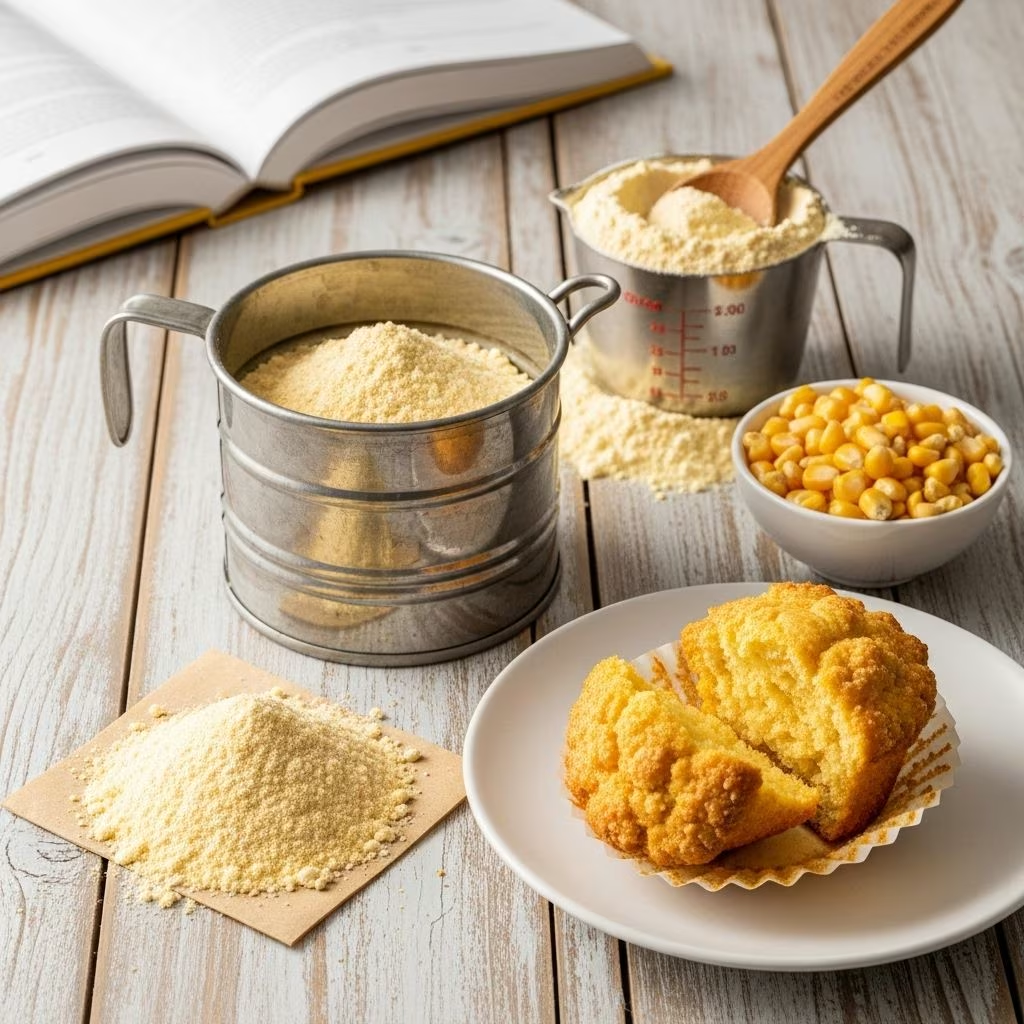
Corn flour stands as a staple ingredient in global kitchens, prized for its unique flavor, versatility in gluten-free baking, and nutritional benefits. Whether you’re crafting classic cornbread, delicate cakes, or savory dishes, understanding the properties and roles of corn flour unlocks new possibilities. This guide explores its baking uses, ideal substitutes, and comprehensive nutritional insights geared for home bakers and professionals alike.
What Is Corn Flour?
Corn flour is a fine powder made from whole dried kernels of corn. It can be yellow or white, depending on the variety of corn used. Distinct from cornstarch (which contains only the starchy part), corn flour retains the protein, fiber, and natural color of the original grain, making it a nutritious whole-grain option for cooking and baking.
- Texture: Fine, soft, and powdery.
- Flavor: Mildly sweet, distinct corn taste.
- Common Types: Yellow and white corn flour.
- Gluten Content: Naturally gluten-free.
Notably, labeling can vary by country; in the US, corn flour refers to the whole-kernel flour, while in the UK and some other countries, “cornflour” usually means cornstarch, so context and ingredient lists are important checks for bakers.
Corn Flour vs. Cornmeal vs. Masa Harina
| Characteristic | Corn Flour | Cornmeal | Masa Harina |
|---|---|---|---|
| Texture | Very fine, powdery | Coarse, gritty | Fine, soft |
| Processing | Whole dried corn ground finely | Whole dried corn ground coarsely | Made from corn soaked in lime, then ground |
| Flavor | Sweet, delicate corn | Bold, nutty | Distinctive, slightly tangy (nixtamalized) |
| Common Uses | Cakes, cookies, breads, batters | Cornbread, polenta, grits | Tortillas, tamales, pupusas |
| Gluten Content | None (gluten-free) | None (gluten-free) | None (gluten-free) |
Each of these products plays a unique role in baking and savory cooking; they are not always directly interchangeable due to differences in grind, absorption, and flavor.
Baking Uses of Corn Flour
Corn flour’s fine, tender texture and subtly sweet taste lend themselves to a wide array of baked goods. It is especially valued in gluten-free recipes for its binding properties and crumb structure. Here are some core ways corn flour is utilized in baking:
- Cookies: Corn flour cookies are loved for their crisp, sandy texture. Recipes may use olive oil to enhance crunchiness or nut butter for a softer chew. These cookies are naturally gluten-free and can be vegan.
Example recipe ingredients: corn flour, sugar, olive oil or nut butter, plant-based milk, baking soda, vanilla extract, and salt. - Cakes and Muffins: Used alone or blended with other gluten-free flours. It offers lightness and a pleasant corn flavor. Japanese cheesecake and cornbread muffins can utilize corn flour for soft crumb and color.
- Breads: Traditional cornbread and some soda bread varieties benefit from the moisture-locking and tenderizing effects of corn flour.
- Pancakes & Waffles: Provides a delicate consistency and golden hue.
- Thickening Agent: In some recipes, particularly in Europe, corn flour (cornstarch) is favored for thickening custards, sauces, and puddings. For authentic US-style corn flour, it can help add body while maintaining gluten-free status.
- Breading & Batters: Delivers a fine, crisp outer layer on fried foods such as calamari, fish, chicken, and even vegetables. It is excellent when combined with masa harina for tempura-style light batters.
- Pastries & Pie Crusts: Sometimes added to gluten-free blends to create a tender crust structure for pies and shortbreads.
Recipe Spotlight: Corn Flour Cookies
There are multiple variations including olive oil or nut butter bases. Olive oil versions yield a more crinkly, crunchy cookie with enriched corn flavor. Nut butter provides a softer, chewier texture. All versions rely on the fine grind of corn flour for texture and are quick to prepare, typically requiring only a handful of pantry staples and less than 20 minutes total baking time.
Savory Uses Beyond Baking
- Polenta and Grits: Though typically made with cornmeal, combining finer corn flour results in a creamier dish.
- Breading for Frying: Used on its own or with other flours for a crunchy, gluten-free coating on meats, seafood, or vegetables.
- Tempura and Light Batters: Corn flour can create a lighter, less oily fried batter, ideal for sensitive palates.
- Sauces, Gravies, and Puddings: In some regions, corn flour (often meaning cornstarch) is indispensable for thickening smooth custards, savory sauces, and desserts. For labeling, confirm if your recipe calls for “corn flour” or “cornstarch” by reading the ingredient description.
Substitutes for Corn Flour
Depending on the recipe, several ingredients can substitute for corn flour. Choice depends on dietary needs, flavor, and texture requirements.
| Substitute | Best Uses | Notes |
|---|---|---|
| Cornmeal | Breads, pancakes, batters | Texture will be coarser and less tender. Blend with other flours for smoother results. |
| Masa Harina | Tortillas, tamales, some batters | Slightly different taste due to nixtamalization. Texture may be comparable. |
| Rice Flour | Cakes, cookies, gluten-free blends | Neutral flavor, similar fine texture. May require more moisture. |
| Wheat Flour (all-purpose or cake flour) | Most conventional baked goods | Not suitable for gluten-free diets. May alter flavor and density. |
| Oat Flour | Cakes, cookies, gluten-free baking | Mild, slightly sweet; adds nutrition and blends well. Check for gluten cross-contamination. |
| Chickpea Flour | Savory breads, batters | High in protein, distinct earthy flavor. Works best in savory or spiced recipes. |
| Cornstarch (for thickening) | Custards, sauces, gravies | For thickening only. Not suitable to replace corn flour in baked goods. |
Tip: When substituting, consider blending with other gluten-free flours to closely mimic the tender crumb and flavor profile of corn flour, especially for cakes and cookies. For breading, a direct substitute (like rice or chickpea flour) can provide comparable results.
Nutritional Profile of Corn Flour
Corn flour offers more than just culinary versatility—it delivers nutritional benefits that make it a worthy staple for diverse diets.
- Calories: About 350–370 kcal per 100g
- Carbohydrates: Approximately 75–80g per 100g
- Protein: 6–8g per 100g (contains all essential amino acids, but low in lysine)
- Dietary Fiber: 7–10g per 100g
- Fat: 1–3g per 100g (mainly unsaturated)
- Vitamins: Good source of B vitamins (thiamin, niacin, folate), and vitamin A (yellow corn varieties)
- Minerals: Contains magnesium, phosphorus, iron, and small amounts of zinc and potassium
- Gluten-Free: Safe for celiac and gluten-intolerant diets
Because it’s a whole-grain flour (unless refined), corn flour preserves much of the germ and bran content, meaning higher fiber and nutrients compared to cornstarch or highly processed white flours. Check packaging to ensure that the product is 100% corn flour with no gluten cross-contamination, particularly if you require strict gluten-free adherence.
Corn Flour in Special Diets
- Gluten-Free Baking: Corn flour is a cornerstone ingredient, providing structure, tenderness, and subtle sweetness without gluten. Often combined with rice, sorghum, or tapioca flour for best results.
- Vegan Baking: Works exceptionally well with plant-based liquid ingredients and egg substitutes in cookies, cakes, and breadings.
- Low-Allergy Diets: Free from many common allergens (no gluten, dairy, or nuts in pure forms). Read labels for processing information.
- Whole-Grain Cooking: Choose stone-ground whole corn flour for higher fiber, vitamin, and mineral content.
Corn flour suits a variety of cultural cuisines due to its neutral and adaptable profile—perfect for modern home cooks seeking both nutrition and flexibility.
Buying and Storing Corn Flour
- Where to Buy: Health food stores, online natural retailers, Latin American or Mexican markets, and well-stocked supermarkets. Look for packaging labeled “corn flour,” “fine cornmeal,” or “whole-grain corn flour.”
- Color Varieties: Yellow and white are most common. Blue and red offer unique color and flavor but are less widely available.
- Storage: Store in a cool, dry cupboard; for longer shelf life, refrigerate or freeze in an airtight container. This prevents rancidity (due to natural oils) and protects against pests.
Always check expiration dates and avoid damp or clumping product. Whole-grain corn flour can spoil faster than highly refined products, so smaller packages are best if you use it infrequently.
Frequently Asked Questions (FAQs)
Q: Can I substitute cornmeal for corn flour in baking?
A: Sometimes. Cornmeal is coarser and gives a grittier texture, so results may be denser or less tender. For smoother baked goods, blend cornmeal with a finer flour or opt for partial substitution only.
Q: Is corn flour always gluten-free?
A: Pure corn flour is naturally gluten-free. However, there’s a risk of cross-contact in processing facilities. Always choose brands labeled “certified gluten-free” if you have celiac disease or gluten intolerance.
Q: What is the main difference between corn flour and cornstarch?
A: Corn flour is made from the entire kernel, offering flavor, color, protein, and fiber. Cornstarch is a refined starch isolated from the endosperm of corn and used solely as a thickener with no flavor or protein.
Q: Does corn flour work in yeast bread recipes?
A: For yeast-leavened breads, corn flour is best combined with other flours (like wheat or gluten-free bread blends) to ensure structure—it lacks gluten, which is essential for traditional bread rises.
Q: How can I use corn flour in cakes or cookies?
A: Substitute some or all of the flour in a recipe with corn flour for a delicate, crumbly texture and gentle sweetness. Pair with other gluten-free flours for best results in gluten-free baking. Try popular corn flour cookies or incorporate into cake batters for a bright flavor boost.
Q: Does corn flour add nutrition?
A: Yes. Compared to refined flours, corn flour offers fiber, protein, B vitamins, and minerals. Its naturally gluten-free status adds further appeal for allergy-conscious bakers.
Q: Are corn flour and masa harina interchangeable?
A: Not directly. Masa harina is made from nixtamalized corn (lime-treated), adding distinctive flavor and different binding properties, primarily for tortillas and tamales. Use corn flour in recipes that call for it to maintain the intended result.
Conclusion: Bringing Corn Flour Into Your Kitchen
Corn flour’s gentle sweetness, versatility, and health benefits make it an indispensable ingredient for gluten-free bakers and traditional cooks alike. Whether you’re preparing crispy cookies, tender cakes, or rich sauces, corn flour opens up global flavors with ease. By understanding when to use, how to substitute, and the nutrition it affords, every kitchen can harness the unique magic of this humble yet powerful flour.


