


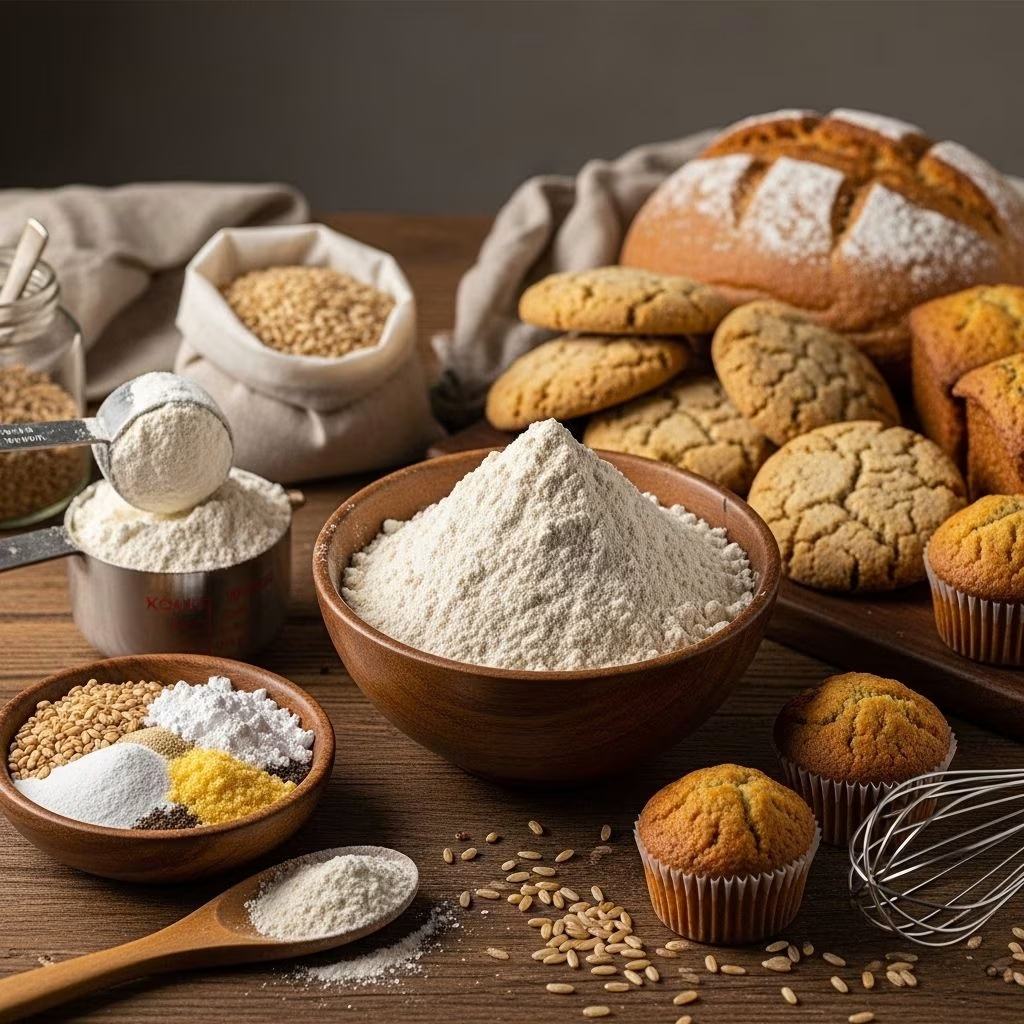
Brown rice flour, a naturally gluten-free and mildly nutty flour, is valued for its whole-grain nutrition, versatility in baking, and role as a staple in gluten-free kitchens. This comprehensive guide explores its baking uses, top substitutes, health benefits, and frequently asked questions for cooks of all skill levels.
What is Brown Rice Flour?
Brown rice flour is a finely milled flour made from the entire grain of brown rice. Unlike white rice flour, it retains the bran and germ, giving it a slightly nutty flavor and improved nutritional profile. As a gluten-free flour, it is commonly used in gluten-free baking and as a thickener in various cuisines.
Comparison: Brown Rice Flour vs. White Rice Flour
| Feature | Brown Rice Flour | White Rice Flour |
|---|---|---|
| Source | Whole brown rice grain (includes bran & germ) | Milled from polished white rice (bran & germ removed) |
| Flavor | Nutty, earthy | Mild, neutral |
| Color | Beige to light brown | White |
| Nutrition | Higher fiber, minerals, and some vitamins | Lower fiber and nutrients |
| Best Uses | Breads, cookies, pancakes, muffins | Batters, cakes, sauces, delicate pastries |
How Brown Rice Flour is Made
Brown rice flour is produced by milling whole brown rice grains into a fine powder. Both stone-milling and high-speed roll milling are used to maintain the nutritional integrity and generate a soft, uniform texture. There are no additives, and the flour retains the fiber and essential nutrients found in the bran and germ.
Unique Characteristics for Baking
- Gluten-free: Does not contain wheat or gluten proteins, making it suitable for those with celiac disease or gluten sensitivity.
- Texture: Results in tender and slightly crumbly baked goods, but when blended with other flours, produces structure and moistness without gumminess.
- Absorption: Good absorption of liquid and fat, leading to moist cakes, chewy cookies, and soft pancakes.
- Mild, nutty flavor: Lends a subtle wholesome taste to baked items.
- Whole grain: Adds fiber and micronutrients absent from refined rice flour.
Baking Uses of Brown Rice Flour
Brown rice flour is celebrated for its versatility across both sweet and savory recipes. Its inherent properties lend themselves to a variety of baking applications:
- Cookies: Brown rice flour produces cookies that are chewy on the inside with crisp edges. It is excellent as a primary flour or when blended with others. Chocolate chip cookies and ginger snaps are common options .
- Pancakes: Pure brown rice flour delivers fluffy, gluten-free pancakes that are tender and slightly nutty in flavor, often without requiring complex flour mixes .
- Breads & Rolls: Combined with binders like eggs or xanthan gum, brown rice flour is perfect for gluten-free sandwich bread, hamburger buns, and hot cross buns .
- Muffins & Cupcakes: Its light texture ensures baked goods rise beautifully without being dense. Lemon rolls and chocolate cupcakes showcase its gentle crumb .
- Pie Crusts & Tart Shells: Used for snappy tart shells and shortcrust pastry—especially suitable for moist fillings as the crust stays crisp .
- Crackers & Graham Crackers: Ideal for gluten-free, crispy snacks and desserts .
- Cakes: Brown rice flour, sometimes with a starch (like tapioca or potato), delivers tender cakes without added grittiness .
- Donuts, Focaccia, and Bagels: Whole grain taste and texture work well in more robust, bready recipes .
- Savory Baking: Also used for gluten-free pizza crusts, battering for fried foods, and flatbreads such as pancakes or Asian scallion pancakes .
Tips and Techniques for Baking with Brown Rice Flour
- Blending with Other Flours: For best texture, blend brown rice flour with starches such as tapioca, potato, or corn starch to improve structure and softness.
- Adding Binders: Unlike wheat flour, it contains no gluten (the protein that gives dough its elasticity). Use eggs, xanthan gum, flaxseed, or chia seeds as binders for breads and cakes to prevent crumbling .
- Moisture Matters: Whole grain flours absorb more liquid. Add extra fat, eggs, or milk as needed for moisture and tenderness .
- Gradual Substitution: When adapting recipes, start by replacing up to 25% of all-purpose flour with brown rice flour to experience its effect on flavor and texture .
- Fine vs. Coarse Grind: Use finely ground flour for delicate baked goods to avoid a gritty texture. Coarser flours may lead to dense or grainy results.
Best Substitutes for Brown Rice Flour
If unavailable, several gluten-free and regular flours can be used in place of brown rice flour. Substitute in equal volumes unless stated otherwise. Adjust liquid and binder as needed based on texture.
- White Rice Flour: Milder flavor, less fiber. Produces lighter, more delicate baked goods. Suitable 1:1 but with slightly lower nutrition .
- Sorghum Flour: Offers a gentle flavor and soft crumb. Best in cakes and muffins. May require more binder.
- Oat Flour (Gluten-Free): Provides a mild sweetness and similar density. Absorbs more liquid, so recipes may need extra moisture.
- Quinoa Flour: Nutrient-dense and slightly earthy. Excellent for muffins and pancakes but may dominate flavor in delicate baked goods.
- Almond Flour: Not a grain, but delivers moistness and structure to cookies and quick breads. Use with caution for nut allergies.
- Coconut Flour: Highly absorbent and requires recipe adaptation (more eggs and liquid).
- All-Purpose Gluten-Free Flour Blends: Commercial blends (often containing a mix of rice flour, potato starch, tapioca starch, and binder) are convenient for direct substitution.
- Wheat Flour: For non-gluten-free needs, wheat flour can substitute but with major changes in structure and properties (not suitable for those who require gluten-free baking).
Nutritional Profile
Brown rice flour retains the natural nutrients of whole brown rice. Serving sizes vary, but the table below represents nutrition per 1/4 cup (approximately 30 grams):
| Nutrient | Amount Per 1/4 Cup (30g) | percent Daily Value (approx.) |
|---|---|---|
| Calories | 110-120 | 6% |
| Carbohydrates | 23-25 g | 8% |
| Fiber | 2-3 g | 10% |
| Protein | 2-3 g | 4% |
| Fat | 0.7-1 g | 2% |
| Iron | 0.6-1 mg | 5%-8% |
| Potassium | 60-80 mg | 2% |
| Magnesium | 30-40 mg | 8%-10% |
Brown rice flour is cholesterol-free, sodium-free, naturally vegan, and hypoallergenic (except for those rare individuals with a rice allergy).
Health Benefits
- Higher Fiber Content: Aids in digestion, helps regulate blood sugar, and supports heart health.
- Whole Grain Source: Contains B vitamins (esp. niacin, thiamine), magnesium, manganese, phosphorus, and some antioxidants.
- Gluten-Free: Safe for those with celiac disease or gluten intolerance.
- Lower Glycemic Index: Compared to refined flours, brown rice flour causes slower blood sugar spikes.
- Hypoallergenic: Minimal risk of triggering allergies common with wheat or nuts.
Challenges and Solutions in Baking with Brown Rice Flour
- Crumbly Texture: The lack of gluten can cause baked goods to fall apart. Solution: add binders (eggs, xanthan gum, flax, or chia).
- Grittiness: Use finely milled flour for cakes and pastries. Let batters rest for 15-30 minutes before baking to allow hydration and decrease grittiness.
- Dryness: Adjust liquid and fat upwards in recipes, or blend with more absorbent flours.
- Flavor Adjustment: Brown rice flour adds an earthy note—complement with spices, vanilla, or cocoa for balance.
Baking Inspiration: Sample Recipes Using Brown Rice Flour
- Chocolate Chip Cookies (Gluten-Free):
Replace wheat flour with brown rice flour, add eggs and coconut oil for moisture. Bake at 180°C (356°F) for 10–12 minutes for chewy cookies . - Fluffy Pancakes (100% Brown Rice):
Combine brown rice flour, baking powder, eggs, milk, and a touch of sugar. Cook on a griddle for airy, gluten-free pancakes . - Soft Lemon Rolls:
Brown rice flour paired with starch and yeast yields a tender, gluten-free breakfast treat . - Snappy Tart Shell:
Brown rice flour makes an excellent, stable base for creamy pie fillings .
Frequently Asked Questions (FAQs)
Q: Can you substitute brown rice flour 1:1 for regular flour?
A: Brown rice flour can substitute for up to 25-50% of all-purpose flour in recipes without significant texture change. For 100% substitution, especially in cakes or breads, add binders (e.g., eggs, xanthan gum) and increase moisture for best results .
Q: Does brown rice flour taste different from white rice flour?
A: Yes. Brown rice flour has a nuttier, deeper flavor and more pronounced whole-grain notes compared to the mild taste of white rice flour.
Q: What is the shelf life of brown rice flour?
A: Brown rice flour contains natural oils that can spoil. Store in an airtight container in the refrigerator or freezer. Use within 3–6 months for best quality.
Q: Can I use brown rice flour to thicken sauces or gravies?
A: Yes. It thickens liquids like other starches. Whisk to prevent lumping, and cook thoroughly to neutralize any raw flavor.
Q: Is brown rice flour good for people with diabetes?
A: Its moderate glycemic index and fiber content make it preferable to refined flours. However, it is still a carbohydrate source, so portion control is important—especially for individuals managing blood sugar.
Q: How do I prevent baked goods with brown rice flour from turning out gritty?
A: Choose finely milled flour and let batter/dough rest before baking to hydrate the flour fully. Blending with a starch like tapioca also improves texture.
Q: Is brown rice flour safe for children and those with digestive sensitivities?
A: Generally yes, as it is hypoallergenic and easy to digest, but rare rice allergies can occur. As always, introduce new foods gradually.
References for Further Reading:
- For inspiration and tips: “Brown Rice Flour Cookies Recipe”
- More gluten-free desserts and baking: Snixy Kitchen and Georgeats
- Detailed substitution advice: Food52 on baking with brown rice flour
References
- https://www.youtube.com/watch?v=OEm2kh3vlog
- https://www.youtube.com/watch?v=qKTJE2ydQbE
- https://www.snixykitchen.com/flour/brown-rice-flour/
- https://food52.com/story/26184-why-you-should-bake-with-brown-rice-flour
- https://georgeats.com/recipes/gluten-free-desserts-with-rice-flour/
- https://thevegan8.com/tag/brown-rice-flour/
- https://www.101cookbooks.com/ingredient/brown-rice-flour


