


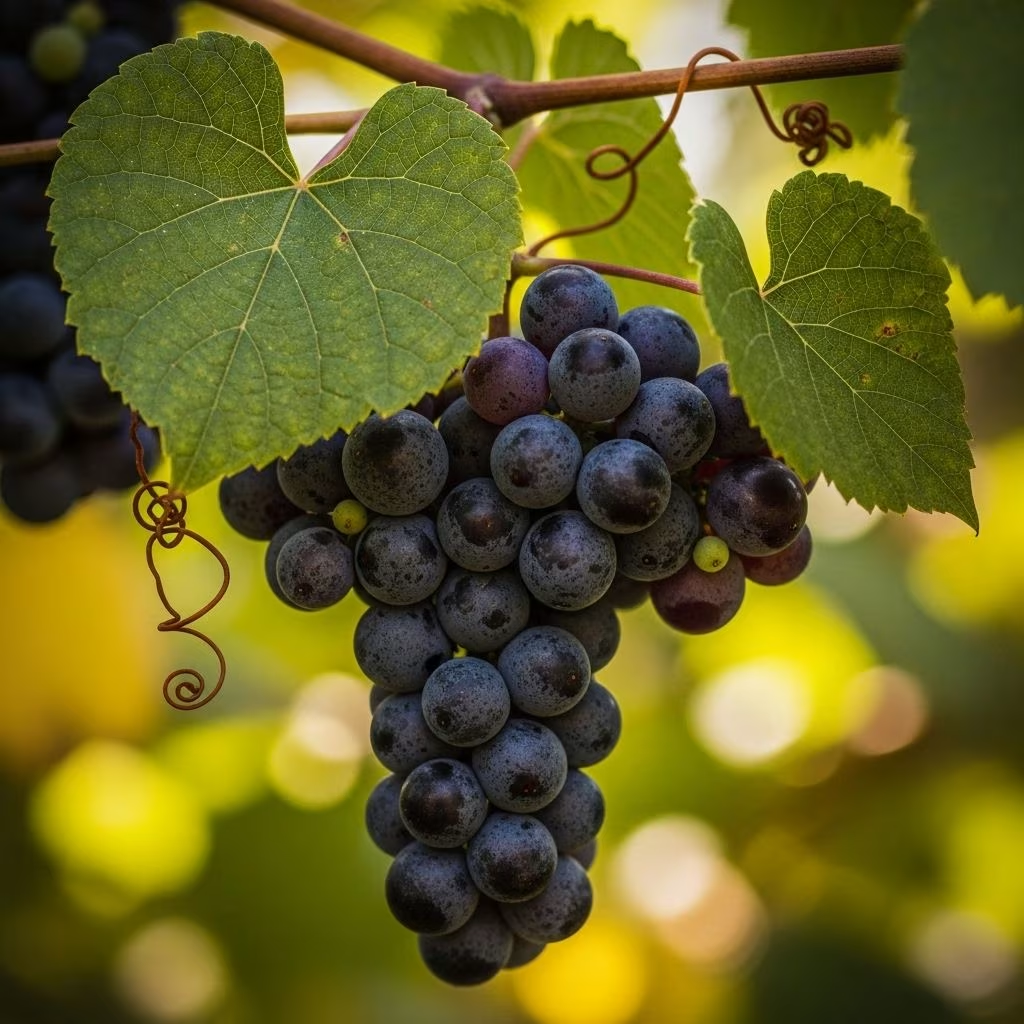
Fox grapes are a group of wild grapes native to eastern North America, cherished for their bold flavors, health benefits, and distinctive place in the continent’s culinary and agricultural history. Known scientifically as Vitis labrusca, fox grapes gave rise to many iconic American grape varieties and remain a vital part of regional traditions and modern nutrition. This comprehensive guide explores the many dimensions of fox grape: from its origins to its profound health-promoting compounds, from diverse culinary uses to the nuances of its bold and intriguing taste profile.
Overview: What Is Fox Grape?
Fox grape (Vitis labrusca) is a species of grapevine indigenous to the woodlands and riverbanks of eastern North America. Unlike European wine grapes (Vitis vinifera), fox grape evolved in the temperate climates of North America and adapted to local pests, weather extremes, and unique soil profiles. Its name likely refers to the grape’s musky, “foxy” aroma—a trait that sets it apart from most domesticated grape species.
The fox grape’s legacy includes serving as the wild ancestor to famed cultivated varieties like Concord, Niagara, and Catawba. Its robust nature and distinctive flavor have made it both a naturalized survivor and a source for breeding resilient, flavorful grapes suited for jams, juices, jellies, wine, and home gardens.
History and Origins
Fox grape’s story stretches back centuries, through both Native American use and colonial agriculture:_
- Native American communities collected and used wild fox grapes for food and medicine long before European settlers arrived.
- Early European settlers recognized the grape’s value, using it for wines and preserves and integrating it into colonial gardens.
- In the 19th century, crossing fox grapes with other species led to distinct American cultivars—such as Concord (developed by Ephraim Bull in Massachusetts, 1849)—that ultimately defined much of America’s grape industry.
- The grape’s ability to withstand harsh winters and resist pests made it a foundational stock in the history of American viticulture.
Botanical Characteristics
Fox grape vines are vigorous, long-lived, and often climb high into forest canopies or along fences. Notable features include:
- Leaves: Broad, heart-shaped, and hairy on the underside, with pronounced lobes.
- Fruit clusters: Looser than those of European grapes, typically bearing smaller, round, deep blue-purple grapes.
- Fruit skin and flesh: Skins are thick, easily slipping off the pulpy interior—an attribute called “slip-skin.” This enhances their suitability for jams and jellies.
- Seeds: Each grape contains 2–4 seeds, contributing to its firm texture.
- Aroma: Notoriously “foxy,” meaning a musky, sweet, slightly earthy aroma unique to this species.
Fox grape’s natural resilience makes it ideal for organic and low-intervention cultivation, thriving where many Vitis vinifera cultivars struggle.
Nutritional Profile
Fox grapes, similar to other dark-skinned grape varieties, are notable for their robust nutrient content and concentration of beneficial phytochemicals. Their nutritional highlights include:
| Nutrient (per 151g, approx. 1 cup) | Amount | % Daily Value (DV) |
|---|---|---|
| Calories | 104 | – |
| Carbohydrates | 27g | – |
| Dietary Fiber | 1.4g | 5% |
| Vitamin C | 5mg | 5% |
| Vitamin K | 28mcg | 18% |
| Copper | 0.2mg | 21% |
| Potassium | 288mg | 6% |
| Resveratrol | Significant | (not established) |
| Polyphenols (anthocyanins, proanthocyanidins) | High | (not established) |
Fox grapes are particularly rich in resveratrol, anthocyanins, and proanthocyanidins—all potent antioxidants. These compounds are associated with a range of health effects, from cardiovascular support to cell protection against oxidative stress.
Health Benefits of Fox Grape
Fox grapes share many health benefits with other dark grapes, largely due to their high antioxidant levels and diverse micronutrient content. Major benefits include:
- Rich in Antioxidants: The skins and seeds provide resveratrol, flavonoids, and proanthocyanidins, which neutralize harmful free radicals and support healthy cell function.
- Support Cardiovascular Health: Regular grape consumption has been linked with lowered risk of heart disease, improved blood vessel health, and lower “bad” LDL cholesterol, partly due to their polyphenols and vitamin K.
- Beneficial for Bone Health: Fox grapes contain vitamin K, copper, and manganese, which are essential for bone strength and density. Early research indicates that resveratrol supplementation may increase bone mineral density, especially in postmenopausal women.
- Anti-Inflammatory Effects: Grapes help reduce inflammation markers in the body, contributing to lower risk of chronic diseases including diabetes, arthritis, and metabolic syndrome.
- Antimicrobial and Immune Support: Resveratrol and anthocyanins exhibit antimicrobial activity, potentially inhibiting the growth of harmful bacteria and fungi. Vitamin C further supports immune defenses.
- Potential Anti-Cancer Properties: The polyphenols found in fox grape skin and seeds have demonstrated anticancer activities in preliminary animal and cell studies, with ongoing human research.
- Gut Health and Weight Regulation: Fox grapes may support a healthy gut microbiome and have been linked to reduced body mass index in human studies involving other grape varieties.
- Liver Protection: Animal studies suggest grape seed extracts can protect liver cells from damage and support healthy liver function.
- Eye Health: With their vitamin C and antioxidant content, fox grapes may help protect eye tissue from oxidative stress and age-related degeneration.
Summary Table: Fox Grape Health Benefits
| Benefit | Key Compounds | Scientific Evidence |
|---|---|---|
| Antioxidant Protection | Resveratrol, anthocyanins, proanthocyanidins | Strong (animal, cell, some human studies) |
| Cardiovascular Health | Polyphenols, vitamin K | Strong (population, clinical, mechanistic) |
| Bone Support | Vitamin K, manganese, copper, resveratrol | Moderate (human intervention, animal) |
| Anti-Inflammation | Flavonoids, polyphenols | Moderate (biomarker studies, reviews) |
| Anticancer Potential | Resveratrol, polyphenols | Preliminary (mostly animal, cell) |
| Liver and Gut Health | Polyphenols, fiber | Emerging (animal models, early clinical data) |
Culinary and Traditional Uses
Fox grapes’ profile—juicy, flavorful, and tart—makes them highly versatile. Primary uses include:
- Jams and Jellies: Their intense aroma and high pectin yield sturdy, aromatic preserves—a cherished homemade American staple.
- Juice: Concord and other labrusca grape juices, rich in flavor and strikingly purple, are used both for drinking and as an ingredient in beverages and baked goods.
- Wine: While distinct from European-style wines, fox grape wines are bold, fruity, and lightly musky, with a heritage dating back to colonial America.
- Pies, Tarts, and Syrups: Their robust skin and tangy juice contribute strong flavor and vibrant color to baked goods and sauces.
- Drying (Raisins): Less common than for European varieties, but possible for select, sweeter cultivars.
- Medicinal Teas and Tonics: Traditional healers prepared decoctions from grape skins, roots, or leaves for digestive and immune support.
Due to their thickness and “slip-skin” texture, fox grapes are rarely eaten fresh in large quantities. However, some enthusiasts enjoy them straight off the vine, savoring their tart punch and foxy bouquet.
Taste Profile: What Does Fox Grape Taste Like?
The taste of fox grape is one of its most defining features, explaining both its popularity in American kitchens and its limited use as a fresh table grape. Key characteristics:
- Aroma: The “foxy” scent is distinct—musky-sweet, earthy, and aromatic, somewhat reminiscent of wild berries and woodland flowers.
- Flavor: Balanced between assertive acidity, vibrant fruitiness, and notable sweetness. The aftertaste is often lingering and tangy.
- Texture: Thick, chewy skin and juicy gelatinous flesh (“slip-skin”)—easy to separate, perfect for preserves but less convenient for snacking.
- Seeds: Prominent, large seeds contribute bitterness if chewed.
This unique flavor profile, especially the wild aroma, differentiates fox grape products like Concord grape juice and jelly and has become a nostalgic staple in North American cuisine.
Selection, Harvesting, and Preparation
Fox grapes ripen from late summer through early autumn, depending on region and cultivar. To select and prepare them:
- Choose plump, deep purple berries—often with a powdery gray “bloom” (a sign of freshness).
- Fruit should yield slightly to gentle pressure and slip easily from its skin.
- Harvest early in the day for best flavor and higher pectin content.
- Wash and remove stems. For jams and jellies, slip skins and discard large seeds.
- Store in the refrigerator for up to a week, or freeze for later processing.
Due to their punchy acidity and tough skins, fox grapes require more processing than table grapes but reward with full-bodied flavor and nutrition.
Sustainability and Environmental Impact
Fox grape vines are exceptionally hardy, resisting many pests and diseases common to cultivated grapes. Their natural adaptation to American climates means:
- Lower need for synthetic pesticides and fertilizers.
- Reduced water use compared to most table grapes.
- Greater biodiversity, supporting local wildlife and pollinators.
Fox grape cultivation aligns with sustainable agriculture—making them an increasingly attractive option for organic growers and home gardeners.
Common Fox Grape Varieties
The following varieties, all descended from or closely related to wild Vitis labrusca, are widely recognized across North America:
- Concord: The most famous fox grape, used primarily for jelly, juice, and sweet red wine. Deep blue-black, intensively flavored, with a pronounced foxy aroma.
- Catawba: Pink-skinned, slightly less musky, commonly used in sparkling and still wines, as well as juice.
- Niagara: Pale green-yellow, milder and less foxy, prized for white grape juice and light table wine.
- Isabella: Dark purple, fragrant, used in preserves and wine; popular in home gardens.
- Vitis labrusca (wild forms): Found growing wild in woodlands, hedgerows, and riverbanks across much of North America.
Frequently Asked Questions (FAQs)
Q: Why are they called “fox grapes”?
A: The term “foxy” describes the grape’s musky, wild aroma—reminiscent of the animal’s scent, according to early European settlers. It refers to the unique flavor and smell, not the animal itself.
Q: Are fox grapes safe to eat raw?
A: Yes, they are perfectly safe to eat raw. However, their tough skins, seeds, and strong flavor make them more suitable for processing into juice, jellies, and syrups.
Q: How do fox grapes differ from European grapes (Vitis vinifera)?
A: Fox grapes are adapted to North American climates, have “slip-skin” berries, and a distinctive musky aroma. European grapes are mostly used for wine and table grapes, with thin skins and subtle, less aromatic flavors.
Q: What nutrients set fox grapes apart?
A: They are especially high in polyphenols, anthocyanins, and resveratrol—all powerful antioxidants linked to heart health and cancer prevention.
Q: Can I grow fox grapes at home?
A: Yes, fox grapes grow vigorously with minimal care in most North American climates. They are well-suited to organic cultivation and resist many common pests and diseases.
Final Word
Fox grape remains one of America’s culinary and agricultural treasures—a healthful fruit rich in tradition, scientific interest, and unforgettable flavor. Whether savoring Concord grape jelly or experimenting with wild-harvested berries, embracing fox grape connects us to the land and the lessons of native fruit biodiversity.
References
- https://www.healthline.com/nutrition/benefits-of-grapes
- https://pmc.ncbi.nlm.nih.gov/articles/PMC9497968/
- https://www.nutraingredients-latam.com/Article/2019/01/21/Brazilian-study-suggests-white-grape-juice-may-offer-weight-management-benefits/
- https://herbpathy.com/Uses-and-Benefits-of-Fox-Grape-Cid4108
- https://www.fondazioneslowfood.com/en/ark-of-taste-slow-food/fox-grape/


